

Why Does My Dog Dig On My Bed? (And How To Protect Your Sheets)
It is a scenario familiar to many dog owners: you have just made your bed with fresh, crisp linens, only for your canine companion to jump up and begin furiously scratching at the sheets. They might spin in circles, dig enthusiastically, and finally collapse with a heavy sigh. While this behavior can be endearing, it can also be destructive to expensive bedding and mattresses.
As a canine specialist, I often reassure owners that this behavior, known as denning, is deeply rooted in your dog’s ancestry. However, while the instinct is natural, the destruction of your property does not have to be. Understanding the why behind the action is the first step in curbing the behavior. Whether driven by an evolutionary need for comfort, a method of scent marking, or a symptom of underlying anxiety, identifying the root cause allows us to implement effective training solutions.
In this guide, we will explore the biological and emotional reasons your dog digs on your bed and provide actionable steps to protect your sheets while keeping your dog happy and comfortable.
The Ancestral Instinct: Denning and Comfort

To understand why your dog treats your duvet like a dirt patch, we must look at their wild ancestors. Wolves and wild dogs dig shallow depressions in the earth to create a den. This serves several vital survival functions that have been passed down to your domestic pet.
- Temperature Regulation: In the wild, the topsoil can be too hot or too cold. Digging reveals the cooler earth underneath in summer or provides a windbreak in winter. Your dog may be trying to manipulate the temperature of the bedding to their liking.
- Creating Safety: A dug-out depression provides a sense of concealment and security. Even on a flat mattress, the act of scratching is an attempt to create this safe ‘wall’ around them.
- Comfort Adjustment: Just as humans fluff a pillow, dogs scratch to rearrange the bedding materials to create a smoother or softer surface for their joints.
If your dog digs briefly before lying down and sleeping soundly, this is likely just a harmless comfort ritual.
Territorial Behavior: Scent Marking
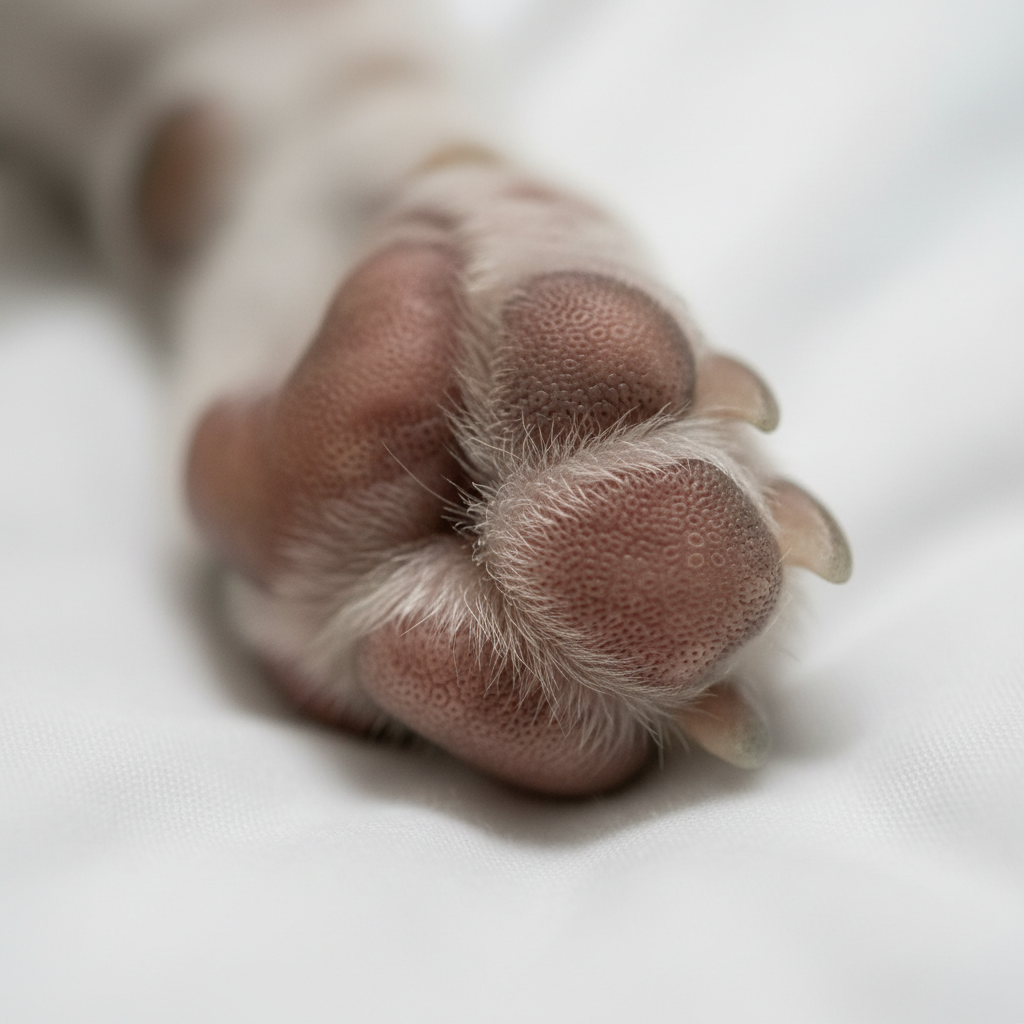
Dogs communicate primarily through scent, and their paws play a significant role in this communication. Your dog possesses scent glands located between their paw pads. When they scratch vigorously at your bed, they are effectively depositing their unique pheromones onto the fabric.
This behavior serves as a territorial claim. By marking the bed—which already smells heavily of you, their favorite person—they are mingling their scent with yours. This creates a communal scent profile that signals to the pack (and any intruders) that this territory is occupied and safe. This is particularly common in multi-dog households where resources and sleeping spots might be silently contested.
Identifying Behavioral Issues: Anxiety and Boredom

While instinct is a primary driver, digging can sometimes signal an emotional or behavioral deficit. It is crucial to distinguish between a bedtime ritual and a compulsive behavior.
Signs of Anxiety-Driven Digging
If the digging is frantic, accompanied by whining, panting, or pacing, and occurs when you are preparing to leave the house, it may be a symptom of separation anxiety. The dog is attempting to burrow into your scent for comfort or escape the environment causing them stress.
The Boredom Factor
A dog with excess energy may dig simply because it is a physical outlet. If your dog is not receiving adequate physical exercise or mental stimulation, they may turn your bed into an activity center. This type of digging is often destructive and persists for long periods rather than ending in sleep.
Step-by-Step: How to Redirect the Behavior

If the digging is damaging your sheets, you must redirect the instinct rather than suppress it entirely. Punishing a dog for a natural instinct can lead to confusion and fear. Instead, follow these steps:
- Step 1: The ‘Off’ Command: Teach a reliable ‘off’ or ‘leave it’ command. When you catch them digging, calmly give the command and reward them immediately when they put four paws on the floor.
- Step 2: Provide a Designated Digging Spot: Give your dog an outlet. Provide a dedicated dog bed with loose, durable blankets that they are allowed to scratch and nest in.
- Step 3: Relocation: If your dog starts digging on your bed, interrupt them gently and guide them to their own bed. Encourage them to dig there and praise them when they do.
- Step 4: Increase Stimulation: Ensure your dog is tired before bedtime. A long walk or a puzzle feeder can burn off the nervous energy that often fuels compulsive scratching.
How To Protect Your Sheets and Mattress
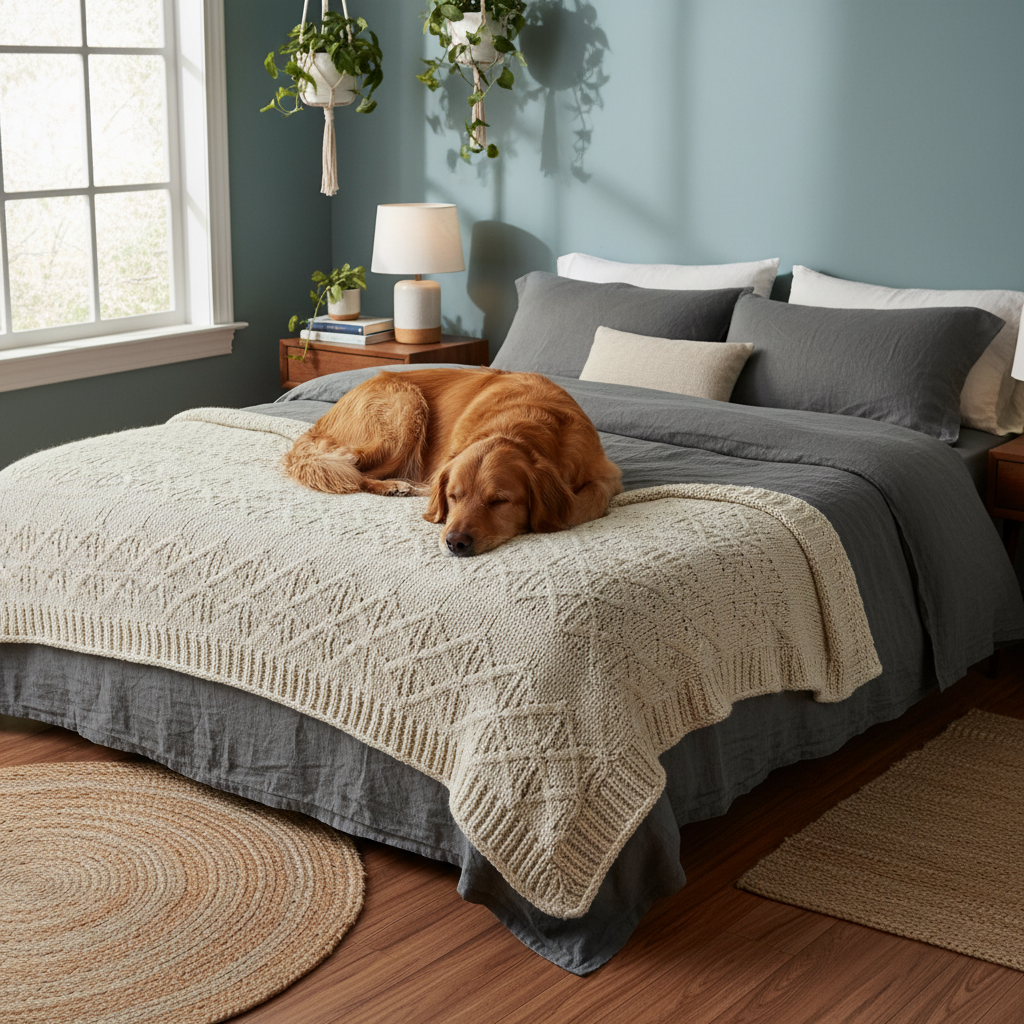
While training takes time, protecting your investment is immediate. Here are professional recommendations for saving your bedding:
- Maintain Nail Health: Long, sharp nails are the primary cause of torn sheets. Grind or clip your dog’s nails regularly (every 2-3 weeks) to blunt the edges. A dremel tool is often better than clippers for leaving a smooth finish.
- Use Protective Throws: Place a heavy-duty, machine-washable throw blanket at the foot of the bed or wherever your dog usually sleeps. This acts as a sacrificial layer that takes the brunt of the scratching.
- Invest in Durable Fabrics: Avoid delicate weaves like satin or low-thread-count cotton which snag easily. Opt for tight-weave percale, canvas, or high-quality microfiber which are more resistant to claws.
- Mattress Protectors: Always use a waterproof mattress protector under your sheets. This protects the mattress not only from potential accidents but also from dirt and allergens released during vigorous digging.
Balancing Instinct with Household Rules
Digging on the bed is a multifaceted behavior that bridges the gap between your dog’s wild ancestry and their life as a pampered pet. Whether they are building a den, marking their territory, or simply trying to burn off excess energy, understanding the root cause is the key to management.
By combining protective measures for your linens with positive reinforcement training, you can accommodate your dog’s natural needs without sacrificing your bedroom’s comfort. Remember, patience is paramount; with consistent redirection and appropriate outlets for their energy, you can coexist peacefully—and keep your sheets in one piece.