Why Clicker Training is the Cheat Code for Obedient Dogs
In the world of canine behavioral science, communication is the primary barrier between a frustrated owner and a well-behaved dog. Imagine trying to learn a complex task in a foreign language where the instructor only tells you when you are wrong, but rarely when you are right. This is the reality for many dogs trained with outdated methods. Enter clicker training: a method often described by professionals as the ‘cheat code’ for dog obedience.
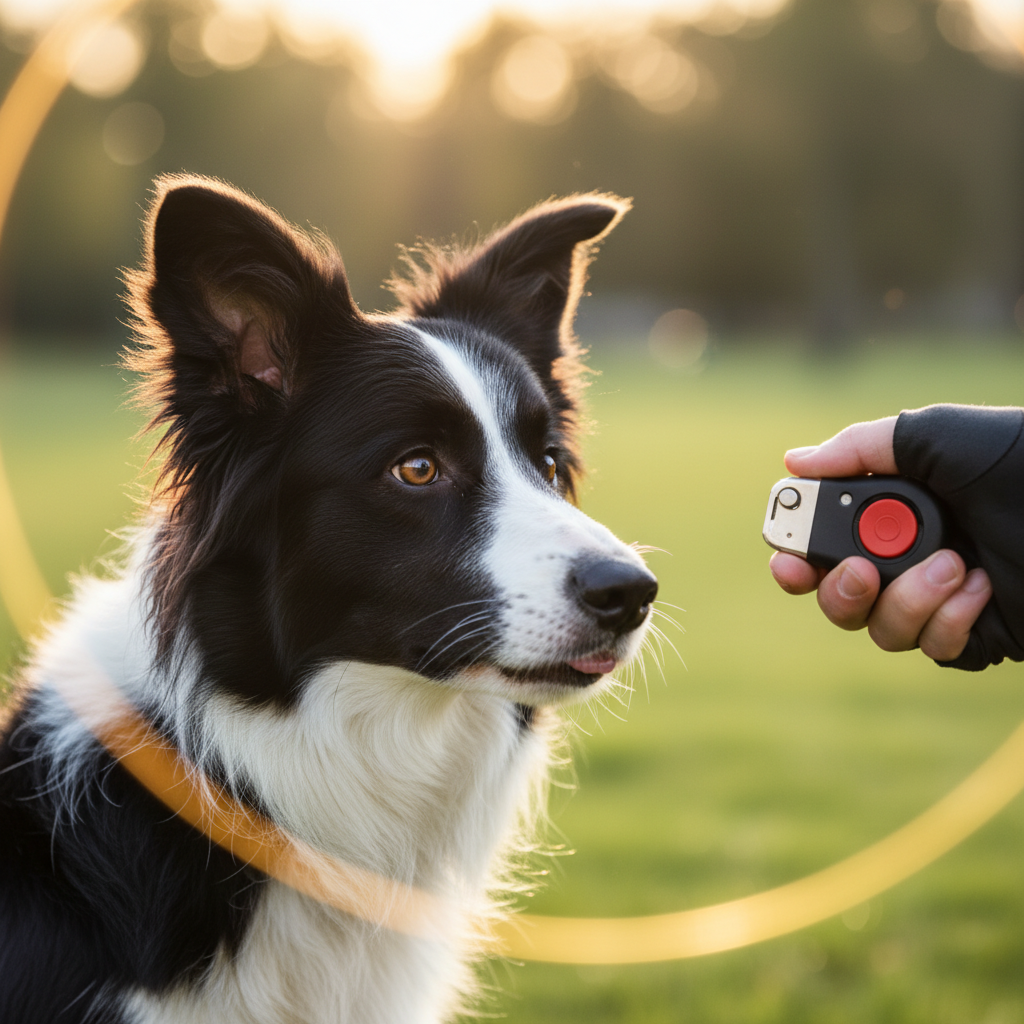
Clicker training is a form of operant conditioning that utilizes a distinct mechanical sound to mark a desired behavior the exact instant it happens. Unlike the human voice, which fluctuates in tone and emotion, the click is consistent, distinct, and unemotional. It bridges the gap between the action and the reward, providing your dog with immediate, binary feedback: ‘Yes, that is exactly what I wanted.’ This article serves as a comprehensive guide to understanding the mechanics of this powerful tool and how to implement it to accelerate your dog’s learning curve.
The Science Behind the Click: Why It Works
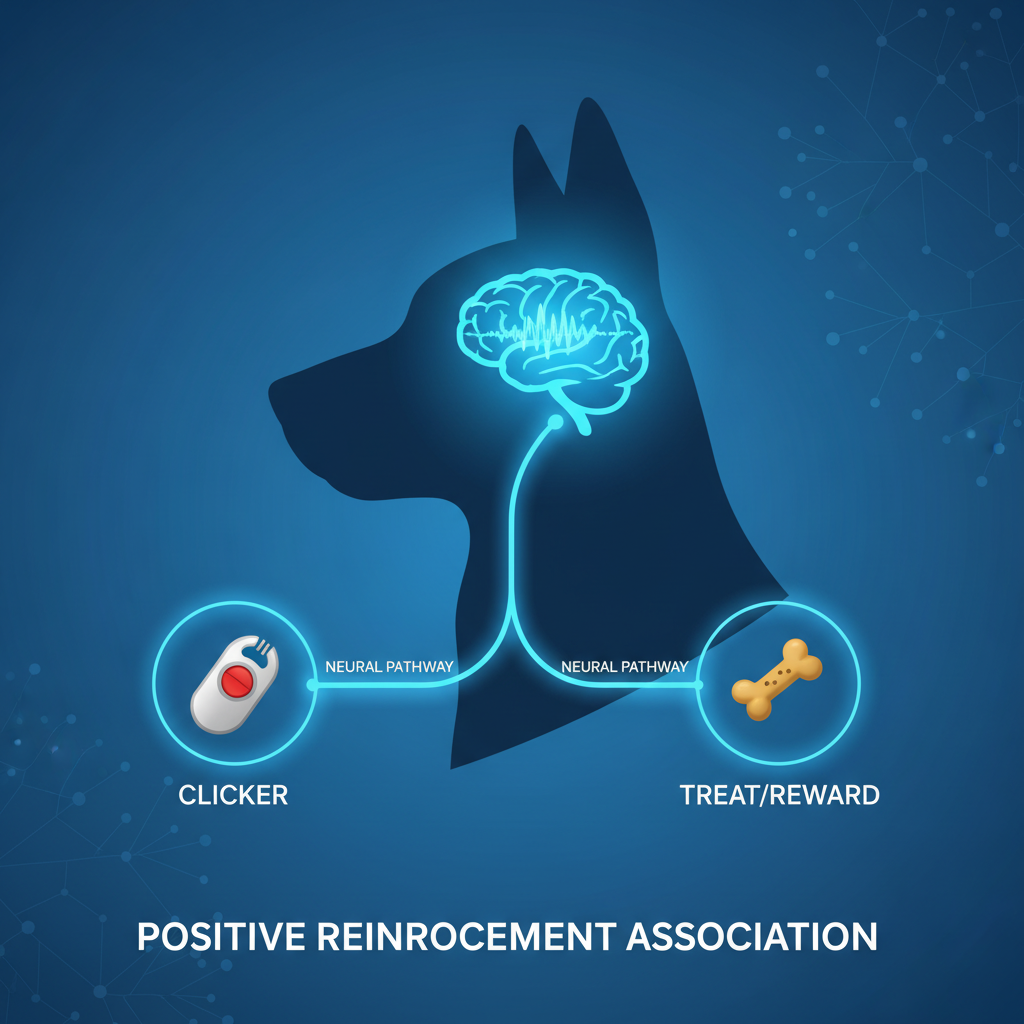
To understand why clicker training is so effective, we must look at the psychology of learning. It relies on positive reinforcement (adding a reward to increase a behavior). The clicker itself is a ‘conditioned reinforcer.’ Initially, the sound means nothing to the dog. However, through a process called classical conditioning (similar to Pavlov’s dogs), the dog learns that the sound of the click invariably predicts the arrival of a high-value food reward.
The reason this is superior to verbal praise alone is precision. If you ask your dog to ‘sit’ and say ‘good boy’ as he is sitting, you might finish the sentence as he starts to stand up again. The dog may confuse the reward with the act of standing up. A click, however, takes a fraction of a second. You can capture the precise moment the dog’s rear touches the ground, taking a mental snapshot of the behavior you want to repeat. This clarity reduces frustration and accelerates learning speeds by up to 50% compared to traditional methods.
Essential Tools: Gathering Your Training Arsenal
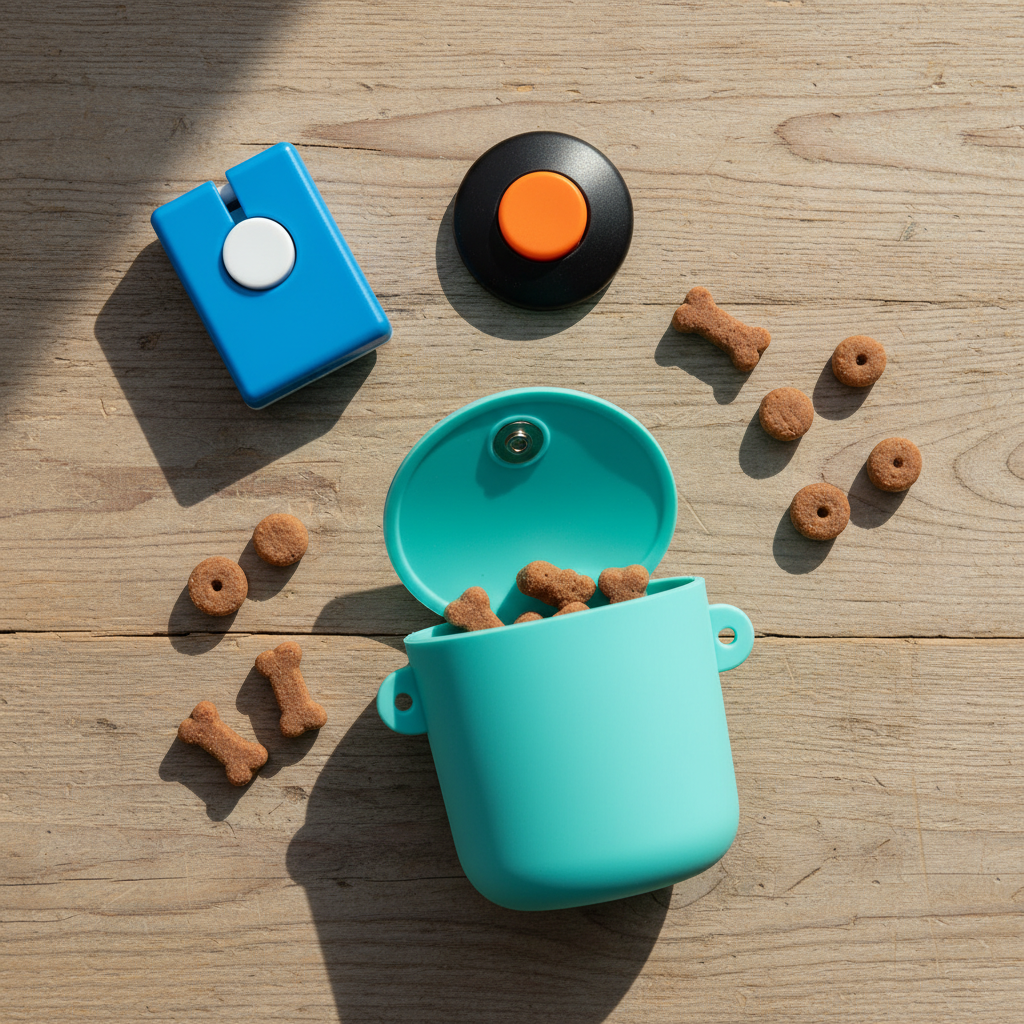
Before you begin, you need the right equipment. While the concept is simple, the tools play a significant role in your timing and delivery.
- The Clicker: There are box clickers (louder, distinct snap) and button clickers (softer, good for sound-sensitive dogs). Choose one that fits comfortably in your hand.
- High-Value Treats: Dry kibble often isn’t enough for learning new, difficult concepts. Use soft, smelly treats cut into pea-sized pieces (e.g., freeze-dried liver, cheese, or hot dogs). The dog should be able to swallow them instantly without chewing, keeping the training flow uninterrupted.
- Treat Pouch: A waist-mounted pouch is essential. It allows for rapid delivery of the reward. Fumbling with a plastic bag destroys the timing that makes clicker training effective.
Step 1: Loading the Clicker (The Association Phase)

Before you can use the clicker to teach commands, you must teach the dog what the clicker means. This process is called ‘loading the clicker’ or ‘charging the mark.’
The Procedure:
- Start in a quiet room with no distractions.
- Press the clicker once.
- Immediately (within 1 second) give your dog a treat. Do not ask the dog to sit or do anything; the treat is free.
- Repeat this 10 to 20 times. Click, treat. Click, treat.
You are looking for a Conditioned Emotional Response (CER). Eventually, when you click, your dog should immediately look at you or the treat hand with anticipation. Once you see this ‘startle’ or sudden focus upon hearing the sound, the clicker is loaded and ready for use.
Step 2: Shaping Behaviors and Capturing
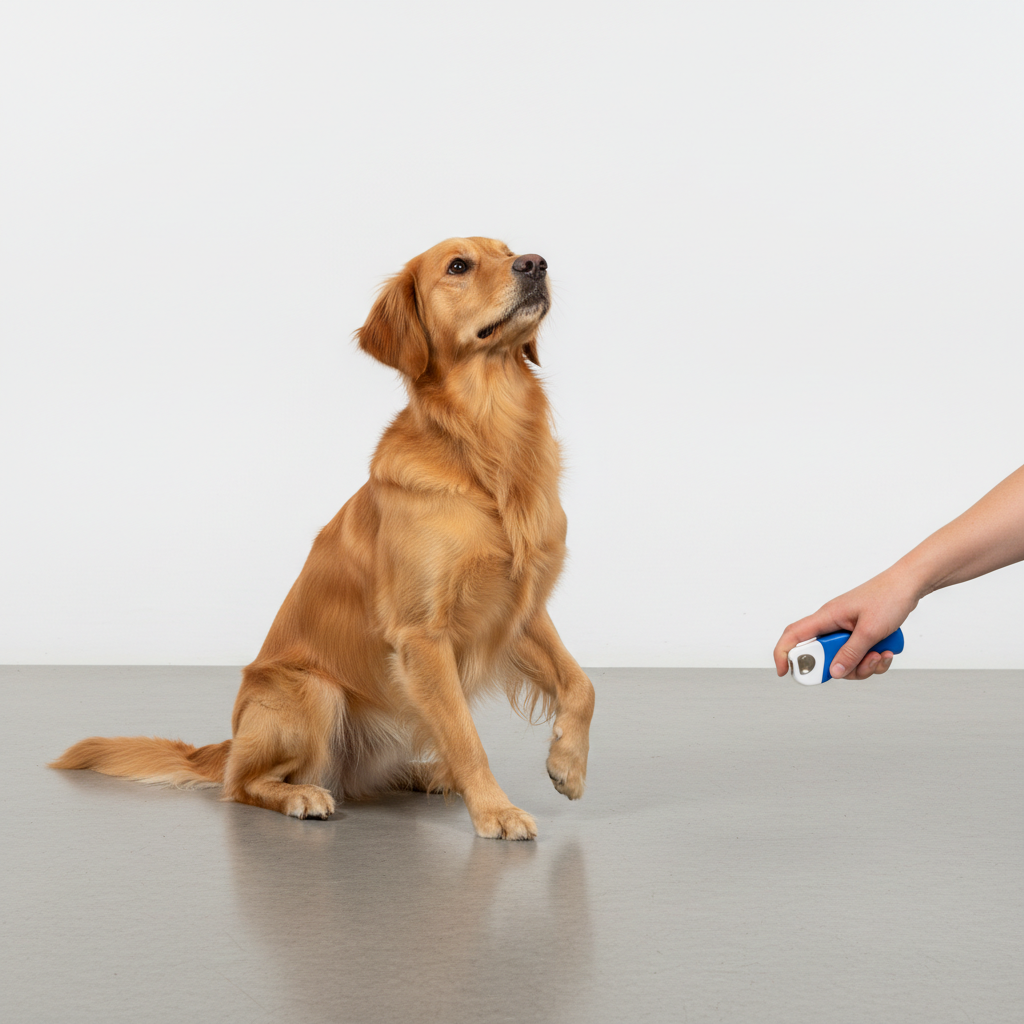
Now that the language is established, you can start ‘capturing’ behaviors. This is where the ‘cheat code’ aspect truly shines. You don’t need to physically manipulate the dog; you simply wait for them to make the right choice and mark it.
For example, to teach Eye Contact:
- Stand still and ignore your dog.
- The moment the dog looks at your eyes, click.
- Immediately hand over a treat.
- Look away again.
- Repeat.
The dog will quickly realize, ‘Looking at the human makes the magic sound happen.’ You can apply this to sitting, lying down, or even complex tricks. By marking the behavior the instant it happens, the dog becomes an active participant in the learning process, trying to figure out what triggers the click.
Troubleshooting: Common Mistakes to Avoid
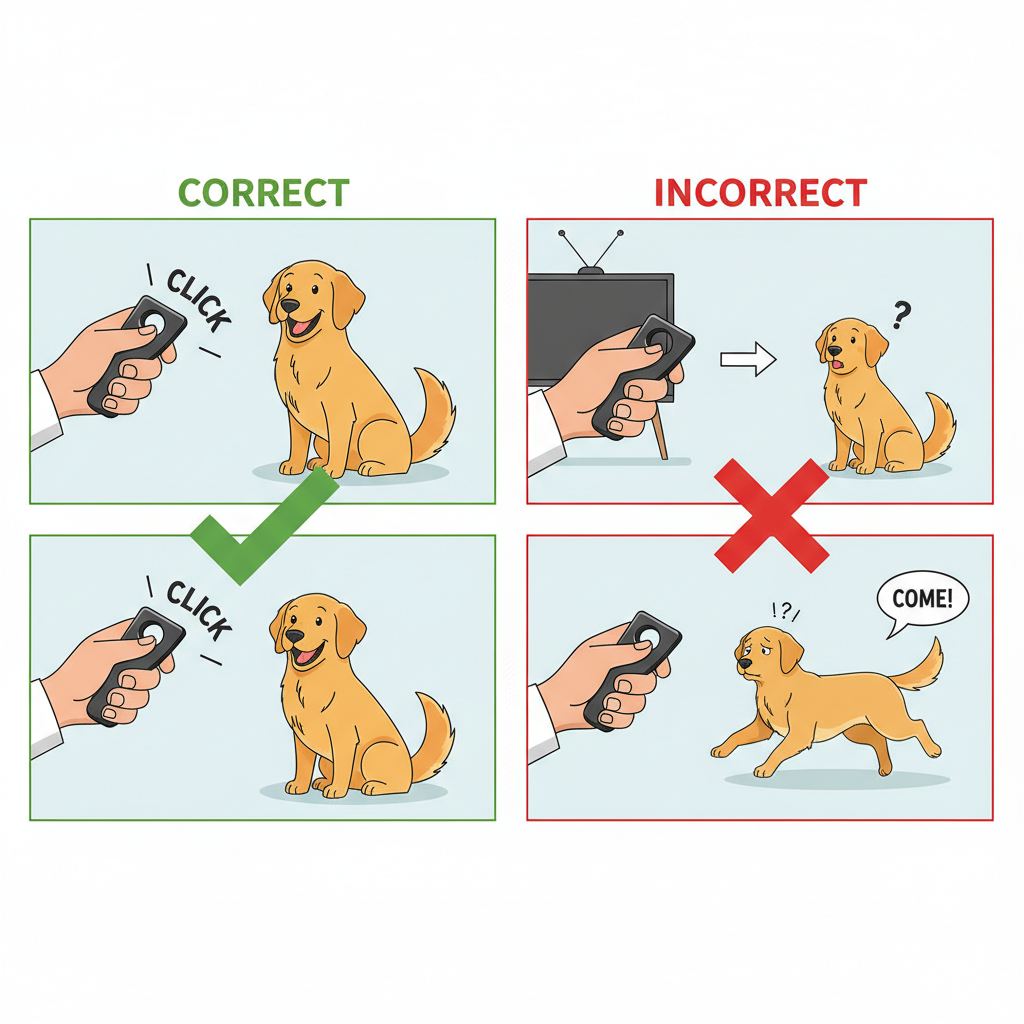
Even with a method this robust, human error can impede progress. Avoid these common pitfalls to ensure your dog remains obedient and engaged.
- The Remote Control Error: Never use the clicker to get the dog’s attention. The click marks the end of a behavior, not the start. Clicking to get a dog to look at you devalues the sound.
- Timing Lag: If you click two seconds after the dog sits, you might be clicking them for looking away or scratching their ear. The click must be simultaneous with the action.
- The ‘No Treat’ Click: Never click without treating. Even if you clicked by accident, you must pay the dog. The click is a contract; if you break the promise of a reward, the sound loses its power.
- Fading Too Fast: Do not stop using the clicker until the behavior is on a verbal cue and highly reliable. Phasing it out too early can cause the behavior to extinguish.
Conclusion: The Path to a Thinking Dog
Clicker training is more than just a method for teaching tricks; it is a philosophy of communication that fosters trust and clarity. By utilizing this ‘cheat code,’ you are not merely forcing compliance; you are shaping a ‘thinking dog’ who actively tries to understand and please you. While it requires practice to master the mechanical skills of timing and observation, the result is a confident, obedient companion who views training not as a chore, but as an engaging game to be won. Start loading your clicker today, and watch your dog’s potential unlock before your eyes.