Viral Video Trick: How To Teach Your Dog To Play The Piano
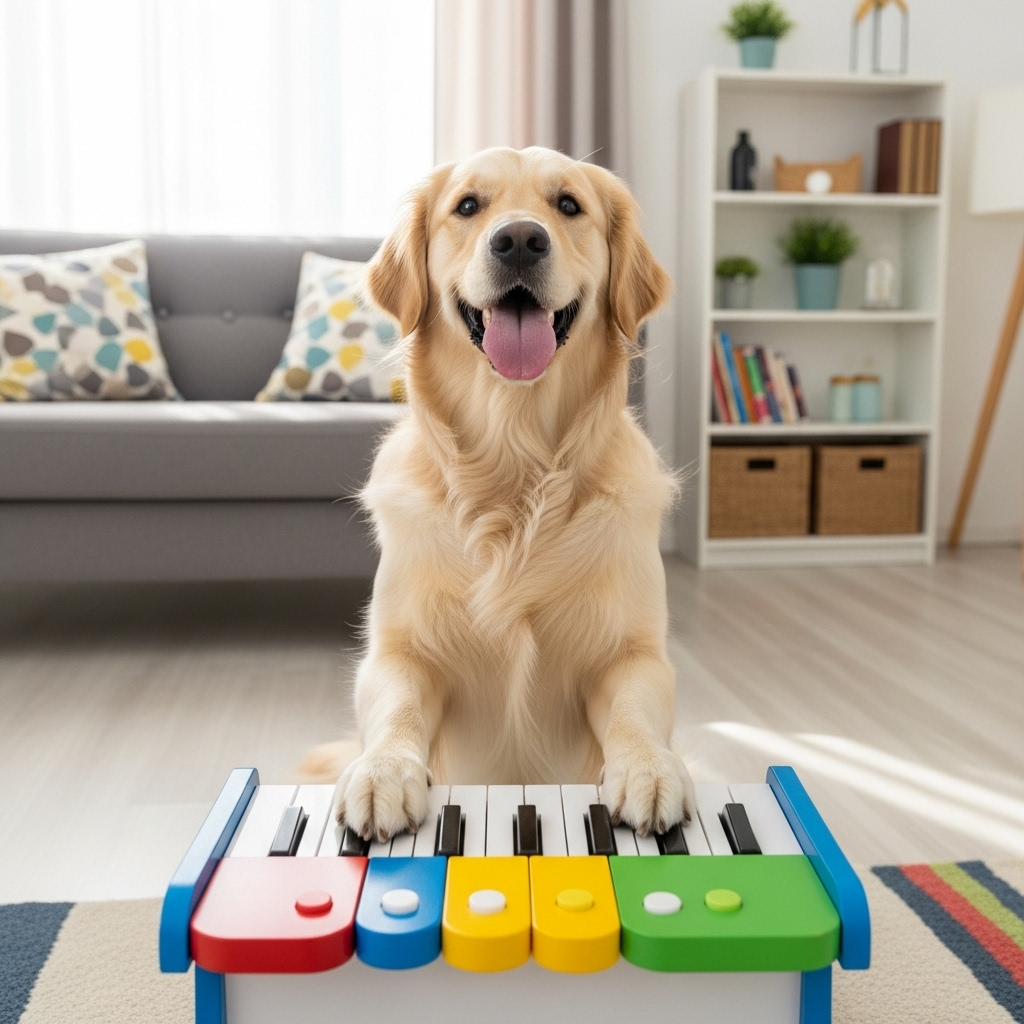
Scroll through social media, and you’re bound to see it: a talented pup tickling the ivories, creating a masterpiece of delightful (and sometimes chaotic) music. It’s cute, it’s funny, and it looks incredibly difficult to teach. But what if I told you that teaching your dog to play the piano is not only possible but also a fantastic way to bond with your pet and give their brain a workout?
Forget about creating the next Canine Chopin. The goal here is fun, engagement, and strengthening your relationship through the power of positive reinforcement. This trick is all about clever training, patience, and celebrating the small wins. So, if you’re ready to unlock your dog’s hidden musical genius and create your own viral-worthy moment, let’s get started!
Gearing Up for Your Canine Concert: What You’ll Need
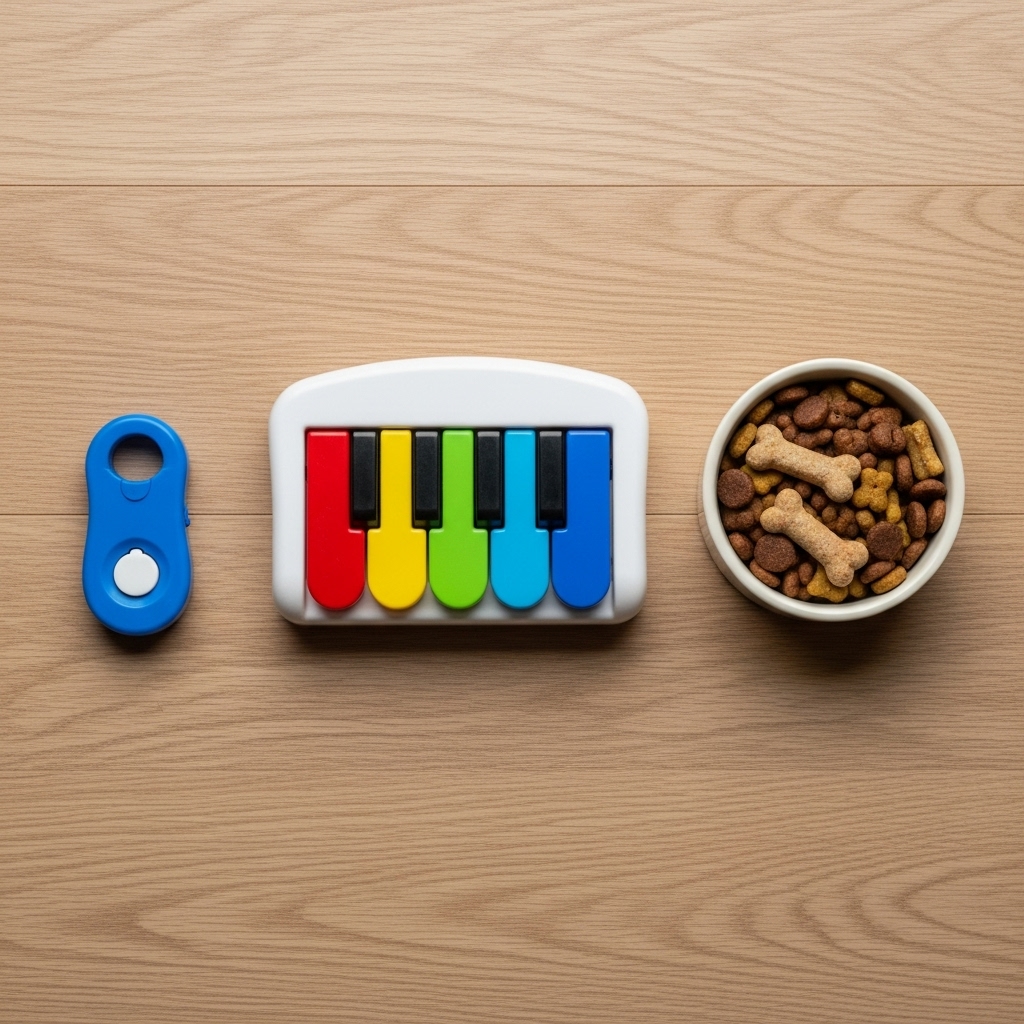
Before you can host your first doggy recital, you’ll need to gather a few essential supplies. The good news is, you don’t need a grand piano or any fancy equipment. Simplicity is key!
The Performer’s Toolkit:
- A Dog-Friendly ‘Piano’: You don’t need a Steinway for this! A small, sturdy electronic keyboard or even a large-keyed children’s toy piano is perfect. The most important thing is that it’s low to the ground and won’t tip over when your dog interacts with it. Ensure it makes a sound with a light touch.
- High-Value Treats: This is the secret weapon. Standard kibble might not cut it. Think small, delicious, and super motivating morsels like tiny pieces of cooked chicken, cheese, or their absolute favorite store-bought training treats. The goal is to make them say, ‘Wow, I’ll do anything for that!’
- A Clicker (Optional, but Recommended): A clicker is a fantastic tool for marking the exact moment your dog does the right thing. This precision helps your dog understand precisely what action earned them the reward. If you’re new to clicker training, don’t worry—it’s easy to learn!
- Patience and a Positive Attitude: This is the most crucial item on the list. Training should always be fun. Keep your sessions short (5-10 minutes is plenty), stay upbeat, and be ready to celebrate every tiny step forward. Your dog feeds off your energy!
Expert Tip: When choosing a keyboard, look for one with touch-sensitive keys if possible. This means even a gentle paw press will be rewarded with a sound, which is exactly what we want to encourage.
The Step-by-Step Overture: From Curiosity to ‘Chopsticks’
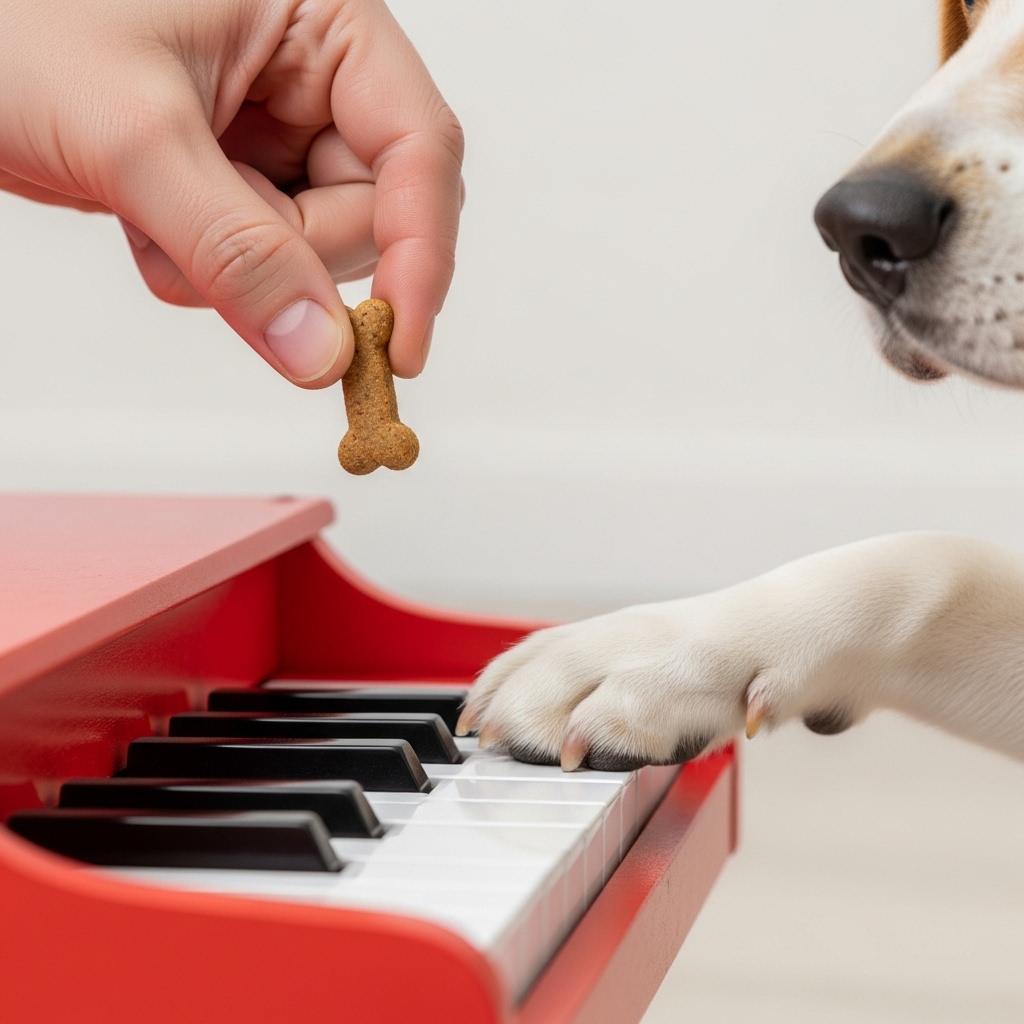
Alright, the stage is set, and your star is ready. Remember, we’re going to build this behavior one tiny piece at a time. This process is called ‘shaping,’ and it’s all about rewarding successive approximations of the final goal. Let’s break it down.
- Step 1: Introduce the Instrument. Place the piano on the floor and just let your dog check it out. Don’t ask for anything yet. If they sniff it, look at it, or even walk near it, click and treat! We want them to form a positive association with this new object. Make the piano the coolest thing in the room.
- Step 2: Teach a Paw Target. Before we can ask them to touch the piano, we need to teach them to touch something else with their paw. Hold your flat palm out to your dog. The moment their paw touches it (even by accident), click and give a huge reward. Repeat this until they are deliberately booping your hand with their paw. This is a foundational skill for so many fun tricks!
- Step 3: Transfer the Target to the Piano. Now, hold your hand directly on top of one of the piano keys. Ask for the paw touch. When your dog touches your hand, their paw will also press the key and make a sound. Jackpot! This is a huge moment, so celebrate with lots of praise and treats. They are now connecting their action with the sound.
- Step 4: Fade the Target. Once your dog is confidently touching your hand on the keys, start making your hand ‘smaller.’ Curl your fingers up so only a couple are on the key, or use a sticky note as the target instead of your whole hand. The goal is to gradually remove the guide until your dog is pressing the key without your hand being there at all. Reward any attempt to touch the key directly.
- Step 5: Add the Verbal Cue. When you’re pretty sure your dog is about to press a key, say your chosen cue word. It could be ‘Play,’ ‘Piano,’ or ‘Music!’ Say the cue, and as soon as they perform the action, click and treat. Repetition will link the word to the action.
- Step 6: Encourage Exploration. Once they have mastered one key, you can encourage them to play others. You can do this by briefly placing your target hand on a different key or simply rewarding them enthusiastically whenever they happen to press a new one on their own.
Encore! Troubleshooting Common Issues and Polishing the Performance
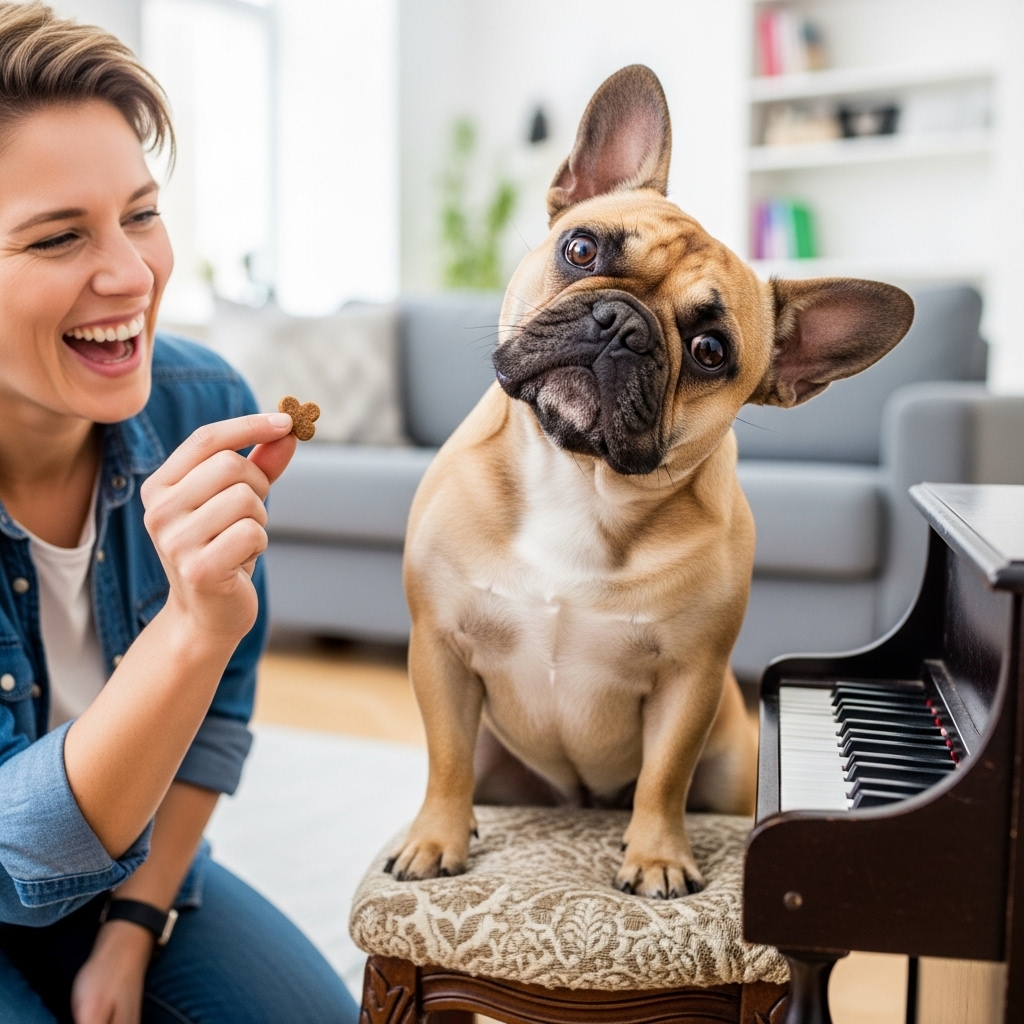
Even the most talented performers hit a snag during rehearsals. If you run into a little trouble, don’t get discouraged! It’s a normal part of the training process. Here are some common issues and how to solve them.
Common Stage Fright Scenarios:
- ‘My dog is scared of the piano’s sound.’ This is very common. If the noise startles your dog, you can muffle the sound with a blanket at first. Or, even better, start with the keyboard turned off. Just reward them for touching the silent keys. Once they are comfortable with the physical action, you can introduce the sound at a very low volume.
- ‘My dog keeps using their nose instead of their paw.’ No problem! This just means you need to work more on the ‘paw target’ from Step 2, away from the piano. Make it a super fun game to touch your hand with their paw. Once that is rock solid, reintroduce the piano. You can also try holding the treat in a way that makes it awkward for them to use their nose, encouraging a paw instead.
- ‘My dog gets bored and walks away.’ This is a clear sign that your training sessions are too long. For a complex trick like this, sessions should be as short as 2-3 minutes, especially at the beginning. Always end on a high note when your dog has just succeeded and is still engaged. This leaves them wanting to play again next time!
- ‘My dog is just bashing the keys wildly.’ At first, any interaction is great! But if you want to refine the performance, you can start being more selective with your clicks. Only click and treat for the gentler, more deliberate paw presses. Over time, your dog will learn that a softer touch is what earns the reward.
More Than Just a Viral Video: The Benefits of Trick Training
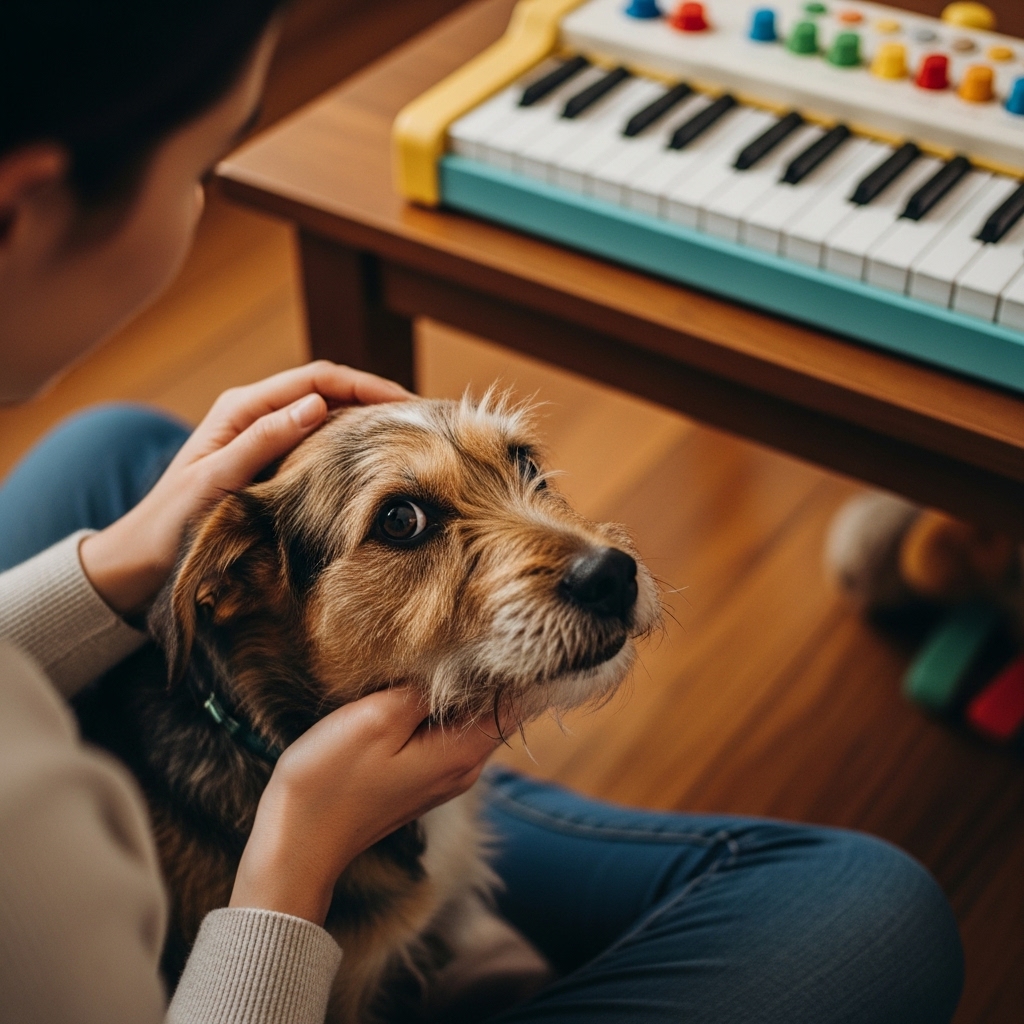
Teaching your dog to play the piano might seem like a silly, frivolous activity, but the benefits run much deeper than just getting likes on Instagram. Engaging your dog’s brain with positive reinforcement training is one of the best things you can do for their overall well-being.
Why Brain Games Matter:
- Busts Boredom: A bored dog is often a destructive dog. Mental stimulation, like learning a new trick, tires a dog out just as much as physical exercise and helps prevent behaviors like chewing and excessive barking.
- Builds Confidence: For dogs that are shy, anxious, or fearful, learning and succeeding in training can be a massive confidence booster. Every time they figure out a puzzle and earn a reward, they learn that trying new things is safe and fun.
- Strengthens Your Bond: Training is a two-way street of communication. When you work together to achieve a goal, you’re building trust and deepening your connection. Your dog learns to look to you for guidance, and you learn to better understand their signals.
- Improves Overall Trainability: The skills your dog learns while mastering the piano—like targeting and focus—are transferable to other types of training, from basic obedience to more complex dog sports. It teaches them *how* to learn.
Think of trick training as a fun cross-training exercise for your dog’s mind. It keeps them sharp, happy, and more connected to you, their favorite person in the world.
Conclusion
There you have it—your complete guide to transforming your pup from a furry friend into a musical prodigy! Remember, the most important instruments in this orchestra are patience and positivity. Every dog learns at a different pace, so celebrate the small victories and focus on the fun you’re having together. Whether your dog learns to play a single, dramatic note or a flurry of chaotic keys, the real prize is the time you spend together, strengthening your incredible bond. Now go make some beautiful, and probably hilarious, music!