Viral Trick Alert: How to Safely Teach Your Dog to Jump Into Your Arms
Scroll through any social media feed, and you’re bound to see it: the ultimate display of canine trust, the ‘flying hug.’ A dog takes a running start and leaps into its owner’s arms. It looks amazing, and it’s a testament to a powerful bond. If you’re thinking, ‘I want to teach my dog that!’ you’ve come to the right place.
While this trick is a fantastic bonding experience, it’s not one to be taken lightly. It requires strength, trust, and proper technique from both human and dog to avoid injury. In this guide, we’ll break down how to teach this impressive feat safely. We’ll cover everything from determining if your dog is a good candidate to the step-by-step training process and crucial safety protocols. Let’s get started on this fun journey, the right way!
First Things First: Is This Trick Right for Your Dog?
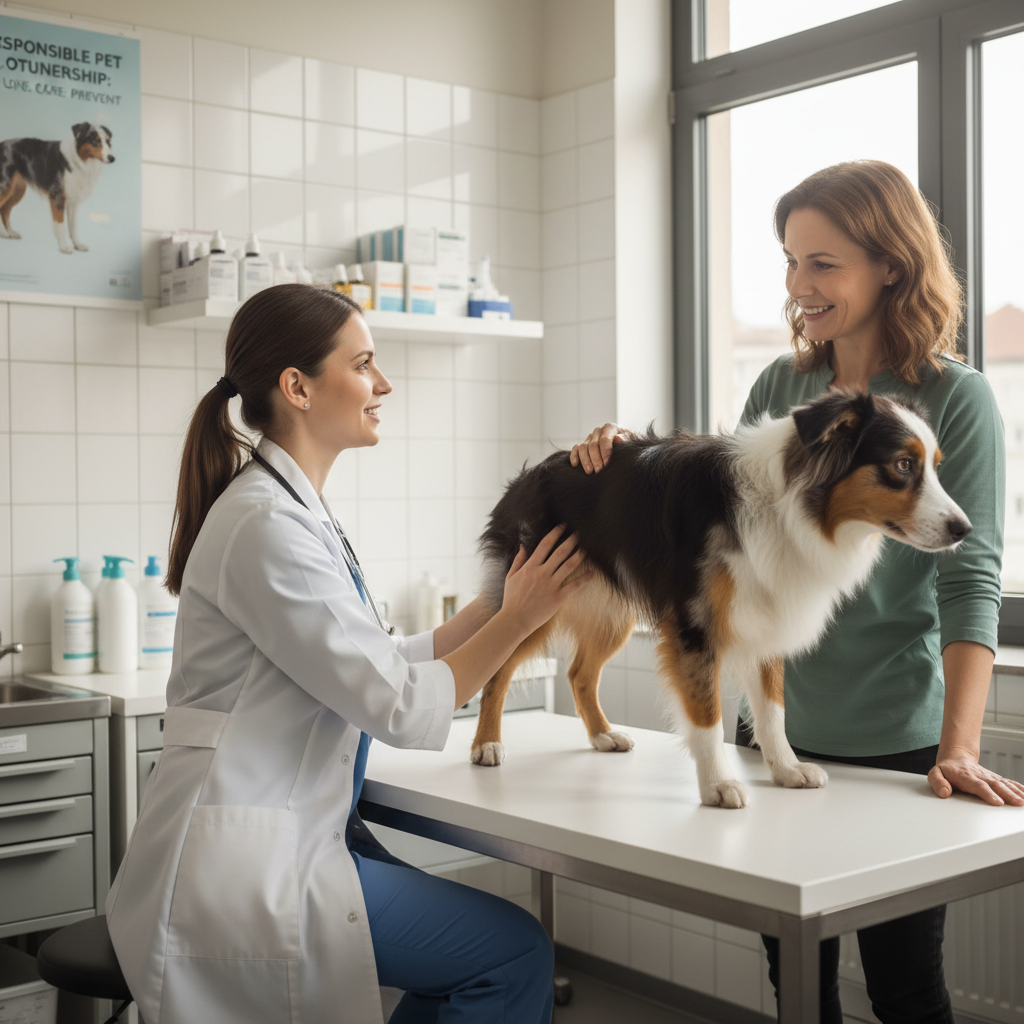
Before you even grab the first treat, we need to have a serious chat about whether this trick is appropriate for your specific dog. Not every dog is a candidate, and forcing it can lead to physical injury or create fear and anxiety. It’s our job as responsible owners to know our dog’s limits.
Key Considerations:
- Size and Breed: This trick is generally safest for small to medium-sized dogs (under 40-50 pounds). Attempting this with a large or giant breed like a Great Dane or Mastiff puts immense strain on your back and joints, and creates a higher risk of you dropping them.
- Age: Puppies whose growth plates haven’t closed (typically under 12-18 months) should not do this trick. The high impact can cause long-term joint damage. Likewise, senior dogs, who may have arthritis or decreased muscle mass, should enjoy their retirement on the ground.
- Health and Physical Condition: A clean bill of health from your vet is a must. Dogs with a history of back problems (like Dachshunds), hip or elbow dysplasia, luxating patellas, or any other joint issues are not candidates. Your dog should be at a healthy weight to reduce impact.
- Temperament: Is your dog naturally confident or a bit timid? A nervous dog might find the act of jumping and being caught frightening. This trick is best for dogs who are naturally athletic, confident, and have a strong foundation of trust with you.
Expert Tip: When in doubt, always consult your veterinarian. They can assess your dog’s physical structure and health to give you the green light or advise against this particular activity.
The Step-by-Step Guide to the ‘Flying Hug’
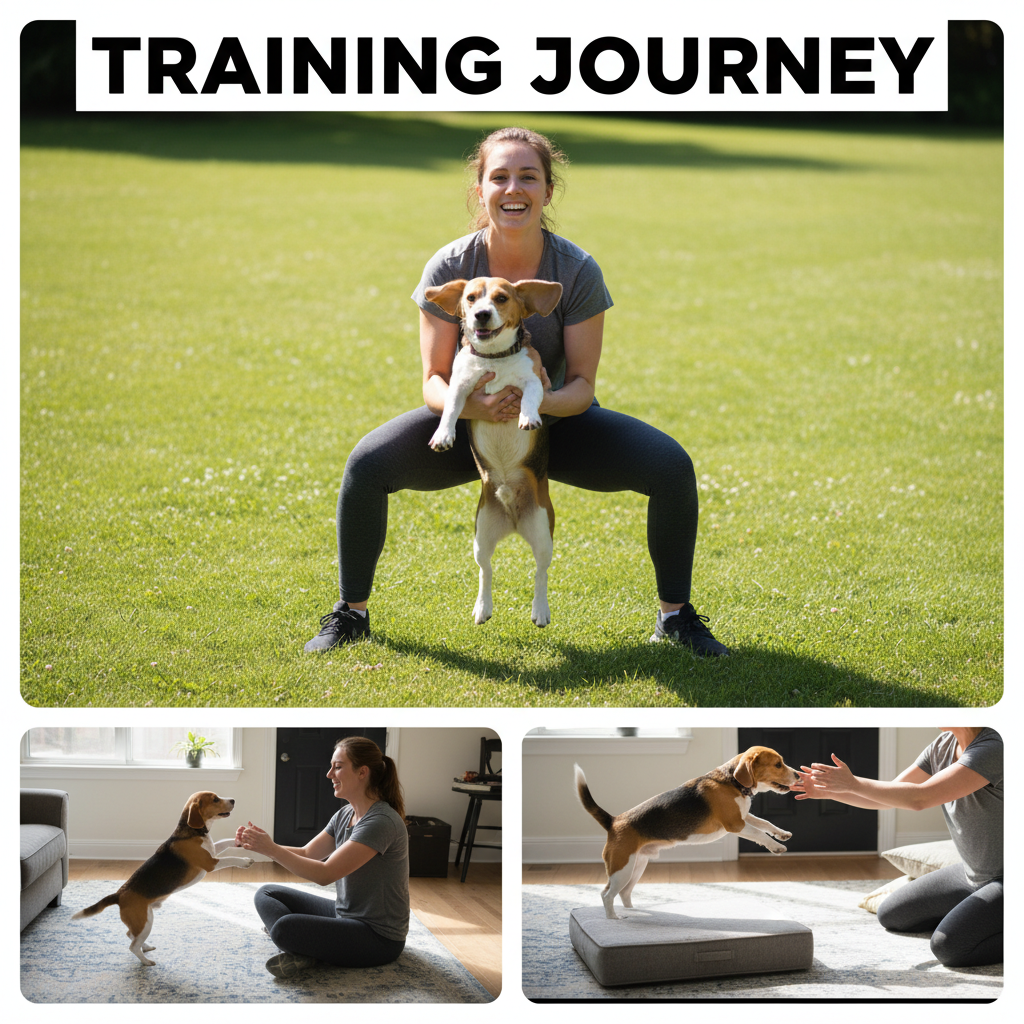
Ready to begin? Remember, patience is your best friend here. This process could take days, weeks, or even months. Keep your training sessions short (5-10 minutes) and always end on a positive note. You’ll need some high-value treats—think tiny pieces of chicken, cheese, or their absolute favorite snack!
- Step 1: The Lap Lure. Start on the floor. Sit down with your legs crossed and use a treat to lure your dog into your lap. When they put their front paws on you, say “Yes!” and give them the treat and lots of praise. Practice this until they are happily hopping into your lap without hesitation.
- Step 2: Introduce a Low Platform. Now, find a low, stable object, like a sturdy ottoman, a single porch step, or even a large, firm cushion. Sit on the floor in front of it and encourage your dog to jump onto the object first, and then into your arms. This gets them used to the idea of jumping up and over to get to you.
- Step 3: From Your Knees. Move to a kneeling position on a soft surface like grass or a thick rug. Use the same luring motion to encourage your dog to place their paws on your shoulders and then push off into your arms. At this stage, you’re barely catching them—more like guiding them into a hug. Introduce your verbal cue here, such as “Hugs!” or “Up!” As soon as they make the small hop, reward them enthusiastically.
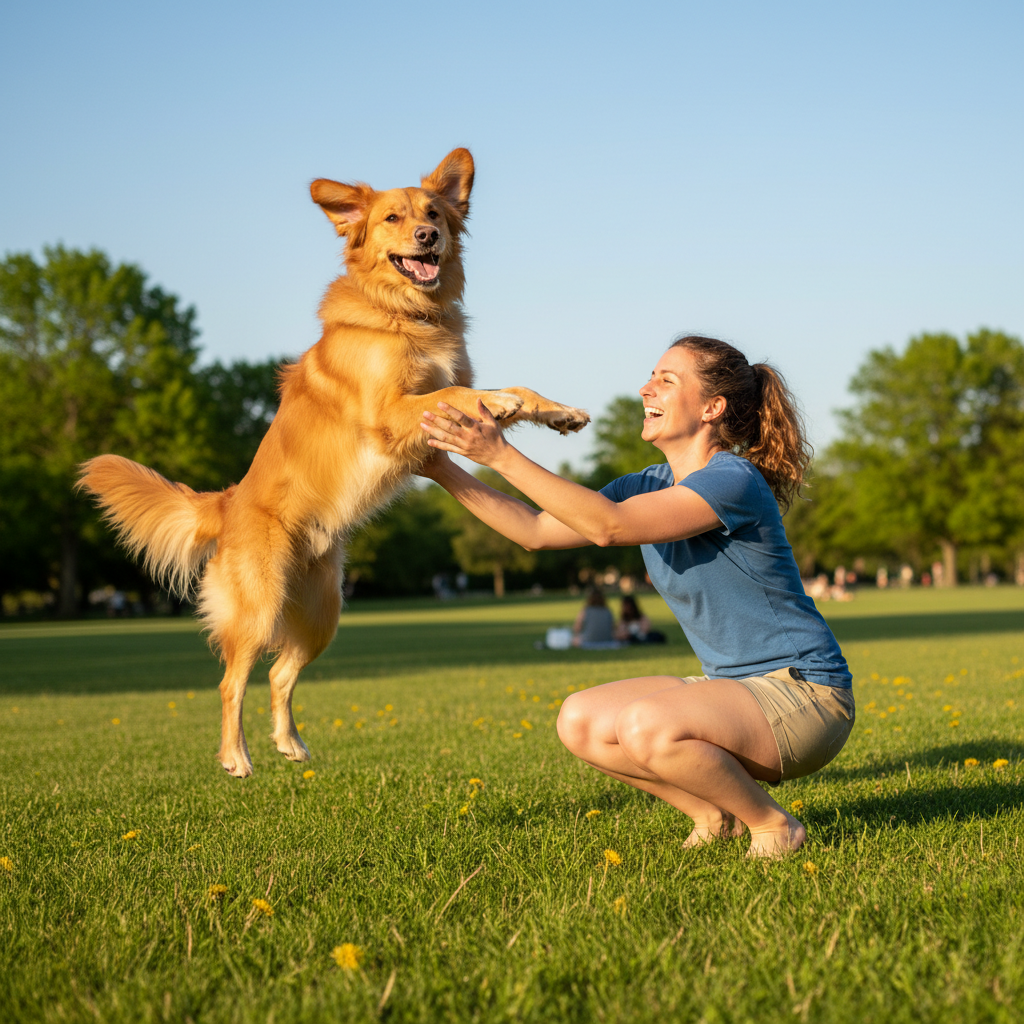
- Step 4: The Low Crouch. This is where it starts to look like the real trick. From a low, athletic crouch (like a baseball catcher), pat your chest and use your cue. Your dog should only be a few feet away. As they jump, your job is to absorb the impact with your arms and legs, guiding them securely against your chest. Think of it as catching a delicate, furry football.
- Step 5: Gradually Increase Distance. Only when you and your dog are 100% confident with the low crouch should you add a little distance. Start with just one or two steps away. Never make it a massive, running leap from across the yard. The goal is a controlled, close-range jump.
Safety First: The Do’s and Don’ts of the Jump
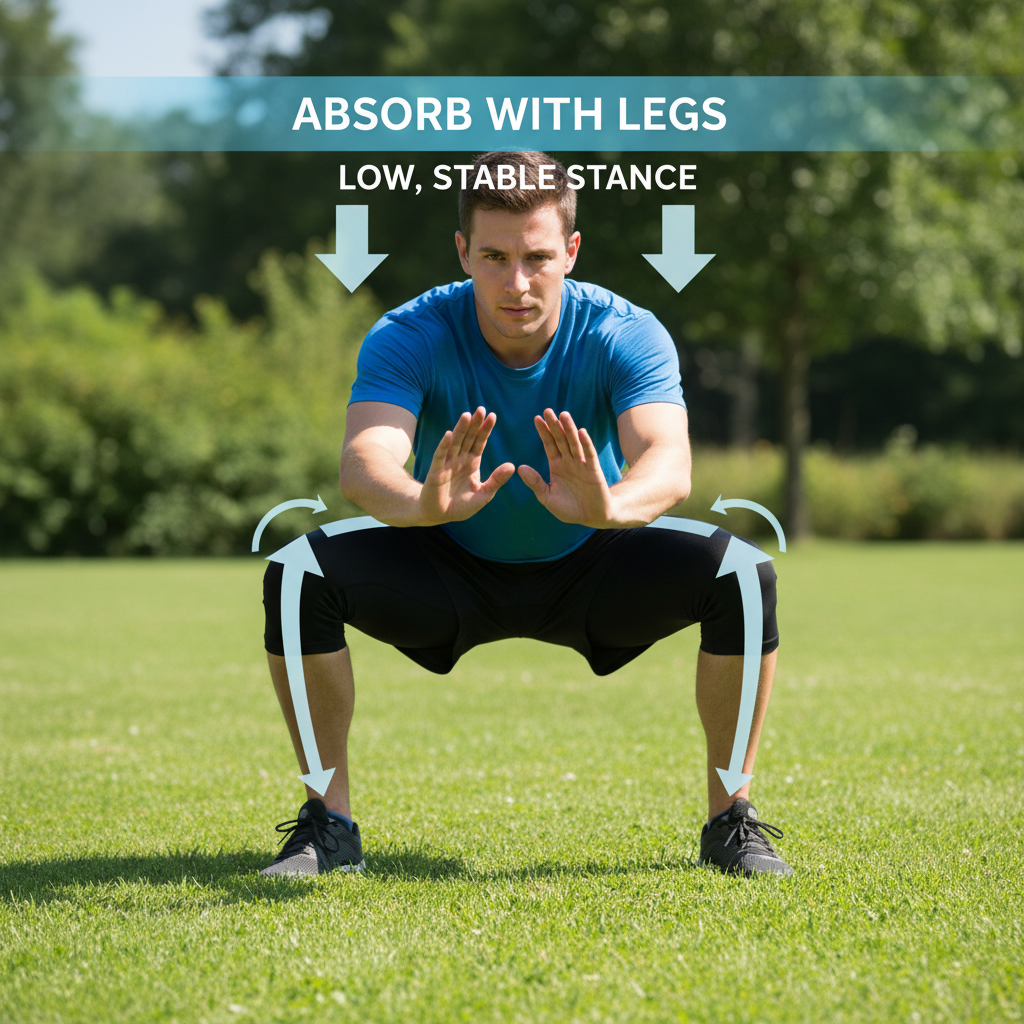
Executing this trick safely is non-negotiable. One wrong move can lead to a serious injury for your dog or you. Keep these rules in mind every single time you practice.
| Do’s | Don’ts |
|---|---|
| DO always practice on a soft surface like grass, sand, or a thick carpet. | DON’T ever practice on concrete, tile, or hardwood floors. |
| DO bend your knees and use your legs to absorb the impact. | DON’T catch with a stiff body or just with your arms. |
| DO keep your hands and arms ready to securely support their chest and rear end. | DON’T let your dog dangle or land awkwardly. |
| DO keep training sessions short and fun to avoid fatigue. | DON’T force your dog if they seem hesitant, tired, or scared. |
| DO ensure your dog has trimmed nails to avoid scratching you. | DON’T allow small children to try and catch the dog. |
Troubleshooting Common Hiccups
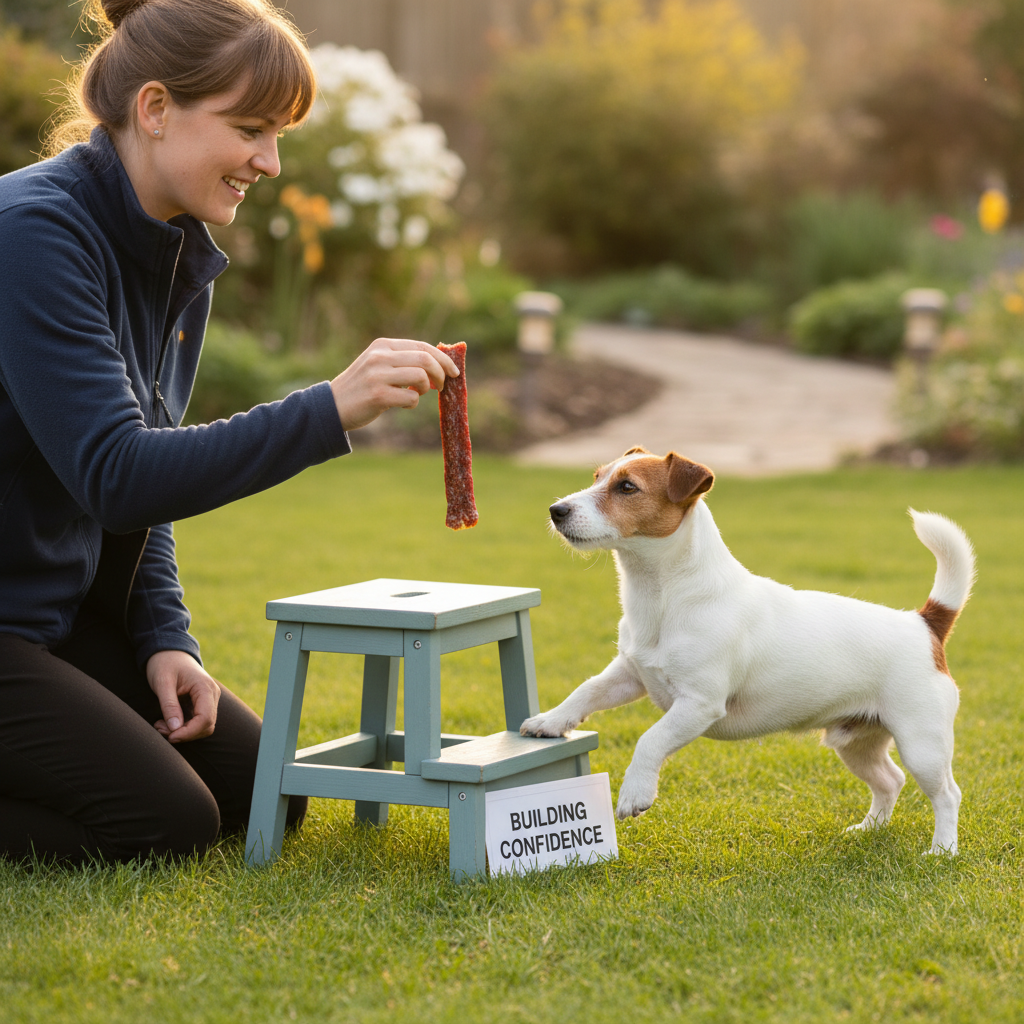
It’s not always a smooth process. Hitting a snag is normal! Here’s how to handle a few common challenges you might face.
My dog is hesitant to jump.
Hesitation is often a sign of uncertainty or fear. Never push them. Go back a step to where they were successful and confident. If they were great at jumping from the ottoman but are hesitant from a kneeling position, spend a few more sessions just on the ottoman. Make it the best game ever with lots of treats and praise. You can also try using a more exciting, higher-value treat to boost their motivation.
My dog jumps too early or aims poorly.
This usually happens when a dog is overexcited. It can be dangerous as they might miss you or knock you off balance. To fix this, shorten the distance significantly—go back to being just a foot or two apart. Work on a solid ‘wait’ command before you give the ‘hugs!’ cue. This teaches them impulse control. Reward only the calm, well-aimed jumps.
I’m nervous about dropping my dog!
Your nervousness can travel right down the leash (or through the air!) to your dog. If you’re anxious, they will be too. It’s perfectly okay to feel this way! Build your own confidence by starting small. Ask another person to act as a ‘spotter’ for the first few attempts. You can even practice your catching form with a stuffed animal or a sandbag of a similar weight to get comfortable with the motion. Your confidence is just as important as your dog’s.
Conclusion
Teaching your dog to jump into your arms can be an incredibly rewarding experience that showcases the amazing trust and communication you share. It’s more than just a cool trick; it’s a conversation between you and your best friend. But like any good conversation, it requires listening, patience, and putting their well-being first.
By following these steps, prioritizing safety, and truly understanding your dog’s physical and emotional limits, you can work towards mastering this ‘flying hug’ together. Remember to celebrate the small victories, keep it positive, and enjoy the process. The bond you build along the way is the real prize, and a safe, happy, and healthy dog is the ultimate goal.