Vet Visits Made Easy: Teach Your Dog to Love the Scale
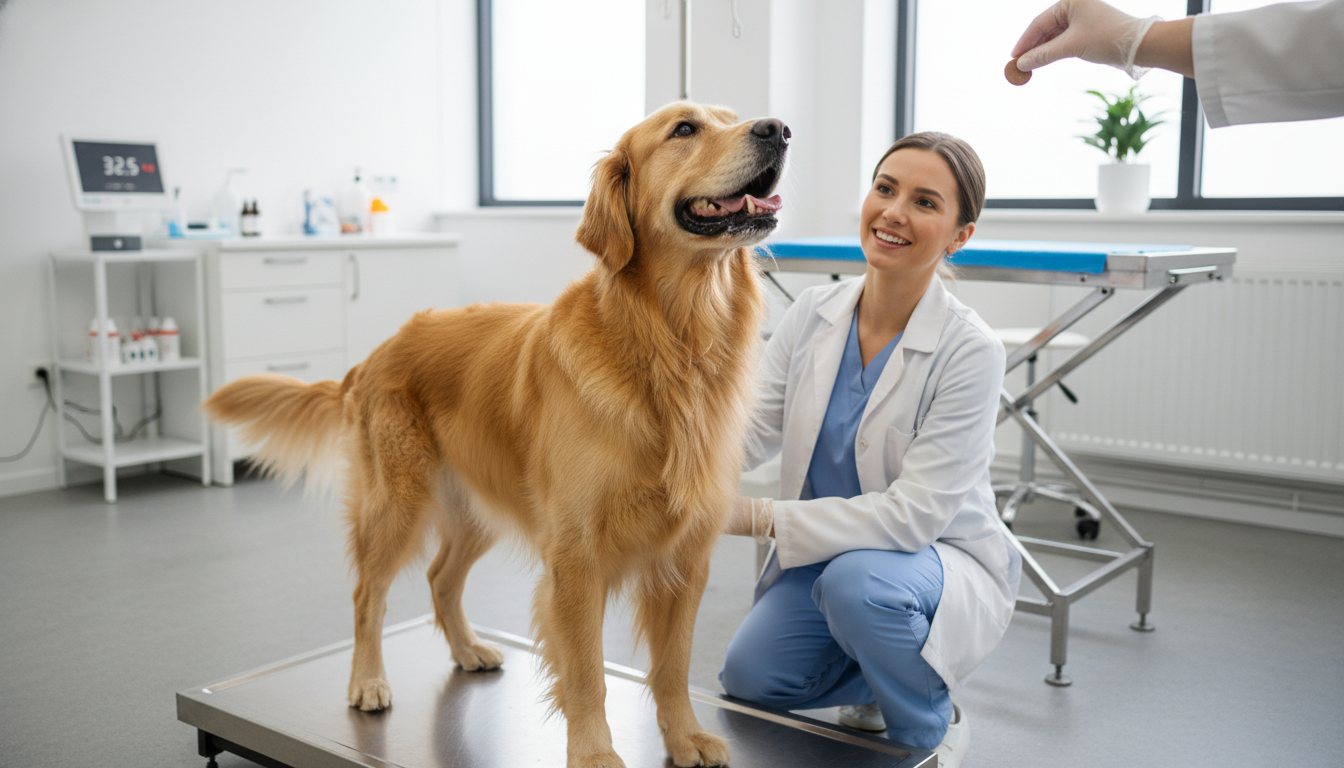
For many dog owners, the trip to the veterinary clinic begins with a struggle at the front door and escalates the moment the dog sees the scale. The veterinary scale is often the first interaction a dog has upon entering the clinic, and a negative experience here can set the tone for the entire appointment. If your dog puts on the brakes, scrambles to get off, or freezes in fear, they are already in a state of high stress before the veterinarian even enters the room.
However, accurate weight measurement is critical for your dog’s health. It determines medication dosages, anesthesia protocols, and helps track body condition over time. As a canine specialist, I advocate for Cooperative Care—training animals to participate willingly in their medical handling. By teaching your dog to view the scale as a rewarding place rather than a scary platform, you can significantly reduce anxiety for both you and your pet.
This guide will walk you through the psychology behind why dogs fear the scale and provide a structured, step-by-step training protocol to turn this metal platform into a place of positivity and rewards.
Understanding the Fear: Why Dogs Hate the Scale
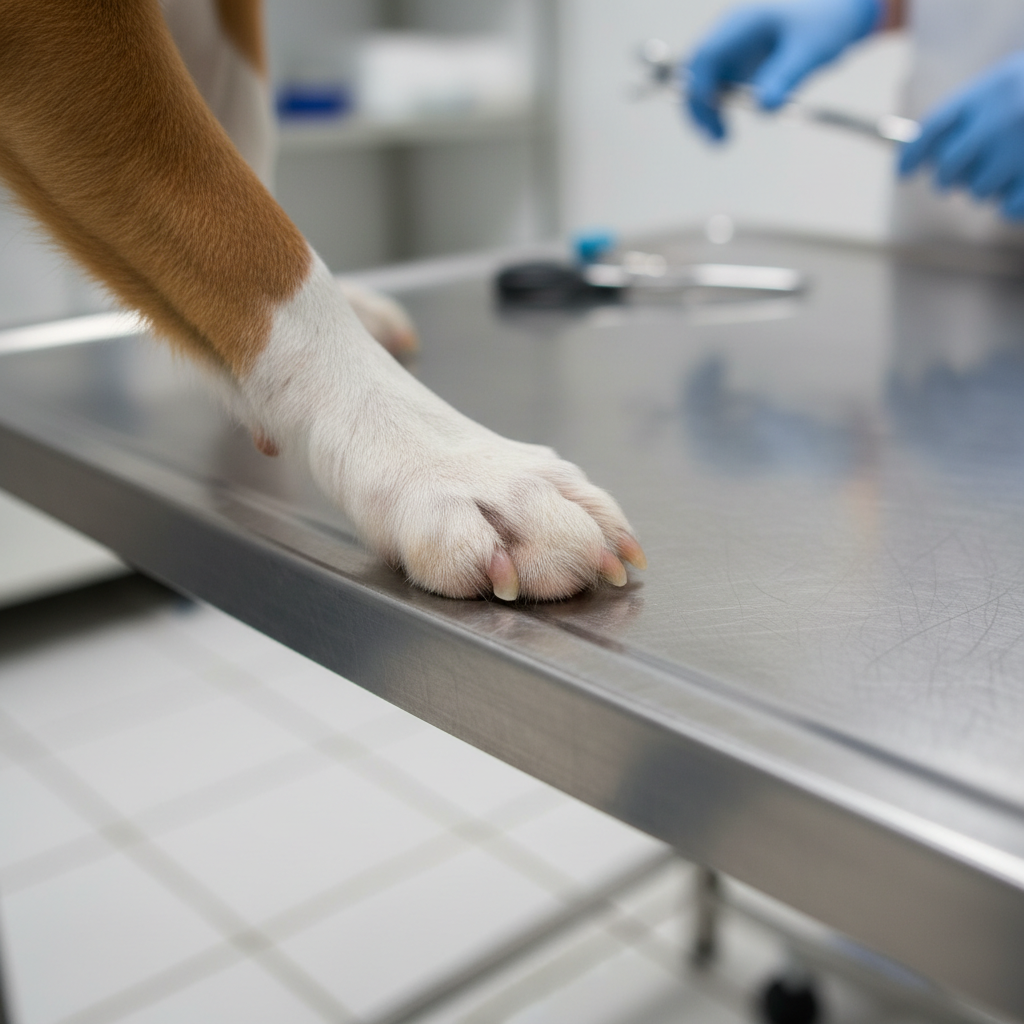
To solve the problem, we must first understand the dog’s perspective. To us, it is just a flat surface; to a dog, the veterinary scale presents a trifecta of sensory challenges that trigger their fight-or-flight response.
- Instability: Many scales wobble slightly when stepped on. This movement underfoot can feel unsafe to a dog, similar to walking on ice or unstable ground.
- Texture and Temperature: The surface is usually cold, slippery metal or rubber. This feels unnatural compared to grass, carpet, or pavement, causing dogs to lose traction and confidence.
- Environmental Context: The scale is located in the vet’s lobby—a high-traffic area filled with the pheromones of other stressed animals, loud noises, and strange smells.
When a dog is forced onto this unstable, slippery surface while already overstimulated, they learn to associate the object with fear. Our goal is to change that association through counter-conditioning and desensitization.
Preparation: Tools for Success
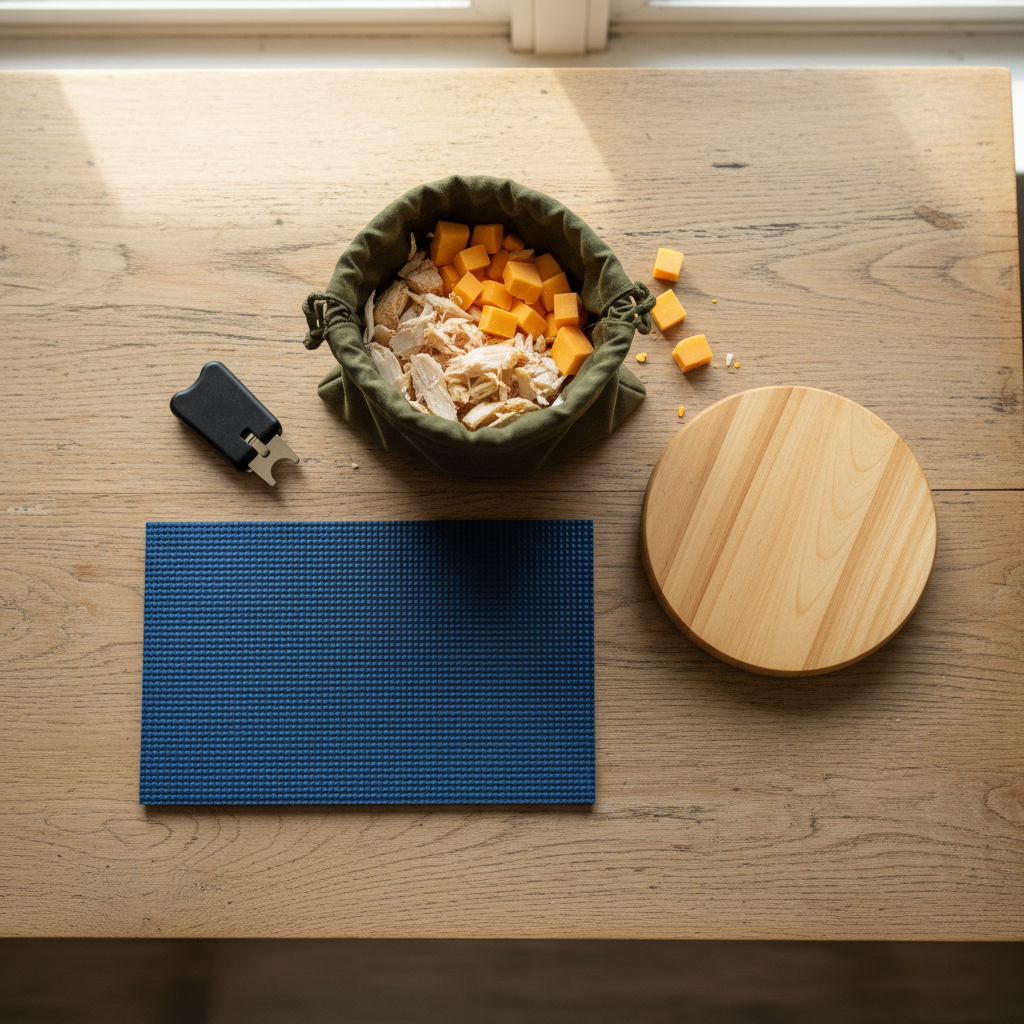
Before attempting to train on an actual scale, you need to gather the right tools to facilitate learning. You cannot force a dog to relax; you must reward them for choosing to engage. Ensure you have the following:
- High-Value Treats: Dry kibble will likely not be enough in a high-distraction environment. Use small pieces of boiled chicken, cheese, or freeze-dried liver. The reward must outweigh the stress of the environment.
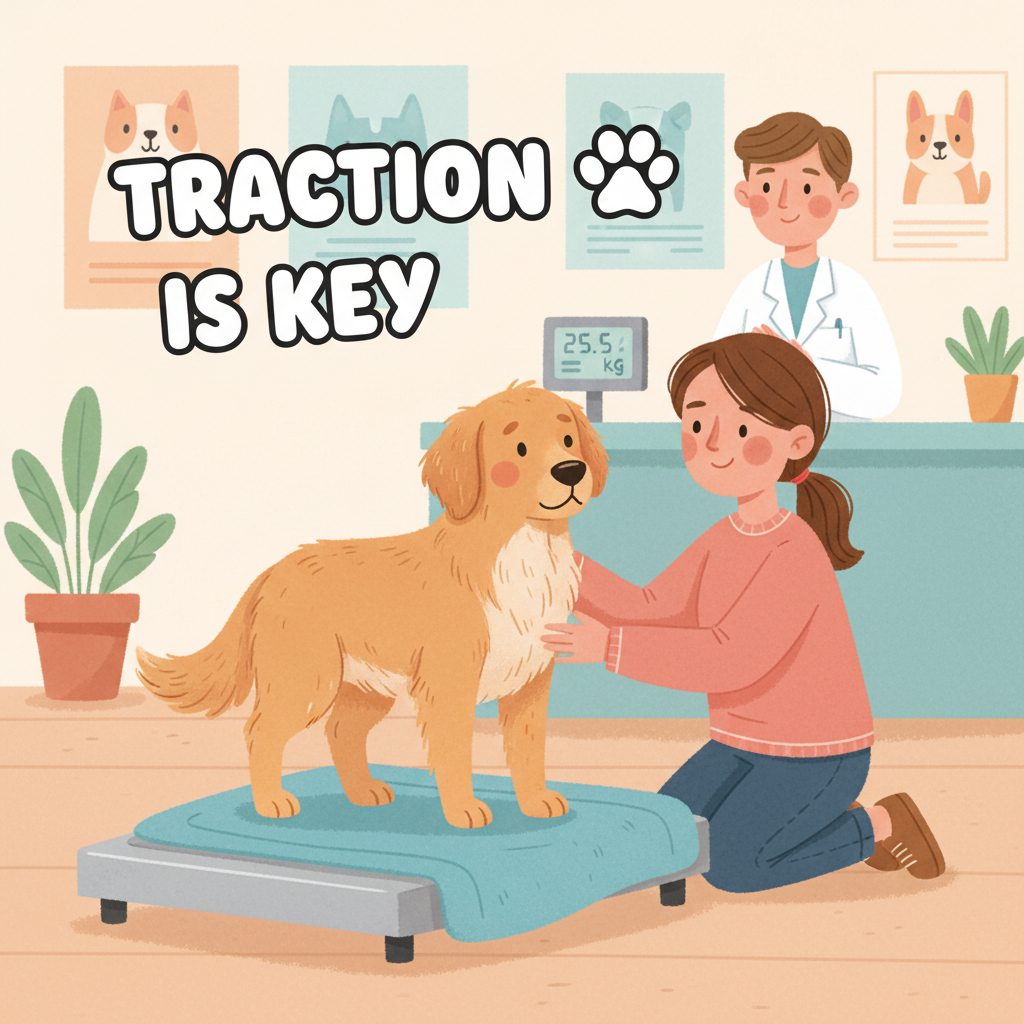
- A Non-Slip Mat: Bring a yoga mat or a rubber-backed bath mat. Placing this over the scale provides traction and eliminates the cold sensation of the metal, making the surface much more inviting.
- A Marker Signal: A clicker or a consistent verbal marker word like "Yes!" to precisely mark the moment your dog performs the correct behavior.
It is also highly recommended to practice "targeting" at home first. Use a low platform, such as a piece of plywood or a fitness stepper, to teach your dog the concept of stepping onto a defined object on command before taking the show on the road.
The Step-by-Step Training Protocol
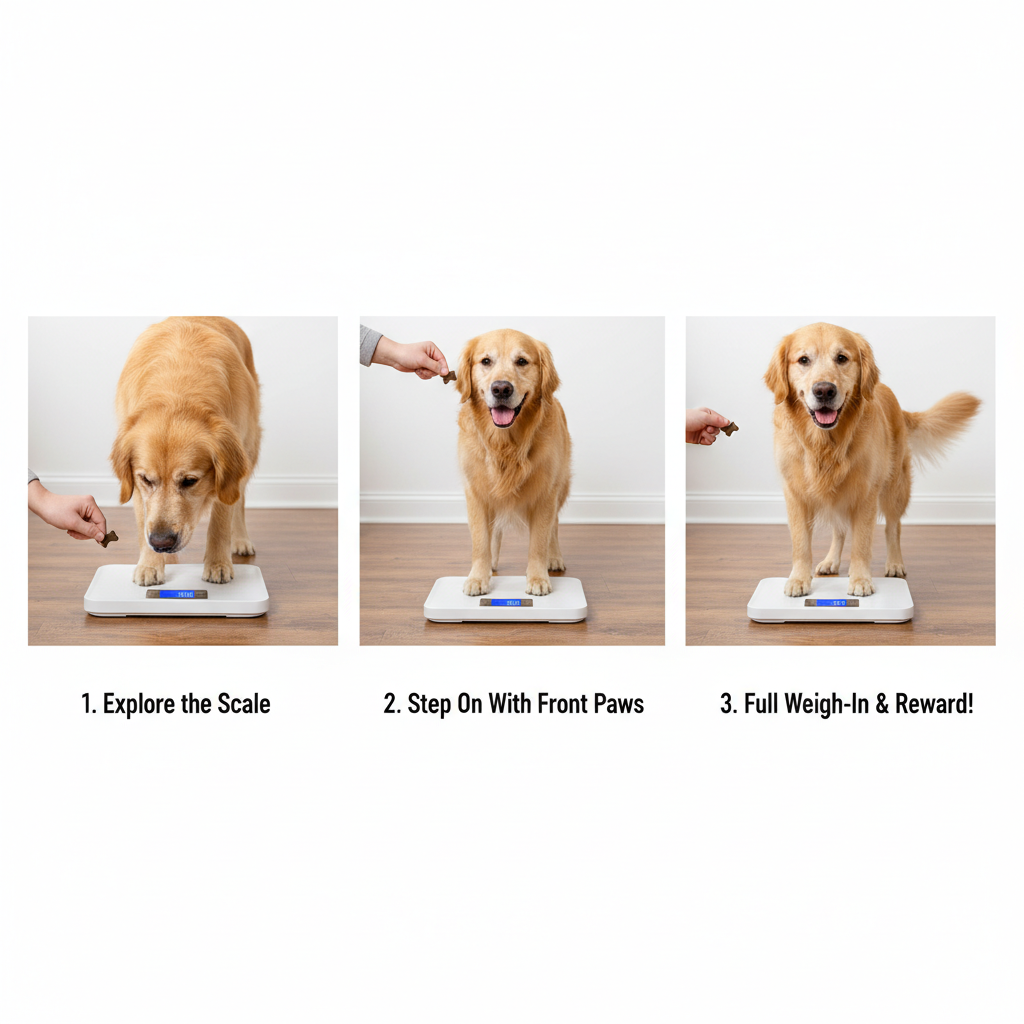
This process relies on shaping, which means rewarding small approximations of the final behavior. Do not rush these steps. If your dog shows signs of stress (lip licking, yawning, looking away), go back to the previous step.
Step 1: Investigation
Walk your dog toward the scale (or your practice platform). Do not ask them to get on. If they look at it or sniff it, mark ("Yes!") and reward. Repeat this until the dog is happily approaching the object in anticipation of a treat.
Step 2: One Paw Interaction
Encourage your dog to interact with the scale. If they place a single paw on the surface, mark and reward heavily. Toss the treat away from the scale to reset the dog, allowing them to choose to approach again. This builds confidence because the dog learns they are free to leave.
Step 3: Two Paws and Stability
Once the dog is consistently placing one paw on the scale, wait for them to place two front paws on it. Reward this position multiple times. This helps the dog get used to any slight wobble the scale might have without fully committing their body weight.
Step 4: All Four Paws
Lure the dog forward so their back legs follow. The moment all four paws are on the scale, deliver a "jackpot" (multiple treats in succession). Do not ask for a "sit" yet; standing is sufficient and often less slippery for the dog.
Step 5: Adding Duration
To get an accurate weight reading, the dog must remain still. Once they are comfortable standing on the scale, delay the reward by one second, then two, then three. Feed them continuously while they are on the scale to create a strong positive association.
Troubleshooting Common Challenges
Even with the best training, setbacks can occur. Here is how to handle common issues during the process:
- The Dog Won’t Take Treats: If your dog refuses food, they are over their threshold of anxiety. Move further away from the scale or leave the clinic lobby entirely. You need to practice in a lower-stress environment before trying the vet’s office again.
- The Scale is Too Slippery: This is the most common barrier. Always ask the clinic staff if you can place your non-slip mat or a towel on the scale. Most veterinary teams will happily accommodate this request as it makes their job easier.
- The Dog Backs Away Immediately: This indicates you moved too fast. Return to Step 2 (front paws only) and build more value there. Do not pull the leash to force them forward; this creates opposition reflex and increases fear.
Pro Tip: Visit the vet clinic for "happy visits" where no exam takes place. Walk in, get on the scale, eat treats, and leave. This teaches the dog that the clinic doesn’t always equal needles and thermometers.
Building Confidence for a Lifetime of Health
Teaching your dog to love the scale is about more than just getting a number; it is about empowering your dog to participate in their own healthcare. By breaking the task down into manageable steps and utilizing positive reinforcement, you transform a scary metal object into a place of reward.
Remember that patience is paramount. Some dogs may conquer the scale in one session, while others may need weeks of practice. The investment you make in this training will pay dividends for the rest of your dog’s life, ensuring that vet visits start on a positive note and that your veterinary team can provide the best possible care based on accurate health data.