Turn Your Dog Into A Mushroom Hunting Machine This Spring
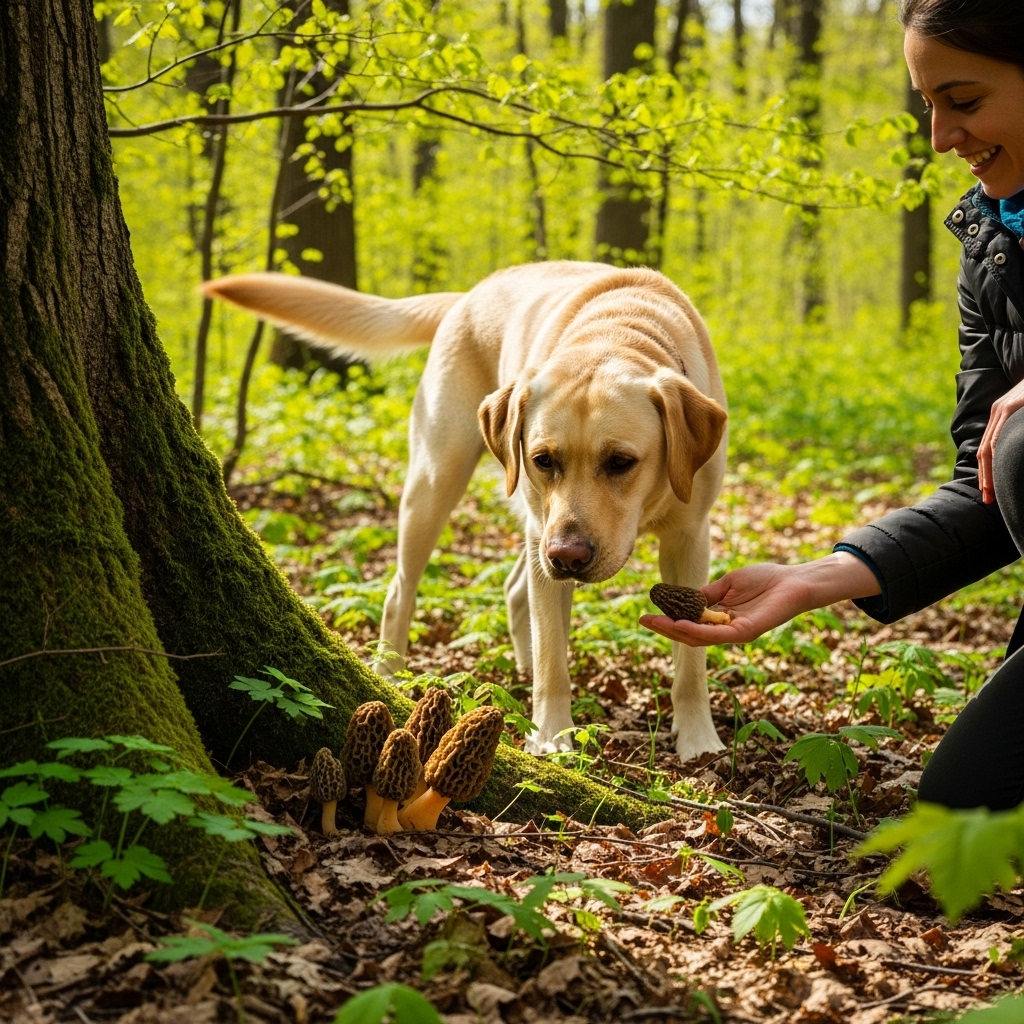
There’s something magical about the first warm days of spring. The world comes alive, and for many, that means it’s time to head into the woods for one of nature’s most delicious treasures: wild mushrooms! Imagine that experience, but now add your best furry friend to the mix. Training your dog to hunt for mushrooms, like the prized morel or luxurious truffle, isn’t just a quirky trick; it’s an incredible bonding activity that provides mental stimulation for your pup and can lead to some seriously tasty rewards for you. It taps into their natural scenting abilities, turning a simple walk into an exciting game. Ready to turn your canine companion into a world-class foraging partner? Let’s dig in!
Gathering Your Gear: Everything You’ll Need
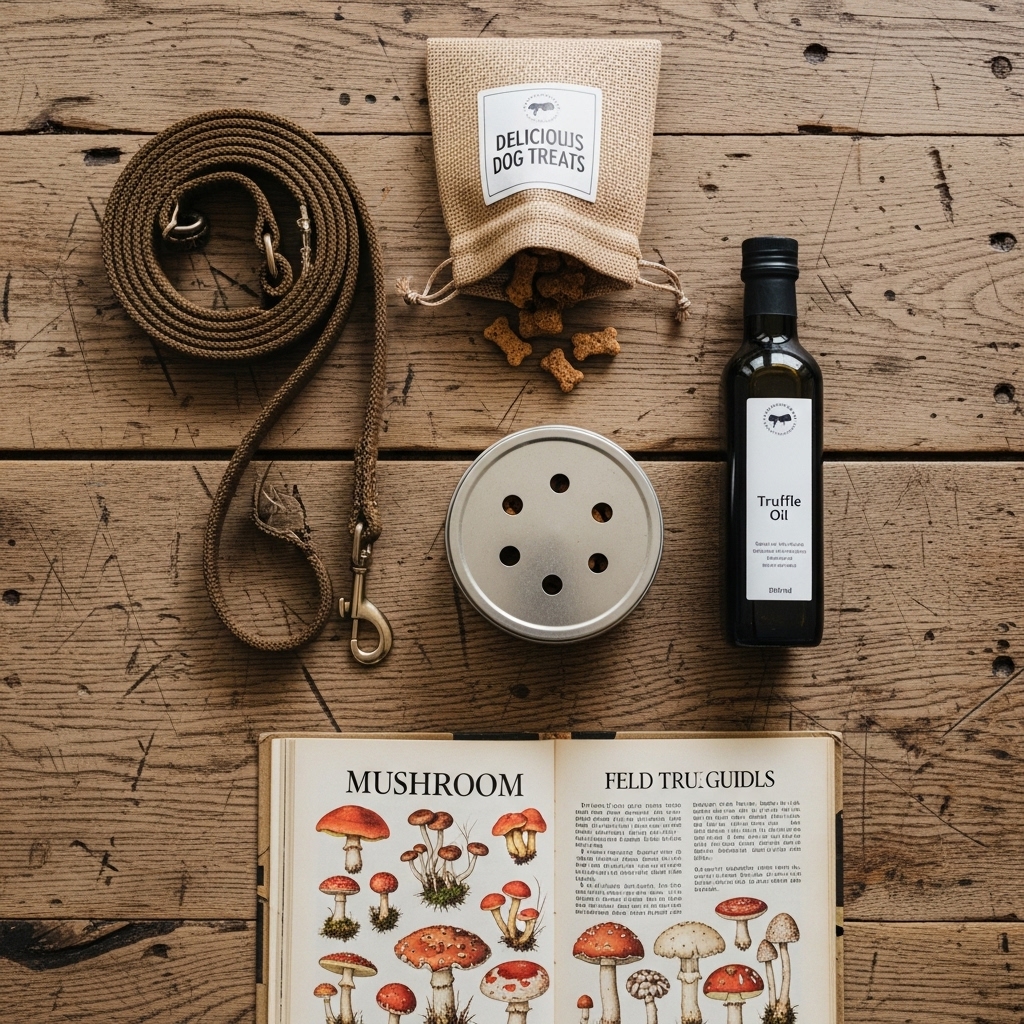
Before you and your pup can hit the trails, you’ll need to assemble a small toolkit. Having the right gear makes the training process smoother, safer, and more fun for everyone involved. Think of it as setting your dog up for success from the very beginning.
Essential Training Supplies:
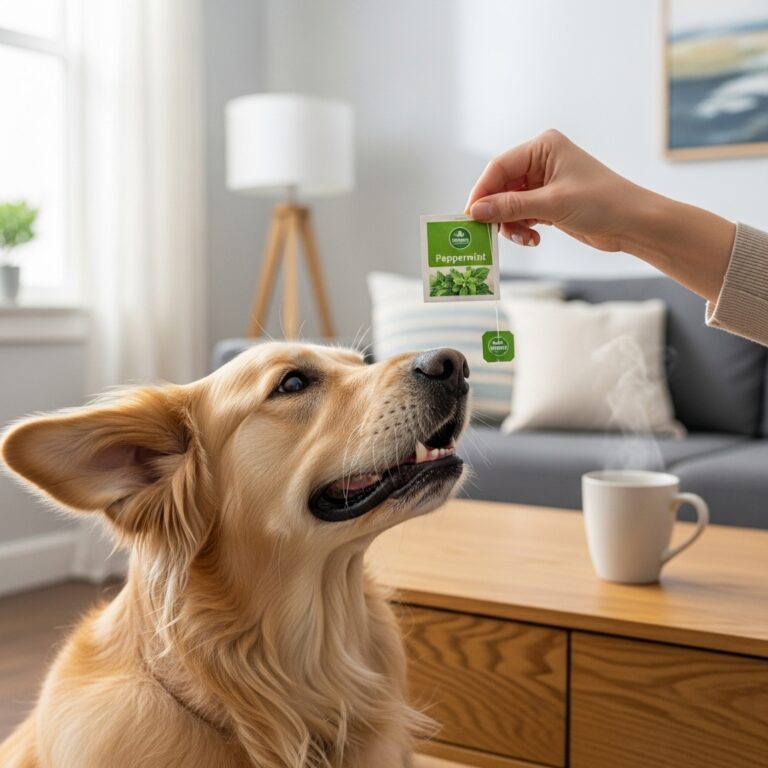
- Target Scent: You need to teach your dog what to look for! For morels, you can use dried morels. For truffles, a small amount of truffle oil is perfect. The key is a consistent, strong scent source.
- Scent Containers: Small, ventilated containers are a must. Think small metal tins with holes punched in the lid or scent work tubes. You’ll need at least three—one for the scent and a couple of ‘blanks.’
- High-Value Treats: This is your dog’s paycheck! Forget the boring kibble. You need extra-special, super-tasty treats that your dog will go bonkers for. Small pieces of cooked chicken, cheese, or freeze-dried liver work wonders.
- A Long Leash: A 15-20 foot long line gives your dog the freedom to explore and ‘hunt’ while still keeping them safely under your control, especially when you’re just starting out in the field.
- Foraging Equipment: For you! A mesh bag or a basket is ideal for collecting mushrooms, as it allows spores to fall back to the ground. A small knife for harvesting and a brush for cleaning are also handy.
Expert Tip: Keep the training treats separate and only use them for mushroom hunting sessions. This makes them extra special and tells your dog, ‘Okay, it’s time to play the mushroom game!’
Step 1: Building Scent Association Indoors
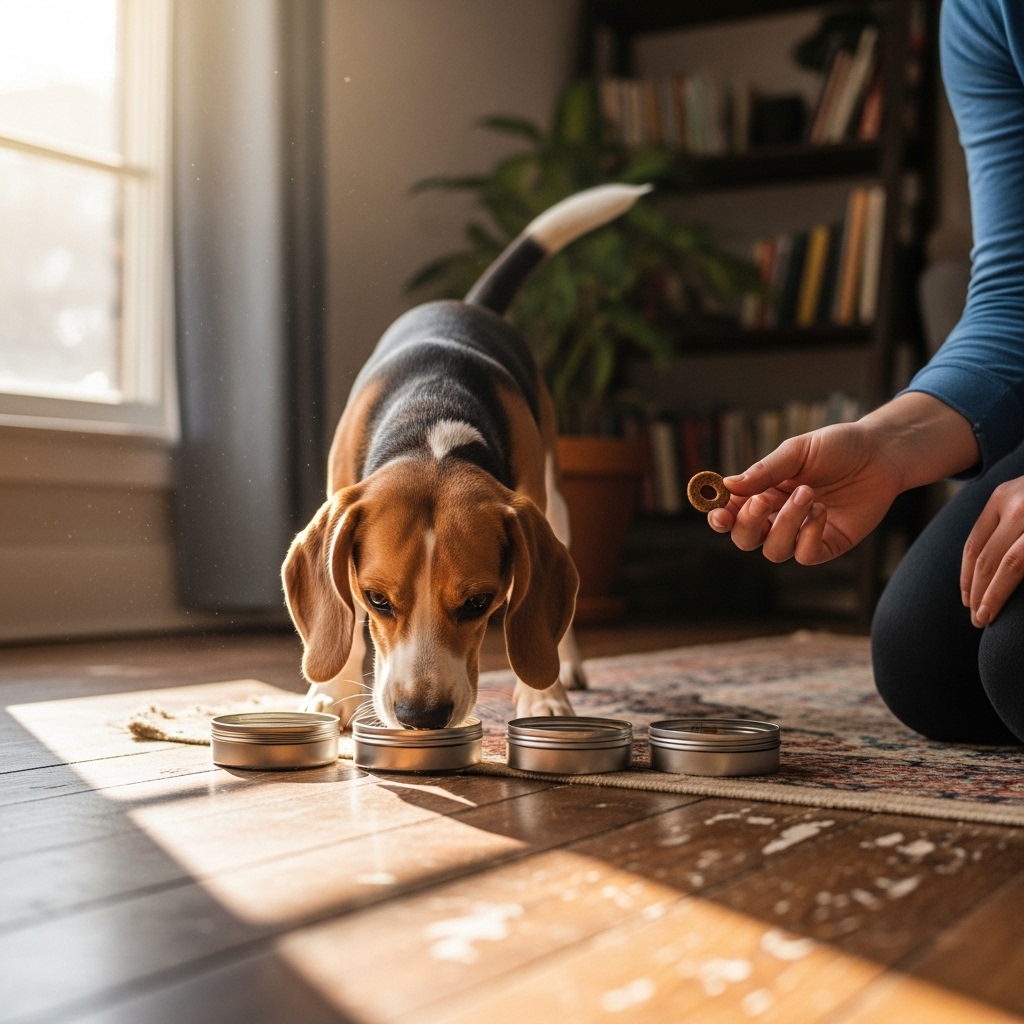
The journey begins at home, in a quiet, distraction-free environment. The goal of this first phase is simple: teach your dog that the specific smell of your target mushroom equals the best reward ever. This is the foundation for everything that follows.
Follow these steps to build a strong scent association:
- Introduce the Scent: Hold the scented container in one hand. When your dog sniffs it, say “Yes!” in an excited voice and immediately give them a high-value treat from your other hand. Repeat this 5-10 times.
- Start a Simple Game: Place the scented container in one closed fist and keep your other fist empty. Present both fists to your dog. When they sniff or paw at the correct hand, open it, praise them, and give them a treat.
- Move to the Floor: Once they’ve mastered the hand game, place the scented container on the floor a few feet away. When they go to it, reward them right at the source. This teaches them to stay with the scent.
- Add a Cue: Start adding a verbal cue right before you send them to find the scent. Something fun like “Find the shroom!” or simply “Find it!” works great.
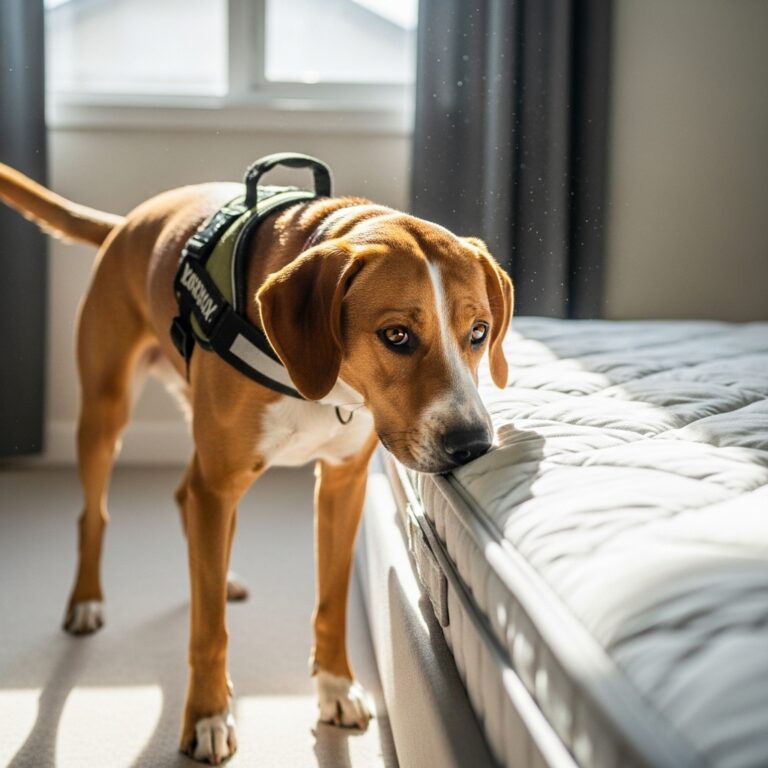
- Increase the Challenge: Now, introduce the ‘blank’ containers. Place the scented tin and one or two empty tins on the floor, a few feet apart. Only reward your dog when they correctly indicate the one with the mushroom scent. This teaches them discrimination.
Keep these initial sessions short and sweet—just 5-10 minutes once or twice a day is plenty to keep your dog engaged and eager to learn.
Step 2: Taking the Hunt Outdoors
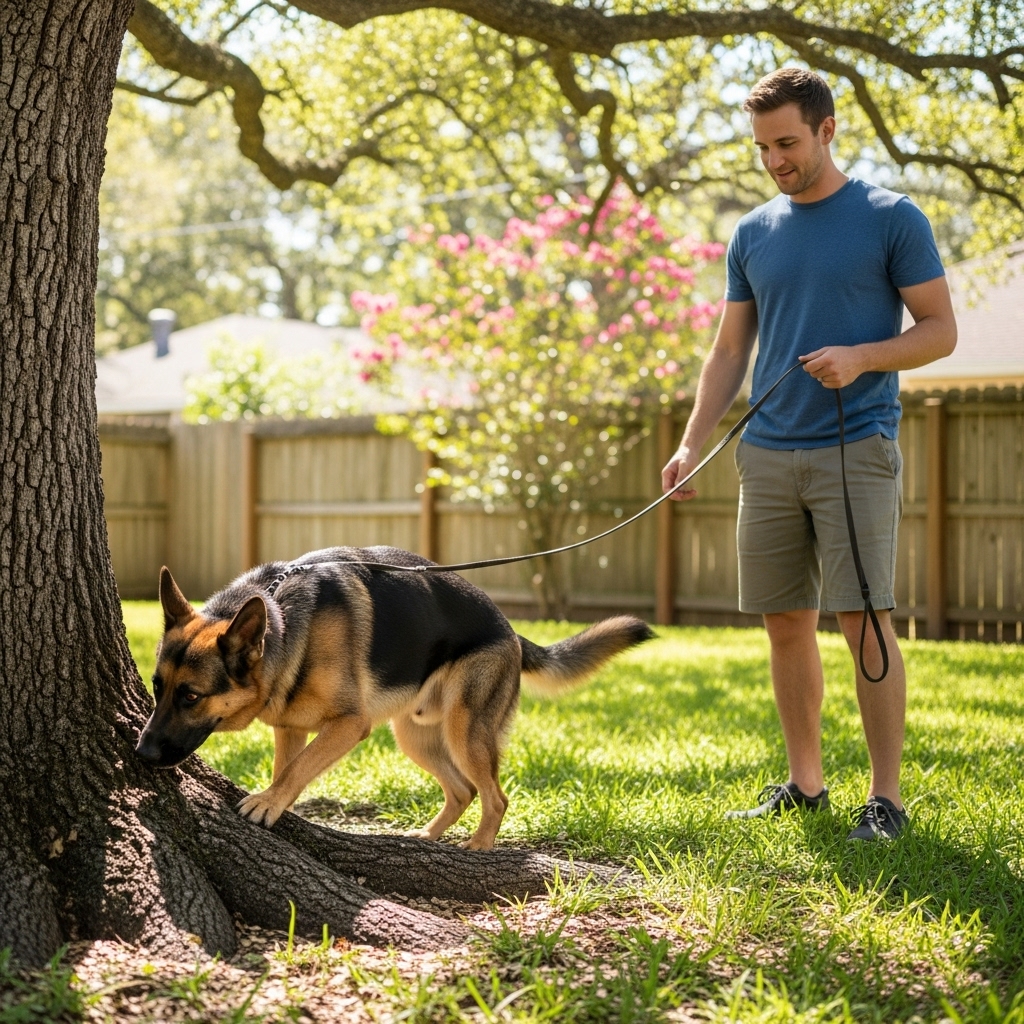
Once your dog is confidently finding the scented tin among several blanks inside, it’s time to take the show on the road! The great outdoors is full of exciting smells and distractions, so we’ll increase the difficulty gradually.
From Backyard to Backwoods:
- Start in Your Yard: Begin in a familiar, low-distraction outdoor space like your backyard. Start by simply placing the tin on the grass and asking your dog to find it. As they succeed, start hiding it in slightly more difficult spots—near the base of a tree, under a large leaf, or behind a patio chair.
- Graduate to a Quiet Park: Next, find a quiet park or field during an off-peak time. The new smells will be a challenge, so keep the ‘hides’ relatively easy at first. This step is all about teaching your dog to focus on their job despite competing scents like squirrels and other dogs.
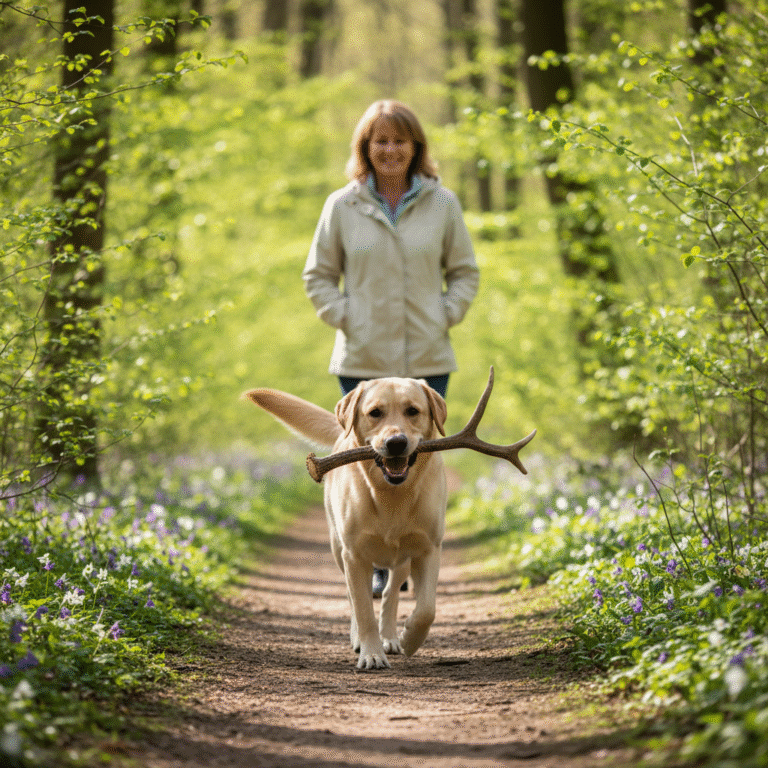
- Head for the Woods: This is the final exam! Now you can start practicing in the type of environment where you’ll actually be hunting. Hide the scented tin under logs, in mossy patches, and at the base of trees where mushrooms might naturally grow. This is where the long leash comes in handy, allowing them to range and search more naturally.
Remember to always keep it fun! If your dog seems distracted or frustrated, simply make the next ‘find’ super easy to guarantee a win, and then end the session on that positive note.
The Golden Rule: Forager Safety Above All Else
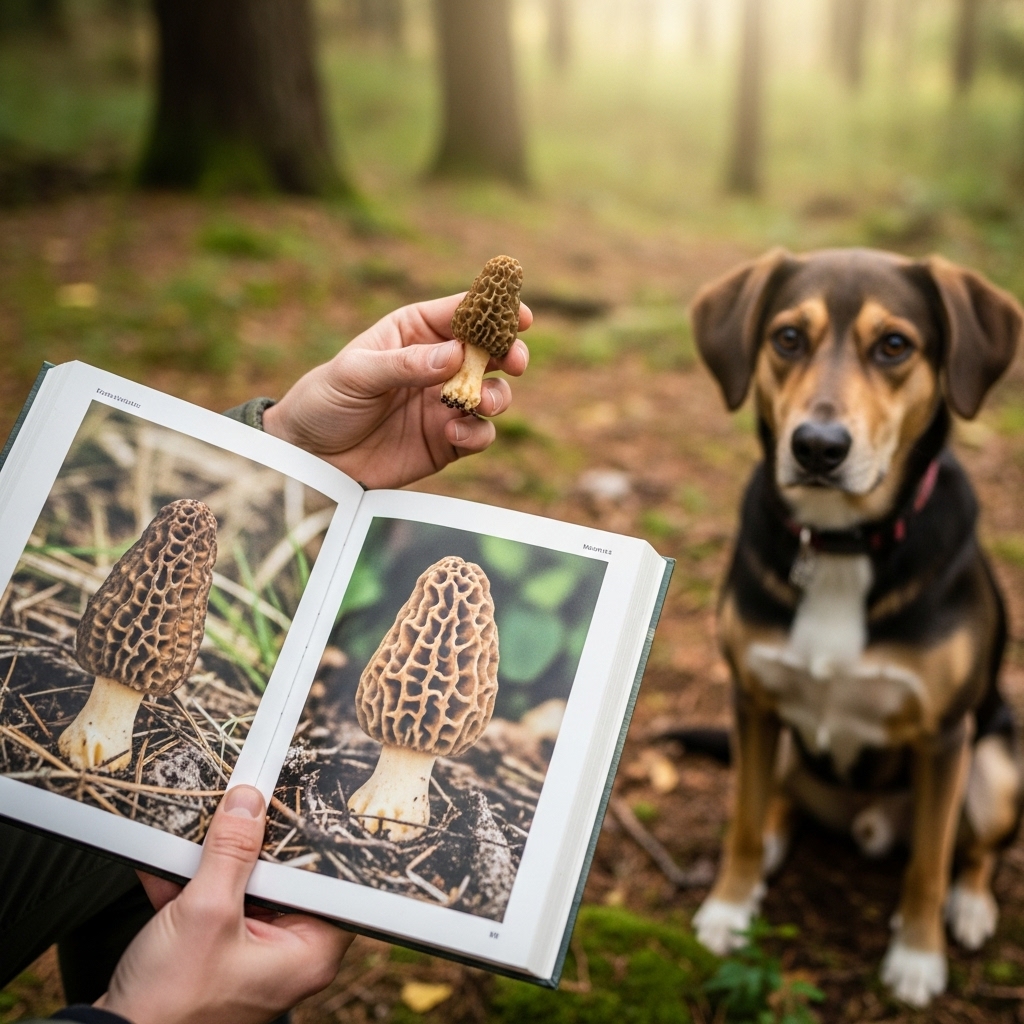
This is, without a doubt, the most important part of this entire process. While your dog is an amazing tool for locating mushrooms, they cannot tell you if a mushroom is safe to eat. That job is 100% yours.
Crucial Takeaway: Your dog is the finder, but you are the identifier. Never, ever eat a mushroom unless you are 100% certain of its species and edibility.
Here’s how to stay safe:
- Become an Expert: Before you even start, you need to become an expert at identifying the one or two types of mushrooms you plan to hunt. You must also learn to identify their dangerous look-alikes. Buy multiple, reputable field guides for your region.
- Join a Club: The best way to learn is from experienced humans. Join a local mycological society or foraging group. The knowledge you’ll gain from seasoned hunters is invaluable.
- When in Doubt, Throw it Out: This is the number one rule of foraging. If you have even a tiny shred of doubt about a mushroom’s identity, do not eat it. It’s simply not worth the risk.
- Train a Solid “Leave It”: It’s also vital to ensure your dog doesn’t eat any of the mushrooms they find. A rock-solid “leave it” command is non-negotiable for any foraging dog to prevent them from ingesting something potentially toxic.
Conclusion
Training your dog to be a mushroom hunting machine is a marathon, not a sprint. It takes patience, consistency, and a whole lot of tasty treats. But the payoff is incredible. You’re not just teaching a skill; you’re building a deeper line of communication and trust with your dog, giving them a ‘job’ that satisfies their natural instincts, and creating memories together in the great outdoors. So gather your gear, start those indoor scent games, and get ready. This spring, when you and your trusty canine companion find your very first wild mushroom together, you’ll know that all the effort was more than worth it. Happy hunting!