
The ‘Unignorable’ Liver Bait Recipe Professional Trainers Use
Have you ever watched a professional dog trainer and wondered, ‘What’s their secret?’ How do they get such laser-focus and enthusiastic responses from dogs, even in distracting environments? While skill and timing are crucial, many pros have a secret weapon tucked away in their treat pouch: high-value liver bait.
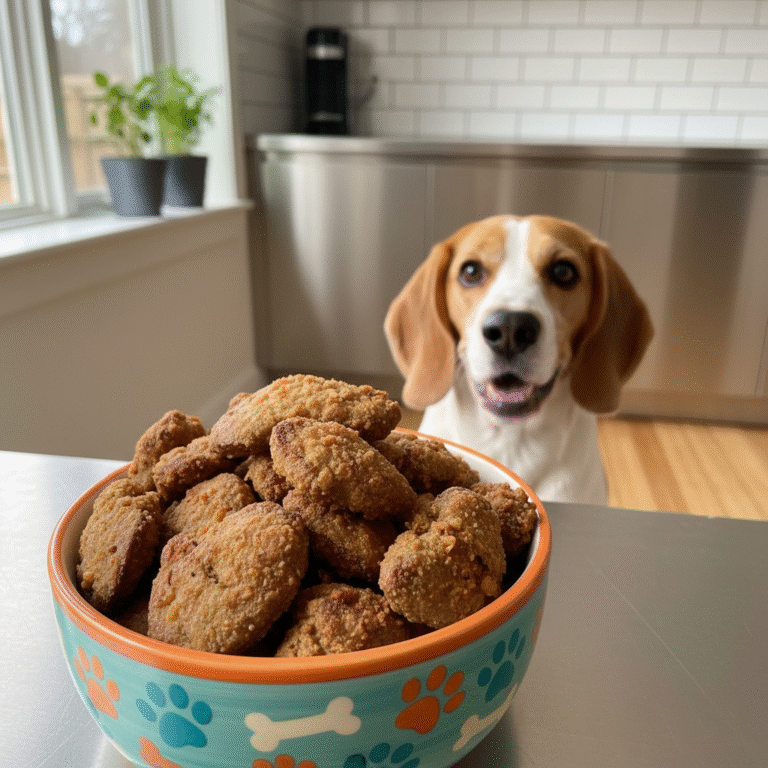
Forget those dry, crumbly store-bought biscuits. We’re talking about a treat so aromatic, so delicious, that it makes your dog’s brain light up. It’s the kind of reward that can make a fearful dog brave, a distracted dog focus, and a stubborn dog eager to please. This isn’t just a snack; it’s a powerful communication tool.
Today, I’m pulling back the curtain and sharing the exact recipe that has been a staple in the training community for years. It’s simple, cost-effective, and ridiculously effective. Get ready to transform your training sessions and build an even stronger bond with your best friend. Let’s get cooking!
Why Liver? The Science Behind the ‘Super-Treat’

Why Liver? The Science Behind the ‘Super-Treat’
Before we dive into the recipe, let’s understand why this particular treat works so well. It’s not magic; it’s biology. A dog’s sense of smell is estimated to be 10,000 to 100,000 times more acute than ours. When you use a treat with a powerful aroma, you’re speaking their primary language.
The Olfactory Jackpot
Organ meats, especially liver, are packed with amino acids and fats that create a rich, pungent aroma when cooked. This scent is a primal signal to a dog’s brain that says, ‘This is a high-quality, nutrient-dense food source!’ It taps directly into their carnivorous instincts. While a plain biscuit might be mildly interesting, the smell of cooked liver is a siren call they find nearly impossible to ignore. This is what we call ‘olfactory enrichment’ in the training world.
Nutritional Powerhouse
Beyond the smell, liver is a nutritional superstar for our canine companions. It’s loaded with essential nutrients, making it a healthy reward when used in moderation. Here’s a quick look at its benefits:
- Vitamin A: Crucial for vision, immune function, and skin health.
- B Vitamins (especially B12): Essential for nerve function, energy production, and brain health.
- Iron: A key component of red blood cells, vital for oxygen transport and preventing anemia.
- High-Quality Protein: Provides the building blocks for strong muscles and tissue repair.
Expert Tip: Because liver is so rich in Vitamin A, it’s important to treat it as a high-value reward, not a meal replacement. Too much Vitamin A can be toxic, so moderation is key. This recipe is designed to create small, potent treats for training purposes.
Gathering Your Arsenal: Ingredients & Tools

Gathering Your Arsenal: Ingredients & Tools
The beauty of this recipe is its simplicity. You don’t need to be a gourmet chef, and you likely have most of the tools already. Here’s everything you’ll need to create this canine gold.
The Core Ingredients
This recipe is flexible, but here is the classic, trainer-approved base. We’re aiming for a consistency that’s easy to spread but will bake into a firm, non-crumbly treat.
| Ingredient | Quantity | Notes & Substitutions |
|---|---|---|
| Fresh Liver | 1 lb (approx. 450g) | Beef or chicken liver works best. You can often find it fresh or frozen at your local butcher or grocery store. If frozen, thaw completely. |
| All-Purpose or Whole Wheat Flour | ~1 cup | This acts as a binder. For grain-free options, you can substitute with oat flour, chickpea flour, or coconut flour, but you may need to adjust the amount to get the right consistency. |
| Large Egg | 1 | Helps bind everything together and adds extra protein. |
| Garlic Powder | 1/2 teaspoon (Optional but recommended) | IMPORTANT: In small, cooked amounts, garlic powder is safe for most dogs and its aroma boosts the treat’s appeal. Do NOT use fresh garlic, and never exceed this amount. If you have concerns, simply omit it. |
Essential Kitchen Tools
No fancy gadgets required. Just the basics will do the trick.
- Blender or Food Processor: This is non-negotiable for getting that smooth, slurry-like consistency.
- Baking Sheet: A standard half-sheet pan (18×13 inches) is perfect.
- Parchment Paper or Silicone Baking Mat: To prevent sticking and make cleanup a breeze.
- Spatula: For spreading the liver mixture evenly.
- Pizza Cutter or Knife: For scoring the treats into perfect, tiny squares.
- Airtight Containers: For storing your finished treats in the fridge or freezer.
The Step-by-Step Recipe for Irresistible Liver Bait
The Step-by-Step Recipe for Irresistible Liver Bait
Alright, apron on? Let’s get to the fun part. Follow these steps precisely, and you’ll have a perfect batch of training treats that will make you the most popular person at the dog park.
- Preheat and Prep: Start by preheating your oven to 350°F (175°C). Line your baking sheet with parchment paper or a silicone mat. This step is crucial for easy removal later!
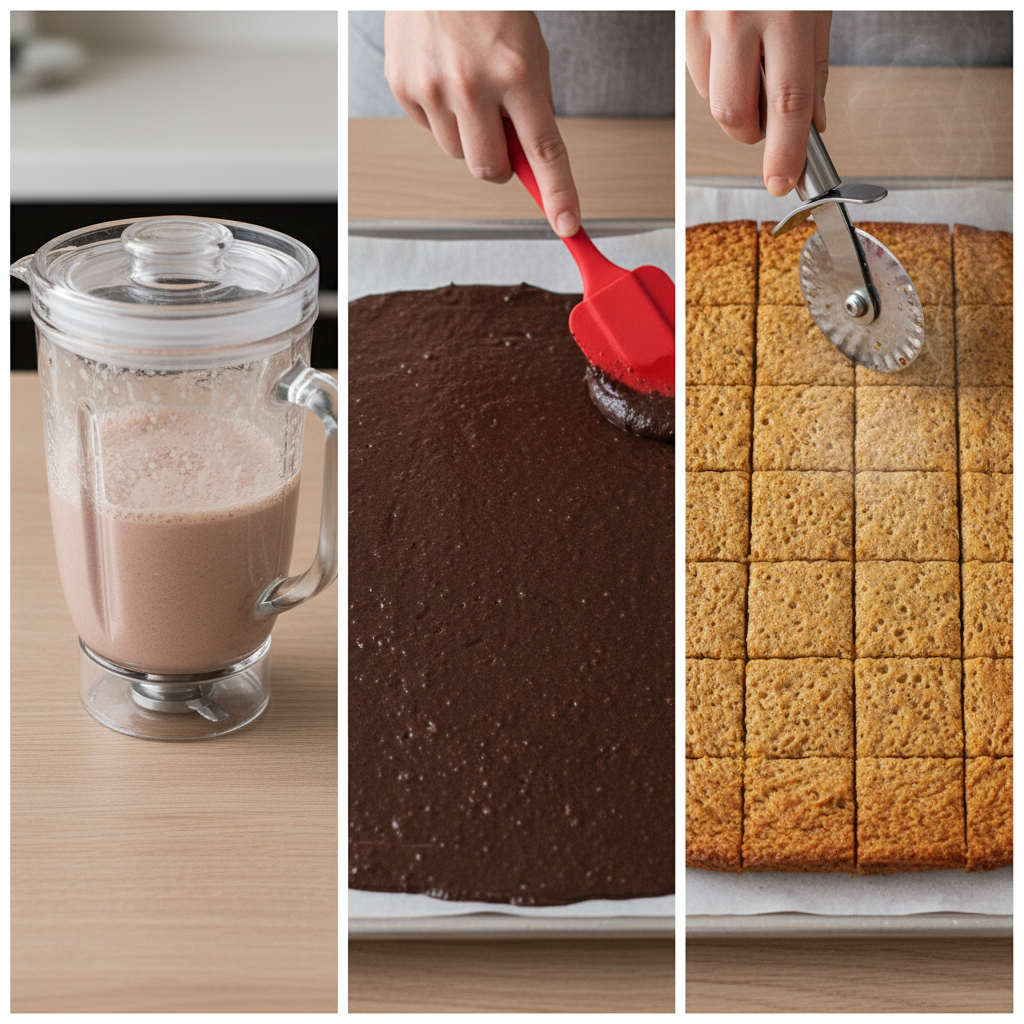
- Liquify the Liver: Roughly chop the liver into smaller chunks that will fit easily into your blender. Add the liver, the egg, and the optional garlic powder to the blender.
- Blend to a Slurry: Blend the ingredients on high until you have a completely smooth, liquid consistency, almost like a thick, meaty smoothie. You should see no solid chunks remaining. This might take a minute or two. Scrape down the sides if needed.
- Thicken the Mixture: Pour the liver slurry into a mixing bowl. Gradually add the flour, about a quarter cup at a time, mixing continuously with your spatula. Keep adding flour until you reach the consistency of a thick pancake batter or brownie mix. It should be easily spreadable but not runny.
- Spread it Thin: Pour the mixture onto your prepared baking sheet. Using your spatula, spread it into a thin, even layer across the entire surface. Aim for a thickness of about 1/8 to 1/4 inch. The thinner you spread it, the crispier the final treat will be.
- The First Bake: Place the baking sheet in the preheated oven and bake for 15-20 minutes. The liver mixture should be firm to the touch and no longer wet on top. The edges might start to pull away from the sides of the pan slightly.
- Score the Treats: Remove the pan from the oven. This is the most important step for getting those perfect training-sized treats! Using a pizza cutter or a sharp knife, carefully cut the baked liver slab into a grid of small squares. A good size for training is about 1/4 to 1/2 inch per square. Work quickly while it’s still warm and pliable.
- The Second Bake (The Dehydrating Stage): Turn the oven temperature down to its lowest setting, usually around 175-200°F (80-95°C). Place the scored sheet back into the oven. You can prop the oven door open slightly with a wooden spoon to allow moisture to escape. Bake for another 1-2 hours. The goal here is to dry the treats out, not to cook them further. They are done when they are dry and hard, snapping easily when you try to break one.
- Cool Completely: Once they’re fully dried, turn off the oven and let them cool completely inside the oven or on a wire rack. This final step ensures they are perfectly crisp and ready for storage.
Safety First: Your kitchen will smell very strongly of liver while this is cooking. Your dog will likely be parked at your feet, drooling. Ensure they are safely out of the way while you’re handling hot pans from the oven!
Pro Tips for Perfecting & Storing Your Bait
Pro Tips for Perfecting & Storing Your Bait
You’ve made your first batch—congratulations! Now let’s talk about how to store it properly to maintain freshness and how you can customize future batches.
Perfect Storage for Maximum Freshness
The key to longevity is removing as much moisture as possible during the second bake. How you store them depends on how quickly you’ll use them.
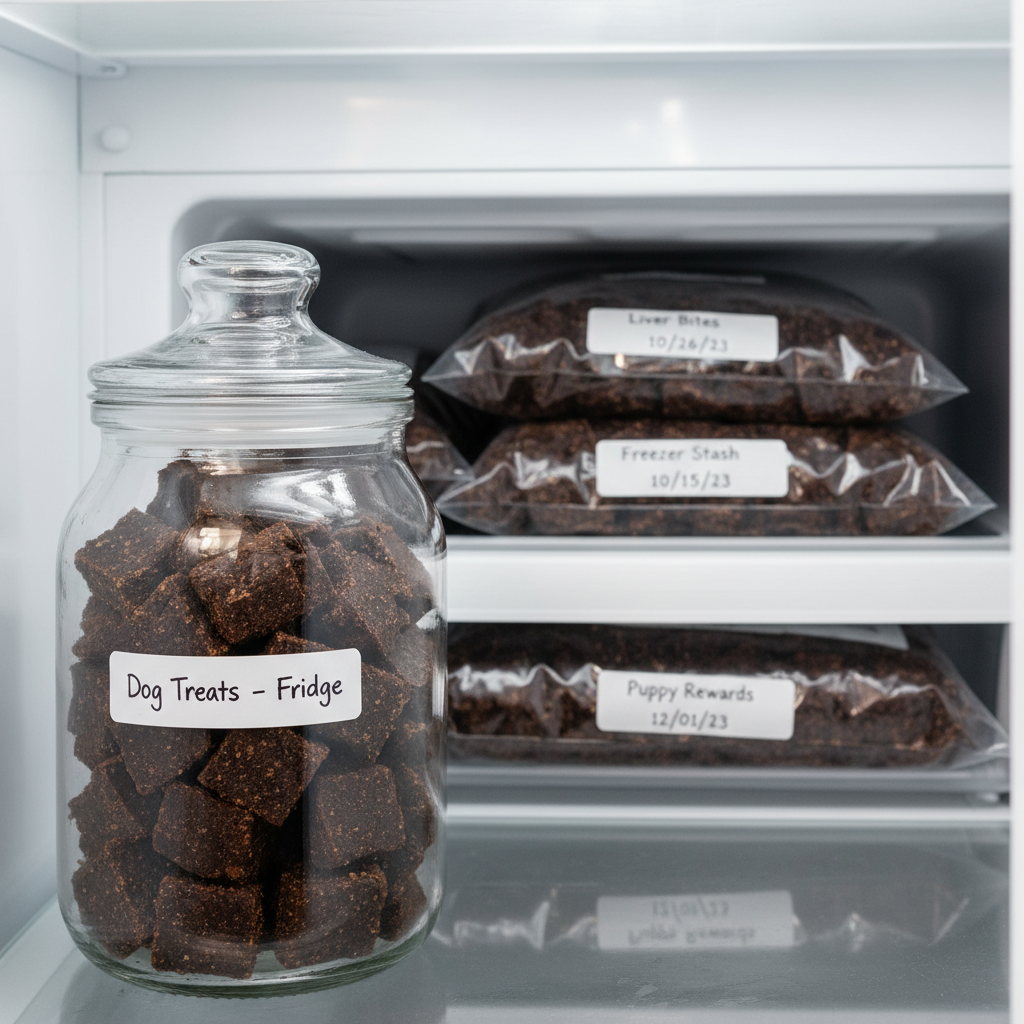
- Short-Term (1-2 weeks): Once completely cool, store the treats in an airtight container in the refrigerator. A glass jar or Tupperware works perfectly. Do not store them at room temperature unless they are 100% dehydrated and cracker-dry, as any residual moisture can lead to mold.
- Long-Term (Up to 3-4 months): For longer storage, the freezer is your best friend. Portion the treats into freezer-safe bags or containers. This method keeps them fresh and allows you to pull out a week’s worth at a time. They thaw quickly at room temperature.
Troubleshooting Common Issues
- My treats are too soft/chewy: You likely didn’t bake them long enough during the second, low-temperature bake. Pop them back in the oven at a low temp until they are properly dried out.
- My treats are crumbly: This can happen if you used too much flour or a grain-free flour that doesn’t bind as well. Next time, try adding a little less flour or even a tablespoon of fish oil to the mix for better binding and an extra omega-3 boost!
- The mixture was too thick/thin: The moisture content of liver can vary. Don’t be afraid to adjust. If it’s too thick to spread, add a splash of water. If it’s too runny, add a bit more flour.
Fun Variations to Try
Once you’ve mastered the basic recipe, feel free to get creative! Just be sure any new ingredients are dog-safe.
- The Fishy Fanatic: Add a can of drained sardines or a tablespoon of fish oil to the blender for an extra smelly, omega-packed treat.
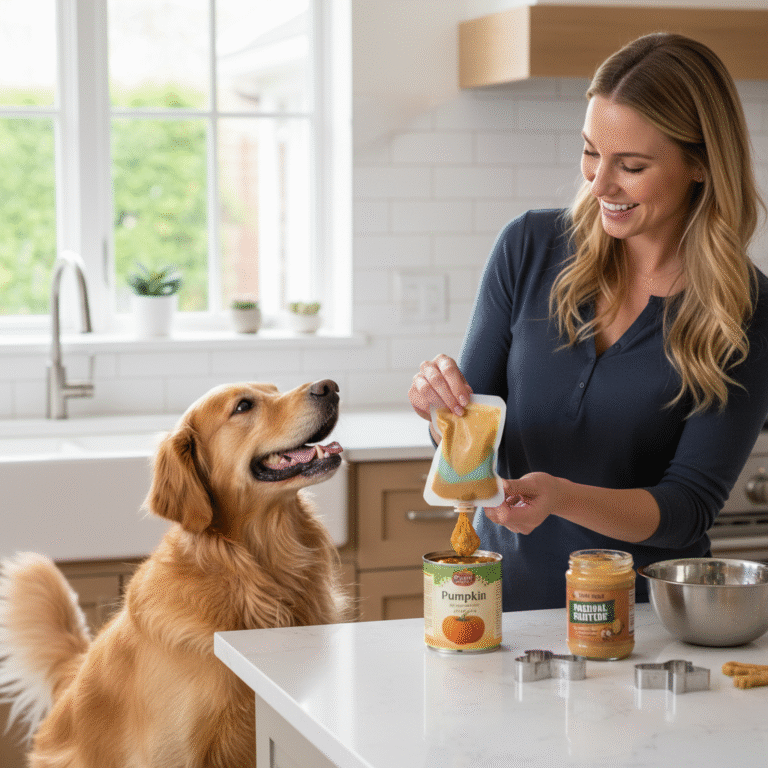
- The Veggie Boost: Blend in a 1/4 cup of pureed pumpkin or sweet potato for added fiber and nutrients.
- The Herbal Helper: Add a teaspoon of dried parsley for fresher breath or a pinch of turmeric for its anti-inflammatory properties.
Putting Your Secret Weapon to Work: Training Applications

Putting Your Secret Weapon to Work: Training Applications
Now that you have this ‘unignorable’ treat, it’s time to use it strategically. High-value treats are not for everyday snacking; they are for high-stakes training scenarios where you need your dog’s absolute best focus and motivation.
When to Use Liver Bait
Reserve these special treats for the most important or challenging situations:
- Teaching a New, Difficult Skill: When you’re introducing a complex behavior like ‘place’ or a formal ‘heel’, the high-value reward helps build a strong positive association from the start.
- Proofing Behaviors in High-Distraction Environments: Working on recall at the park? Practicing ‘leave it’ on a city street? This is where liver bait shines. It makes you more interesting than the squirrel, the other dog, or the dropped french fry.
- Counter-Conditioning and Desensitization: For dogs with fear or anxiety (like fear of the vet, strangers, or loud noises), pairing the scary stimulus with an incredibly positive reward like liver can help change their emotional response over time.
- Building Confidence: For shy or timid dogs, successfully completing a task and earning a super-reward can be a huge confidence booster.
The Rules of Engagement
To keep these treats special and effective, follow a few simple rules:
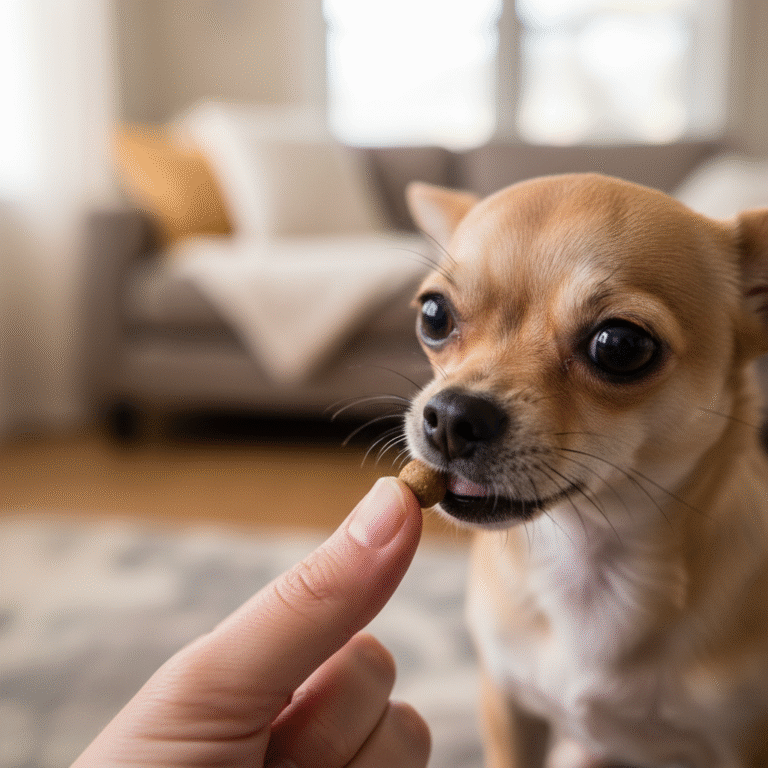
- Keep Them Tiny: Remember, you scored them small for a reason. A training treat should be a taste, not a meal. This allows for many repetitions without overfeeding your dog.
- Don’t Bribe, Reward: The treat should appear after the desired behavior is performed. Don’t show the dog the liver to lure them into a sit; ask for the sit, and then reward them for doing it. The value is in the surprise and reward, not the bribe.
- Factor Them Into Daily Calories: These treats have calories. If you have a heavy training session, slightly reduce your dog’s meal portions for that day to avoid weight gain.
- Fade the Lure: As your dog becomes more proficient with a command, you won’t need to reward them with liver every single time. Start mixing in lower-value treats or praise, reserving the ‘good stuff’ for their best efforts or for when you ‘raise the criteria’ and ask for a faster, sharper behavior.
A Trainer’s Final Thought: The goal of a high-value treat is to build a bridge of communication and motivation. Use it to capture and reinforce the brilliant moments in your training, and you’ll build a rock-solid foundation of behaviors built on enthusiasm and positive experiences.
Conclusion
You now have the recipe and the strategy used by professionals to capture a dog’s attention and motivate them to learn. By investing a little time in your kitchen, you’ve created more than just a dog treat; you’ve created a powerful tool for building a better relationship with your furry companion.
Remember, the best training comes from a place of understanding, patience, and positive reinforcement. This liver bait is simply a way to make your communication clearer and your rewards more meaningful. Watch as your dog’s focus sharpens, their enthusiasm grows, and your bond deepens with every successful training session.
So go ahead, give the recipe a try. Your dog will thank you for it, and the results will speak for themselves. Happy training!