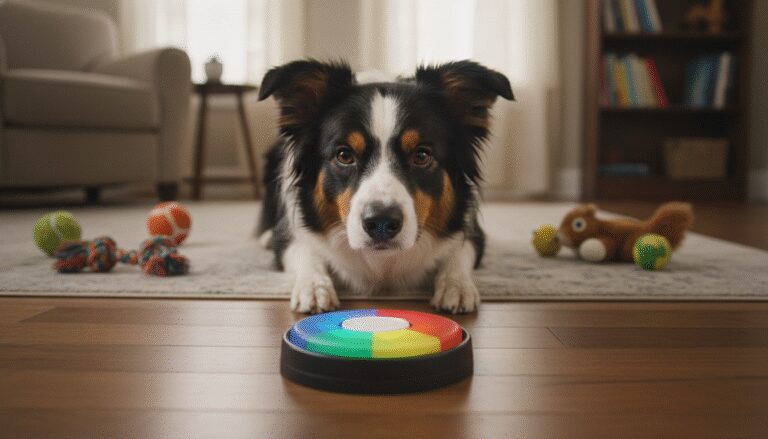
The ‘Start Button’ Method: A Breakthrough for Anxious Dogs
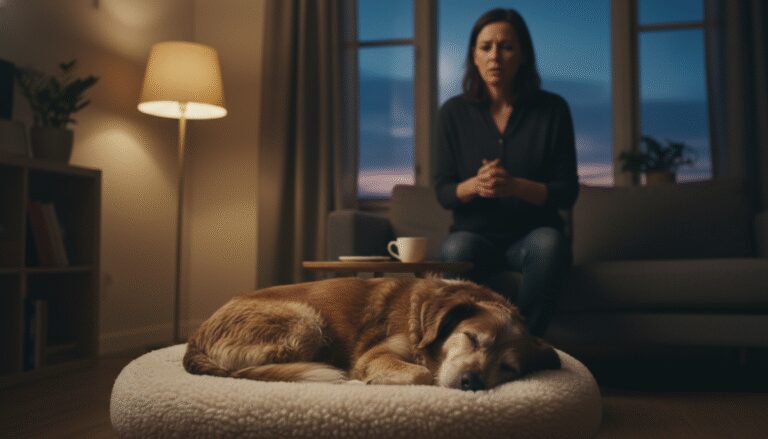
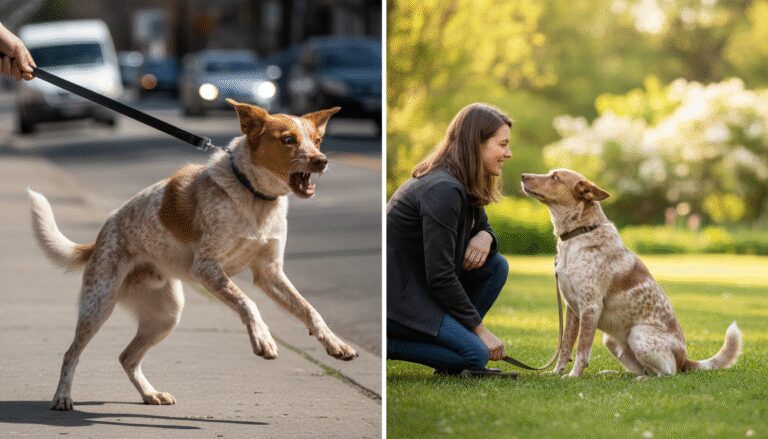
For many dog owners, the mere sight of nail clippers, ear drops, or a brush can send their canine companion into a state of panic. This anxiety often leads to a struggle where the owner feels forced to restrain their dog to get necessary hygiene or medical tasks done, inadvertently damaging the trust in their relationship. However, modern behavioral science has introduced a revolutionary concept known as Cooperative Care, and at the heart of this approach lies the "Start Button" method.
The Start Button method is a training protocol that grants your dog agency—the power to say "yes" or "no" to a procedure. Instead of imposing a procedure on the dog, we teach them a specific behavior that signals they are ready for us to proceed. If they break that position, it acts as a "Stop Button," and we immediately pause. This shift from coercion to choice can dramatically reduce anxiety, as the dog learns they have control over the scary stimulus. In this guide, we will explore the psychology behind this method and provide a comprehensive step-by-step framework to implement it with your anxious dog.
Understanding the Psychology of Agency
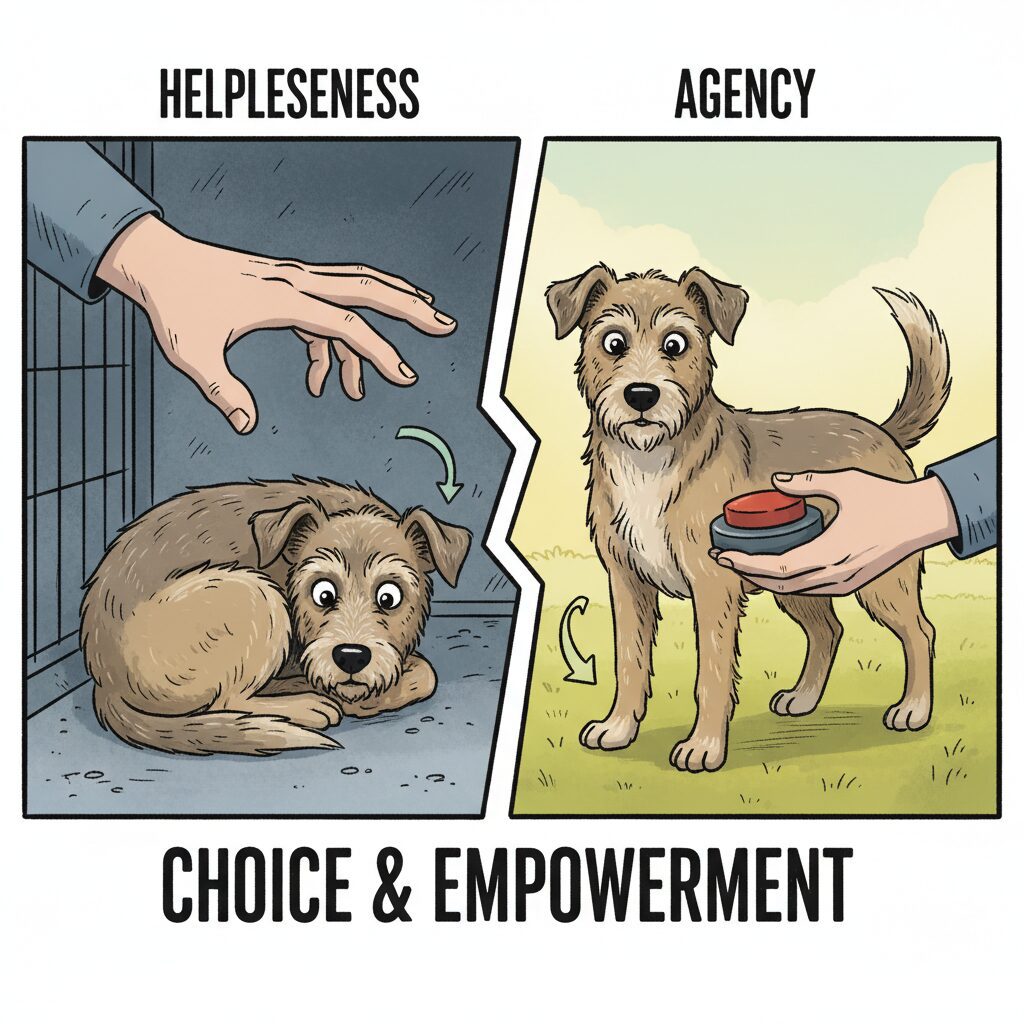
To successfully implement the Start Button method, one must first understand why it works. Anxiety in dogs often stems from a lack of control and the unpredictability of unpleasant events. When we restrain a dog to trim their nails, we confirm their fear: that they are trapped and something bad is happening. By introducing a Start Button, we change the conversation entirely.
The Start Button is a specific behavior—such as a chin rest, a sustained nose touch, or eye contact—that the dog performs to tell the handler, "I am ready; you may continue." The critical component here is the Stop Button. If the dog lifts their head, looks away, or leaves the station, the handler must immediately stop the procedure. This teaches the dog that they are safe and that their communication is respected. Paradoxically, giving the dog the power to stop the process makes them more willing to participate, because the threat of being forced is removed.
Prerequisites and Tools for Success
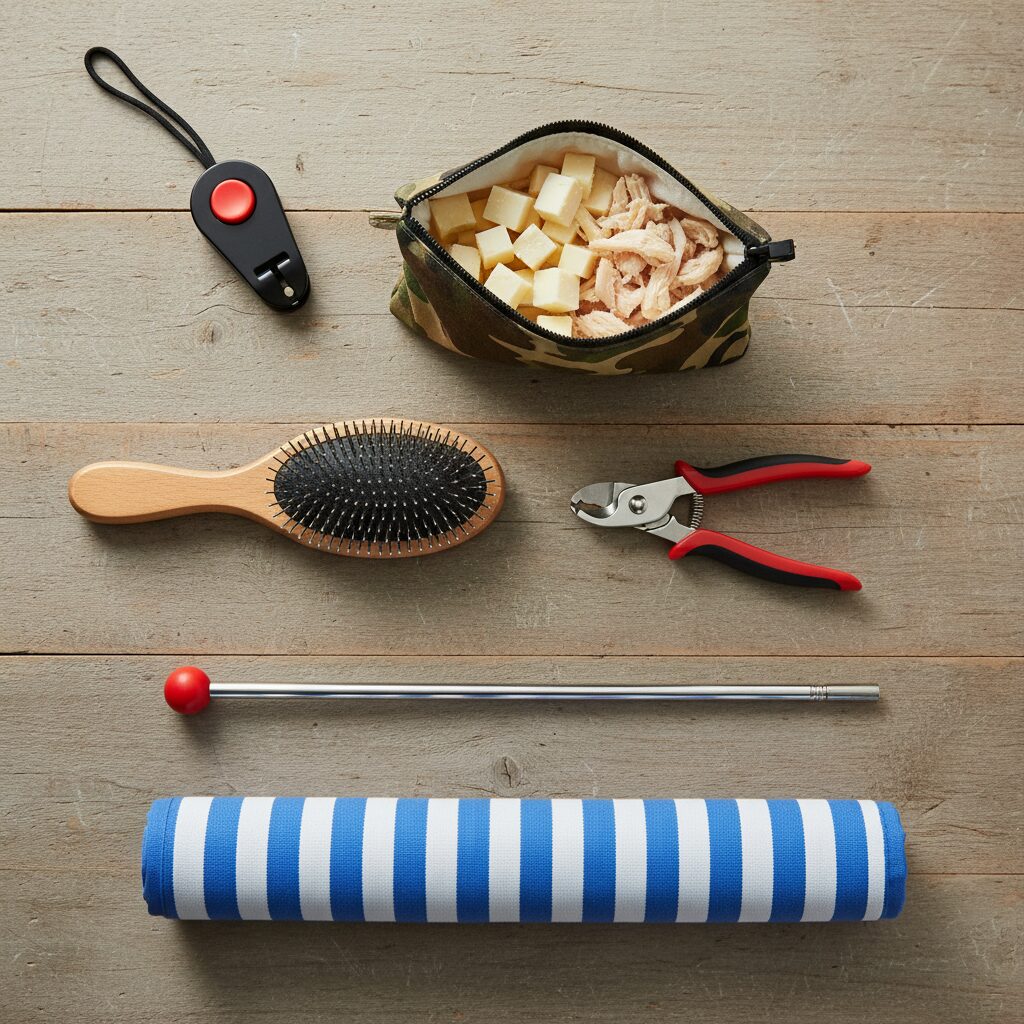
Before attempting to use a Start Button for a stressful procedure, you need to establish a foundation of communication. Attempting this with a dog who has no prior training experience can be frustrating. Ensure you have the following in place:
- A Marker Signal: Your dog should clearly understand that a clicker sound or a verbal marker like "Yes!" means a reward is coming.
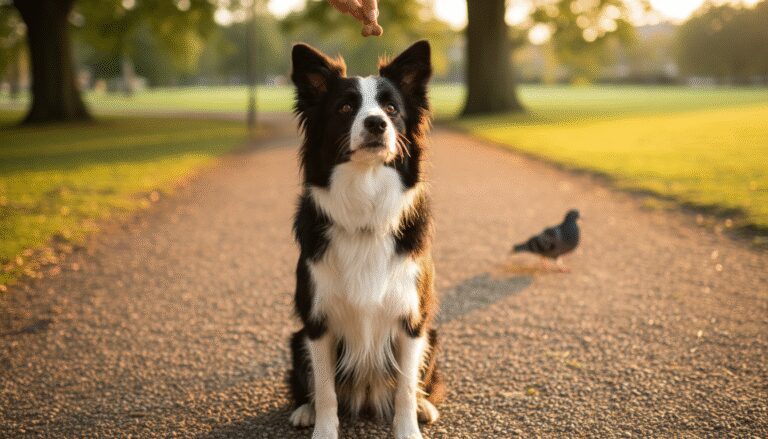
- High-Value Reinforcers: Dry kibble is rarely enough for anxious dogs. Use high-value treats like boiled chicken, cheese, or freeze-dried liver to compete with the stress of the environment.
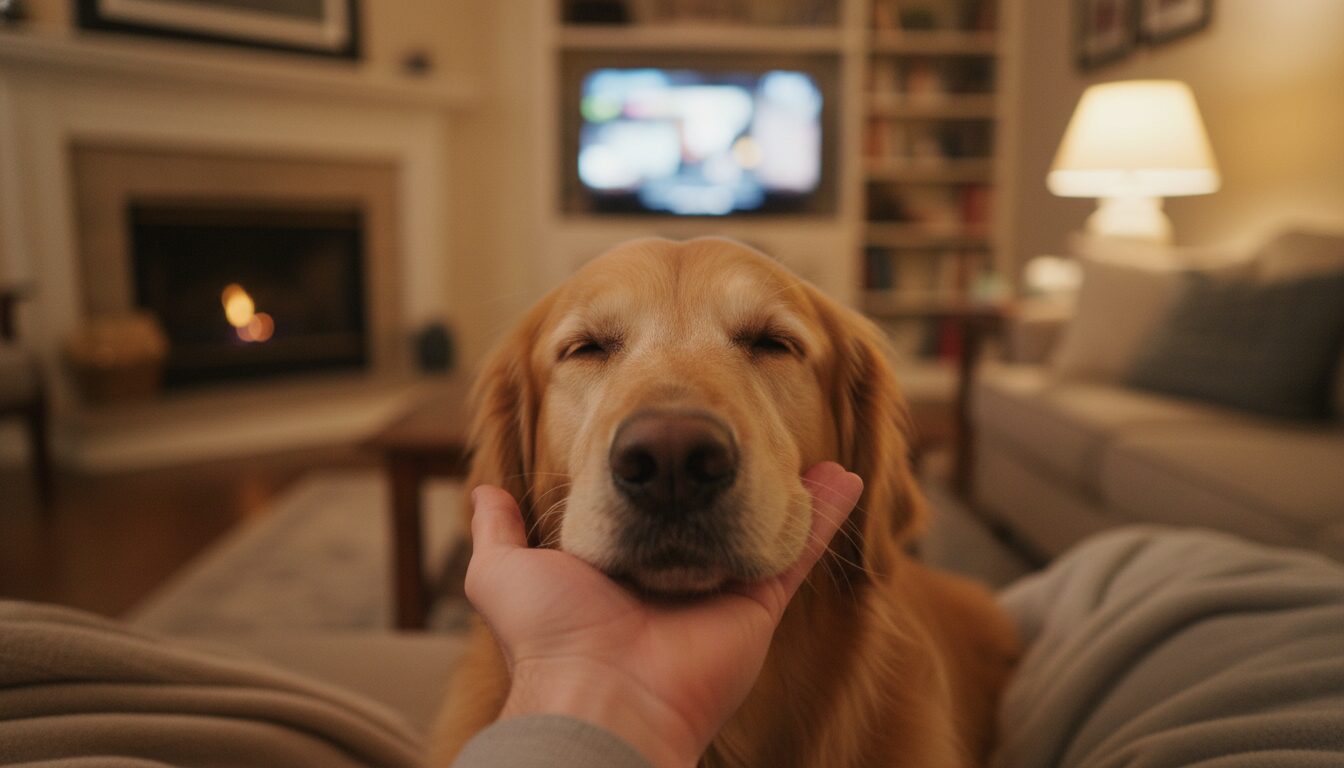
- A Target Behavior: You need a behavior to serve as the button. The most common is a chin rest (resting the chin on your hand or a pillow) or a bucket game (staring at a bucket of treats).
- Patience: This is the most critical tool. You must be willing to accept "no" for an answer during the learning phase.
Step-by-Step Guide: Teaching the Start Button
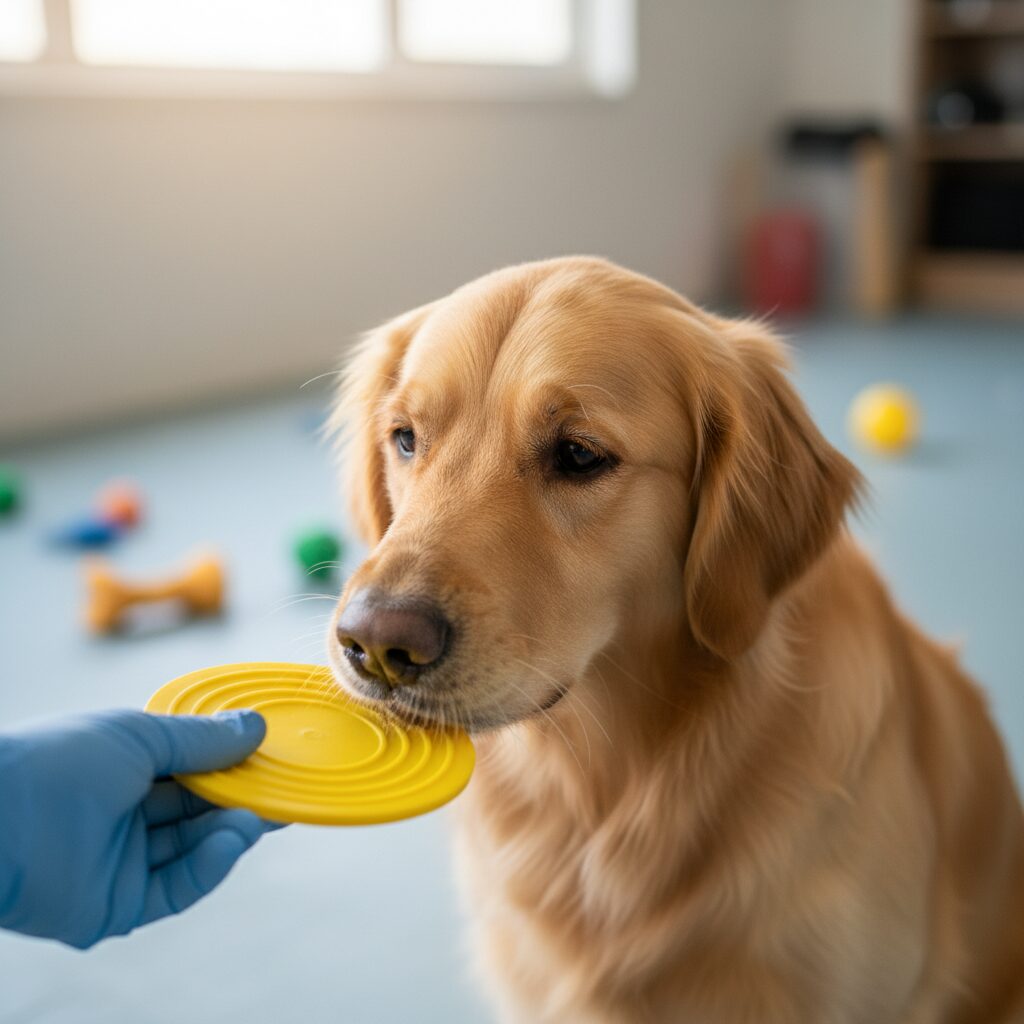
Implementing the Start Button involves a systematic desensitization process. Do not rush these steps; move at your dog’s pace.
Step 1: Establish the "Button" Behavior
First, teach the behavior that will act as the start signal without any scary tools present. For example, shape a chin rest behavior where the dog places their chin on a towel or your hand. Reinforce this heavily until the dog offers the behavior enthusiastically and can hold it for 5-10 seconds.
Step 2: Introduce the Tool at a Distance
Once the chin rest is solid, bring out the tool (e.g., nail clippers) but keep it hidden or at a distance. Ask for the chin rest. If the dog rests their chin, mark and reward. If the presence of the tool causes the dog to hesitate, move the tool further away until the dog feels safe enough to engage the button.
Step 3: The Contingency Rule
This is the core of the method. The tool only moves closer while the dog is pressing the button (holding the chin rest).
- Dog presses button: The clipper moves toward the paw.
- Dog lifts head (releases button): The clipper immediately retreats or disappears behind your back.
Repeat this loop. The dog will learn that they control the movement of the scary object. Eventually, they will hold the position to allow the object to come closer because they know they can send it away at any time.
Step 4: Duration and Contact
Gradually increase the criteria. First, just touch the paw with the clipper while the chin is down. Then, tap the nail. Finally, clip one nail. Always reward heavily after the action is complete and the dog releases the position.
Troubleshooting and Common Mistakes
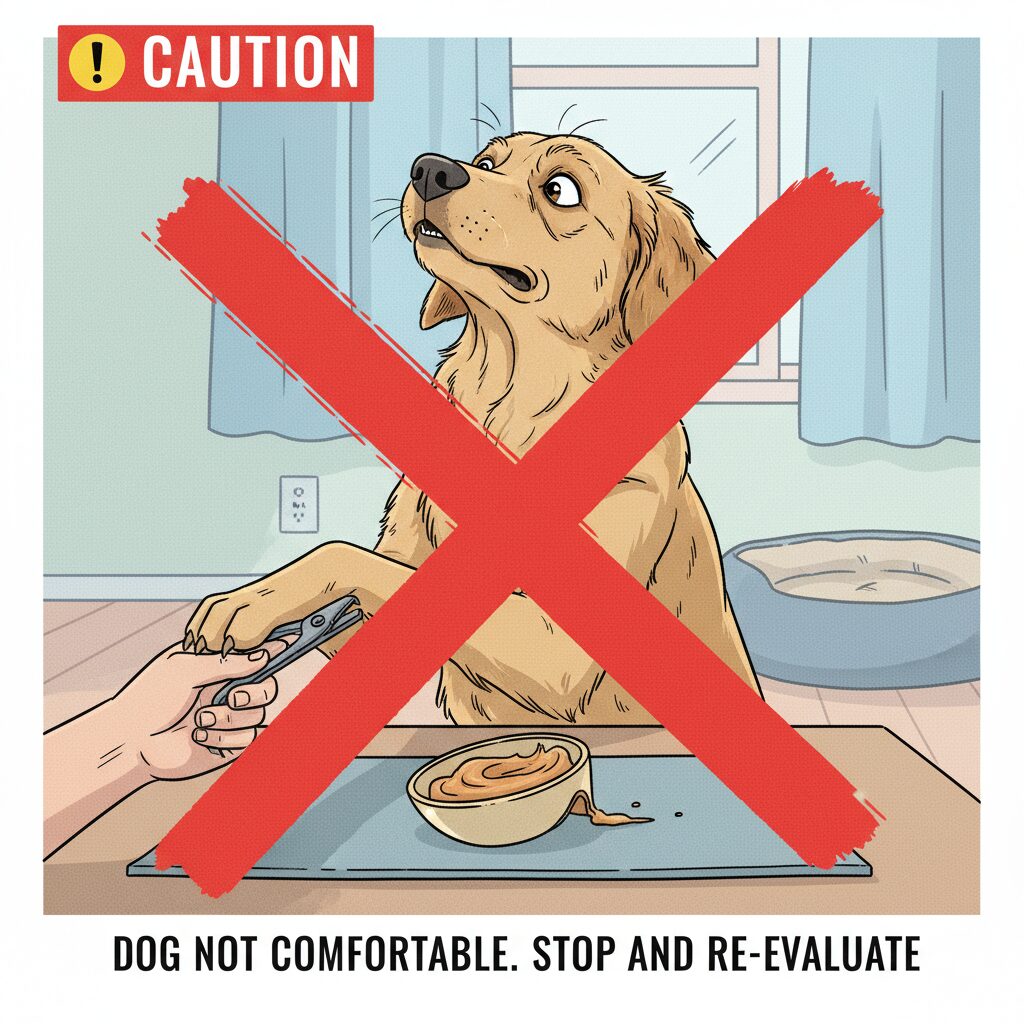
Even with the best intentions, handlers often make errors that can stall progress. Recognizing these pitfalls is essential for success.
- Ignoring the "Stop" Signal: The most damaging mistake is continuing the procedure after the dog has disengaged. If the dog lifts their head and you continue to hold their paw or move the clipper, you have broken the contract. The dog learns the button is a lie.
- Poisoning the Cue: If you ask for a chin rest and then immediately do something painful or terrifying without building up to it, the dog will stop offering the chin rest. This is known as "poisoning the cue."
- Moving Too Fast: If your dog constantly breaks the position, you are making it too difficult. Lower the criteria. Instead of touching the paw, just move your hand slightly.
- Low Rate of Reinforcement: In the beginning, the dog should be paid generously for every second of bravery. Do not skimp on rewards.
Building a Lifetime of Trust
The Start Button method is more than just a training trick; it is a philosophy of mutual respect. By giving your anxious dog a voice, you transform them from a passive victim of grooming into an active participant. While this method requires an upfront investment of time and patience, the payoff is a dog who willingly participates in their own care and trusts you implicitly.
Remember, progress is rarely linear. Some days your dog may have a "sticky" button and refuse to start. Respect that choice. By honoring their "no" today, you ensure their enthusiastic "yes" tomorrow. Start small, listen to your dog, and watch your relationship flourish.