
The Slimy Superfood Secret for Lubricating Dog Joints
Watching our dogs slow down can be one of the toughest parts of being a pet parent. That bounce in their step might fade, getting up can look a little stiffer, and jumping onto the couch might become a major effort. While age is a factor, joint health plays a massive role, and as loving owners, we’re always looking for ways to keep them comfortable and spry. You’ve probably heard about joint supplements, but what if I told you a powerful secret for lubricating those precious joints might already be hiding in your kitchen? Get ready to embrace the slime! We’re about to uncover some incredible, gooey superfoods that can make a world of difference for your dog’s mobility.
Why Joint Health is a Big Deal for Your Four-Legged Friend
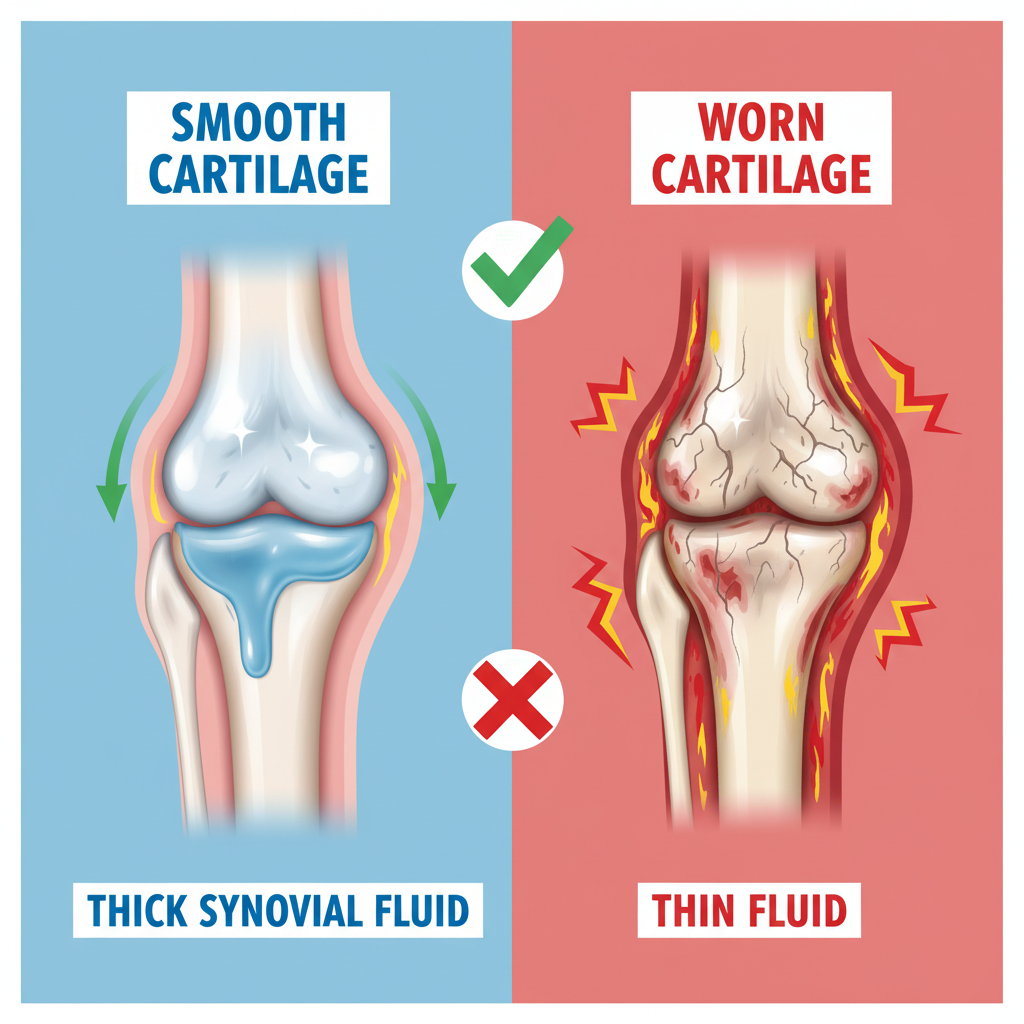
Before we dive into the superfoods, let’s have a quick chat about what’s happening inside your dog’s joints. Picture the ends of two bones meeting, each capped with a smooth, rubbery layer of cartilage. This cartilage acts like a cushion. The whole joint is encased in a capsule filled with a thick, slippery liquid called synovial fluid—think of it as the body’s natural WD-40. It lubricates the joint, allowing for smooth, pain-free movement.
As dogs age, or due to genetics or injury, that protective cartilage can wear down, and the synovial fluid can become thin and less effective. This leads to friction, inflammation, and pain—the hallmarks of conditions like osteoarthritis. This is why supporting the body’s ability to produce thick, healthy synovial fluid and protect cartilage is so crucial. It’s not just about managing pain; it’s about preserving your dog’s quality of life and joyful spirit.
The Slimy Secret’s Out: Superfoods for Supple Joints
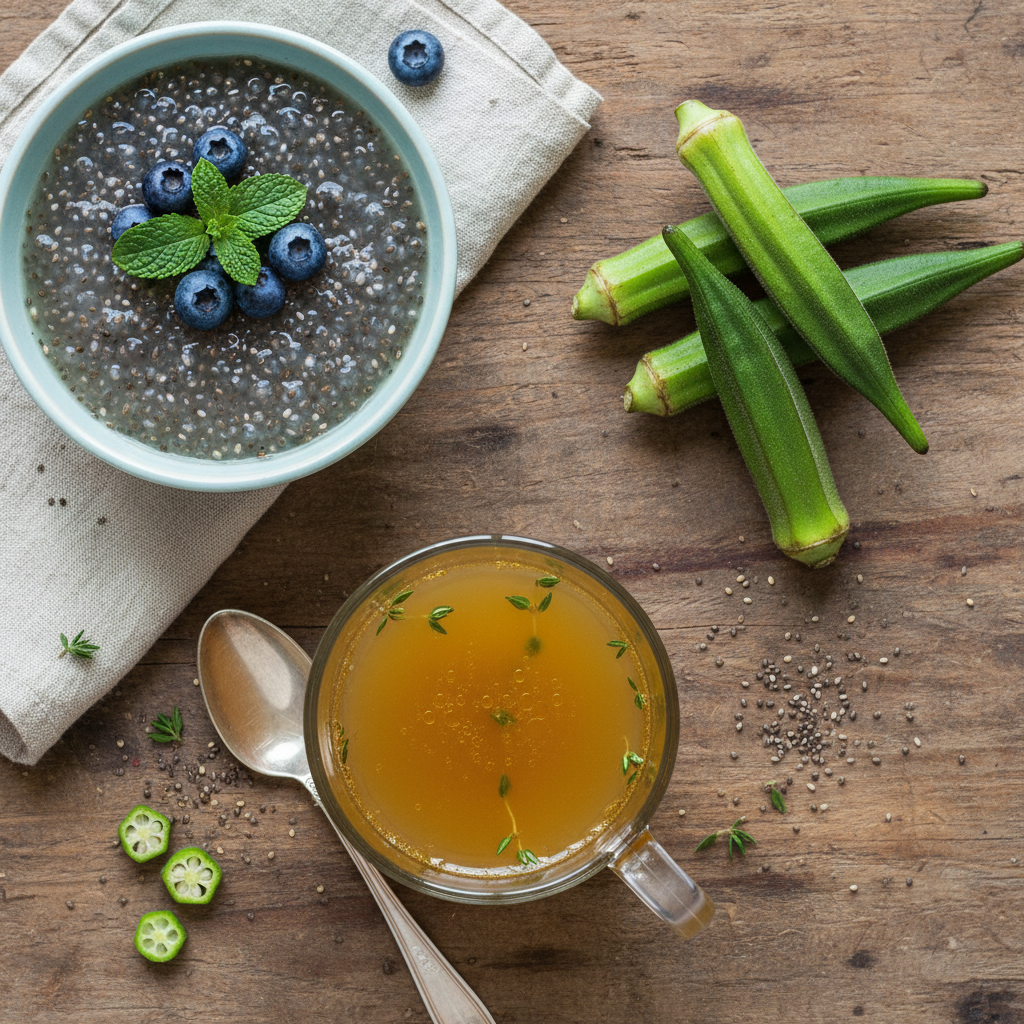
Alright, it’s time to reveal the secret! The ‘slime’ we’re talking about is technically called mucilage. It’s a thick, gelatinous substance found in certain plants that becomes super slippery when mixed with water. This property is what makes it a powerhouse for joint health, as it can help support the body’s natural lubricants. Here are the top slimy superfoods to know:
Okra: The Green Lubricant
Often overlooked, this green veggie is a mucilage champion. When cooked, it releases a slime that’s packed with fiber, vitamins C and K, and antioxidants. This natural goo can help support the viscous quality of your dog’s joint fluid.
Chia Seeds & Flax Seeds: Tiny but Mighty Gels
When you add water to chia or flax seeds, they form a gel-like substance around them. This gel is not only hydrating but also loaded with Omega-3 fatty acids, which are famous for their anti-inflammatory properties. Reducing inflammation is a key part of managing joint discomfort.
Bone Broth: The Gelatin Gold
A slow-simmered bone broth, once cooled, turns into a rich gelatin. This gelatin is a fantastic source of collagen, glucosamine, and chondroitin—the very building blocks of cartilage and connective tissues. It’s a comforting, hydrating, and joint-loving addition to any meal.
Serving It Up Safely: A Practical Guide
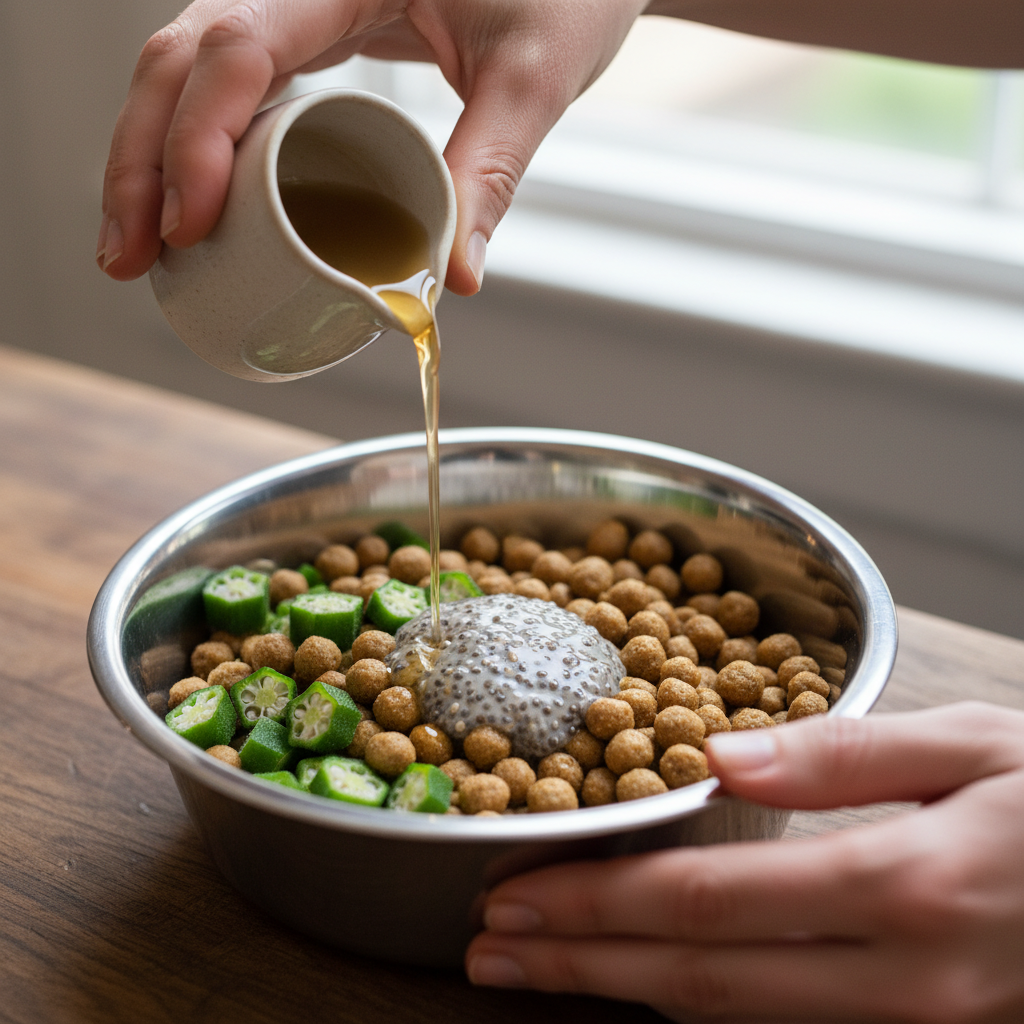
Introducing new foods to your dog’s diet should always be done thoughtfully and gradually. The last thing you want is an upset tummy! Here’s how to safely add these slimy wonders to their bowl.
First and foremost, always check with your veterinarian before making any significant dietary changes, especially if your dog has existing health conditions or is on medication. Once you get the green light, start with a very small amount and watch for any signs of digestive upset.
Preparation and Serving Suggestions:
- Okra: It must be cooked. You can steam or boil it until tender, then chop it into small, bite-sized pieces. The slime will be very apparent!
- Chia Seeds & Flax Seeds: Always soak them in water for at least 30 minutes before serving to form the gel. Never serve them dry, as they can absorb water in the digestive tract. Ground flaxseed is easier for dogs to digest than whole seeds.
- Bone Broth: Ensure it’s made specifically for dogs, with no added salt, onions, or garlic. You can serve it as a liquid ‘gravy’ over their kibble or give them cooled, jiggly gelatin cubes as a treat.
Here is a general serving guide, but your vet’s advice is paramount:
| Superfood | Serving Suggestion (per 20 lbs of body weight) |
|---|---|
| Cooked, Chopped Okra | 1 teaspoon, 2-3 times per week |
| Soaked Chia/Ground Flax | 1/4 teaspoon per day |
| Bone Broth | 1-2 tablespoons per day |
Expert Tip: Start with half the recommended amount for the first week to allow your dog’s system to adjust. Slow and steady wins the race!
More Than Just a Meal: A Holistic Approach to Joint Care

While nutrition is a powerful tool, it’s one piece of the puzzle. Creating a comprehensive joint care plan for your dog will give them the best shot at a comfortable, active life. Think about incorporating these other elements:
- Weight Management: This is non-negotiable. Excess weight puts immense strain on joints. Even losing a pound or two can make a huge difference in your dog’s comfort.
- Low-Impact Exercise: Movement is key to keeping joints lubricated, but the type of exercise matters. Instead of high-impact activities like jumping for a frisbee, opt for gentle leash walks, hiking on soft trails, or swimming. Swimming is fantastic as it builds muscle without stressing the joints.
- A Comfy Place to Rest: An orthopedic dog bed with memory foam can provide incredible support and relieve pressure points while your dog sleeps, helping to reduce stiffness upon waking.
- Consider Other Supplements: Green-lipped mussel, turmeric, and fish oil are other well-researched supplements that can complement a joint-friendly diet. Again, talk to your vet to see which, if any, are right for your pup.
Conclusion
Taking a proactive approach to your dog’s joint health can add years of happy, comfortable mobility to their life. It’s not about finding a single magic bullet, but about building a supportive lifestyle. By incorporating ‘slimy’ superfoods like okra, chia seeds, and bone broth, you’re providing natural, whole-food-based building blocks to help lubricate and protect their joints from the inside out. Paired with proper exercise and weight management, these simple dietary additions can be a game-changer. Remember to start slow, have fun with it, and always keep your vet in the loop. Here’s to many more years of happy walks, playful pounces, and cozy cuddles with your best friend!