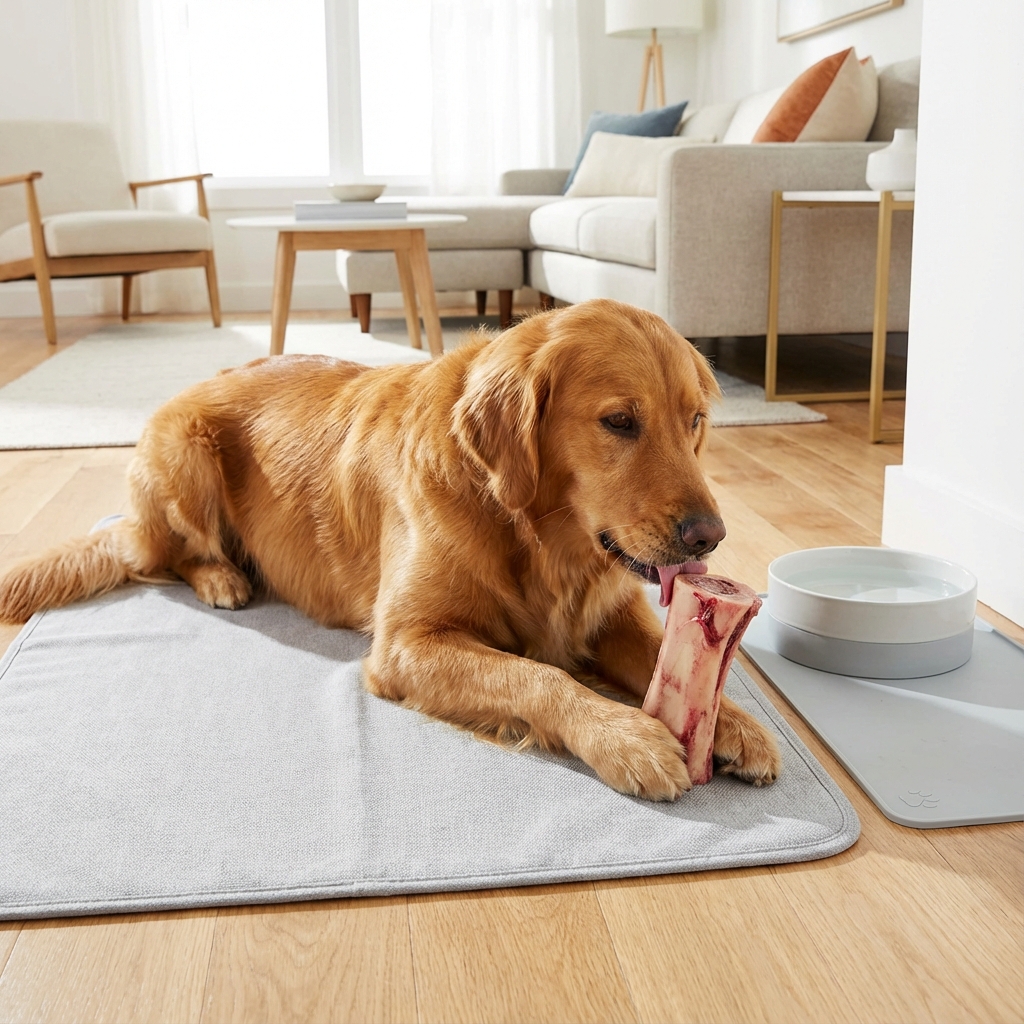
The Safe Way to Prep Raw Marrow Bones (Avoid Fractures)
There are few things that bring a look of pure, unadulterated joy to a dog’s face quite like a fresh bone. As pet parents, we love to provide these natural, instinct-satisfying treats. Raw marrow bones, in particular, are often touted as a top-tier choice for enrichment and dental health. And they can be! But there’s a serious, often overlooked, danger that can turn this delightful treat into a painful, costly veterinary emergency: fractured teeth.
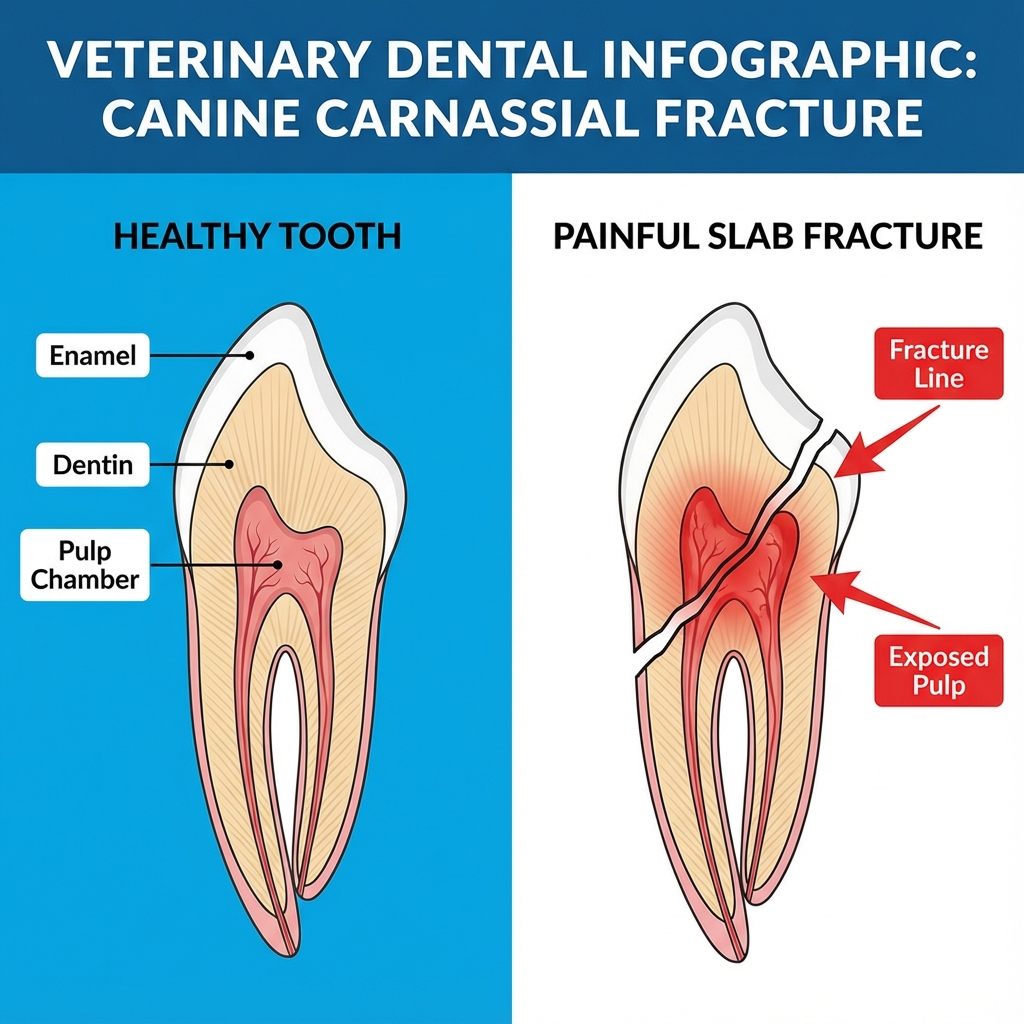
You might be surprised to learn just how common this is. The dense, weight-bearing bones from large animals like cattle are incredibly hard—often harder than your dog’s teeth. Aggressive chewing can easily lead to slab fractures of the major chewing teeth (the carnassials), requiring expensive dental surgery.
But don’t worry, this doesn’t mean marrow bones are completely off the menu. It just means we need to be smarter and safer about how we offer them. This guide will walk you through everything you need to know, from picking the perfect bone at the butcher to the safest way to serve it and, most importantly, when to take it away. Let’s make bone time a safe and happy time for everyone.
The Good, The Bad, and The Tooth-Breaking Ugly of Marrow Bones
Why do dogs and their owners love marrow bones so much? Let’s break down the benefits and the serious risks you need to weigh.
The Good: More Than Just a Treat
Marrow bones aren’t just empty calories. When offered safely, they provide several key benefits:
- Mental Stimulation: The act of working to get the marrow out of the bone is a fantastic puzzle for your dog’s brain. It can alleviate boredom, reduce anxiety, and prevent destructive behaviors.
- Dental Health (with a caveat): The gentle scraping action of licking and gnawing on a raw bone can help remove plaque and tartar from teeth. However, this benefit is negated if the dog chews aggressively enough to break a tooth.
- Nutritional Boost: The marrow itself is rich in healthy fats and nutrients. It’s a delicious, high-value reward that dogs find irresistible.
The Bad: Potential Digestive and Safety Issues
Beyond fractures, there are other concerns to be aware of:
- Bacterial Contamination: Raw meat products can carry bacteria like Salmonella and E. coli. It’s crucial to source bones from a reputable butcher and handle them with proper food safety, just as you would with your own raw meat.
- Digestive Upset: The high fat content of marrow can be too rich for some dogs, potentially leading to diarrhea or, in more serious cases, pancreatitis.
- Choking or Blockages: If a dog breaks off a piece of bone or is given a bone that is too small, it can become a choking hazard or cause an intestinal blockage.
The Ugly: The Reality of Tooth Fractures
This is the most significant risk associated with marrow bones. The fourth upper premolar, or carnassial tooth, is the most common victim. Its shape and function make it perfect for shearing, but it’s also highly susceptible to a specific type of break called a slab fracture when a dog bites down on a very hard object.
A slab fracture occurs when a ‘slab’ of the tooth shears off, often exposing the sensitive pulp cavity underneath. This is incredibly painful and almost always requires extraction or a root canal performed by a veterinary dentist.
The culprit is almost always a hard, dense, weight-bearing leg bone from a large animal. The force your dog can exert with their jaws is immense, and when that force meets an object harder than their tooth enamel, the tooth is what gives way.
How to Choose the Right Bone: Size, Source, and Type Matter

Your mission to prevent fractures starts at the store. Not all bones are created equal, and choosing the right one is your first and most important line of defense.
Rule #1: The Muzzle Rule
The most basic safety rule for any bone is size. A raw bone should always be longer than your dog’s muzzle. This makes it physically impossible for them to get their entire mouth around it and attempt to swallow it whole. For marrow bones, which are often cut into cross-sections, choose a piece that is large enough that it can’t become a choking hazard.
Rule #2: Know Your Source
Always buy your bones from a trusted local butcher or a grocery store with a quality butcher counter. Avoid bones that are pre-packaged and sold as ‘soup bones’ if they look old or discolored. You want fresh, high-quality bones that have been handled with food-safe practices. Explain to the butcher that the bone is for a dog and what size your dog is; they can often help you select an appropriate cut.
Rule #3: Understand Bone Types
This is where many well-meaning owners go wrong. The term ‘marrow bone’ usually refers to a femur or leg bone from a cow. These are weight-bearing bones, designed to support the weight of a 1,000+ pound animal, which makes them incredibly dense and hard.
Here’s a comparison of common bone types:
| Bone Type | Description | Best For | Risk Level |
|---|---|---|---|
| Femur/Marrow Bones | Cut from the leg. Very hard, dense, and filled with rich marrow. | Licking out the marrow only; not for prolonged chewing. | High for tooth fractures. |
| Knuckle Bones | From the joints. Softer, more cartilaginous, and less dense than femur bones. | Safer, recreational chewing. | Medium; still requires supervision. |
| Rib Bones | Softer, more pliable bones. Dogs can often consume the entire bone. | Recreational chewing for gentle chewers. | Low-Medium; can splinter if cooked. Must be served raw. |
| Neck Bones | Contain more meat and cartilage, making them softer and fully edible for many dogs. | A good option for a meal replacement for raw-fed dogs or a long-lasting chew. | Low; bones are softer and less likely to cause fractures. |
For the purposes of this article, we’re focusing on the classic, hard femur ‘marrow bone’. The key takeaway is that these should be treated as a ‘marrow dispenser,’ not as a long-term chew toy.
The Step-by-Step Safe Preparation & Serving Guide
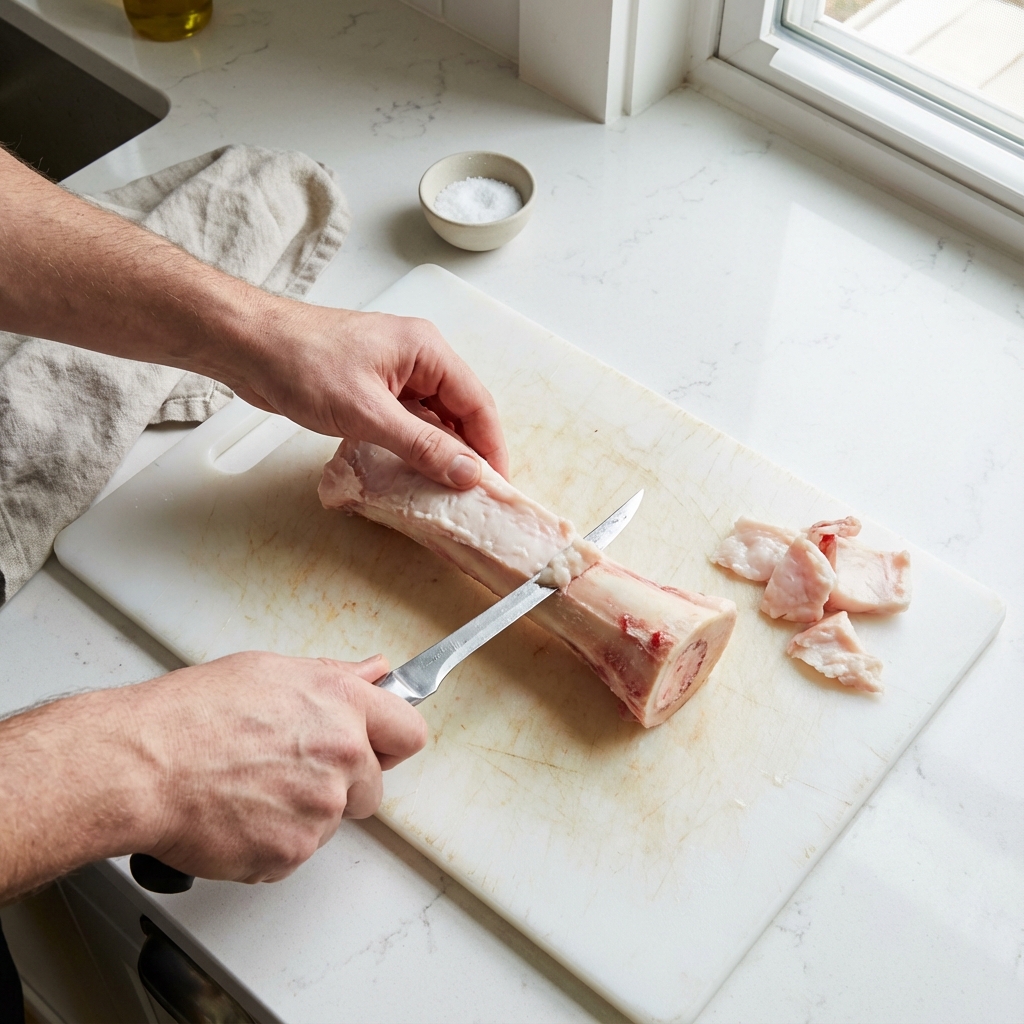
Once you have the perfect bone, it’s time to prep it for your furry friend. Following these steps will minimize risks and maximize safe enjoyment.
- Thaw Safely: If your bones are frozen, the safest way to thaw them is in the refrigerator. Place the bone in a container or on a plate to catch any juices and leave it in the fridge for 24 hours. Never thaw a bone on the countertop, as this allows surface bacteria to multiply rapidly.
- Trim Excess Fat: Marrow is already very rich. Some marrow bones come with a thick layer of fat and tissue on the outside. It’s a good idea to trim most of this off with a sharp knife. This helps prevent an upset stomach or a more serious bout of pancreatitis, especially for sensitive dogs.
- The Cooking Question: Just Say No: Let’s be crystal clear: NEVER, EVER give your dog a cooked bone. Cooking a bone changes its entire structure. It dries it out, making it brittle and prone to splintering into sharp, dangerous shards. These splinters can cause choking, broken teeth, and severe, life-threatening perforations of the mouth, throat, stomach, and intestines. This rule is absolute and non-negotiable.
- Choose the Right Location: Raw bones are messy. Designate a specific, easy-to-clean area for bone time. This could be in their crate, on a tile floor, on a special washable mat, or outside on the lawn. This contains the mess and prevents raw meat juices from contaminating your carpets and furniture.
- Serve and Supervise: Now it’s time for the fun part! Give the prepared bone to your dog and let the enjoyment begin. But your job isn’t done yet. The next section covers the most important part of the process: active supervision.
Supervised Sessions: Your Role During ‘Bone Time’

Handing over the bone is just the start. Your active supervision is what ensures the experience stays safe from start to finish. This isn’t a ‘set it and forget it’ treat.
The Golden Rules of Supervision
- Stay Present: Always stay in the same room as your dog when they have a marrow bone. Watch how they are interacting with it. Are they licking and gently gnawing, or are they trying to crack it like a nut?
- Set a Time Limit: Limit chewing sessions to about 15-20 minutes. This is usually long enough for them to get most of the marrow out and enjoy the enrichment without becoming overly fixated, making their gums sore, or starting to chew aggressively on the hard outer bone.
- Embrace the ‘Marrow Only’ Method: This is the key to avoiding fractures. The goal is for your dog to lick and scrape out the delicious marrow. Once the marrow is gone, the treat is over. The hard, empty bone casing is the dangerous part. Don’t let your dog continue to chew on the empty, rock-hard bone for hours.
- Know When to Intervene: If you hear cracking sounds or see your dog positioning the bone in the back of their mouth and biting down with extreme force, it’s time to take the bone away. This is the behavior that leads to fractures.
- Teach a ‘Trade’ Cue: Your dog may not be happy about giving up their prized possession. Proactively teach a ‘trade’ or ‘drop it’ cue. Offer an even higher-value treat (like a piece of cheese or chicken) in exchange for the bone. This makes the process positive and prevents resource guarding.
Expert Tip: For a longer-lasting treat, you can scoop the marrow out of the bone before giving it to your dog. Stuff the marrow into a tough rubber Kong toy and freeze it. This provides all the nutritional benefit and enrichment without any of the fracture risk!
Safer Alternatives for Power-Chewing Pups
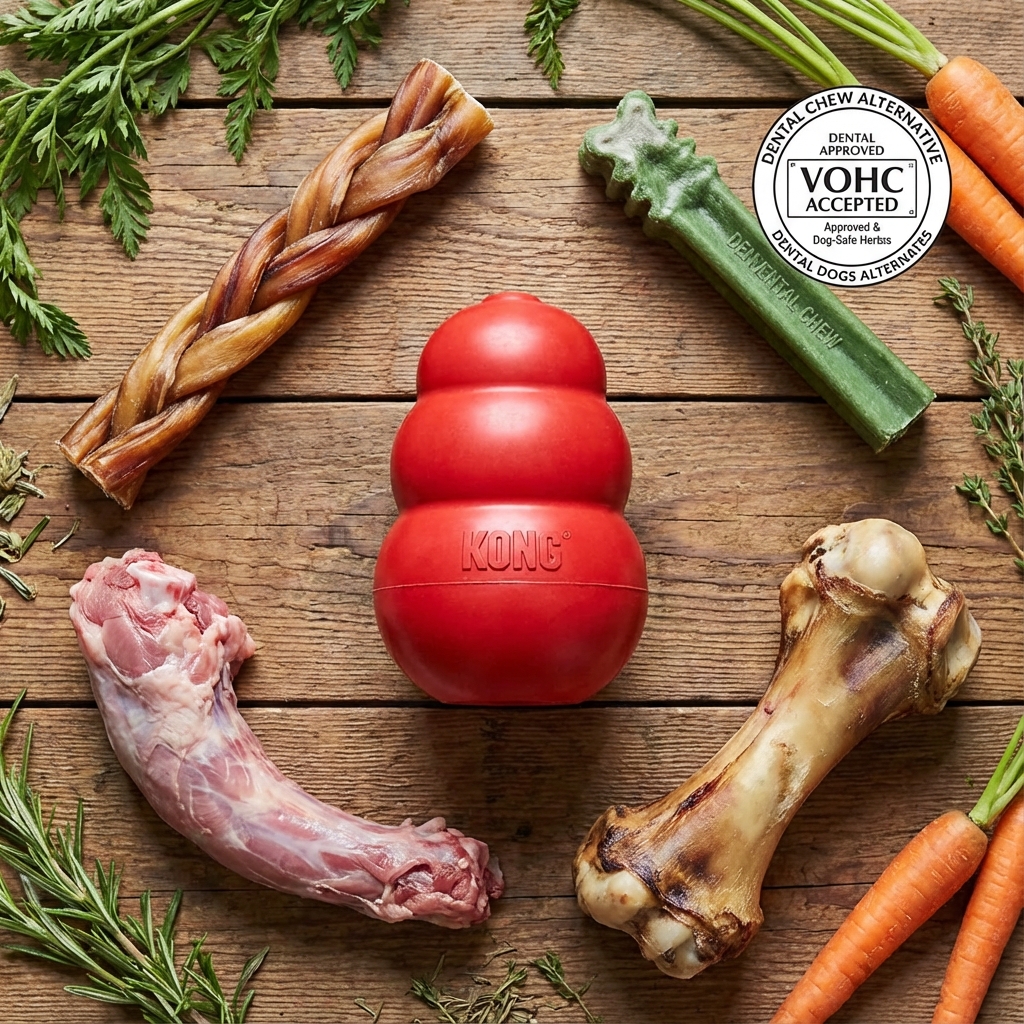
Let’s be honest: for some dogs, hard marrow bones are just not a good idea. If you have a true power chewer, a dog with existing dental issues, or you simply aren’t comfortable with the risks, there are plenty of fantastic and safer alternatives to provide that same chewing satisfaction.
For the Raw Food Enthusiast:
- Softer Raw Bones: Consider raw chicken or duck necks, turkey necks, or beef rib bones. These are much softer and more pliable, designed to be fully consumed, and are far less likely to cause fractures.
- Raw Knuckle Bones: As mentioned earlier, these are softer and more cartilaginous than femurs, making them a better choice for gentle, recreational chewing.
For Enrichment and Chewing:
- Stuffable Rubber Toys: Toys from brands like Kong, West Paw, or GoughNuts are a godsend for power chewers. They are made from durable, dog-safe rubber. You can stuff them with marrow, wet food, peanut butter, or yogurt and freeze them for a challenging, long-lasting, and completely tooth-safe treat.
- Edible Dental Chews: Look for chews that have the seal of approval from the Veterinary Oral Health Council (VOHC). These products have been scientifically proven to help reduce plaque and tartar.
- Natural Chews: Items like bully sticks, beef tendons, or collagen chews can be great options. However, these still require supervision as large pieces can become choking hazards once they are chewed down.
Ultimately, you know your dog best. Choosing a chew that matches their chewing style, age, and health status is the most responsible decision you can make.
Conclusion
Raw marrow bones can be a wonderful part of an enrichment routine for many dogs, offering mental stimulation and a satisfying treat. However, the ‘natural’ label doesn’t automatically mean ‘safe’. The risk of a painful and serious tooth fracture is very real, but it’s also highly preventable.
By remembering the three pillars of bone safety—Choose Correctly, Prep Safely, and Supervise Actively—you can mitigate the risks. Focus on the marrow as the prize, not the bone itself. Limit the session, and once the marrow is gone, trade the bone for something else. And if you have any doubt, especially if you have a dog who chews with the force of a hydraulic press, opt for one of the many safer alternatives available.
Your dog’s health and safety are paramount. Making informed, careful choices ensures that treat time remains a source of joy, not a trip to the emergency vet.