The Puppy Witching Hour: Surviving The 7 PM Crazy Zoomies
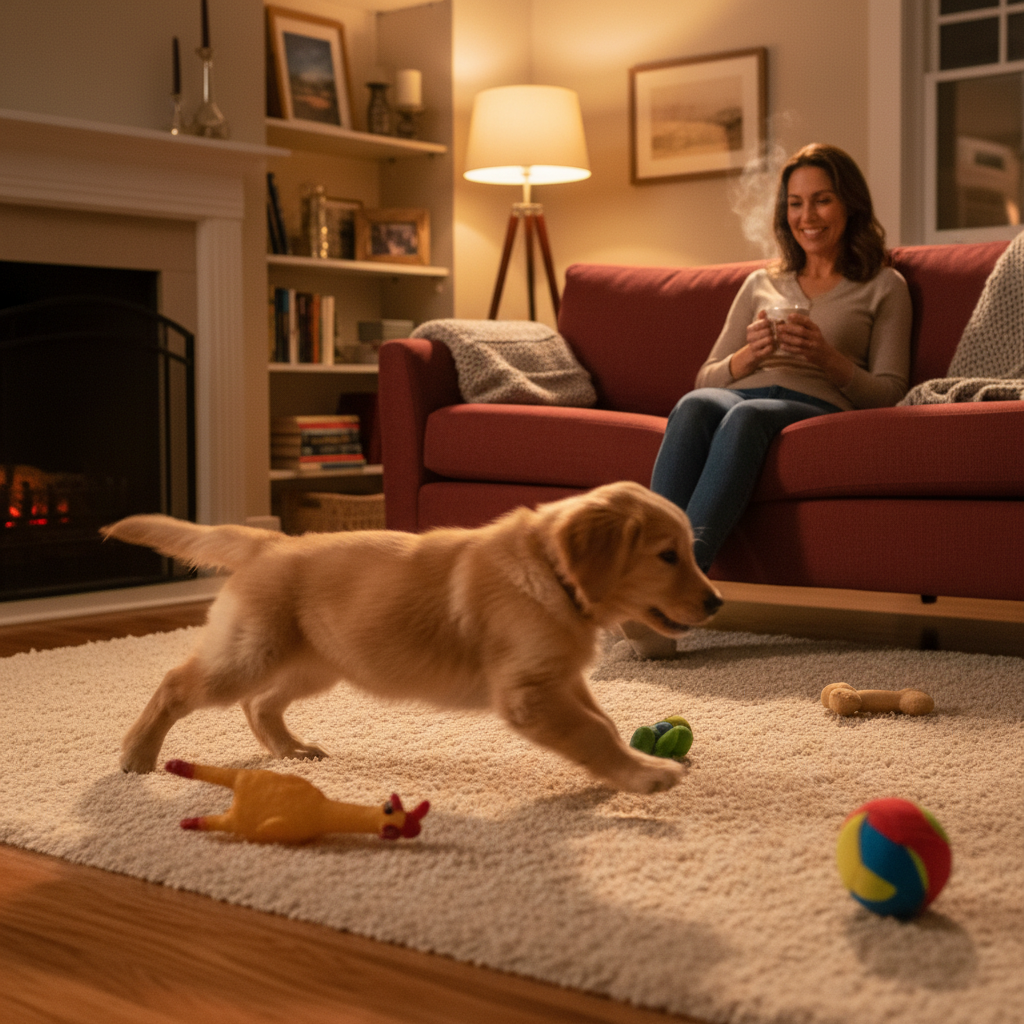
It’s 7 PM. You’re settling down after a long day, and your sweet, cuddly puppy, who has been an angel all afternoon, suddenly transforms. Their eyes go wide, their tail becomes a propeller, and they launch into a frantic, high-speed rampage around your living room. They’re bouncing off furniture, pouncing on imaginary foes, and playfully nipping at your ankles. Sound familiar? Congratulations, you’ve just experienced the Puppy Witching Hour. Don’t worry, you haven’t adopted a tiny demon! This burst of chaotic energy, often called ‘the zoomies,’ is a completely normal part of puppyhood. In this guide, we’ll break down why it happens and give you a step-by-step plan to manage the madness and restore peace to your evenings.
Understanding the ‘Why’ Behind the Zoomies

What Exactly IS the Puppy Witching Hour?
Before you can manage the zoomies, it helps to know what’s causing them. This isn’t random chaos; there’s a reason for your pup’s sudden energy surge. Vets and trainers often refer to these episodes as Frenetic Random Activity Periods, or FRAPs. They are a natural way for dogs to release pent-up energy and stress. The evening timing is common because it’s often the culmination of the day’s events. Here are the most common triggers:
- Overtiredness: Just like a toddler who fights sleep by getting hyper, an overstimulated and overtired puppy can have a meltdown. Their self-control is low, and their energy spills out in a chaotic burst.
- Pent-Up Energy: If your puppy has been crated or napping for a large part of the afternoon, they’ll wake up with a full tank of energy ready to be burned.
- Developmental Phase: Puppies are learning about the world, and this includes testing boundaries. The witching hour can be a way for them to explore their physical abilities and get your attention.
- Teething Discomfort: Uncomfortable gums can make a puppy feel agitated and antsy. A frantic chew or zoom session can be a way to relieve some of that pressure and frustration.
- Basic Needs: Sometimes, the answer is simple! They might be hungry, thirsty, or need a potty break. Their frantic behavior is their (not-so-subtle) way of telling you something’s up.
Step 1: Proactive Energy Management (Your All-Day Game Plan)
The Pre-emptive Strike: Managing Energy Throughout the Day
The best way to survive the witching hour is to prevent it from getting out of control in the first place. This doesn’t mean tiring your puppy out completely—an overtired puppy is a recipe for disaster. Instead, focus on a balanced routine of structured activity and rest throughout the day. A well-managed puppy is less likely to have a huge energy surplus by evening.
A Sample Puppy Daily Flow:
- Morning: Start with a potty break, followed by breakfast (often in a puzzle feeder to engage their brain). A short walk or a lively 15-minute play session is next.
- Mid-Day: This is a great time for a structured nap in their crate or pen. After they wake, have a short training session (5-10 minutes) working on commands like ‘sit’ or ‘stay’. Mental exercise is just as tiring as physical exercise!
- Afternoon: Another potty break and some quiet time with a chew toy can lead into another scheduled nap. Enforced naps are crucial for preventing overtiredness.
- Early Evening: Before the witching hour typically strikes, engage them in a calming activity. A ‘sniffari’ walk where they can sniff to their heart’s content is great mental stimulation.
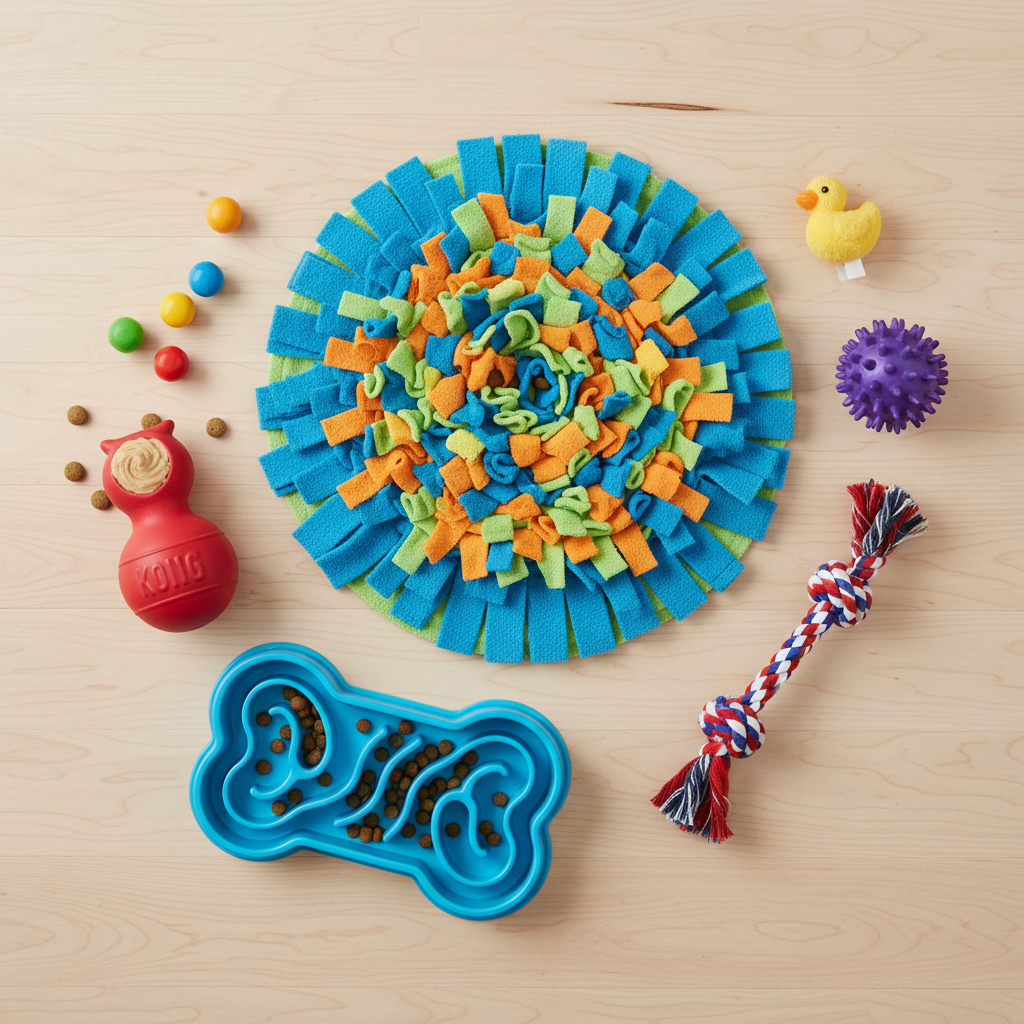
Expert Tip: Mental stimulation is your secret weapon. Tools like snuffle mats, puzzle toys, and slow-feeder bowls make your puppy work for their food, which is incredibly satisfying and tiring for them.
Step 2: Navigating the Craziness in Real-Time
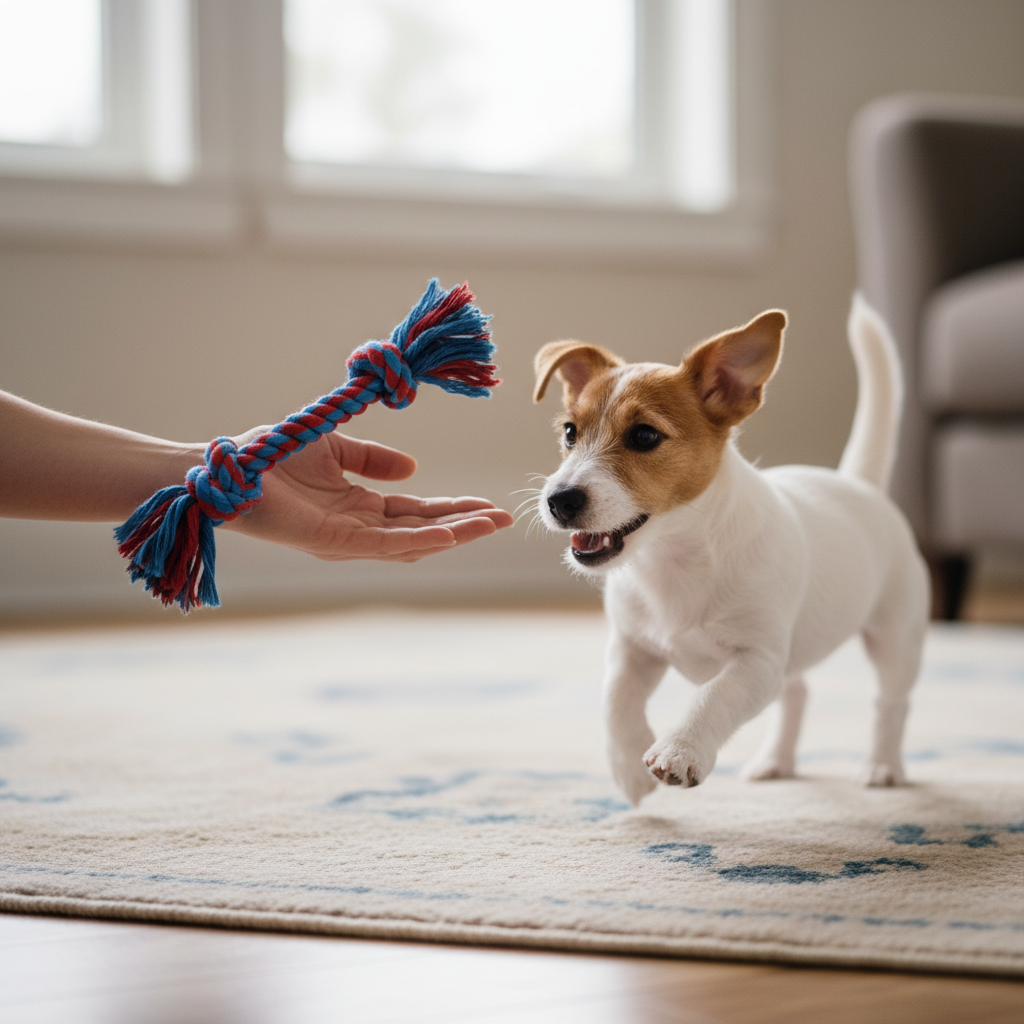
What to Do When the Zoomies Hit
So, you’ve tried to be proactive, but the 7 PM crazies have arrived anyway. It happens! The key here is not to stop the zoomies, but to redirect them into a safer, more acceptable activity. Punishing a puppy for having energy will only create fear and anxiety.
Safe Redirection Techniques:
- Puppy-Proof the Area: First, ensure the room is safe. Remove fragile items, secure loose rugs, and block off stairs. Give them a safe space to get their energy out.
- Channel the Energy: Instead of letting them nip at your furniture, toss a soft toy for them to chase. Engage them in a game of tug-of-war with an appropriate toy. The goal is to give their energy a positive outlet.
- Engage Their Nose: The moment the zoomies start, grab a handful of their kibble and toss it into the grass or onto a snuffle mat. The act of sniffing and searching is naturally calming for dogs and redirects their focus from chaotic running to focused foraging.
- Offer a Special Chew: Have a high-value, long-lasting chew toy ready specifically for this time of day. A frozen Kong filled with plain yogurt or a safe dental chew can capture their attention and help them settle down.
Remember to stay calm yourself. If you get frantic, you’ll only add fuel to their energetic fire. Use a calm, happy voice and guide them towards the activity you want them to do.
Step 3: Cultivating Calm and Preventing Nipping
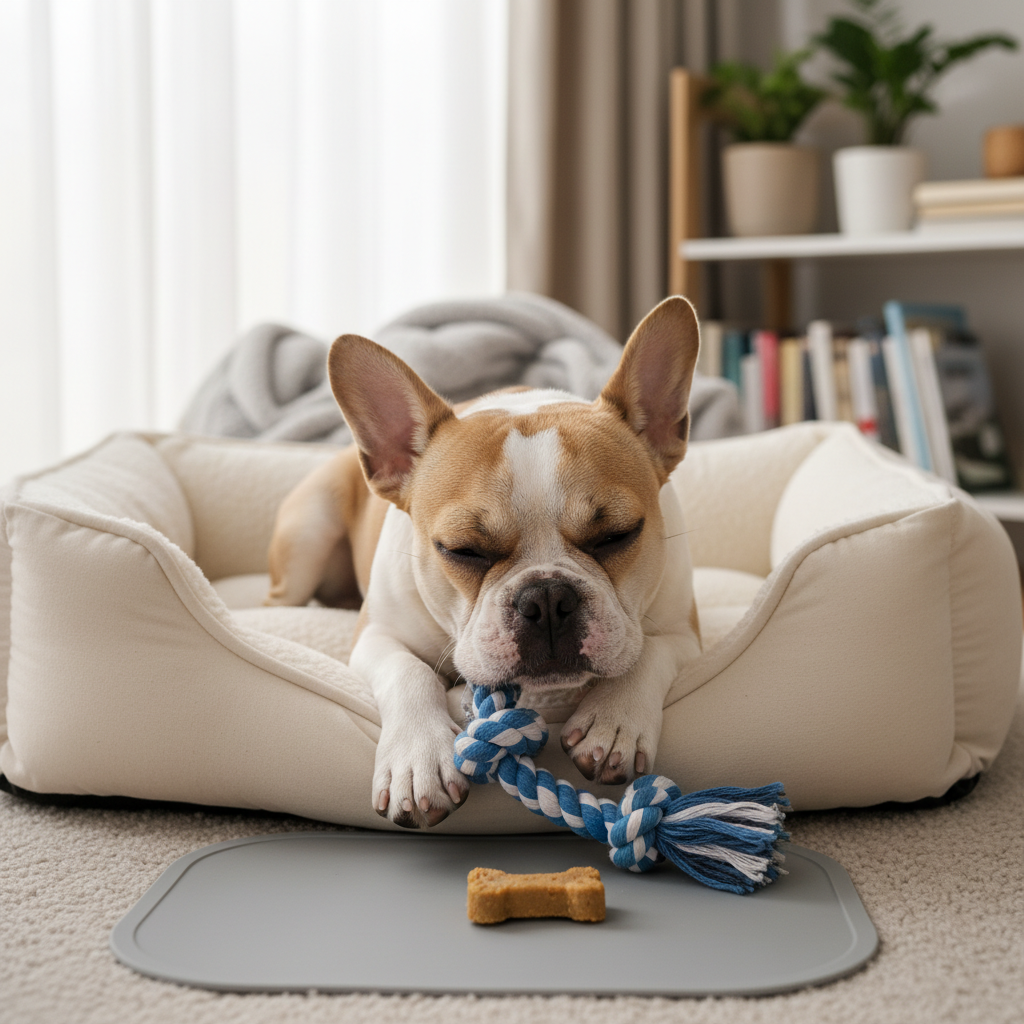
The Power of Calm: Teaching an ‘Off Switch’
One of the most challenging parts of the witching hour is the increased nipping and biting. An overstimulated puppy has very little bite inhibition. This is why teaching your puppy how to be calm is one of the most valuable skills you can impart. You need to teach them that settling down is a rewarding behavior.
How to ‘Capture Calmness’:
- Find a Calm Moment: Throughout the day, watch for any time your puppy chooses to lie down and relax on their own. It could be for just a few seconds.
- Mark and Reward: Without making a big fuss, calmly walk over and drop a small, tasty treat between their paws. You can say a soft ‘Good settle’ as you do it.
- Don’t Overexcite Them: The goal is to reward the calm behavior without triggering excitement. Use a calm voice and gentle movements.
- Rinse and Repeat: Do this consistently every day. Your puppy will start to learn that lying down peacefully makes good things happen. This creates a positive association with being calm, giving you a tool to use when they’re overstimulated.
This isn’t a quick fix, but over time, ‘capturing calmness’ helps your puppy develop a crucial life skill: the ability to settle themselves down. This makes surviving the witching hour—and all of adolescence—much, much easier.
Conclusion
The puppy witching hour can feel overwhelming, but remember, it’s a temporary phase. It’s not a sign of a ‘bad dog’; it’s a sign of a normal, healthy puppy developing. By understanding the causes, managing their daily routine, redirecting their energy safely, and teaching them the invaluable skill of being calm, you can navigate this chaotic period with confidence. So take a deep breath, arm yourself with some puzzle toys and treats, and try to enjoy the wild, wonderful energy of your new best friend. Before you know it, these crazy evenings will be a fond, funny memory.