“The No Beg” Method: Eat In Peace Without Your Dog Staring You Down”
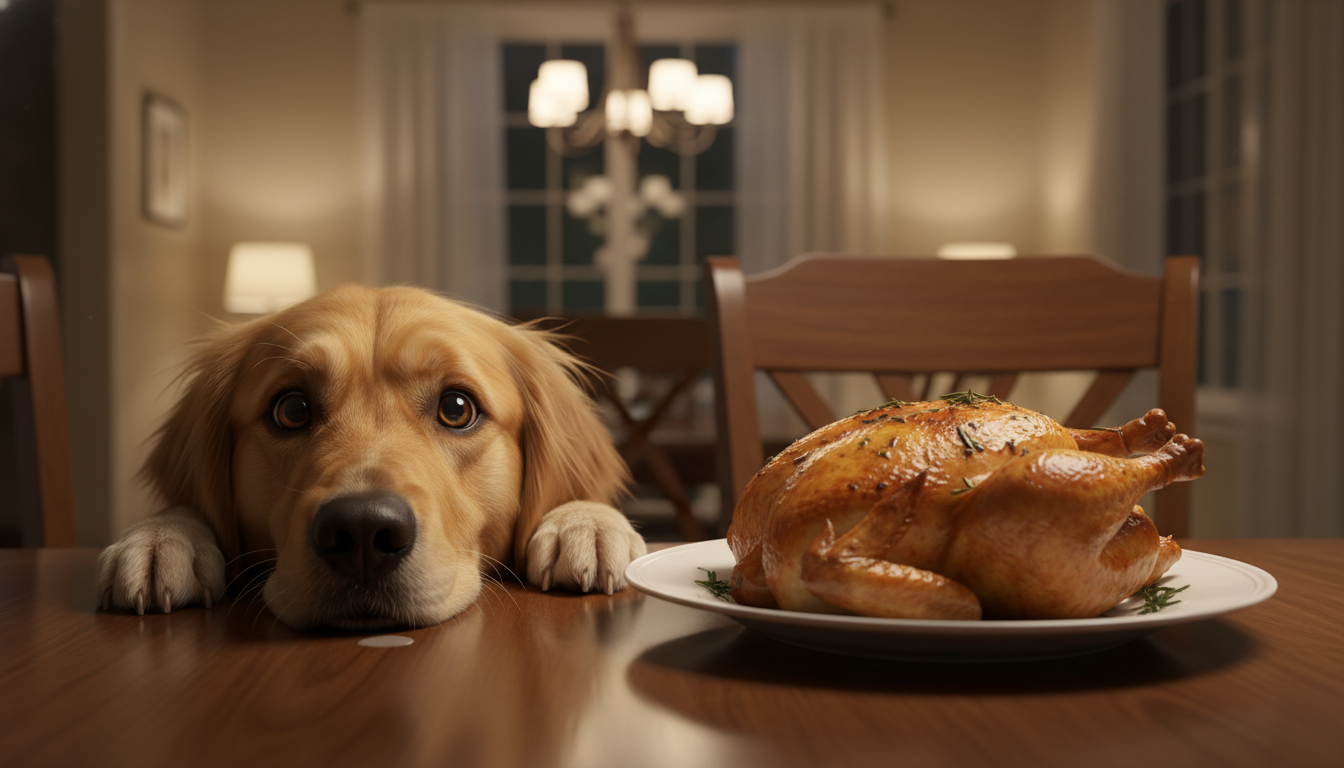
There is a universal experience shared by almost every dog owner: you sit down to enjoy a well-deserved meal, pick up your fork, and suddenly feel a pair of eyes burning into you. You look down to find your canine companion staring with an intensity that rivals a laser beam, perhaps accompanied by a heavy sigh, a nudge of the nose, or a puddle of drool. This is the begging behavior, and while it may seem cute initially, it can quickly become a nuisance that disrupts the peace of your dining experience.
Begging is rarely about hunger; it is a learned behavior rooted in opportunism and conditioning. Dogs are expert scavengers and keen observers of human behavior. If staring, whining, or pawing has resulted in a tasty morsel even once in the past, your dog has learned that persistence pays off. This is known as intermittent reinforcement, and it creates a habit that is incredibly difficult to break without a structured approach.
In this guide, we will implement “The No Beg” Method. This is not merely a command but a comprehensive behavioral modification strategy designed to reset your dog’s expectations around human food. By combining management techniques, the “Place” command, and the psychological principle of extinction, you can reclaim your dinner table and teach your dog that polite independence is far more rewarding than staring you down.
The Psychology of Begging: Why They Do It
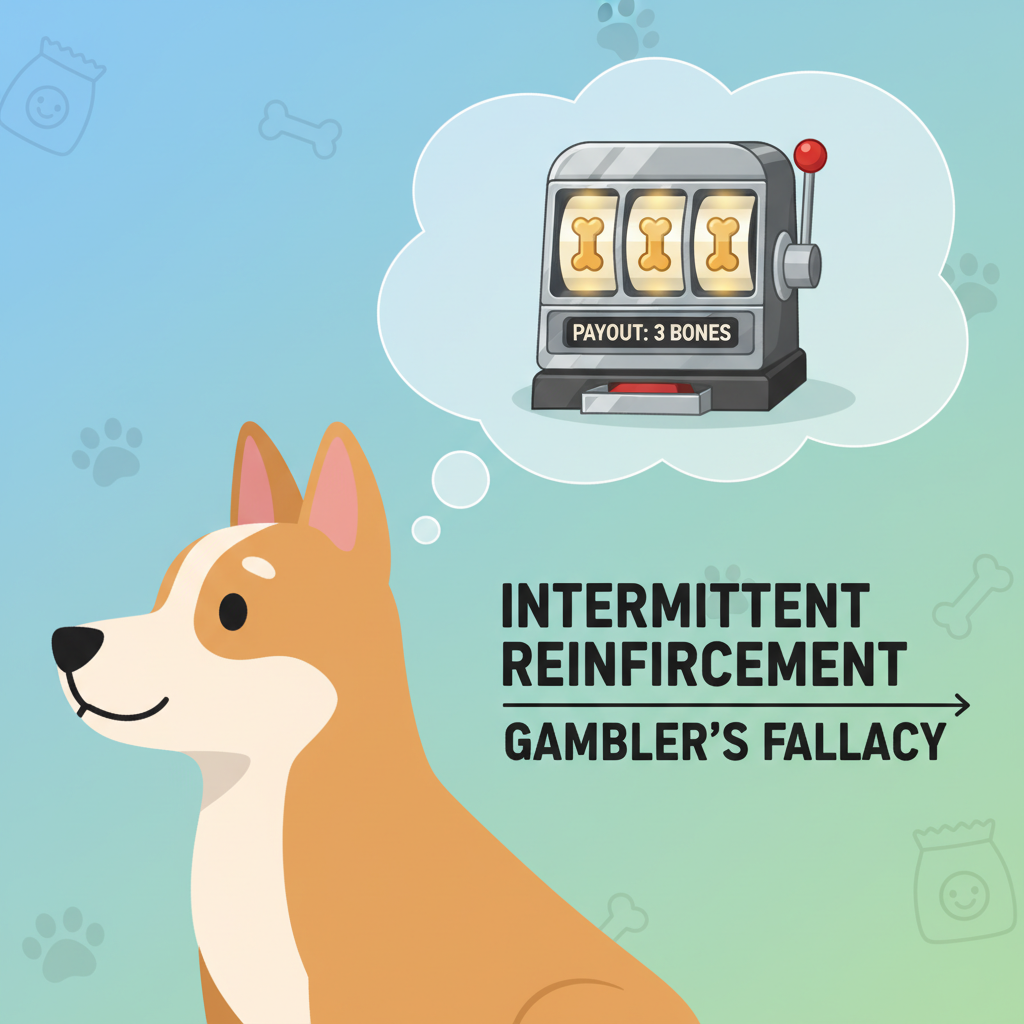
To stop the behavior, we must first understand why it persists. In the wild, canines are opportunistic feeders. They are biologically wired to seek out food sources. However, in a domestic setting, begging is almost entirely a human-created problem. It operates on the principle of the Slot Machine Effect (variable ratio reinforcement).
If you ignore your dog’s begging 99 times but give in on the 100th time because they looked particularly sad or you were tired, you have just taught them that the price of a treat is 100 stares. They become like a gambler at a slot machine, pulling the lever (begging) over and over again because they know a payout is eventually possible.
Furthermore, even negative attention can reinforce the behavior. Pushing the dog away, saying “no” repeatedly, or making eye contact engages the dog. To a dog seeking interaction, any reaction is better than no reaction. The “No Beg” Method relies on removing all reinforcement—food, touch, and eye contact—to alter the dog’s motivation.
Phase 1: Management and Prevention
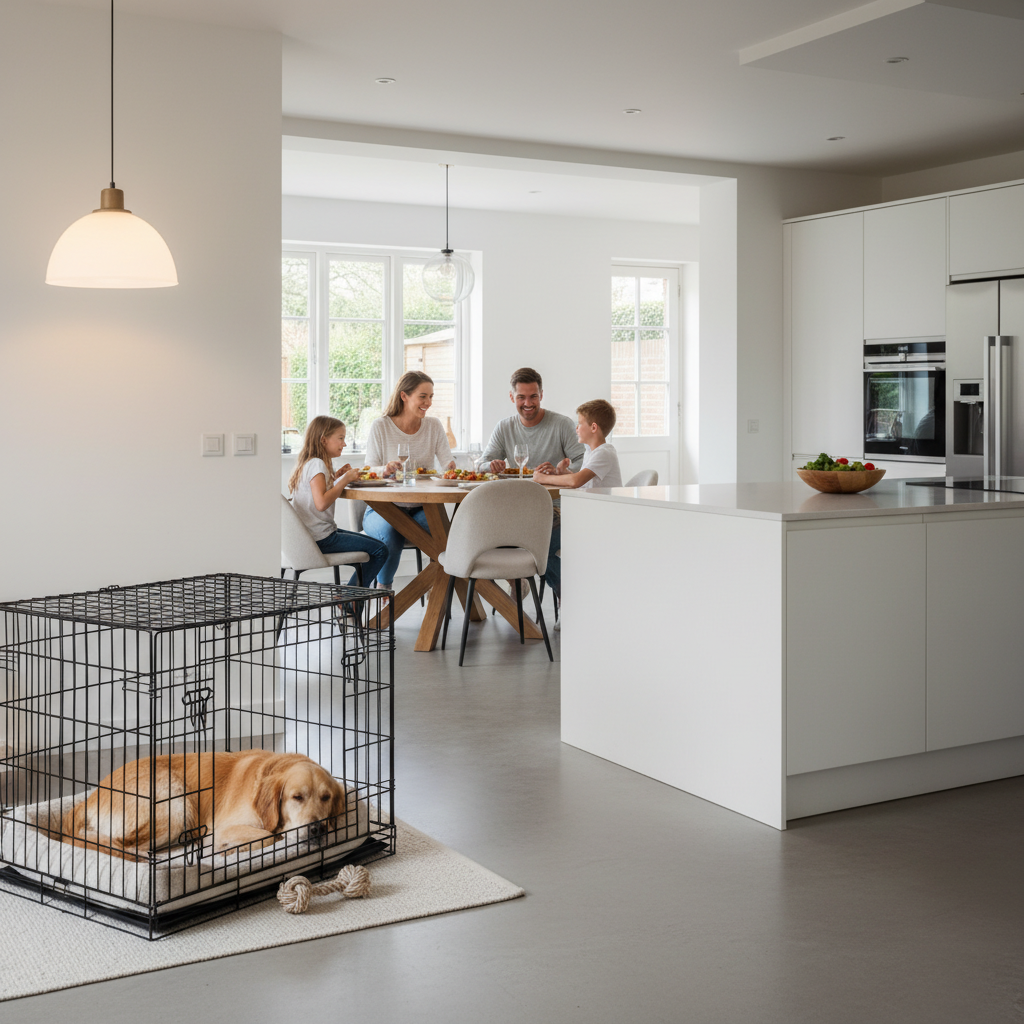
Before active training begins, you must stop the bleeding. You cannot train a behavior out if it is being reinforced simultaneously. Phase 1 is about environmental management. If your dog cannot practice the bad behavior, they cannot be rewarded for it.
Physical Separation
For many dogs, the proximity to the table is the trigger. During this phase, use physical barriers to prevent the dog from approaching the table entirely.
- Baby Gates: Keep the dog in an adjacent room where they can see you but cannot approach.
- Crating: If your dog is crate trained, mealtime is an excellent time for them to rest in their crate with a safe chew.
- Tethering: Use a leash to tether the dog to a heavy piece of furniture a few feet away from the table on a comfortable bed.
This separation breaks the immediate habit loop of “sit at feet -> stare -> receive food.” It resets the expectation that human mealtime equals dog mealtime.
Phase 2: The “Place” Command Strategy
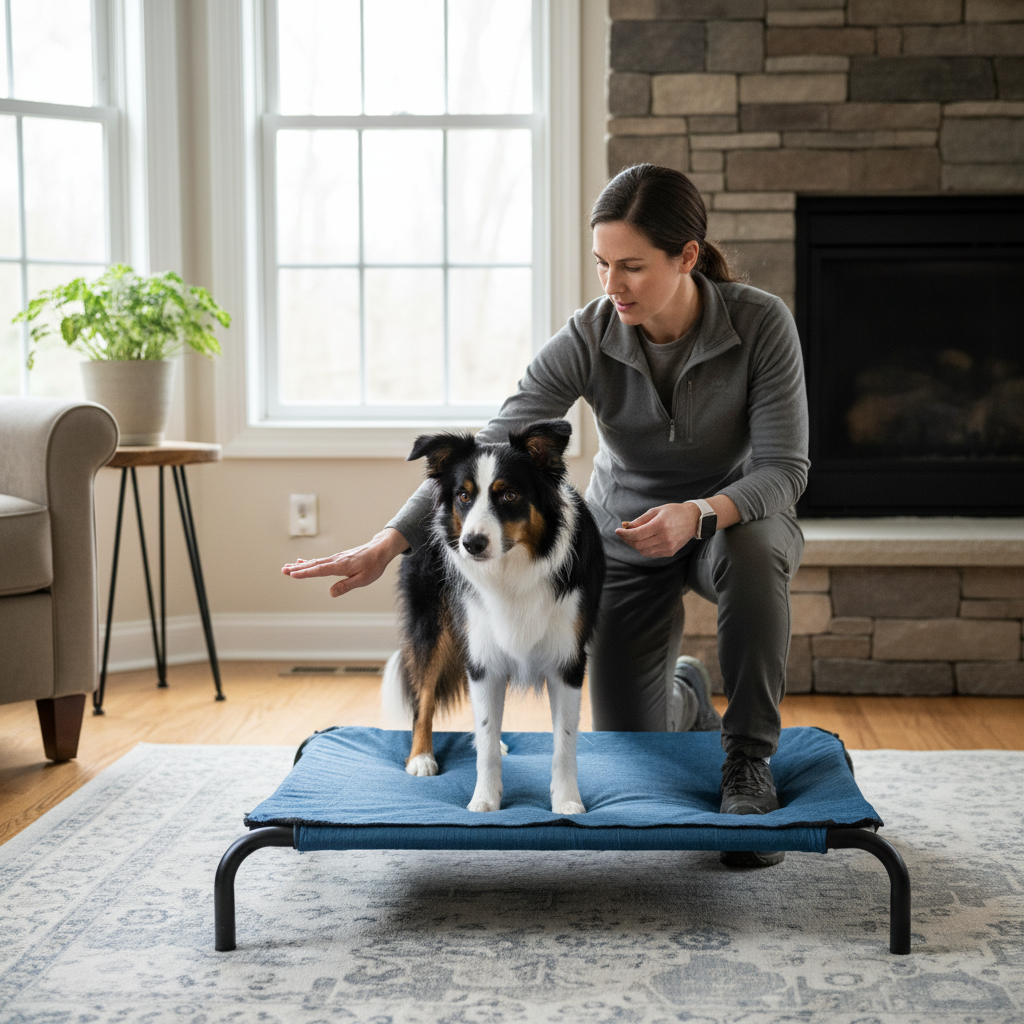
Once you are ready to have the dog in the same room, you must provide them with an alternative job. You cannot simply tell a dog “don’t beg” without telling them what to do instead. This is where the “Place” command is invaluable.
The goal is to teach your dog to go to a specific mat, bed, or raised cot and stay there until released. This spot becomes their “dining zone”—a place of relaxation, not anticipation.
Steps to Implement “Place” During Meals:
- Establish the Behavior: Practice the “Place” command outside of mealtimes first. Reward heavily for going to the mat and lying down.
- Add Duration: Gradually increase the time the dog must stay on the mat before being released.
- Introduce Distractions: Simulate eating at the table while the dog is on their place. If they get up, calmly guide them back without emotion.
- Reward the Silence: Occasionally walk over to the mat and drop a treat only if the dog is lying down and not whining. This teaches them that food comes to the mat, not from the table.
Phase 3: The Extinction Protocol
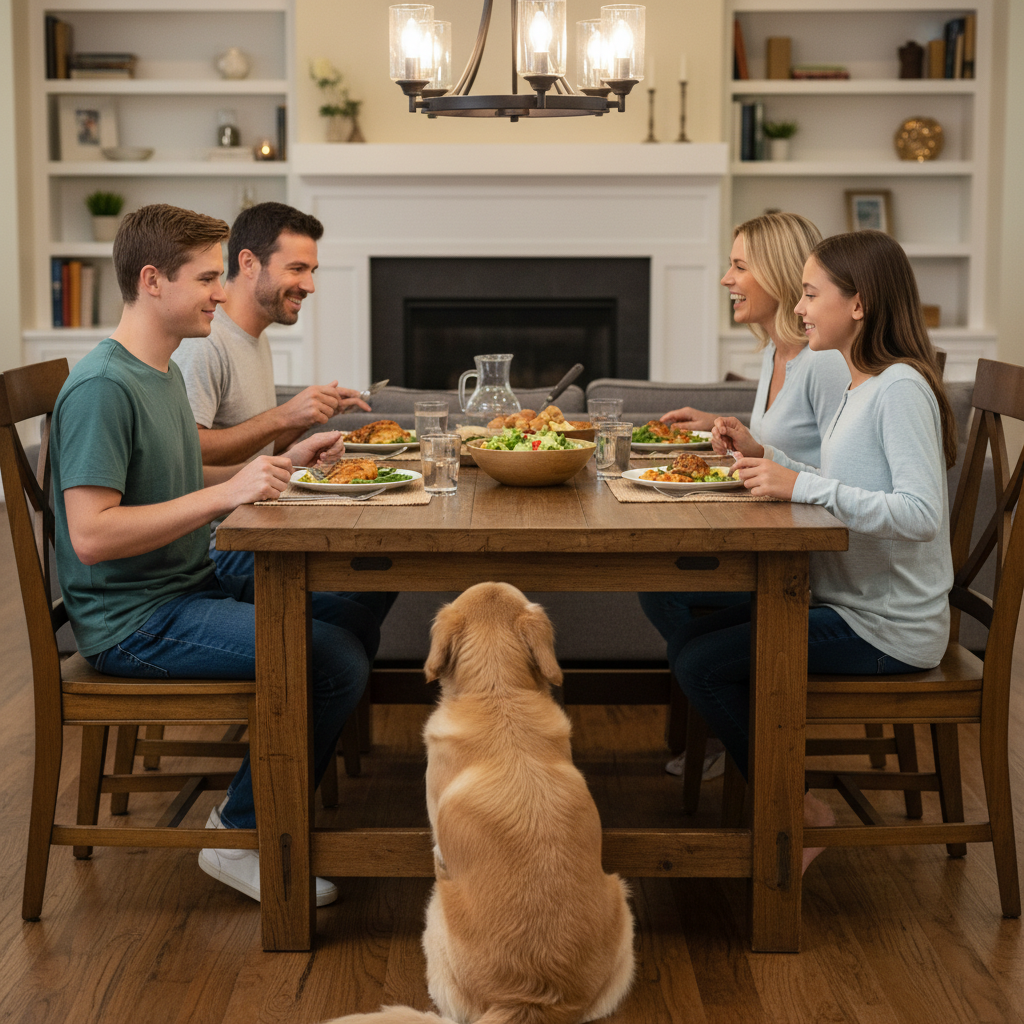
If you choose to allow your dog to roam freely while you eat, you must strictly adhere to the Extinction Protocol. This is the most difficult part for humans because it requires absolute consistency from every family member and guest.
The Rules of Extinction:
- No Eye Contact: Do not look at the dog. Eye contact is an invitation.
- No Talking: Do not say “no,” “stop it,” or “go away.” Silence is golden.
- No Touching: Do not push the dog down or nudge them with your foot.
The Extinction Burst
Be warned: when you first start ignoring the behavior, it will get worse before it gets better. This is called an Extinction Burst. The dog, frustrated that their usual tactic isn’t working, will try harder—pawing, barking, or jumping. You must wait this out. If you give in during the burst, you have trained a more intense begging behavior. If you hold firm, the behavior will eventually cease because it no longer serves a function.
Enrichment: The Art of Distraction
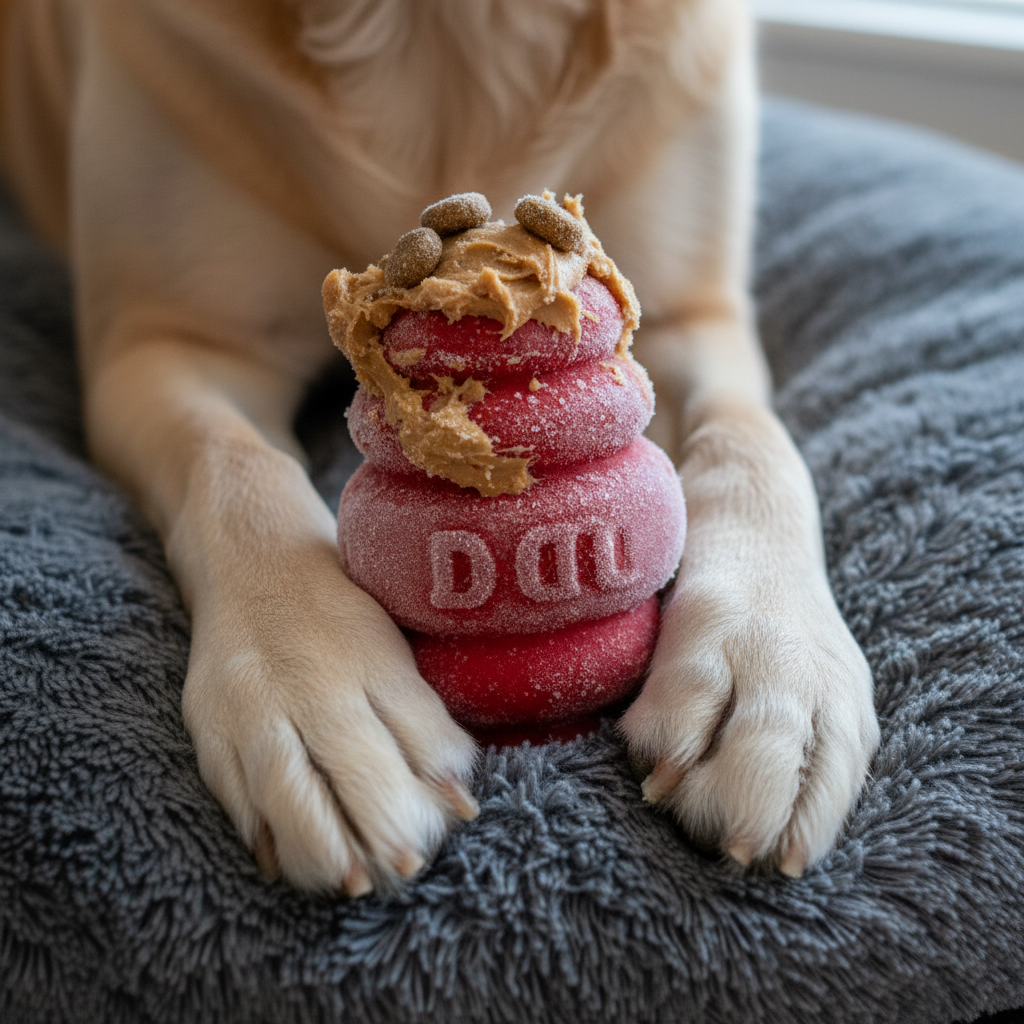
A bored dog is a begging dog. One of the most effective ways to ensure peace is to align your dog’s mealtime with yours, or to provide a high-value distraction that lasts the duration of your dinner.
Effective Distraction Tools:
- Frozen Kongs: Stuff a rubber toy with wet food or peanut butter and freeze it. This can occupy a dog for 20-30 minutes.
- Lick Mats: Spread yogurt or pumpkin on a textured mat. Licking is self-soothing and keeps the dog’s head down and away from your plate.
- Long-Lasting Chews: Bully sticks or yak cheese chews are excellent for keeping a dog stationary and occupied.
By providing these items on their bed or in their crate right as you sit down to eat, you create a positive association: “Humans sitting at the table means I get my special treat on my bed.”
Consistency is the Key to Peace
Implementing “The No Beg” Method is not an overnight fix; it is a commitment to a new standard of household etiquette. Whether you choose to manage the environment with crates, train a rock-solid “Place” command, or utilize strict extinction protocols, the secret ingredient is consistency.
Remember, every scrap of food tossed from the table undermines your progress. Ensure that all family members and guests are on board with the new rules. With patience and discipline, the days of guilt-inducing stares and drool on your knee will be replaced by a calm, respectful companion who allows you to eat in peace.