The Magic Bee Pollen Treat That Stops Dog Itching Fast
That endless sound of scratching, licking, and chewing… if you’re a dog parent, you know it all too well. Watching your furry best friend suffer from itchy skin can be frustrating and heartbreaking. You’ve tried special shampoos, changed their food, and maybe even resorted to medications with long lists of side effects. But what if there was a natural, golden little nugget that could help? Enter bee pollen, nature’s tiny powerhouse. It might sound like something out of a fairytale, but this ‘magic’ treat is creating a real buzz in the canine wellness world for its potential to stop dog itching in its tracks. In this guide, we’ll explore everything you need to know about bee pollen for dogs, from the science behind it to how to serve it safely and effectively.
Why Is My Dog So Itchy? Understanding the Root Causes
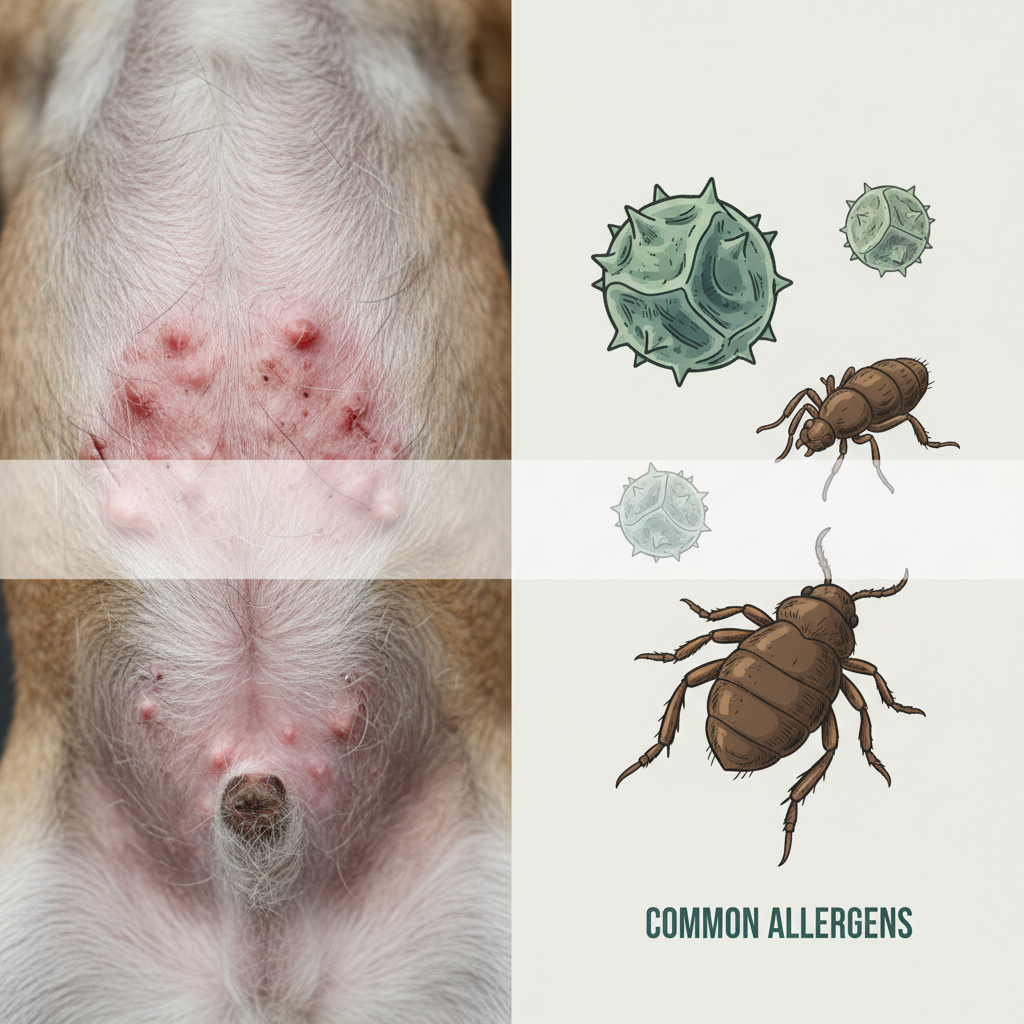
Before we dive into the solution, let’s talk about the problem. A dog’s itch, medically known as pruritus, isn’t just a minor annoyance; it’s a symptom that something is irritating their system. Identifying the culprit is the first step toward providing real relief. While there are many potential causes, a few common ones stand out:
- Environmental Allergies: Just like humans, dogs can be allergic to things in their environment. Pollen from trees, grass, and weeds, as well as mold spores and dust mites, are frequent offenders. This is often seasonal, getting worse during certain times of the year.
- Food Allergies or Sensitivities: Sometimes the problem is in their food bowl. Common culprits include proteins like beef or chicken, dairy, and wheat. A true food allergy can cause an immune response that manifests as itchy skin, paws, and ears.
- Pesky Parasites: Fleas, mites (like those causing mange), and ticks can cause intense itching. Flea allergy dermatitis, an allergic reaction to flea saliva, is one of the most common skin diseases in dogs.
- Dry Skin: Environmental factors like dry, cold air or nutritional deficiencies can lead to dry, flaky, and itchy skin.
Understanding these triggers is crucial because it helps explain how bee pollen can be effective, especially for dogs whose itching is linked to environmental allergens.
What’s the Buzz About Bee Pollen? The Science Behind the ‘Magic’
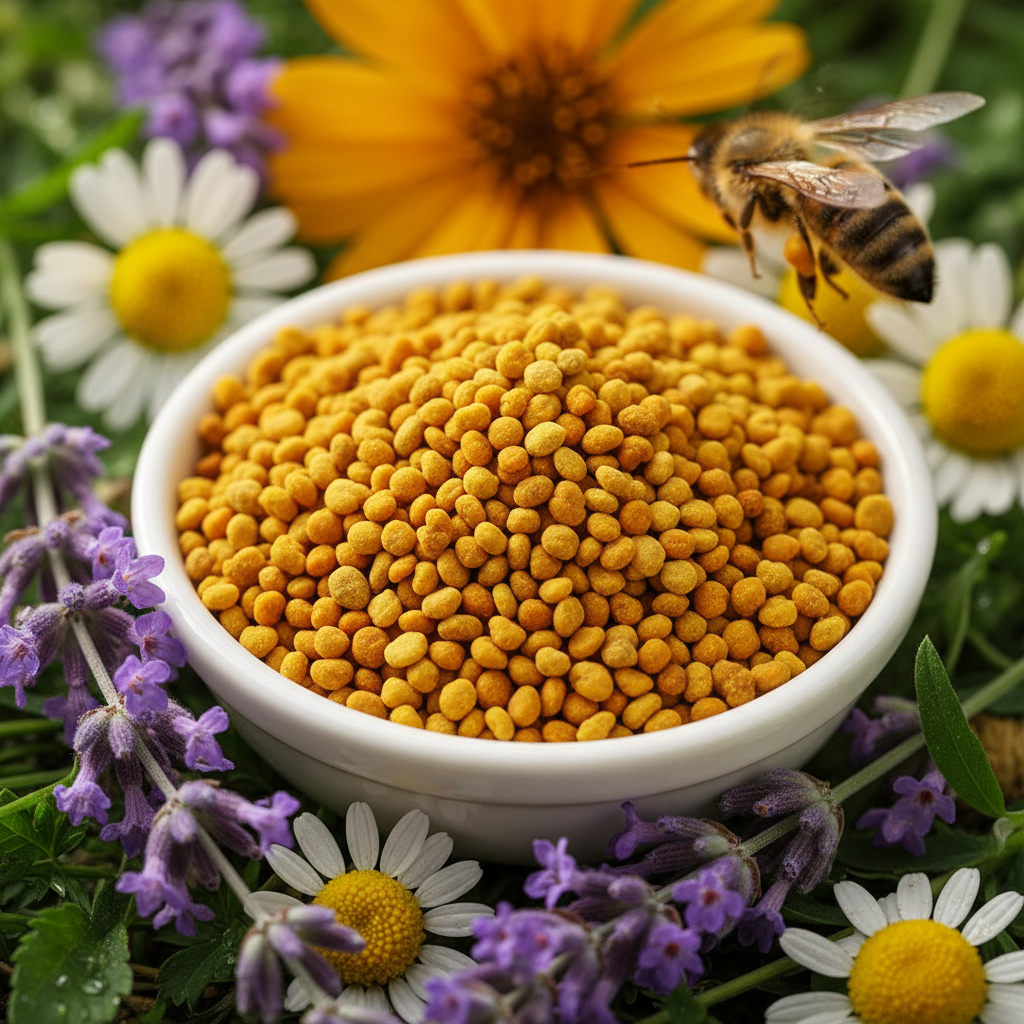
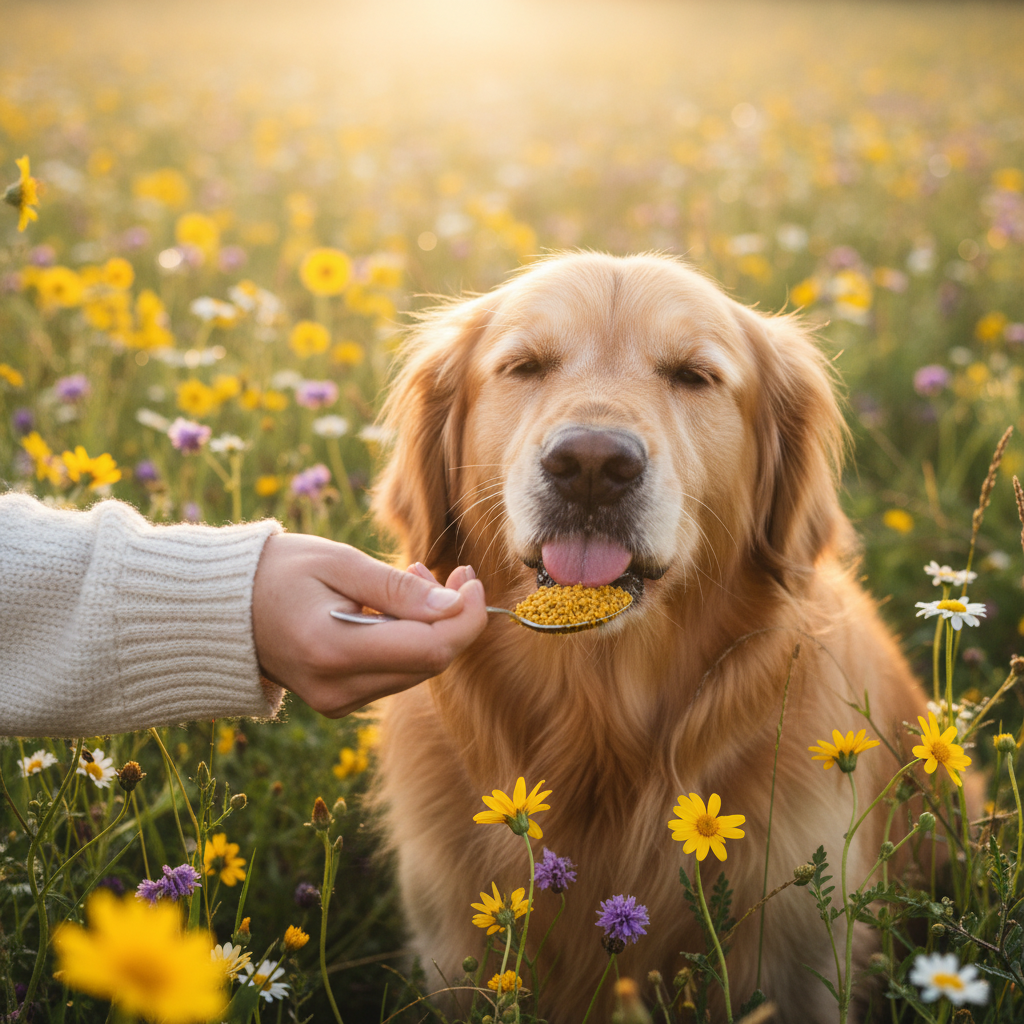
So, what exactly is this golden dust? Bee pollen is a mixture of flower pollen, nectar, enzymes, honey, wax, and bee secretions. It’s collected by honeybees and brought back to the hive as a food source. It’s considered one of nature’s most complete foods, packed with a surprising amount of nutrients.
The Nutritional Powerhouse
Bee pollen contains:
- Vitamins (A, B complex, C, D, E)
- Minerals (including calcium, magnesium, and iron)
- Over 250 active substances, including proteins, amino acids, and fatty acids
- Antioxidants
The real ‘magic’ ingredient for itchy dogs, however, is a flavonoid called quercetin. Quercetin is often called ‘Nature’s Benadryl’ because it has natural antihistamine and anti-inflammatory properties. It works by suppressing the release of histamines, the compounds that cause the classic allergy symptoms of itching, swelling, and redness.
The theory behind using local bee pollen is fascinating. By introducing a small amount of local pollen into your dog’s system, you may be able to desensitize their body to the airborne allergens in your specific area, much like how allergy shots work for humans.
Safety First: How to Introduce Bee Pollen and Find the Right Dose
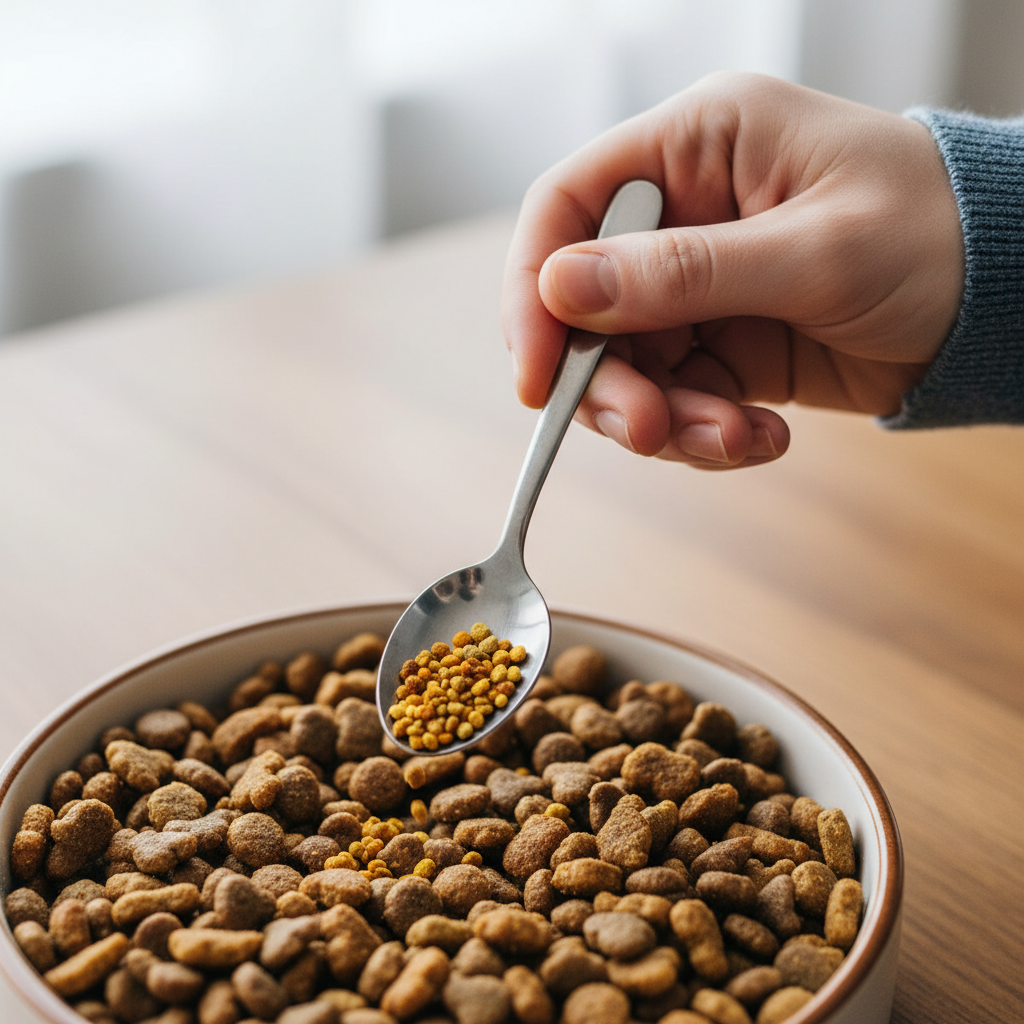
This is the most important section. While bee pollen is natural, it’s also potent. Some dogs can have a severe allergic reaction to it, so the mantra is: start low and go slow. Never just dump a full scoop on their food.
The Allergy Test
- Start with ONE granule. That’s right, just one. Crush it and mix it into a small amount of their food.
- Wait 24-48 hours. Carefully monitor your dog for any adverse reactions. This could include increased itching, hives, swelling of the face or paws, difficulty breathing, or digestive upset.
- If there’s no reaction, you can slowly increase the amount over several days or weeks until you reach the recommended maintenance dose.
It’s also highly recommended to use raw, local bee pollen from a trusted beekeeper. This ensures it’s fresh and contains the pollens specific to your region, which is key to the desensitization theory.
General Dosing Guidelines
Once you’ve safely introduced it, you can follow these general guidelines. Always consult your vet for a dose specific to your dog’s needs.
| Dog Size | Recommended Daily Dose |
|---|---|
| Small Dogs (under 25 lbs) | 1/4 teaspoon |
| Medium Dogs (25-50 lbs) | 1/2 teaspoon |
| Large Dogs (over 50 lbs) | 1 teaspoon |
You can simply sprinkle the granules over their food. Most dogs love the sweet, floral taste!
When to Buzz Off to the Vet

Bee pollen can be an amazing supplement, but it is not a cure-all, and it’s not a substitute for professional veterinary care. It’s crucial to know when home remedies aren’t enough.
See your veterinarian immediately if you notice:
- A severe allergic reaction: Signs of anaphylaxis include sudden swelling of the face, lips, or eyes, difficulty breathing, vomiting, or collapse. This is a medical emergency.
- Worsening symptoms: If the itching gets more intense, or if your dog develops open sores, ‘hot spots,’ or signs of a skin infection (pus, odor).
- No improvement: If you’ve been using bee pollen correctly for a few weeks and see absolutely no change in your dog’s comfort level.
- Other signs of illness: If the itching is accompanied by lethargy, changes in appetite or thirst, or other concerning behaviors.
Remember, your vet is your partner in your pet’s health. They can perform tests to rule out more serious underlying conditions and help you create a comprehensive plan to manage your dog’s allergies. Always discuss any new supplements, including bee pollen, with them before starting.
Conclusion
For frustrated pet parents seeking a natural way to soothe their dog’s relentless itching, bee pollen offers a hopeful and promising option. Packed with nutrients and natural antihistamines, it can be a powerful tool in your allergy-fighting arsenal. The key to success lies in a cautious and patient approach—starting with a single granule, sourcing high-quality local pollen, and working closely with your veterinarian. While it may not be a ‘magic’ cure for every dog, for many, this golden gift from the bees can bring much-needed relief, leading to a happier, healthier, and much less itchy companion. So, why not see what the buzz is all about? Your dog might thank you for it.