The “Green Stick” Trick That Saved Me $500 in Vet Dental Bills
Let’s be honest, we all love our furry friends, but nobody loves a surprise vet bill. I’ll never forget the day my vet casually mentioned my dog, Buster, would soon need a professional dental cleaning under anesthesia. The estimated cost? A jaw-dropping $500. I adore Buster, but that was a serious hit to my budget. It sent me down a rabbit hole of research, looking for a way to improve his dental hygiene at home. That’s when I stumbled upon a simple, shockingly effective, and all-natural trick—a trick I now call the ‘Green Stick.’ This one small change to our routine not only freshened his breath but also earned me a thumbs-up from my vet at his next checkup, saving me that hefty bill. And today, I’m going to share it with you.
Why Your Dog’s Dental Health is a Bigger Deal Than You Think
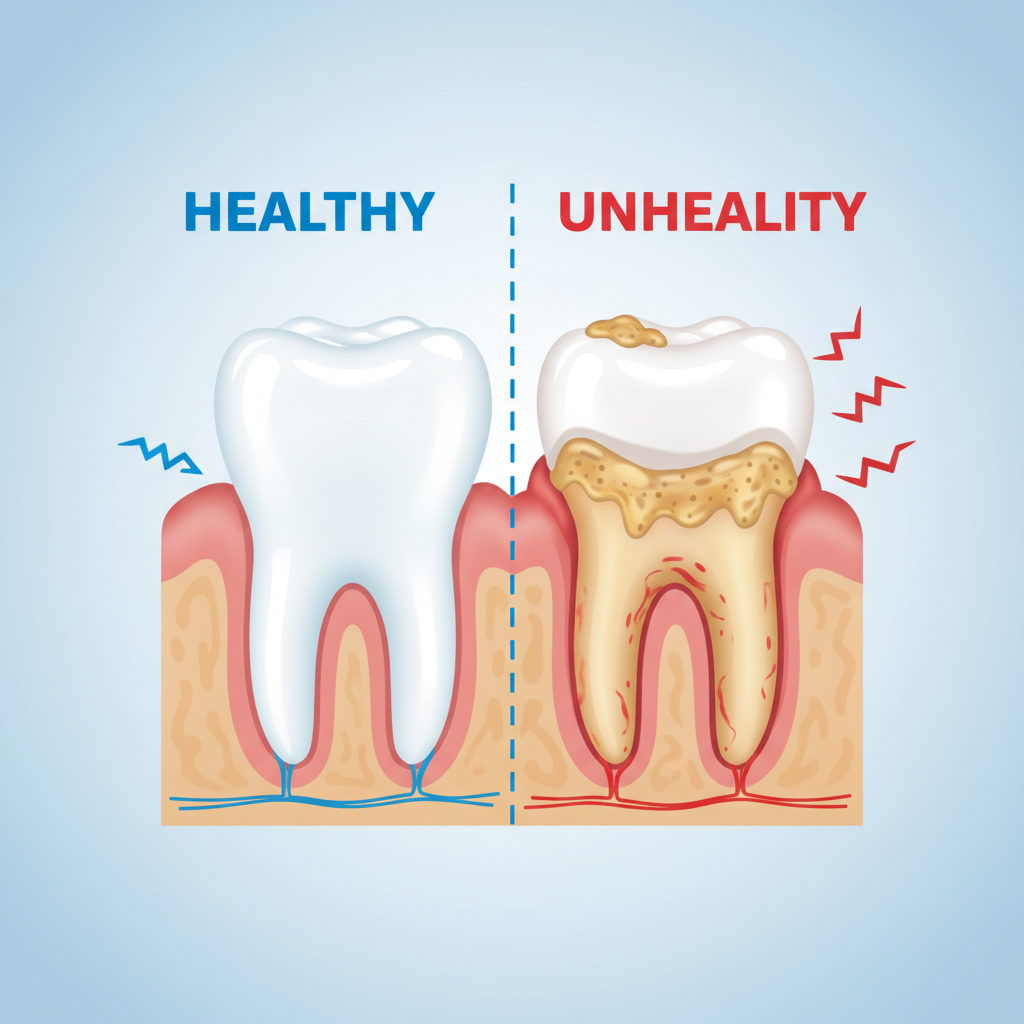
Before we get to the trick, it’s important to understand what we’re up against. We often think of ‘dog breath’ as a normal, quirky part of pet ownership, but it’s usually the first sign of trouble. Just like in humans, bacteria in your dog’s mouth forms a sticky film called plaque. If not removed, this plaque hardens into tartar, that yellow-brown crust you might see on their teeth.
This isn’t just a cosmetic issue. Tartar buildup can lead to:
- Gingivitis: Painful, inflamed gums that can bleed.
- Periodontal Disease: A more severe infection that can destroy the gums and bone supporting the teeth, leading to tooth loss.
- Systemic Health Problems: This is the scary part. Bacteria from an infected mouth can enter the bloodstream and travel to vital organs, potentially causing serious issues with the heart, kidneys, and liver.
So, tackling that plaque is about more than just a pretty smile; it’s about protecting your dog’s overall health and well-being for years to come.
Unveiling the Magical ‘Green Stick’ Secret

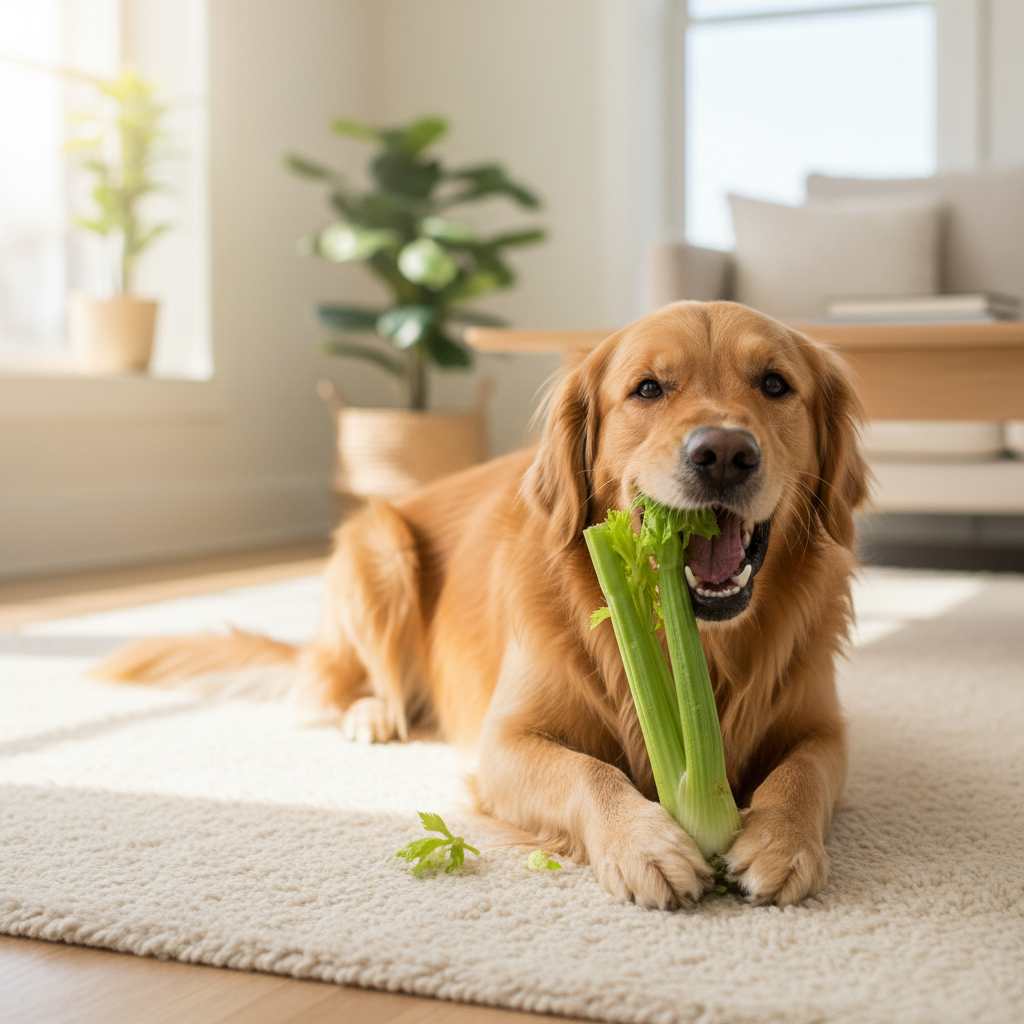
So, what is this miraculous ‘green stick’? It’s probably sitting in your refrigerator right now. The secret is… a fresh, crunchy celery stalk!
I know, it sounds almost too simple to be true. But here’s why this humble vegetable is a dental dynamo for dogs:
- Natural Abrasive: The fibrous, stringy texture of celery acts like a natural toothbrush. As your dog chews, the stalk scrapes against their teeth, physically scrubbing away plaque before it has a chance to harden into tartar.
- Promotes Saliva Production: Chewing on something crunchy stimulates saliva, which is your dog’s natural mouthwash. Saliva helps rinse away food particles and bacteria.
- Low in Calories, High in Nutrients: Unlike many commercial dental chews that can be high in calories and mystery ingredients, celery is a low-calorie treat packed with vitamins A, C, and K, as well as essential minerals.
- Freshens Breath: Celery can help combat bad breath from the inside out, neutralizing some of the smelly compounds in your dog’s mouth and gut.
It’s an affordable, healthy, and effective way to supplement your dog’s dental care routine. Buster went from being hesitant to absolutely loving his daily crunch time!
The Right Way to Serve Up This Dental Delight
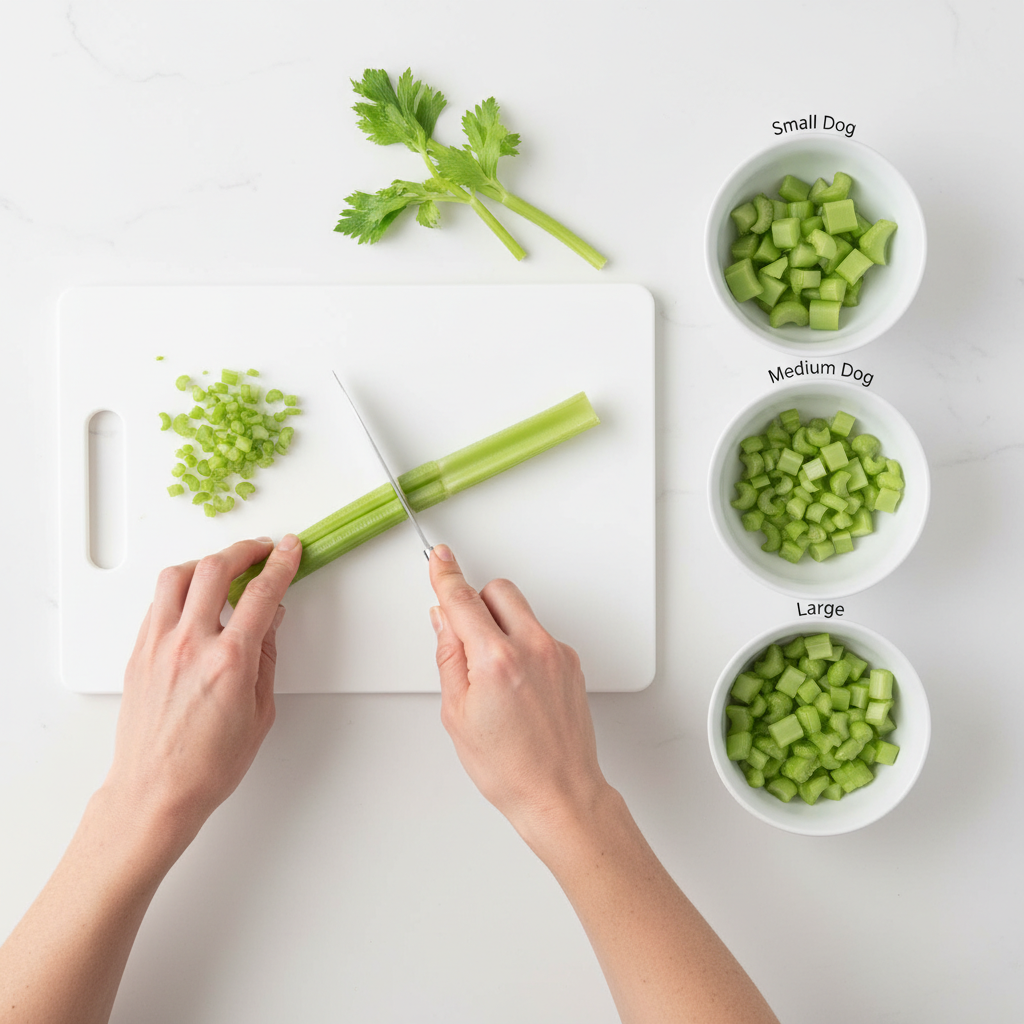
While celery is fantastic, you need to prepare it correctly to ensure it’s safe and effective for your pup. It only takes a minute!
A Simple Step-by-Step Guide:
- Wash Thoroughly: Always rinse the celery under cool water to remove any dirt or residual pesticides.
- Chop to Size: This is the most important step. You must cut the celery into bite-sized pieces appropriate for your dog to prevent any choking hazards. Never give them a whole, long stalk.
- For small dogs (under 20 lbs): Cut into 1-inch pieces.
- For medium dogs (20-50 lbs): Cut into 2-inch chunks.
- For large dogs (over 50 lbs): 3-inch sections are usually fine.
- Supervise, Always: The first few times you offer celery, watch your dog closely to make sure they are chewing it properly and not trying to swallow large pieces whole.
- Start Slow: Introduce celery gradually, just like any new food. Start with one or two small pieces to make sure it agrees with their digestive system.
Expert Tip: For a fun summer treat, you can freeze the celery chunks! It provides an extra-satisfying crunch and can be soothing for teething puppies.
If your dog turns their nose up at celery, don’t worry! Carrots and green beans offer a similar crunchy, plaque-scraping benefit.
Beyond the Stick: Building a Complete At-Home Dental Plan
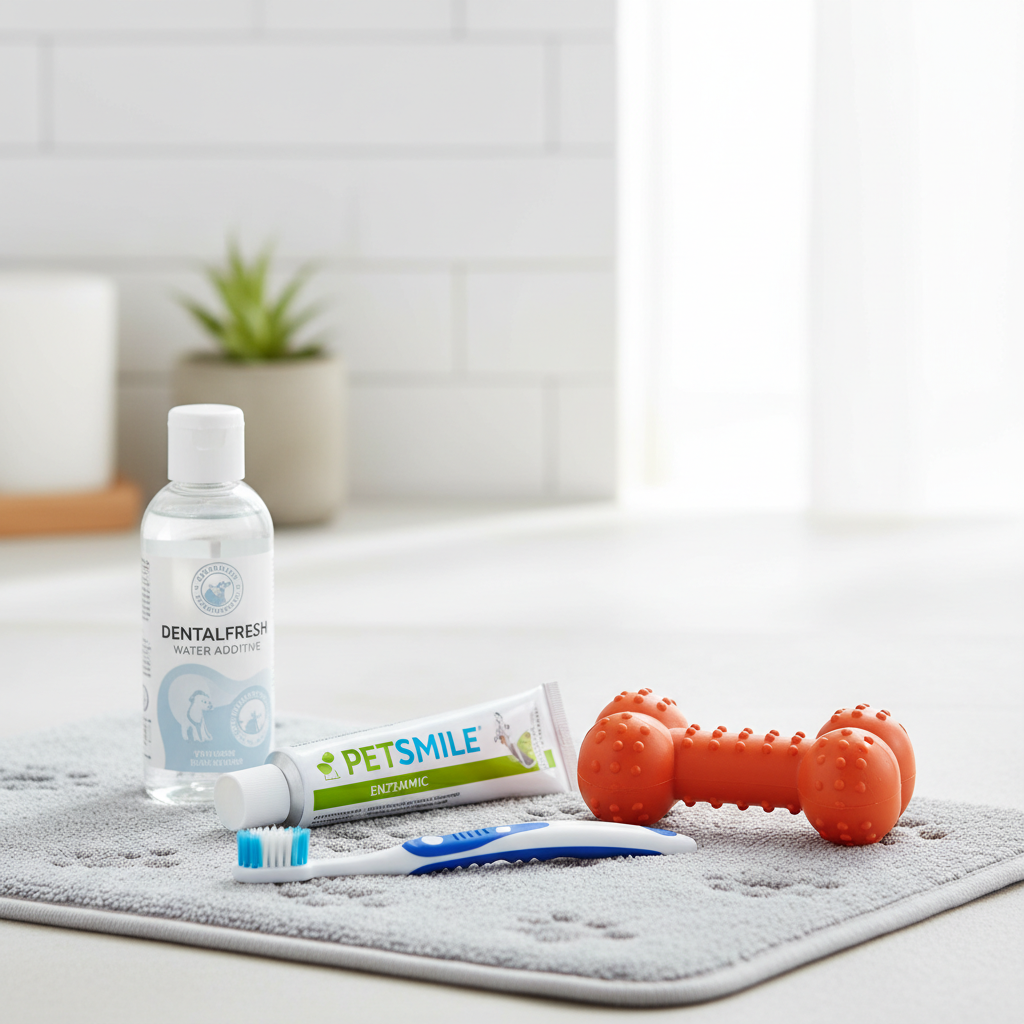
The ‘green stick’ trick is a powerful tool, but think of it as one player on a team. For the best defense against dental disease, you need a full game plan. This trick should supplement, not replace, a comprehensive dental routine.
Here are the other key components of at-home care:
- Brushing is Best: The gold standard of canine dental care is regular brushing with a toothpaste formulated specifically for dogs (never use human toothpaste!). Aim for at least 3-4 times a week, if not daily.
- Dental Toys: Toys with ridges, nubs, and interesting textures are designed to clean teeth during play. Look for durable rubber toys you can even smear a little doggy toothpaste on.
- Water Additives & Dental Diets: There are special additives you can put in your dog’s water bowl that help reduce plaque. Additionally, some prescription dog foods are designed with a specific kibble shape and texture to help scrape teeth clean. Ask your vet if these are right for your dog.
By combining daily celery treats with regular brushing and appropriate toys, you create a powerful, multi-pronged defense against tartar buildup.
When You Still Absolutely Need to Call the Vet
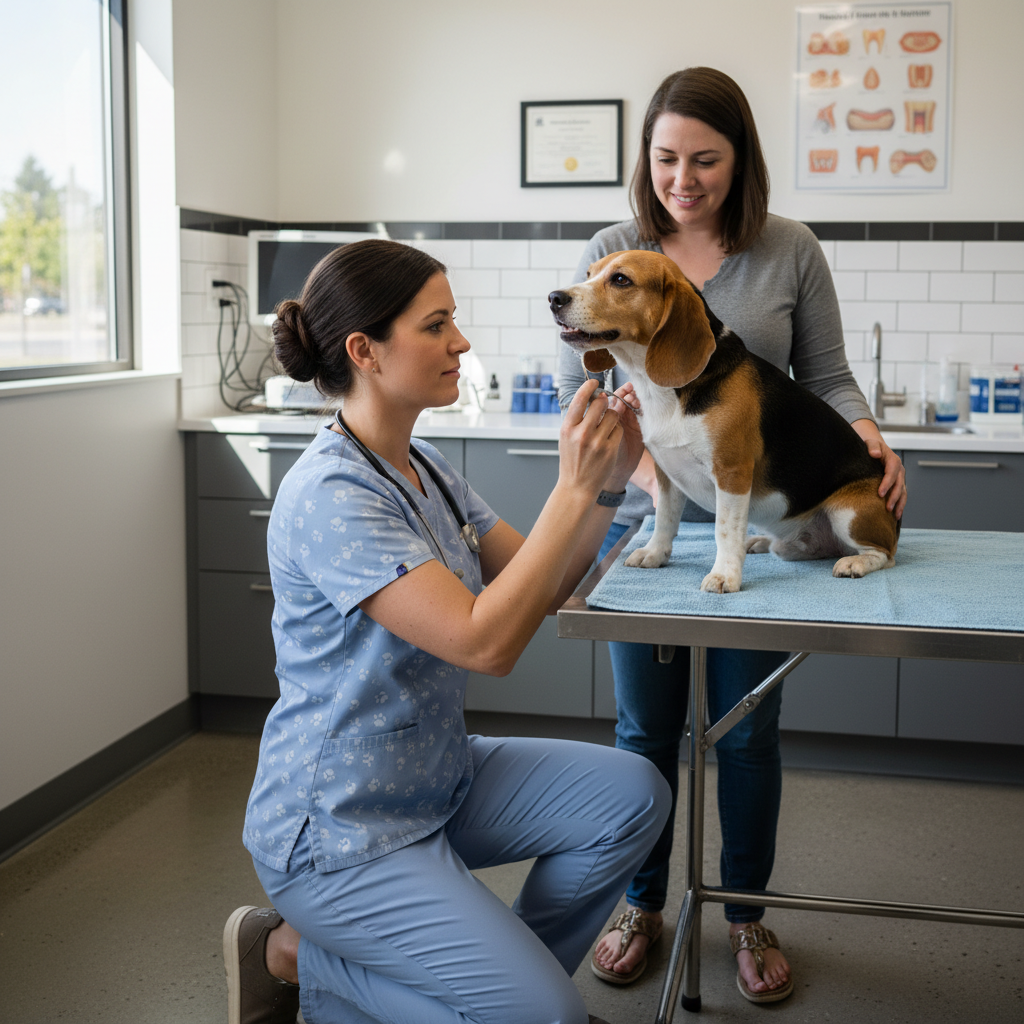
This at-home trick is fantastic for prevention and managing mild plaque. However, it cannot reverse significant, existing dental disease. It’s crucial to recognize the signs that your dog needs professional veterinary help, as no amount of celery can fix a serious problem.
Schedule a vet visit immediately if you notice:
- Extremely Foul Breath: We’re not talking about normal ‘dog breath,’ but a truly offensive odor that makes you recoil.
- Red, Swollen, or Bleeding Gums: Healthy gums are pink and firm. Any redness or bleeding is a sign of inflammation or infection.
- Visible Thick, Brown Tartar: If your dog’s teeth are already covered in hard, brown buildup, it will need to be removed by a vet.
- Difficulty or Pain When Eating: Watch for dropping food, chewing on only one side of the mouth, or crying out when eating.
- Loose or Missing Teeth: Any wiggly teeth are a sign of advanced periodontal disease.
- Facial Swelling: Swelling under the eye can often be a sign of a tooth root abscess.
Remember, an annual dental check-up with your veterinarian is non-negotiable. They can spot problems you might miss and advise you on when a professional cleaning is truly necessary.
Conclusion
That $500 dental bill was a wake-up call, but it led me to a simple, effective solution that has become a beloved part of Buster’s routine. The ‘Green Stick’ trick isn’t a magic bullet, but it’s a powerful, natural, and inexpensive way to boost your dog’s dental health, freshen their breath, and strengthen your bond. By combining this simple treat with a consistent at-home care routine and regular vet check-ups, you can take a proactive stance against dental disease. You’ll be protecting your best friend’s overall health and potentially saving yourself a lot of money and worry down the road. Go on, give your pup a healthy smile—one crunchy, green bite at a time!