The Egg Challenge: Can Your Dog Hold an Egg Without Cracking It?
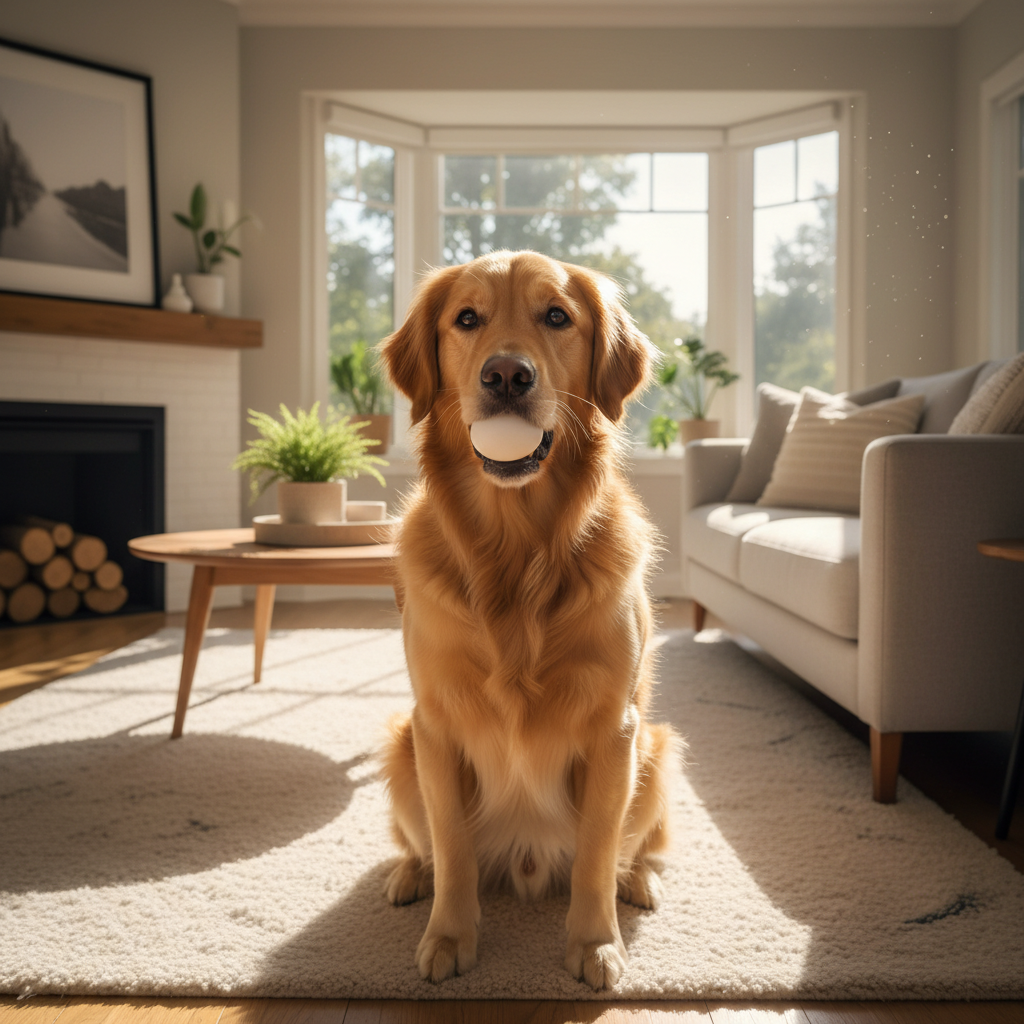
You’ve probably seen it scrolling through your social media feeds: a beautiful dog, often a Golden Retriever, holding a raw egg in its mouth as delicately as a precious jewel. It’s the viral “Egg Challenge,” and it’s as impressive as it is adorable. But is it just a cute party trick, or is there more to it? The answer is a resounding yes!
This challenge is a fantastic demonstration of a dog’s ‘soft mouth,’ or more technically, their learned bite inhibition. It’s a testament to their intelligence, training, and the gentle nature hiding behind those sharp teeth. In this guide, we’ll walk you through everything you need to know to try this fun and rewarding challenge with your own pup. We’ll cover the ‘why’ behind the trick, the supplies you’ll need, and a safe, step-by-step training plan to get you started. Ready to see what your dog can do? Let’s get cracking (or, hopefully not)!
Understanding the ‘Soft Mouth’: More Than Just a Party Trick
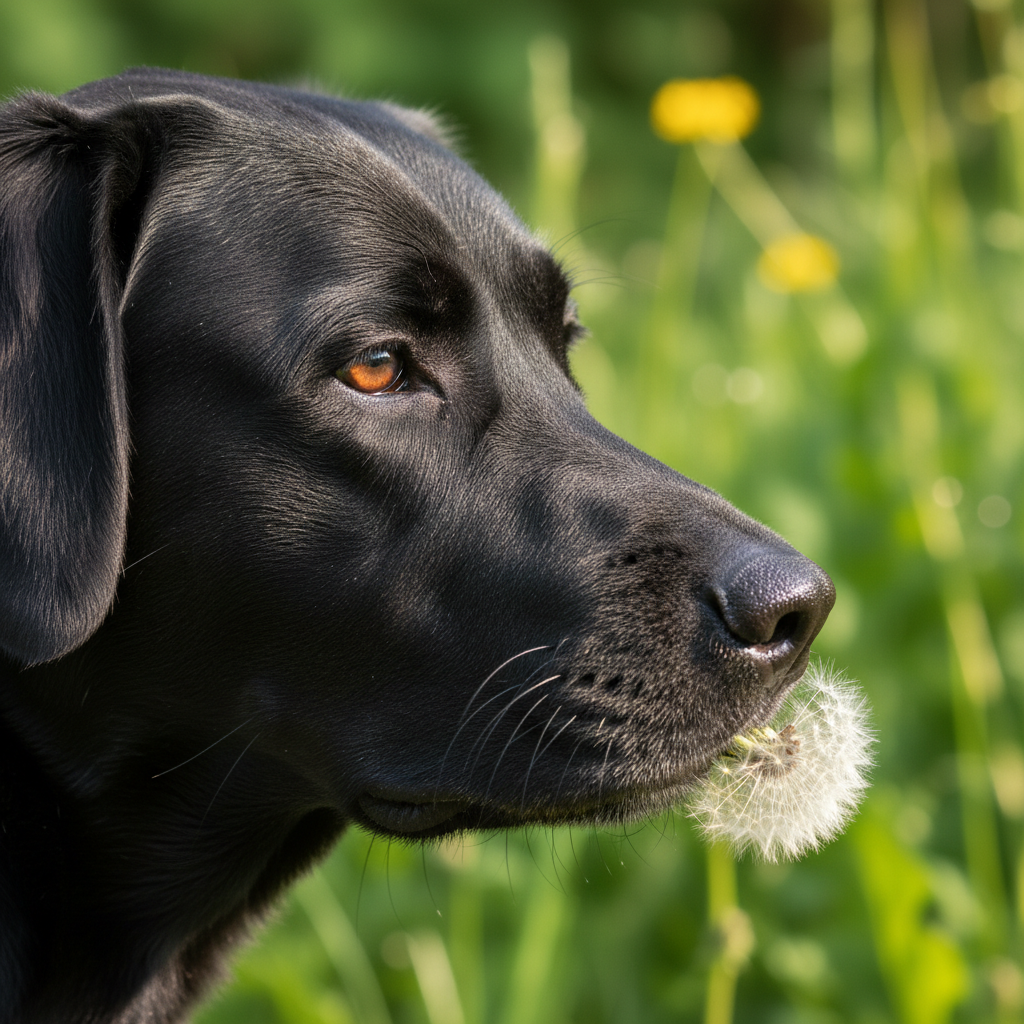
Before we jump into the training, let’s talk about the incredible skill at the heart of the egg challenge: the ‘soft mouth.’ This term originated with retrieving breeds like Labradors and Golden Retrievers, who were bred to pick up and carry downed game, like birds, without damaging them. A dog with a soft mouth has excellent bite inhibition, which is the ability to control the force of their bite.
All dogs are born with the potential for this, and they start learning it from their mother and littermates. If a puppy bites too hard during play, their sibling will yelp and stop playing, teaching a valuable lesson. Humans continue this training when we teach our puppies not to nip. Why is this so important for every dog, not just hunting companions?
- Safety with People: A dog with good bite inhibition is much safer around adults and especially children. They understand how to interact gently, even when excited or scared.
- Appropriate Play: It allows them to play safely with other dogs, knowing the difference between a play-bite and a real one.
- Handling and Grooming: It makes vet visits, grooming appointments, and even just petting them a more pleasant and safe experience for everyone involved.
The egg challenge isn’t about proving your dog is ‘better’ than others; it’s about celebrating this amazing display of control and the trust you’ve built together.
So, while holding an egg is a fun and impressive feat, the underlying skill is a cornerstone of a well-behaved and reliable canine companion.
Gearing Up for the Egg Challenge: Safety & Supplies
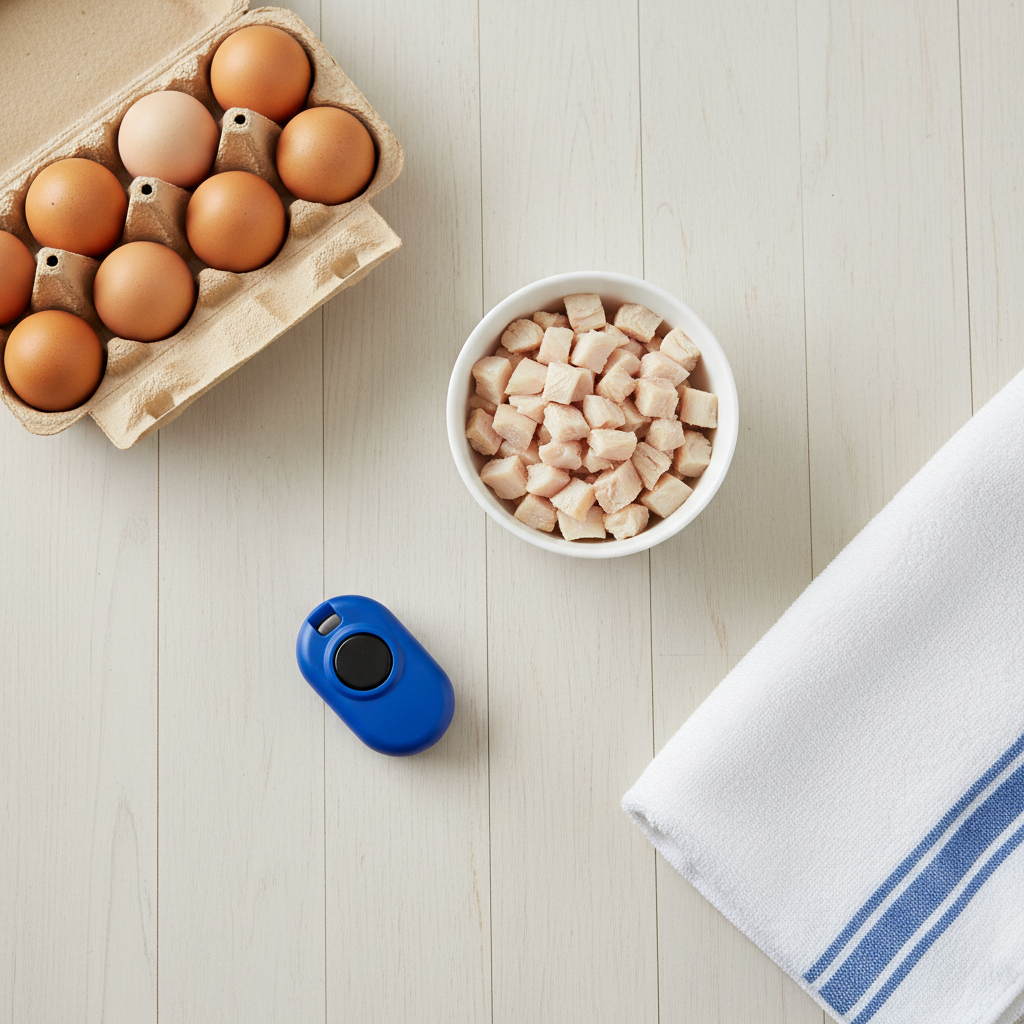
Alright, are you and your pup ready to give it a go? Great! Preparation is key to making this a fun, positive, and safe experience. Rushing into it could stress your dog or lead to a messy kitchen floor. Here’s what you’ll want to gather before you start your first training session:
What You’ll Need:
- Eggs: Start with hard-boiled eggs! They are sturdier and less messy if an accident happens. You can graduate to raw eggs once your dog is a seasoned pro.
- High-Value Treats: This is a challenging trick, so you’ll need extra-special rewards. Think small pieces of cooked chicken, cheese, or their absolute favorite store-bought treat.
- A Clicker (Optional): If your dog is clicker-trained, this is a perfect time to use it to mark the precise moment of gentle contact.
- A Quiet, Comfortable Space: Choose a room with minimal distractions where your dog feels relaxed. A carpeted area or a spot with a towel or mat down is ideal to cushion any dropped eggs.
- Cleaning Supplies: Let’s be realistic—accidents can happen! Keep paper towels and a pet-safe cleaner handy, just in case.
Safety First!
Never, ever force the egg into your dog’s mouth. This should be a completely voluntary and positive activity. Watch your dog’s body language closely. If they show signs of stress like yawning, lip licking, or turning their head away, it’s time to take a break. The goal is fun, not frustration!
How to Teach Your Dog the Egg Challenge: A Step-by-Step Guide
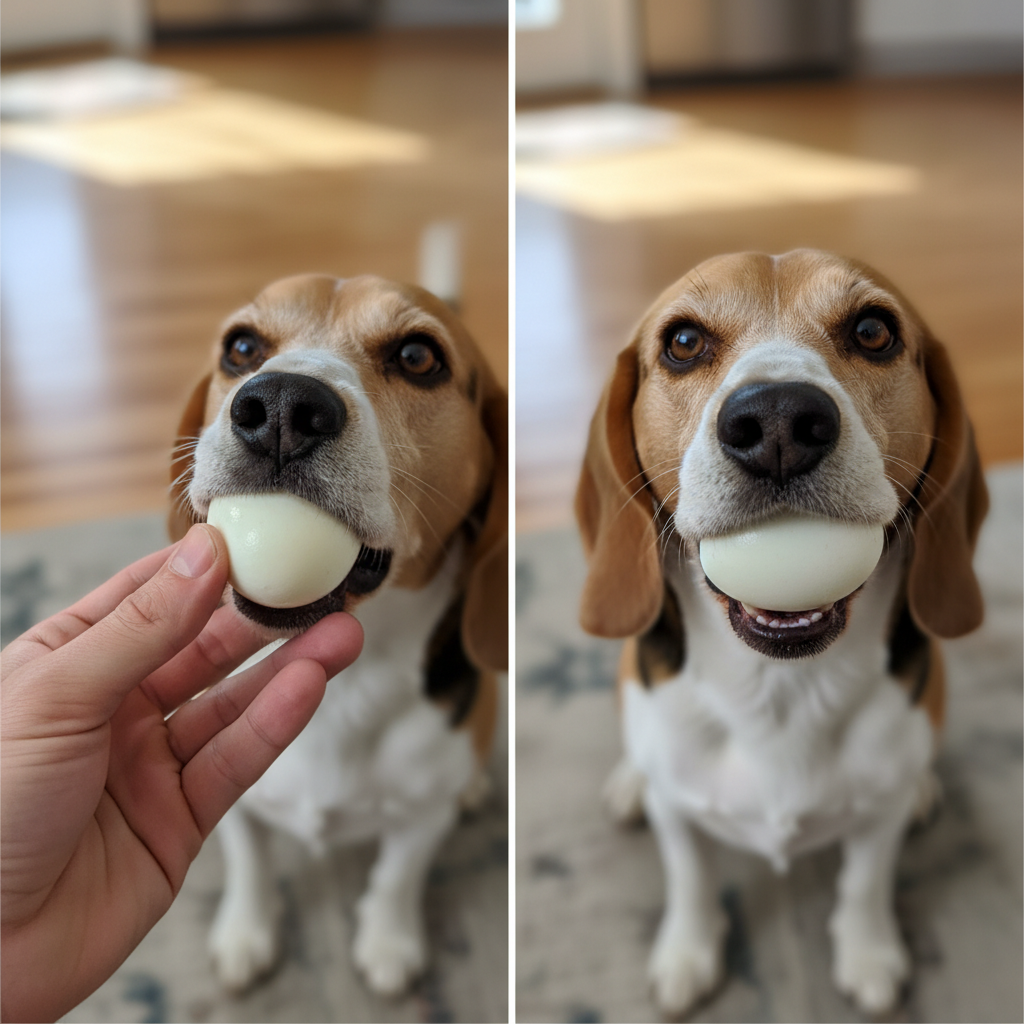
Patience is your best friend here. Some dogs will pick this up in a few sessions, while others might take weeks. Celebrate small successes and keep it light and fun! We’ll start with a hard-boiled egg to build confidence.
-
Step 1: Introduce the Object
Start by simply placing a peeled, hard-boiled egg on the floor. Let your dog sniff it. The moment they interact with it gently (sniffing, licking, a soft nudge), praise them and give them a high-value treat. You’re teaching them that this new object is associated with good things.
-
Step 2: The ‘Take It’ Command
Once they’re comfortable, hold the hard-boiled egg in the palm of your hand. Say your command, like “Take It” or “Gentle.” If they mouth it softly without chomping, praise them enthusiastically and reward them. If they bite too hard, say a calm “oops” and briefly withdraw the egg before trying again. Don’t scold them; just reset.
-
Step 3: Building the ‘Hold’
Now, we want to add duration. Once they can gently take the egg from your hand, delay the treat by just one second. Say “Hold…” and then reward. Slowly, over many repetitions, increase the duration of the hold from one second to two, then three, and so on. Keep sessions short—just a few minutes at a time is perfect.
-
Step 4: Introducing ‘Drop It’
A reliable ‘drop it’ is crucial. While they are holding the egg, present a super high-value treat near their nose. As they open their mouth to take the treat (causing them to drop the egg), say “Drop It!” and let them have the reward. This teaches them that letting go of the object leads to something even better.
-
Step 5: The Raw Egg (Advanced)
Only attempt this after your dog has mastered holding a hard-boiled egg without any issue. The process is the same, but you’ll need to be even more patient and observant. The texture and fragility are different, so it’s a new challenge. Supervise them closely and be ready for a potential mess. Not every dog needs to reach this step to have ‘passed’ the challenge!
Oops, Scrambled! Troubleshooting Common Hiccups
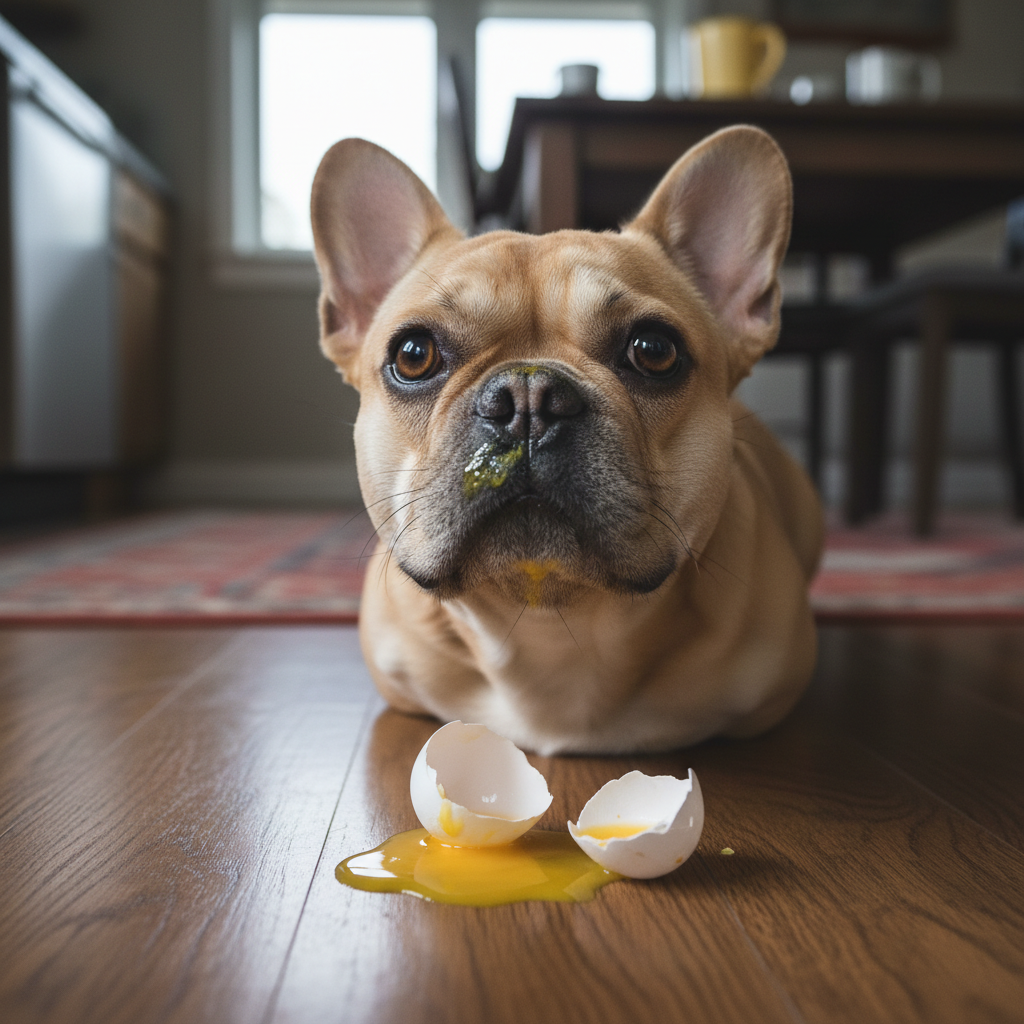
Did things get a little messy? Don’t worry! Every dog learns differently, and hitting a snag is a normal part of any training process. Here are some common problems and how to solve them.
Problem: My dog just wants to eat the egg!
Solution: This is totally normal! It’s food, after all. Make sure your dog isn’t hungry before a training session. You can also use a less-exciting training object first, like a specific toy or a wooden dowel, to master the ‘hold’ and ‘drop it’ commands before moving on to a food item. Also, ensure your reward treat is significantly more exciting than a plain hard-boiled egg.
Problem: My dog is too rough and cracks the egg immediately.
Solution: Go back a step! Your dog’s excitement is getting the better of their self-control. Work on just rewarding gentle licks or nose bumps on the egg. You can also try using a more durable object that’s egg-shaped, like a solid rubber toy, to practice the ‘gentle’ mouth pressure before re-introducing the real thing.
Problem: My dog won’t even touch the egg.
Solution: The egg might be a strange new object for them. Try smearing a tiny bit of peanut butter (ensure it’s xylitol-free) or cream cheese on it to encourage them to interact with it. Remember to reward any positive interaction, no matter how small.
Expert Tip: Keep your energy calm and playful. If you get frustrated, your dog will sense it and become stressed. If a session isn’t going well, end it on a positive note with an easy command they know (like ‘sit’) and try again another day.
Conclusion
Whether your dog successfully holds a raw egg on the first try or decides they’d rather just be the official taste-tester for scrambled eggs, the journey is what truly matters. The Egg Challenge is a wonderful, fun way to work on your dog’s impulse control and bite inhibition. More importantly, it’s a fantastic opportunity to spend quality time together, strengthening your communication and the incredible bond you share.
So, don’t get discouraged by the perfectly polished videos online. Celebrate your dog’s effort, have a laugh at the messy moments, and be proud of the trust and gentle nature you are nurturing in your best friend. After all, a happy, well-adjusted dog is far more impressive than any viral trick.