The Cutest Trick Ever: Teach Your Dog to Salute in 5 Steps
What’s cuter than a well-behaved dog? A dog that can salute! This charming trick is not only a crowd-pleaser but also a fantastic way to stimulate your dog’s mind and strengthen your bond. You might think it looks complicated, but you’d be surprised how easily you can teach it with a little patience and a handful of tasty treats.
This guide breaks down the process into five simple, manageable steps using a fun technique called ‘targeting.’ We’ll walk you through everything from gathering your supplies to perfecting the final, crisp salute. So, grab your clicker, some high-value snacks, and let’s get ready to train up the cutest little soldier on four legs!
Getting Ready: What You’ll Need for Success
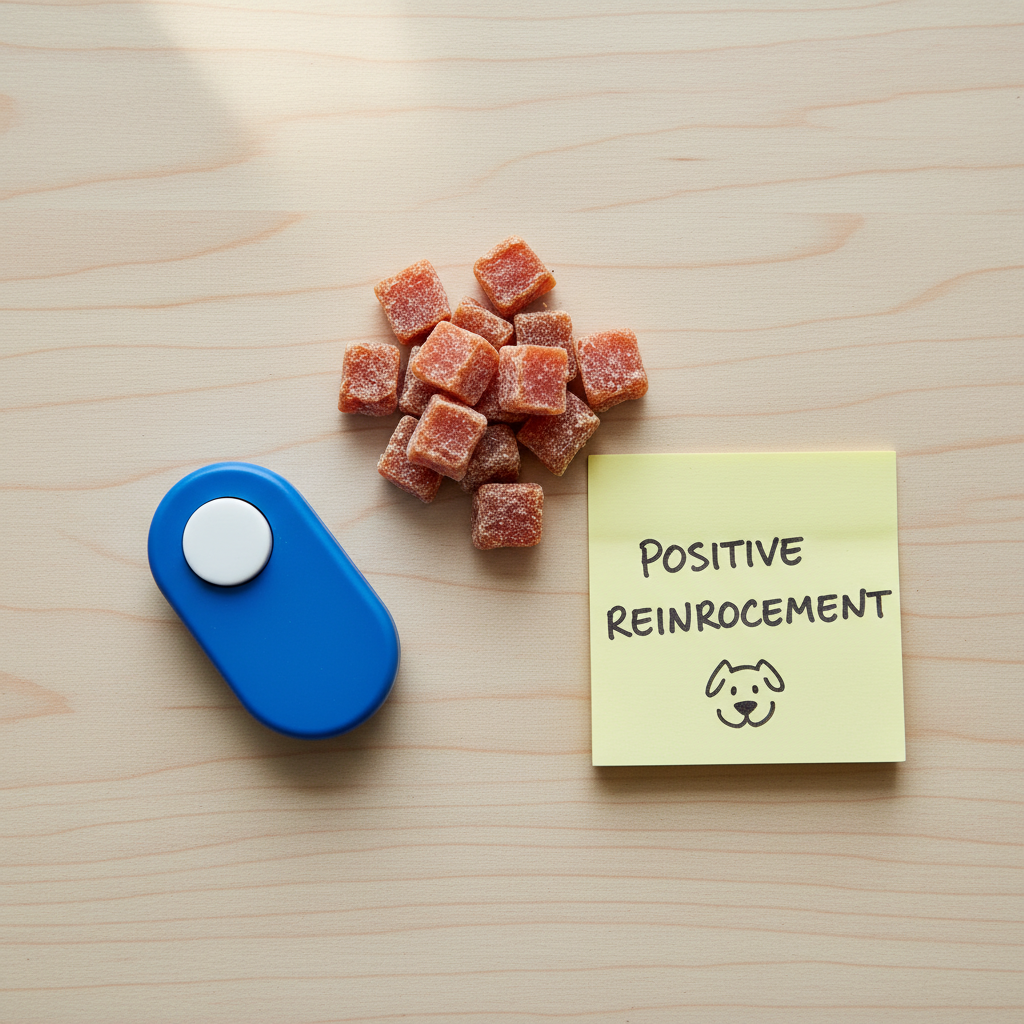
Before you start training, it’s best to have all your tools ready to go. This ensures your training sessions are smooth, efficient, and fun for both you and your pup. A little preparation goes a long way in keeping your dog engaged and eager to learn.
Here’s your training toolkit:
- High-Value Treats: These aren’t your dog’s everyday kibble. Think small, delicious morsels they absolutely love, like tiny pieces of cheese, chicken, or soft training treats. The yummier the reward, the more motivated your dog will be.
- A Sticky Note: Yes, really! A standard, small sticky note (like a Post-it®) will be our ‘target.’ It’s the secret ingredient for getting that paw-to-head motion. Choose a color that stands out against your dog’s fur.
- A Clicker (Optional but Recommended): A clicker is a fantastic tool for marking the exact moment your dog does something right. This precise communication helps your dog learn much faster. If you don’t have one, a consistent marker word like ‘Yes!’ works great, too.
- A Quiet Training Space: Find a comfortable spot in your home with minimal distractions. A living room or hallway where you won’t be interrupted is perfect. Short, focused sessions of 5-10 minutes are more effective than long, drawn-out ones.
Step 1: Get Your Dog to Target the Sticky Note
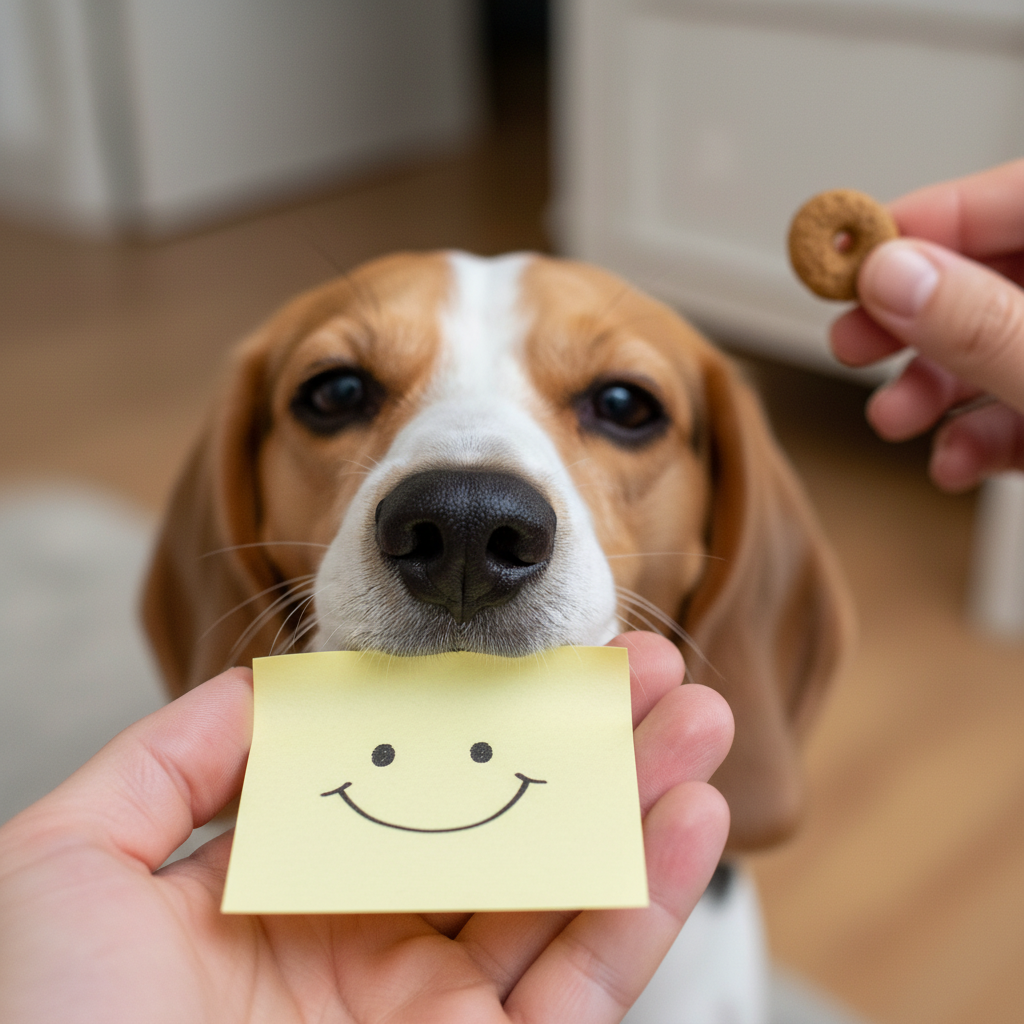
The foundation of this trick is teaching your dog to interact with the sticky note. We want them to think the note is the most interesting thing in the world! This process is called targeting.
Start by holding the sticky note in the palm of your hand. Hold your hand out to your dog. The moment their nose touches the note—even if it’s just a light sniff—click your clicker (or say ‘Yes!’) and immediately give them a treat from your other hand. Remove your hand with the note, let them finish the treat, and repeat.
Keep sessions short and positive! If your dog is hesitant, reward them just for looking at the note, then for moving toward it, and finally for touching it. We’re building a positive association.
Practice this until your dog is eagerly booping the sticky note with their nose every time you present it. This shows they understand that touching the target earns them a reward.
Step 2: Move the Target to the Head
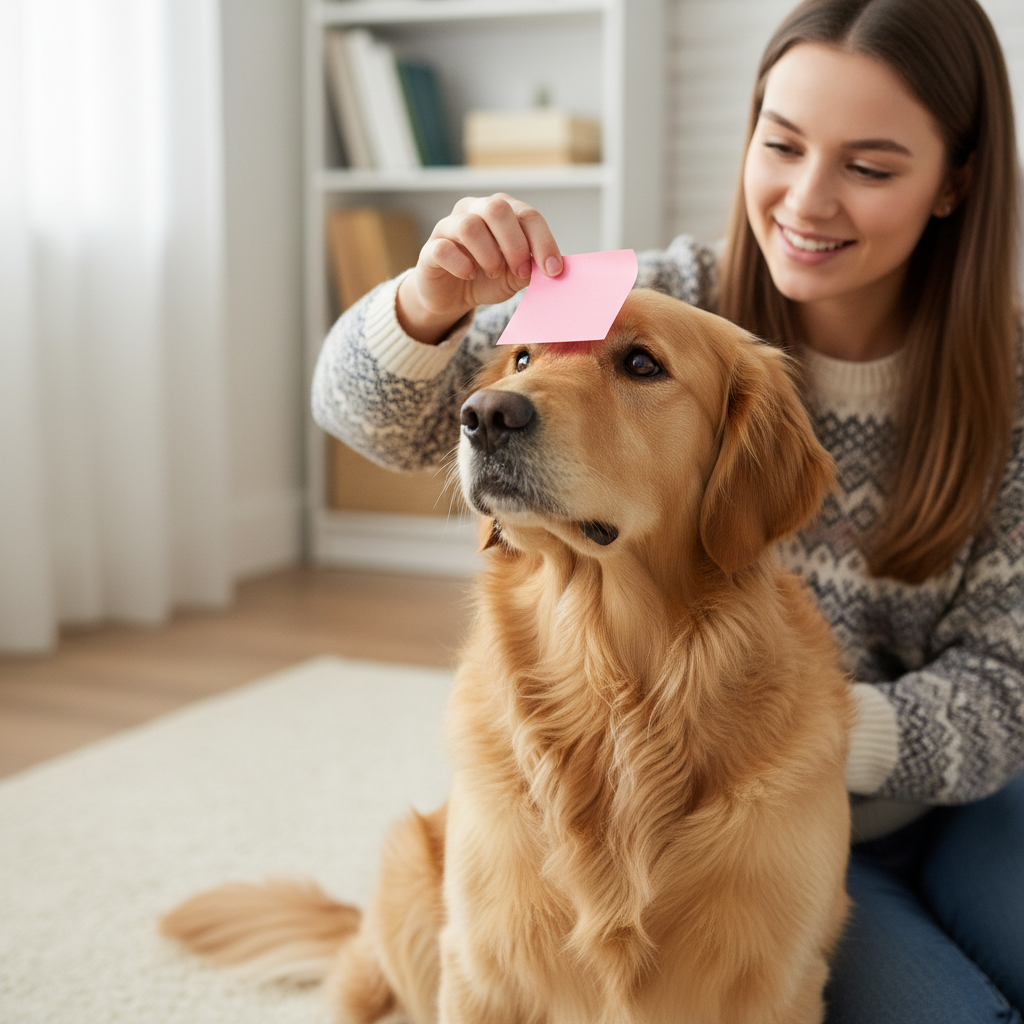
Now that your dog is a pro at targeting the note, it’s time to change its location. The goal here is to get your dog to use their paw, not their nose. Lightly stick the note to a surface near your dog’s head level, like a wall or the side of a cabinet. Encourage them to interact with it. Since they can’t easily use their nose, they might start to investigate with their paw.
The instant their paw touches the sticky note, click and treat! This is a huge breakthrough moment. If they don’t use their paw, you can gently tap the note to draw their attention to it. Once they are reliably pawing the note on the wall, you can move to the next phase: sticking it on their head.
Gently place the sticky note on your dog’s head, just above one of their eyes. Naturally, they will want to get it off. The moment they lift their paw to brush it away, click and give them a huge reward. This is the exact motion we want to capture! Don’t worry if it’s clumsy at first. Just reward any attempt to use their paw to touch their head.
Step 3: Fade the Sticky Note and Introduce the Cue
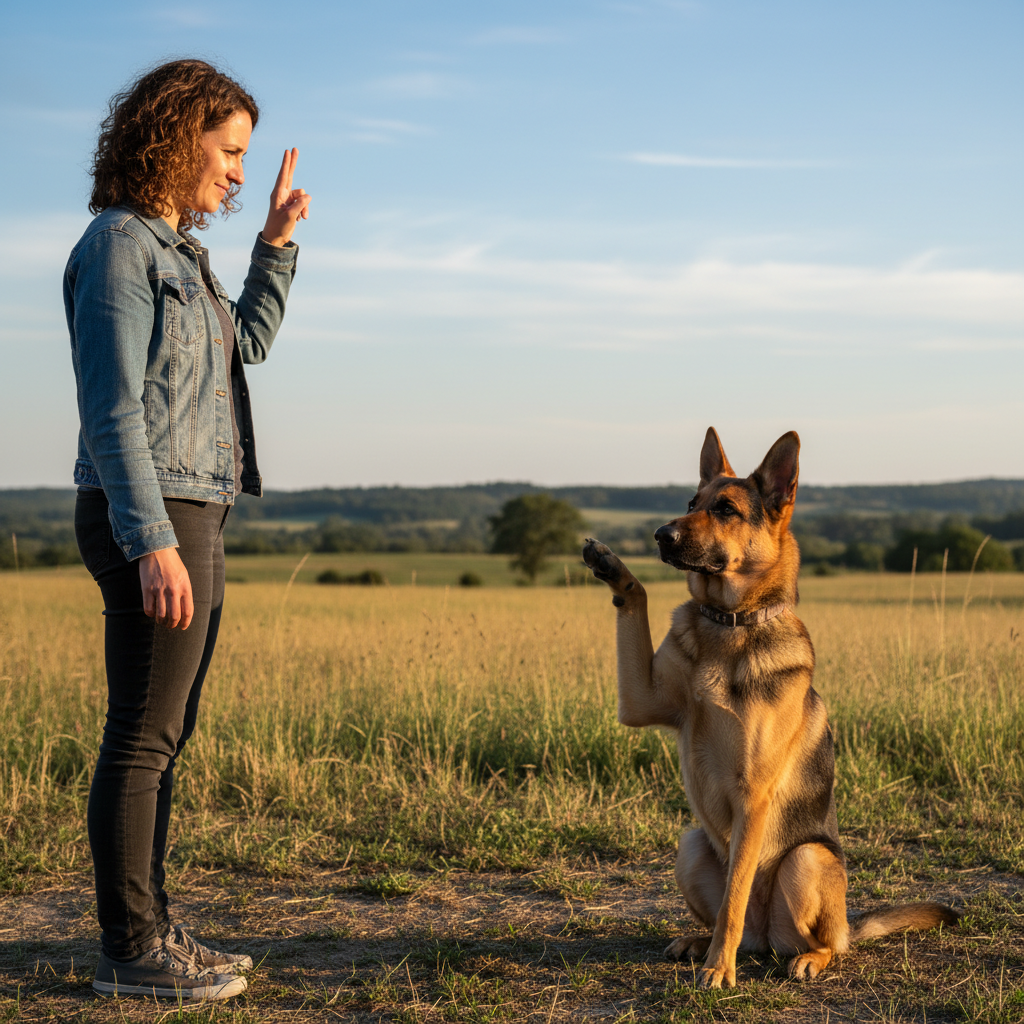
Your dog is now consistently lifting their paw to their head to get the sticky note. It’s time to get rid of the prop! Start by just pretending to place the note on their head. Go through the same motion with your hand, but don’t leave the note behind. Your dog, anticipating the note, will likely still lift their paw. When they do, click and treat!
After several successful repetitions, you can make your hand signal smaller. Instead of touching their head, just point towards the spot above their eye. This will become your visual cue. Once your dog reliably performs the salute with just the hand signal, you can add a verbal cue.
Say your chosen word, like ‘Salute!’ or ‘Present Arms!’, just before you give the hand signal. After a few sessions, your dog will begin to associate the word with the action. Eventually, you can try saying the word without giving the hand signal to see if they’ve made the connection.
Step 4: Refine and Perfect the Salute
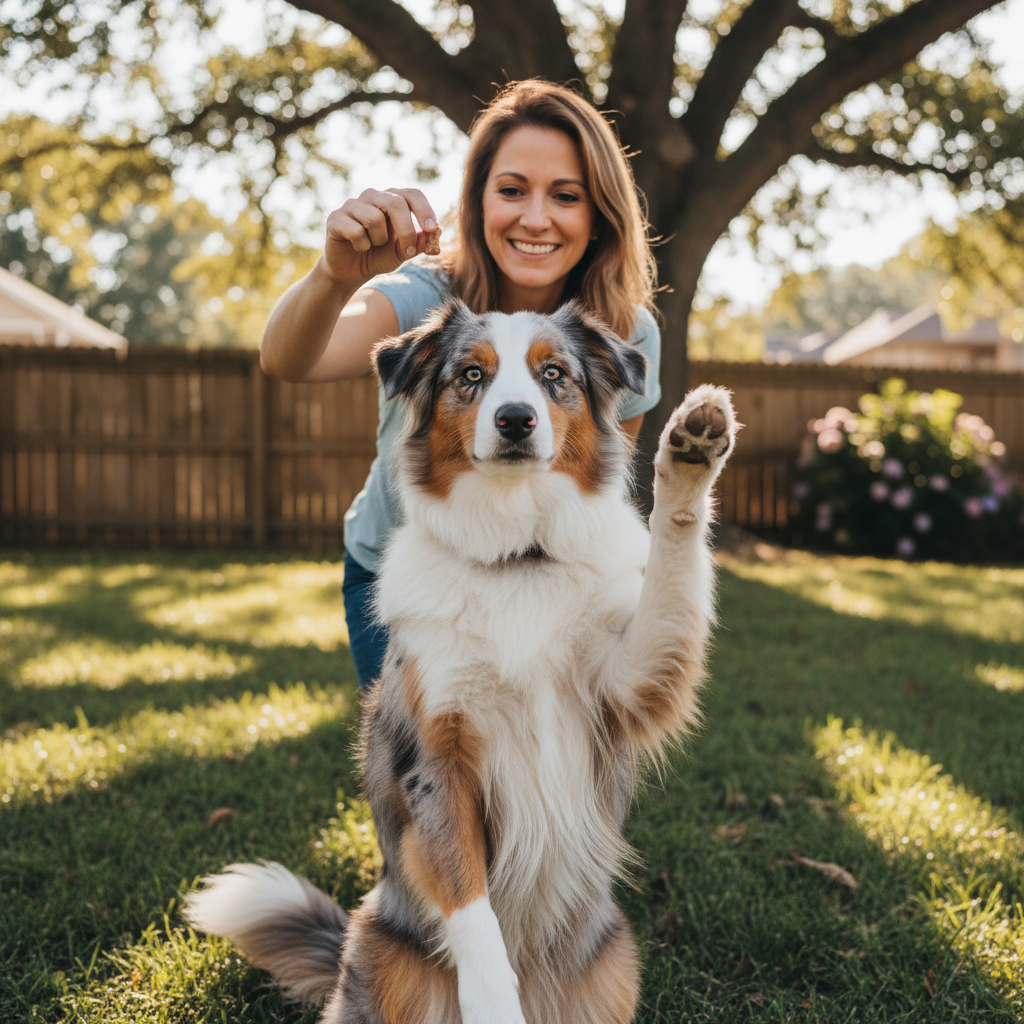
You’ve done the hard part! Your dog understands the cue and performs the action. Now, it’s all about making it look sharp and polished. This stage is about shaping the behavior from a quick paw-flick to a deliberate, held pose.
To do this, start asking for a little more before you click and treat. At first, just reward the quickest and highest paw lifts. Then, start waiting for a split second while their paw is in the ‘salute’ position before you click. This is called ‘building duration.’ Gradually increase the time you wait, from a split second to a full second or two.
Remember to keep it fun! If your dog gets frustrated, you’re moving too fast. Go back a step to where they were successful and build up more slowly.
Practice in different rooms and eventually in more distracting environments like your backyard. This helps ‘proof’ the trick, meaning your dog can perform it anywhere, not just in your quiet training space.
Troubleshooting Common Hiccups
Sometimes training doesn’t go exactly as planned, and that’s completely okay! Here are a few common issues and how to solve them.
My dog keeps using their nose, not their paw.
This is common in Step 2. Make sure the sticky note is placed far enough onto their head that using their nose is awkward. You can also try a slightly stickier note (without being hard to get off) so it feels more present to them, encouraging them to use a paw to remove it.
My dog is scared of the sticky note.
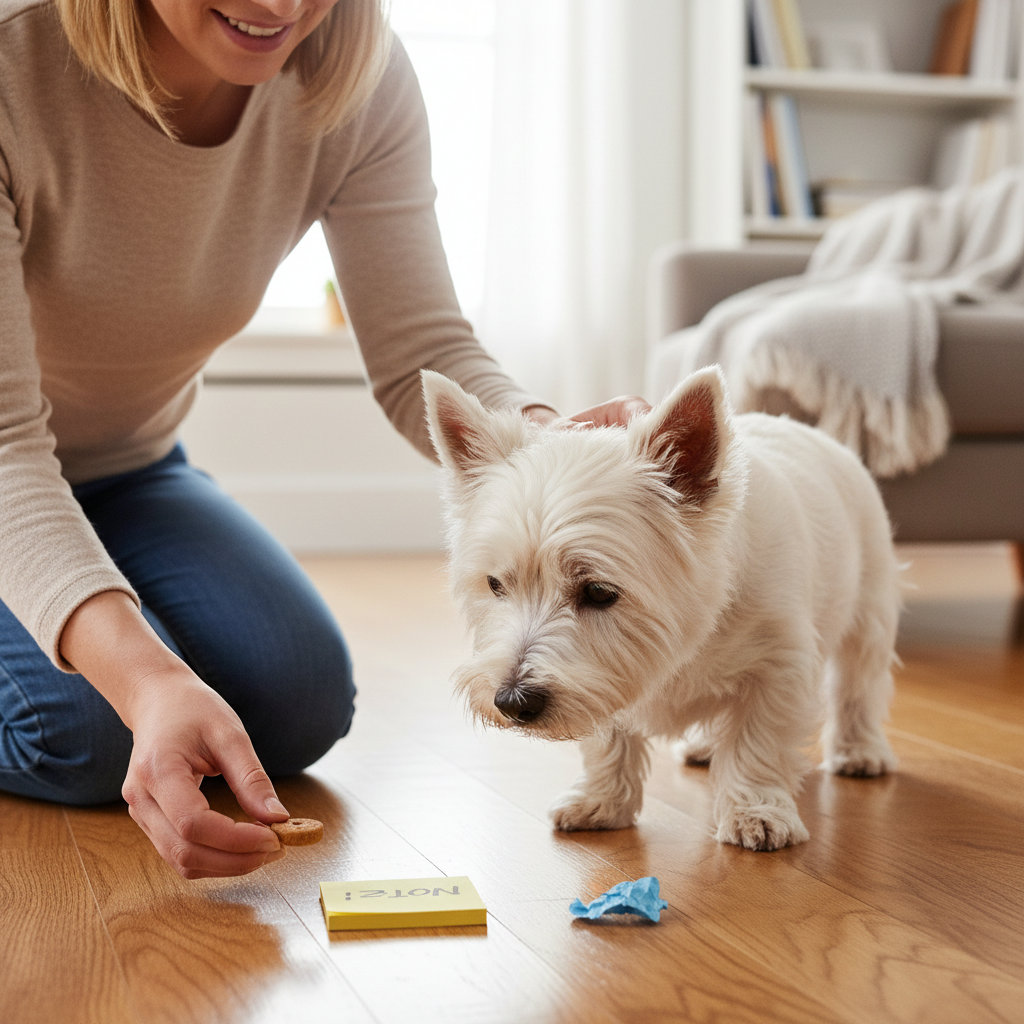
Go back to Step 1 and build a stronger positive association. Leave the sticky note on the floor and reward your dog for just looking at it. Then for sniffing it. Then for touching it. Don’t rush the process; let your dog get comfortable at their own pace.
The salute is sloppy or low.
This is where ‘selective rewarding’ comes in. Only click and treat the salutes that are a little better than the last one. If your dog offers a high, crisp salute, give them a ‘jackpot’—several treats at once—to let them know they really nailed it! This encourages them to repeat the better-quality movement.
Conclusion
Congratulations, you did it! With these five steps, you’ve taught your dog one of the most charming tricks around. Remember that the key to any successful training is patience, consistency, and a whole lot of positive reinforcement. Every dog learns at a different pace, so celebrate the small victories along the way.
More than just a cool party trick, this training journey has strengthened your communication and bond with your furry best friend. Now, go on and show off your pup’s impressive new skill. They’ve earned the applause (and the extra treats)!