The Cutest Trick Ever: Teach Your Dog to Act Shy (Cover Eyes) Today
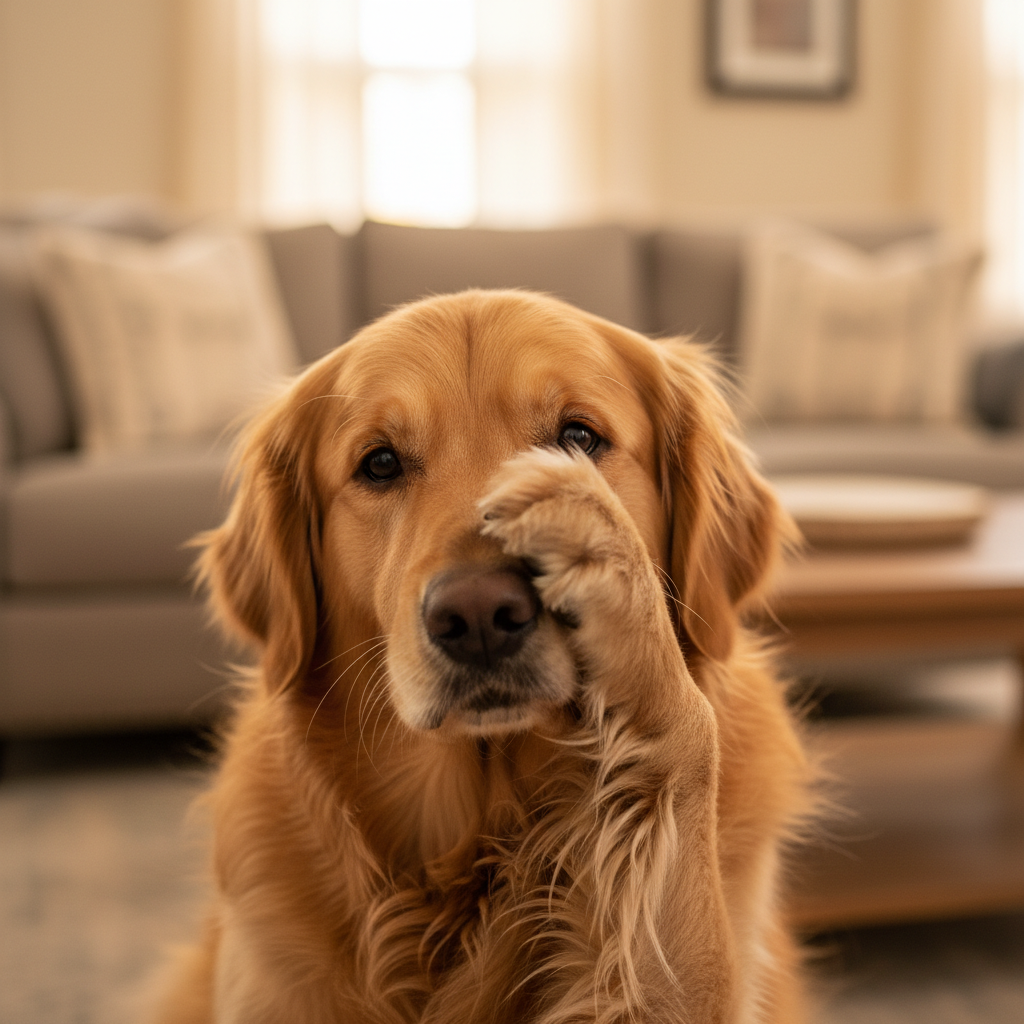
Have you ever seen a dog cover its eyes and thought, ‘That is the single cutest thing I have ever seen’? Well, get ready to be the proud owner of that very dog! Teaching your pup to act ‘shy’ is more than just a fun party trick; it’s a fantastic way to strengthen your bond, boost your dog’s confidence, and provide some much-needed mental stimulation. It looks complicated, but I promise, with a little patience and a pocketful of tasty treats, you can teach this heart-melting trick in no time. This guide will walk you through everything you need to know, from the initial setup to troubleshooting common bumps in the road. So, grab your four-legged student, and let’s begin this adorable training adventure!
Getting Prepped: What You’ll Need for Success
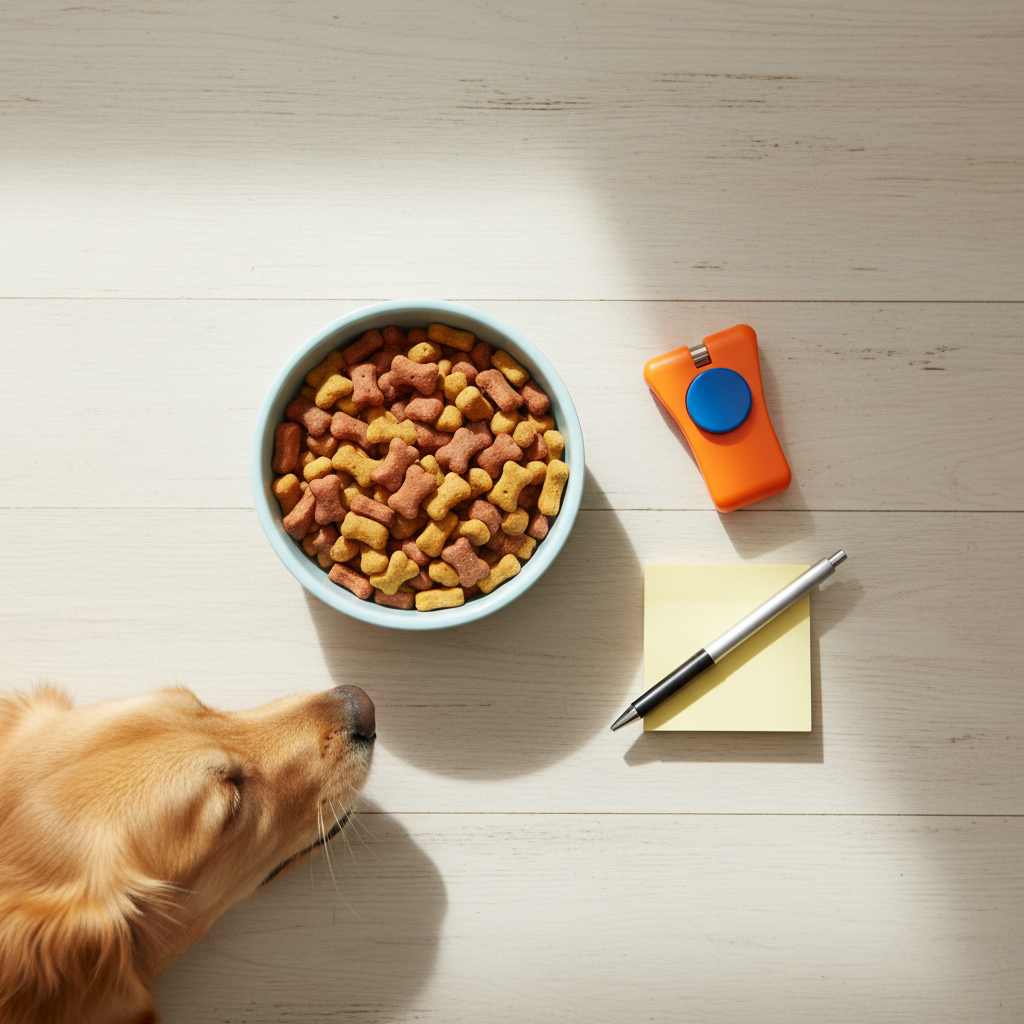
Before you start, let’s gather a few simple tools to set you and your pup up for a successful training session. Having everything ready means you can focus all your energy on the fun part – the training! You don’t need much, but the right tools make all the difference.
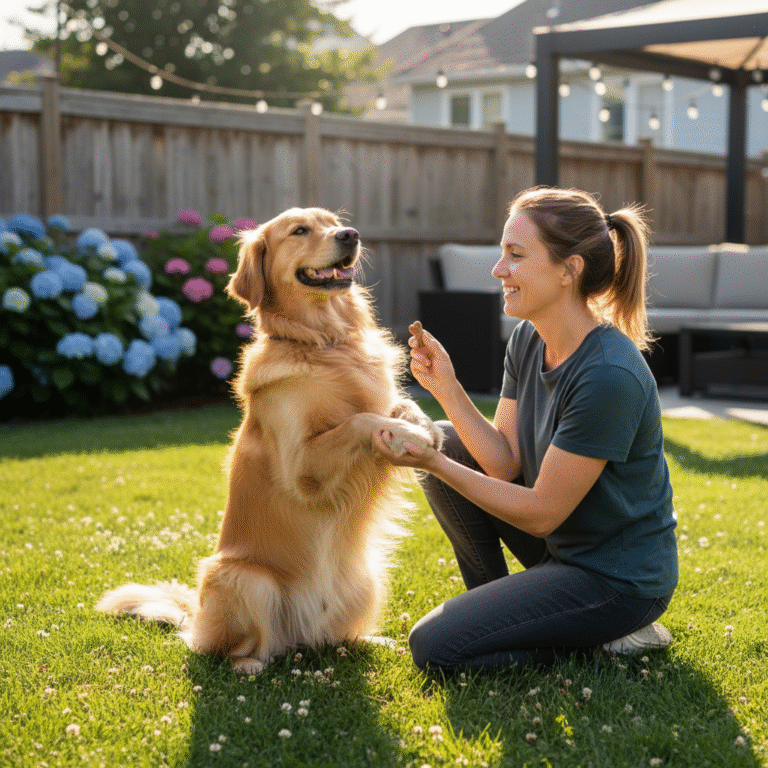
- High-Value Treats: We’re talking the good stuff! Small, soft, and extra smelly treats work best. Think tiny pieces of chicken, cheese, or commercial training treats that your dog absolutely loves. The goal is to make the reward so good that your dog is super motivated to work for it.
- A Sticky Note or Post-it Note: This will be our temporary ‘prop’ to encourage the paw-to-face motion. Don’t worry, we’ll get rid of it later! Make sure it’s not overly sticky; you don’t want to pull any fur.
- A Clicker (Optional): If you use a clicker in your training, have it handy. A clicker is a great tool for precisely marking the exact moment your dog does the right thing. If you don’t use one, a consistent verbal marker like a happy ‘Yes!’ works just as well.
- A Quiet, Distraction-Free Space: Choose a room where you won’t be interrupted. Turn off the TV and put your phone on silent. A calm environment helps your dog focus on you and the task at hand.
Expert Tip: Keep your training sessions short and sweet! Aim for 5-10 minutes at a time, once or twice a day. Ending on a positive note will keep your dog excited for the next session.
The Step-by-Step Guide to Teaching ‘Shy’
Alright, this is where the magic happens! We’re going to break this down into tiny, manageable steps. Remember, every dog learns at a different pace, so be patient and celebrate the small victories along the way. Let’s get that paw moving!
-
Step 1: Introduce the Prop
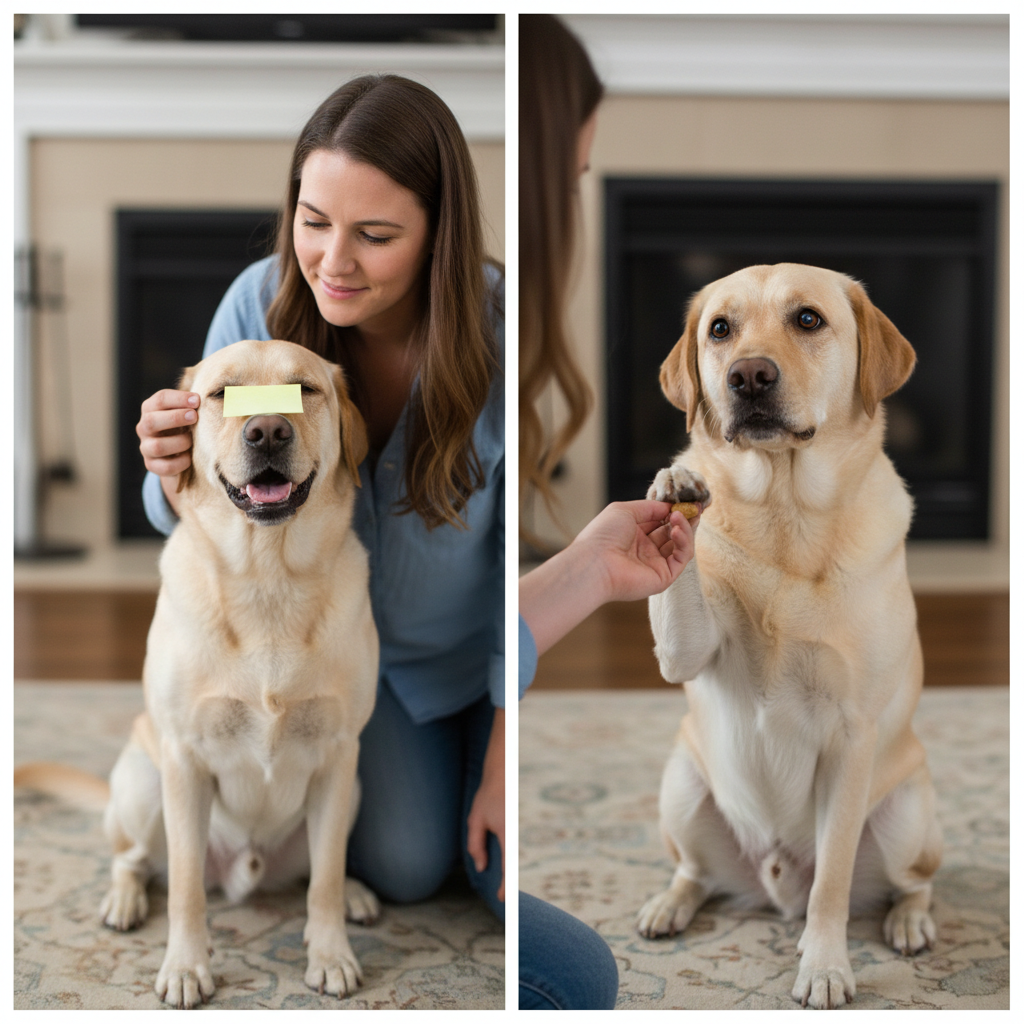
Take a small sticky note and gently place it on the top of your dog’s muzzle, right between their eyes. Most dogs will instinctively try to paw it off. The very instant their paw makes contact with their face or the sticky note, mark the behavior (with a ‘Yes!’ or a click) and give them a treat. Repeat this several times until your dog is reliably pawing at the note as soon as you place it.
-
Step 2: Fade the Prop
Once your dog gets the hang of it, we want to start removing the need for the sticky note. Start by just pretending to stick it on. Go through the motion of placing it on their nose, but pull your hand away without leaving the note. Your dog will likely still perform the pawing motion out of habit. When they do, mark and reward enthusiastically! If they hesitate, you can go back to using the note for a few more repetitions before trying again.
-
Step 3: Introduce the Verbal Cue
Now it’s time to name the behavior. Just before you prompt the motion (by pretending to place the note), say your chosen cue word clearly. Good options are ‘Shy,’ ‘Cover your eyes,’ or ‘Where’s the dog?’ As soon as you say the word and they perform the action, give them a big reward. The goal is for them to associate the word with the action.
-
Step 4: Refine and Shape the Behavior
At this point, your dog is likely just giving a quick swipe at their face. Now we want to shape it into that adorable, sustained pose. Start rewarding only for the paw movements that are closer to their eye. Then, start waiting a split second before you mark and reward, encouraging them to hold their paw on their face for just a little longer. Gradually increase the duration. This step requires the most patience, so keep it positive!
Oops! Troubleshooting Common Training Hiccups
Even with the best plan, you might run into a few little snags. Don’t worry, it’s totally normal! Here are some common issues and how to solve them without losing your cool (or your dog’s interest).
My dog just licks the sticky note off.
This is a common one! If your dog is a licker, try a different approach. You can gently hold a treat near their eye. As they lift their paw to investigate or try to get the treat, mark and reward that paw-lifting motion. It’s another way to get the initial movement without the sticky prop.
My dog is pawing at the air, not their face.
This means you might have faded the prop too quickly. Go back a step! Use the sticky note again for a few successful repetitions to remind them of the goal. When you try fading it again, make your hand motion more obvious and guide their attention toward their nose.
They won’t hold the pose for more than a second.
Patience is key here. You might be asking for too much, too soon. Go back to rewarding any duration, even a split second. Then, only increase the time you ask for by tiny increments. A training technique called ‘jackpotting’ can also help. When they hold it for a fraction longer than usual, give them a huge reward – several treats at once and lots of praise. This communicates that they did something extra special.
Remember: If you or your dog are getting frustrated, it’s time to end the session. Always end on a successful repetition, even if it’s an easy one. You can always try again later. Training should always be fun!
Conclusion
Congratulations! You now have all the steps to teach one of the most charming tricks around. By teaching your dog to be ‘shy,’ you’ve done more than just add to their repertoire; you’ve spent quality time together, improved your communication, and given their brain a great workout. Be proud of the progress you both have made, no matter how small. Now, go ahead and show off your pup’s new skill to friends and family – and get ready for the chorus of ‘Awws’ that is sure to follow. Happy training!