The “Cheese” Sauce That Makes Picky Dogs Eat Dry Kibble
We’ve all been there. You lovingly scoop a portion of high-quality, expensive kibble into your dog’s bowl, only to be met with a sniff, a sigh, and a dismissive walk-away. The life of a picky dog’s parent can be frustrating, worrisome, and downright baffling. You start to wonder, ‘Is something wrong? Do they hate their food? Am I a bad pet parent?’
Take a deep breath! It’s a common struggle, and you’re not alone. While there can be underlying medical reasons for a loss of appetite, many dogs are simply selective. They crave variety and flavor, just like we do. So, what if you could give them that extra burst of deliciousness without compromising their health? Enter the magic of a dog-safe “cheese” sauce. This isn’t your average nacho cheese, packed with salt and ingredients that can upset a dog’s stomach. This is a specially designed, healthy, and irresistible topper that can make that bowl of kibble the highlight of your dog’s day. Let’s get cooking!
The Ultimate Dog-Safe ‘Cheese’ Sauce Recipe
The Ultimate Dog-Safe ‘Cheese’ Sauce Recipe
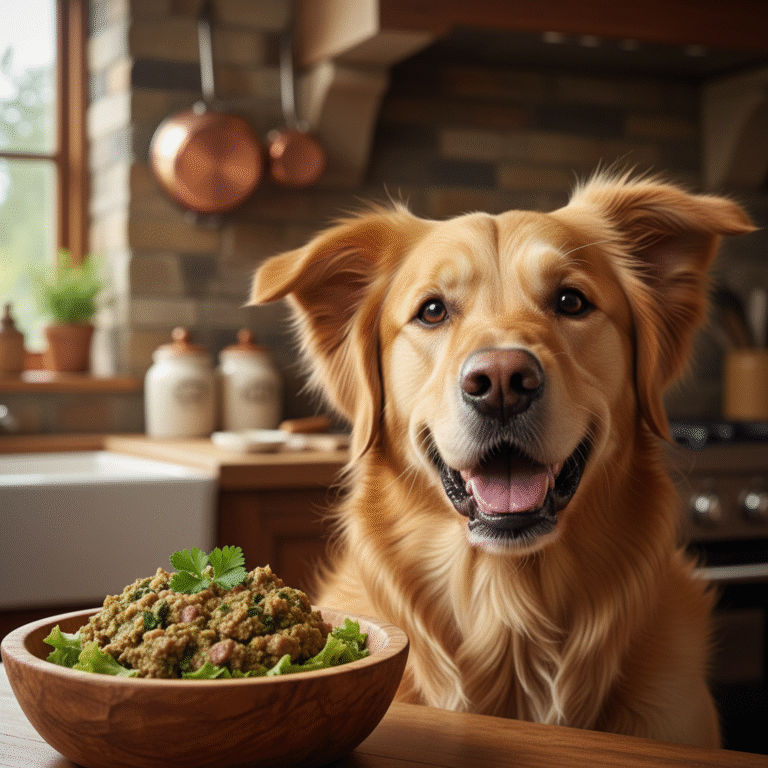
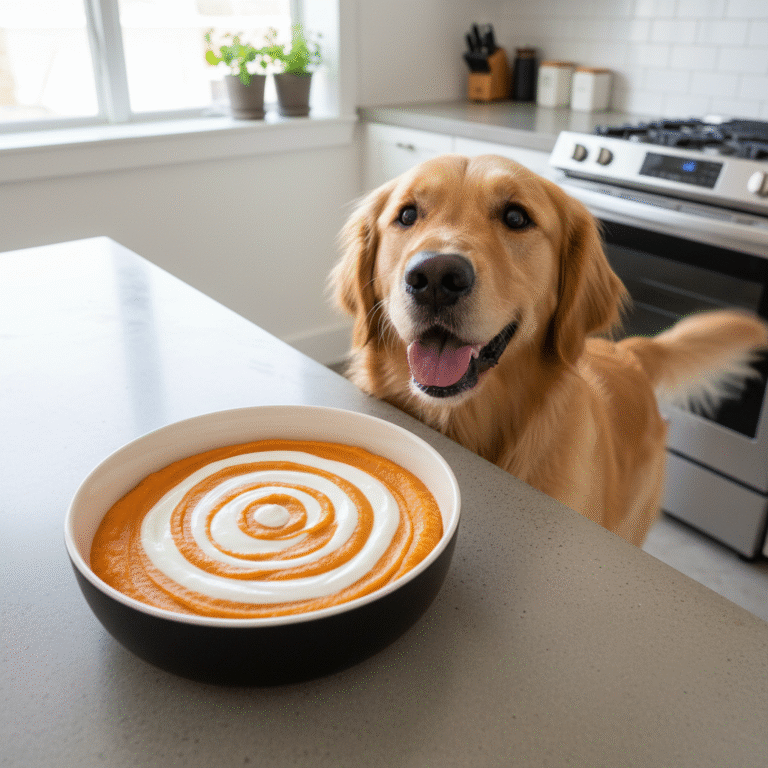
Forget the processed cheese slices! This recipe uses wholesome ingredients to create a creamy, savory sauce with a cheesy flavor that dogs go wild for. The secret ingredient? Nutritional yeast! It provides that cheesy, nutty taste without the high fat and lactose of real cheese, and it’s packed with B vitamins.
Ingredients You’ll Need:
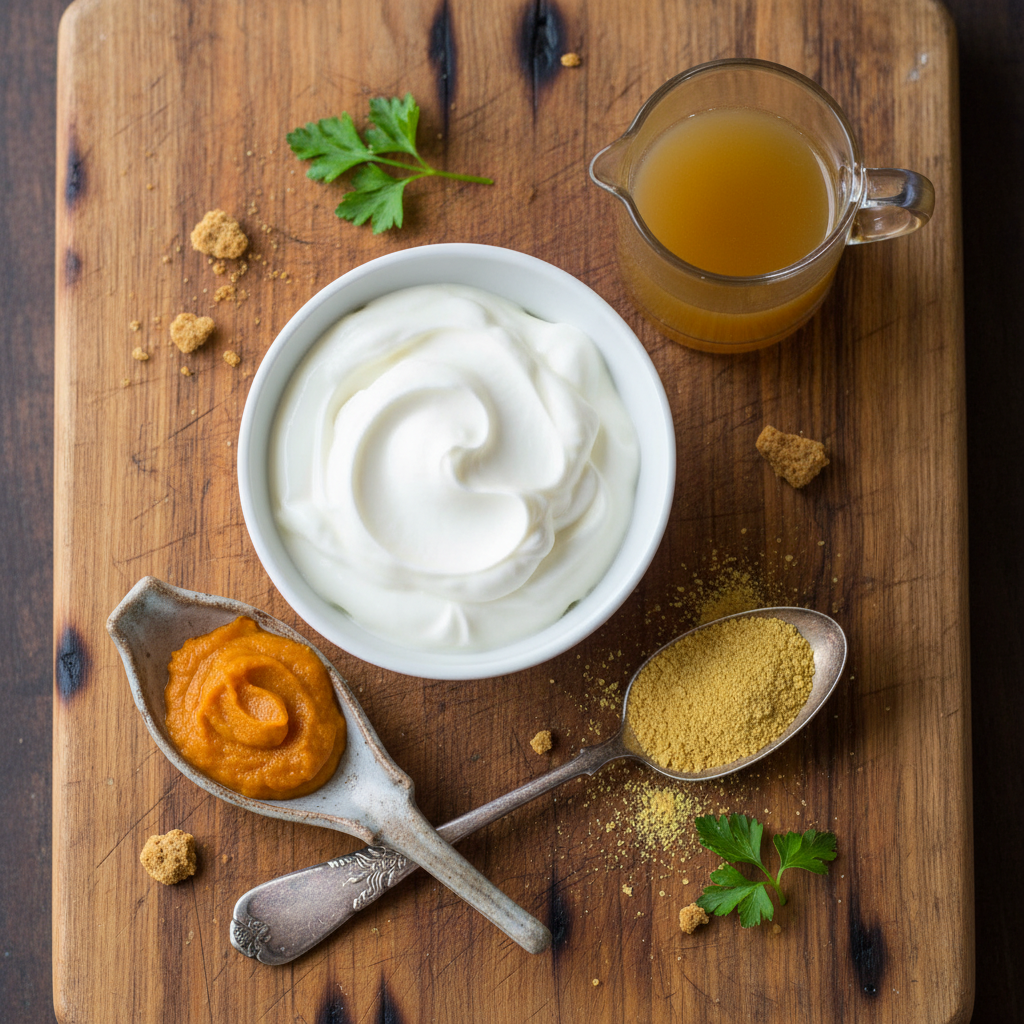
- 1/2 cup plain, unsweetened Greek yogurt or kefir (great for probiotics!)
- 1/4 cup low-sodium chicken or beef bone broth (no onions or garlic)
- 2 tablespoons of nutritional yeast
- 1 tablespoon of pure pumpkin puree (not pie filling)
- Optional: 1 tablespoon of finely grated low-fat cheese like mozzarella or a small dollop of cottage cheese.
Step-by-Step Instructions:
- Combine Ingredients: In a small bowl, add the Greek yogurt, bone broth, nutritional yeast, and pumpkin puree.
- Mix Thoroughly: Whisk all the ingredients together until you have a smooth, consistent sauce. If it’s too thick, add a little more bone broth. If it’s too thin, a bit more yogurt or pumpkin will do the trick.
- Add Optional Cheese: If you’re including a little real cheese, stir it in now. The small amount adds an extra flavor boost that can be very enticing.
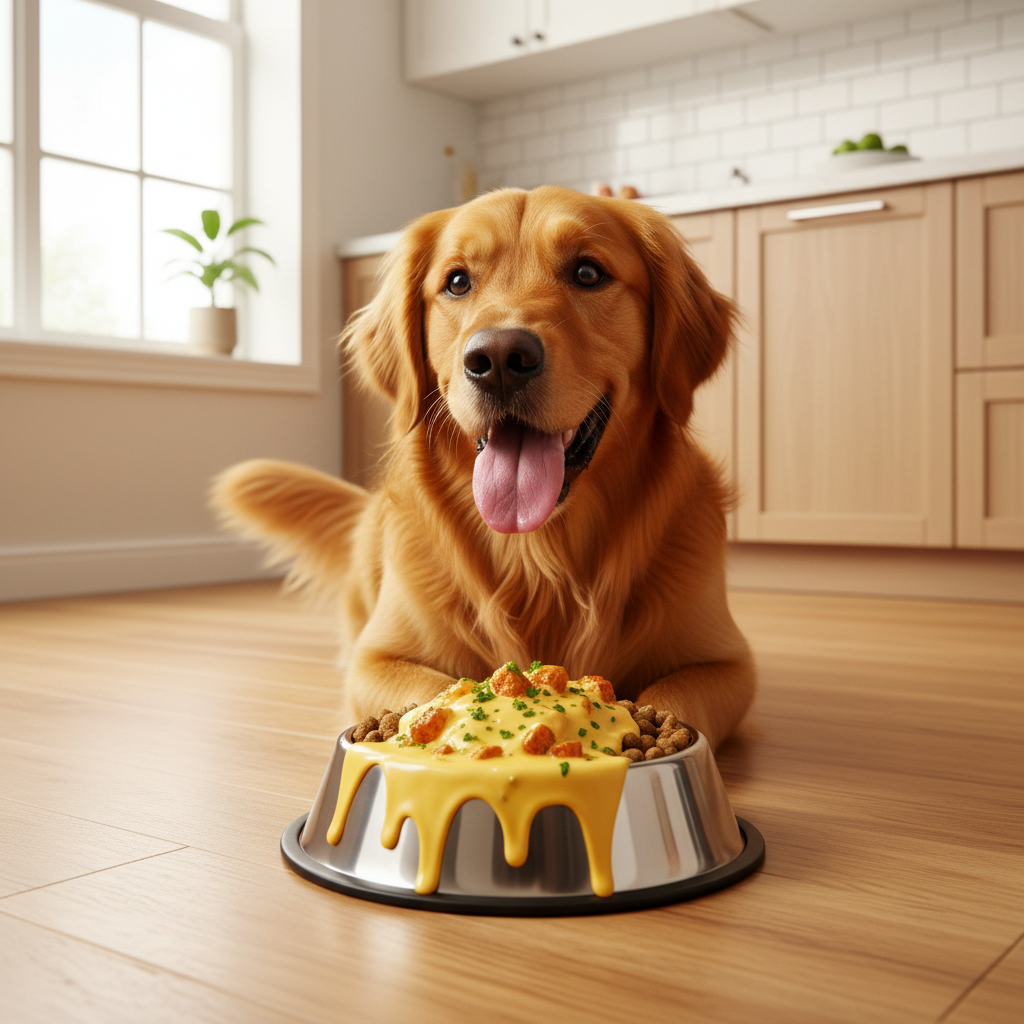
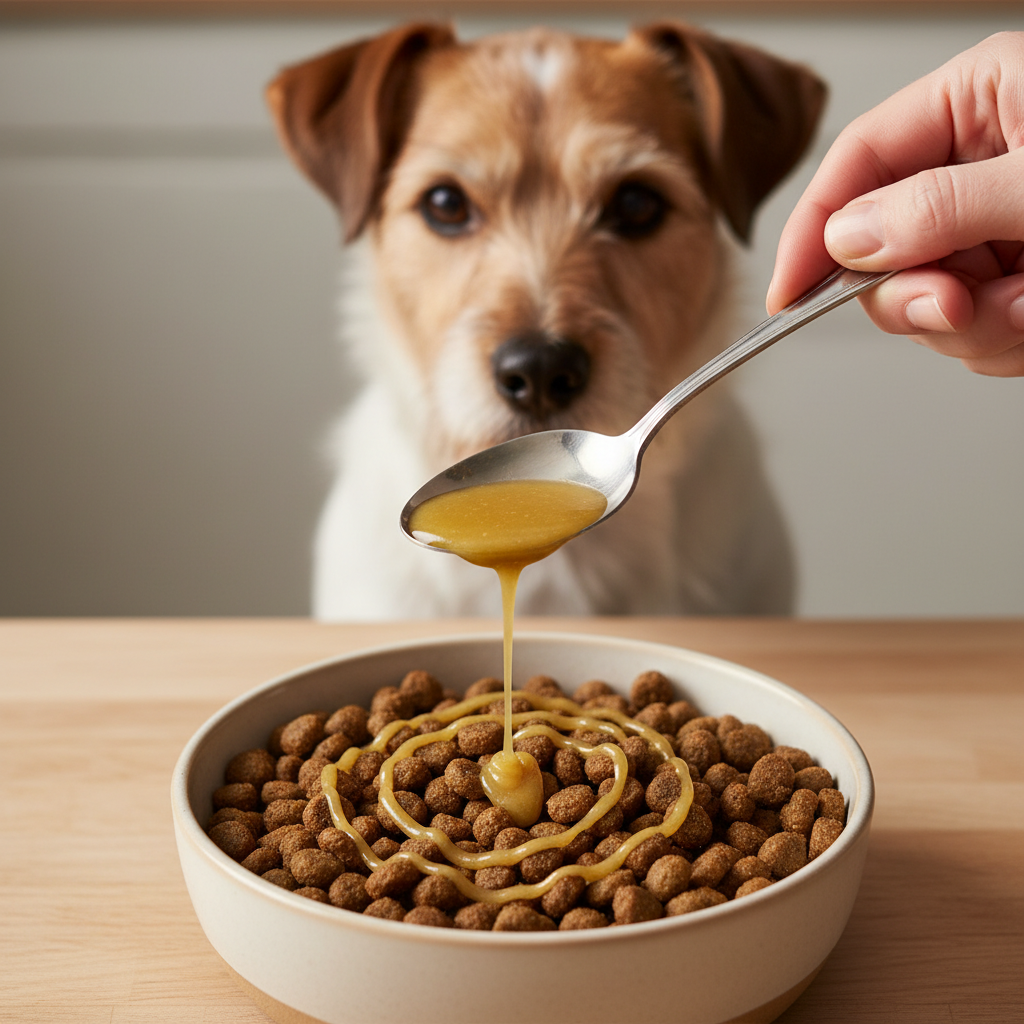
- Serve It Up: Drizzle one or two tablespoons of the sauce over your dog’s regular kibble and mix it in slightly. Serve immediately!
Pro Tip: You can store this sauce in an airtight container in the refrigerator for up to 5 days. You can also freeze it in an ice cube tray for perfectly portioned, ready-to-use ‘flavor bombs’ that you can thaw as needed.
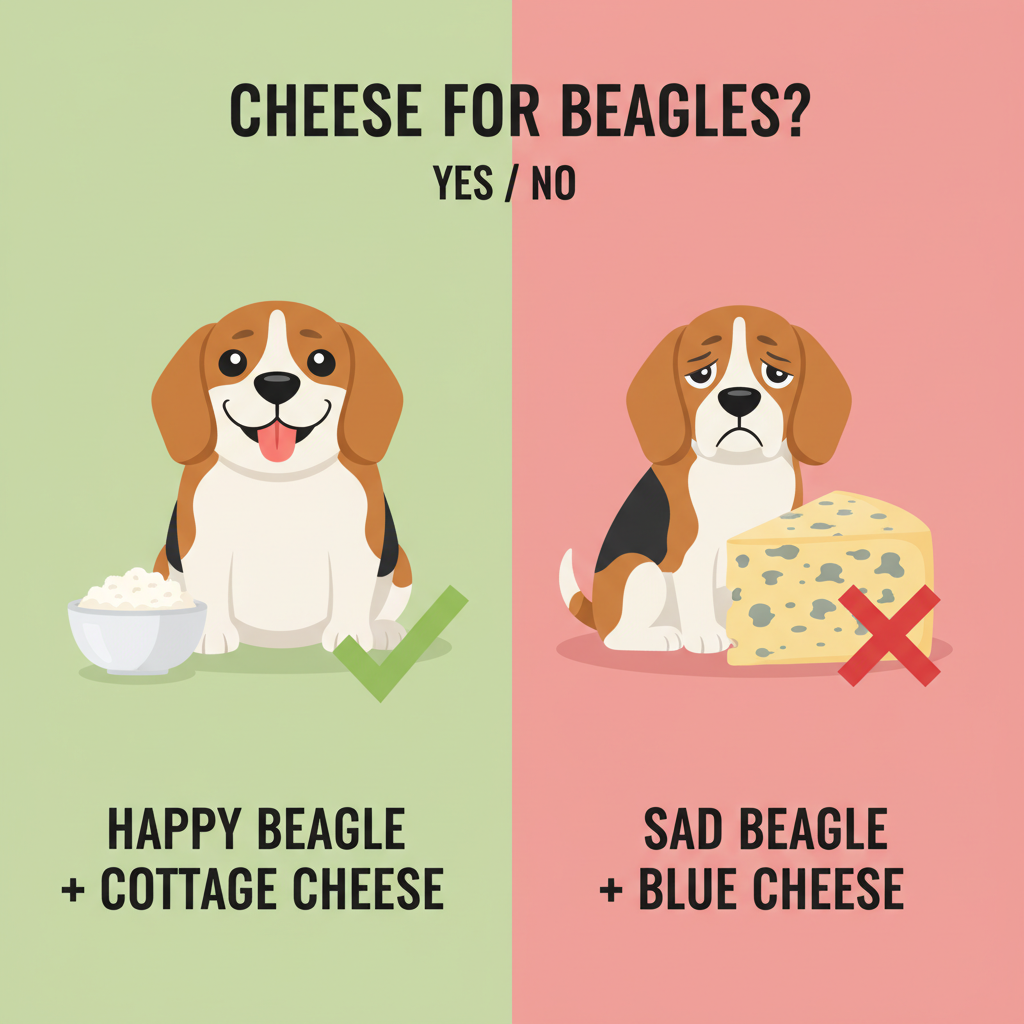
Is Real Cheese Safe for Dogs? The Good, The Bad, and The Smelly
Is Real Cheese Safe for Dogs? The Good, The Bad, and The Smelly
The short answer is: it depends. While many dogs love cheese, it’s not always the best treat for them. Many dogs are lactose intolerant to some degree, meaning dairy can lead to gas, bloating, and diarrhea. Furthermore, the high fat content in most cheeses can be a serious problem.
High-fat foods can contribute to weight gain and, more dangerously, can trigger pancreatitis—a painful and potentially life-threatening inflammation of the pancreas. That’s why moderation and choosing the right kind of cheese are absolutely critical.
Your Dog’s Guide to Cheese
Here’s a quick breakdown of which cheeses are generally safer and which you should always avoid.
| Cheese Type | Safety Level | Why? |
|---|---|---|
| Cottage Cheese | Safer Choice | Low in fat and lactose, high in protein and calcium. |
| Mozzarella (Low-fat) | Safer Choice | Lower in fat and sodium compared to many other cheeses. |
| Cheddar / Swiss | Use with Caution | Higher in fat. A very small cube as a rare treat is usually okay for healthy dogs. |
| Blue Cheese / Roquefort | AVOID | The mold used to make these cheeses can produce roquefortine C, a substance that is toxic to dogs. |
| Feta / Goat Cheese | AVOID | Very high in fat and sodium, which can cause serious stomach upset. |
| Cheese with Herbs/Garlic | AVOID | Many added ingredients like garlic, onions, and chives are toxic to dogs. |
Serving Suggestions and Portion Control: Don’t Overdo It!
Serving Suggestions and Portion Control: Don’t Overdo It!
Even with a healthy topper, balance is key. The goal is to enhance your dog’s existing diet, not replace it. Your dog’s main source of nutrition should still be their well-balanced kibble.
Think of this sauce as a ‘garnish’ or ‘gravy.’ A good rule of thumb is that treats and toppers should not make up more than 10% of your dog’s total daily caloric intake. For our cheese sauce, this means:
- Small Dogs (under 20 lbs): Start with 1 tablespoon per meal.
- Medium Dogs (20-50 lbs): 1-2 tablespoons per meal should be plenty.
- Large Dogs (over 50 lbs): You can go up to 3 tablespoons per meal.
Always start with a smaller amount to see how your dog’s stomach handles the new addition. If you notice any signs of digestive upset like gas or loose stools, reduce the amount or discontinue use. This sauce is meant to be a tool to encourage eating, not a permanent fixture for every single meal. You can use it to get them interested in their food again and then gradually phase it out, or save it for special occasions.
More Healthy & Delicious Alternatives to Spice Up Kibble
More Healthy & Delicious Alternatives to Spice Up Kibble
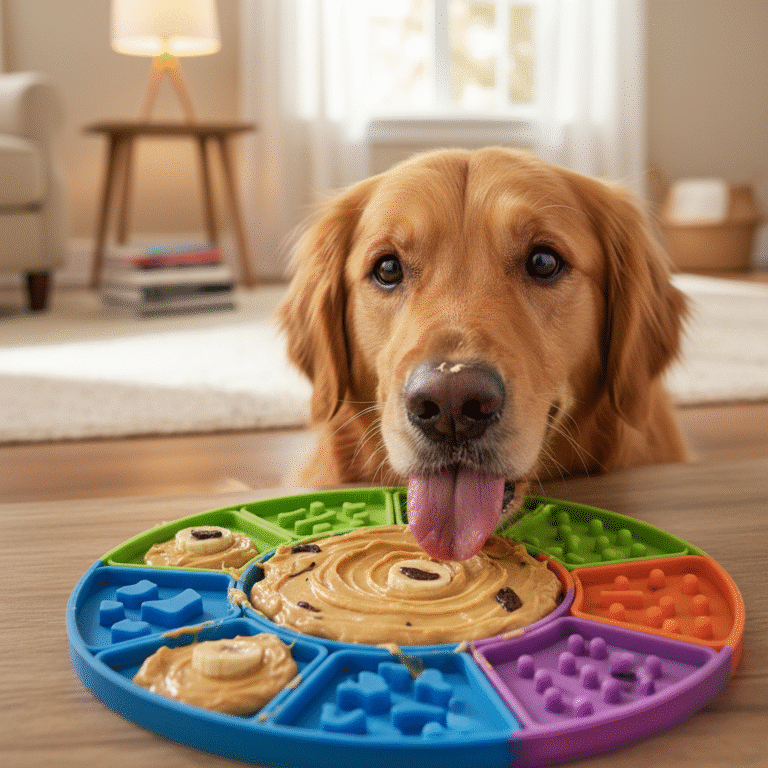
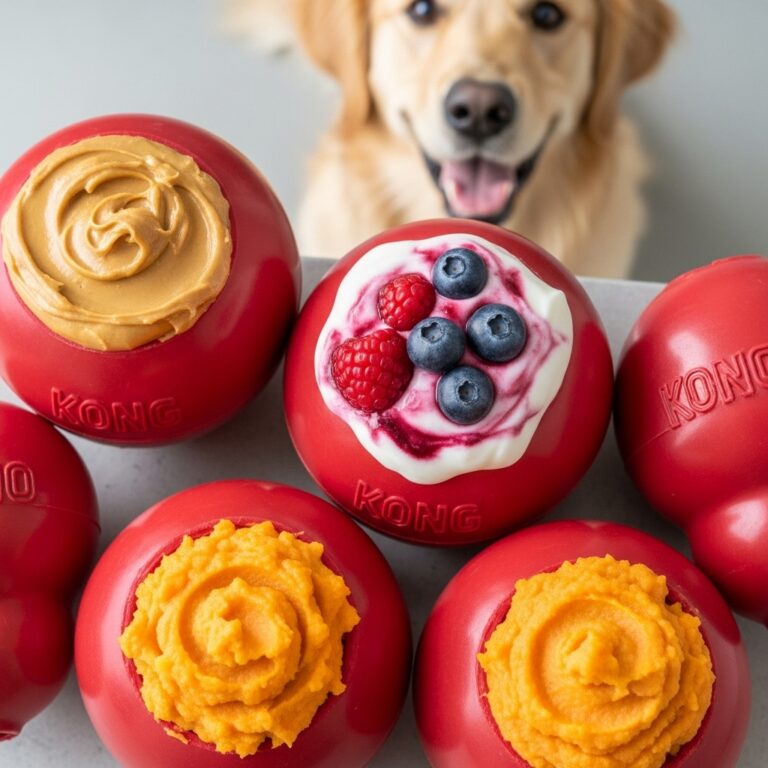
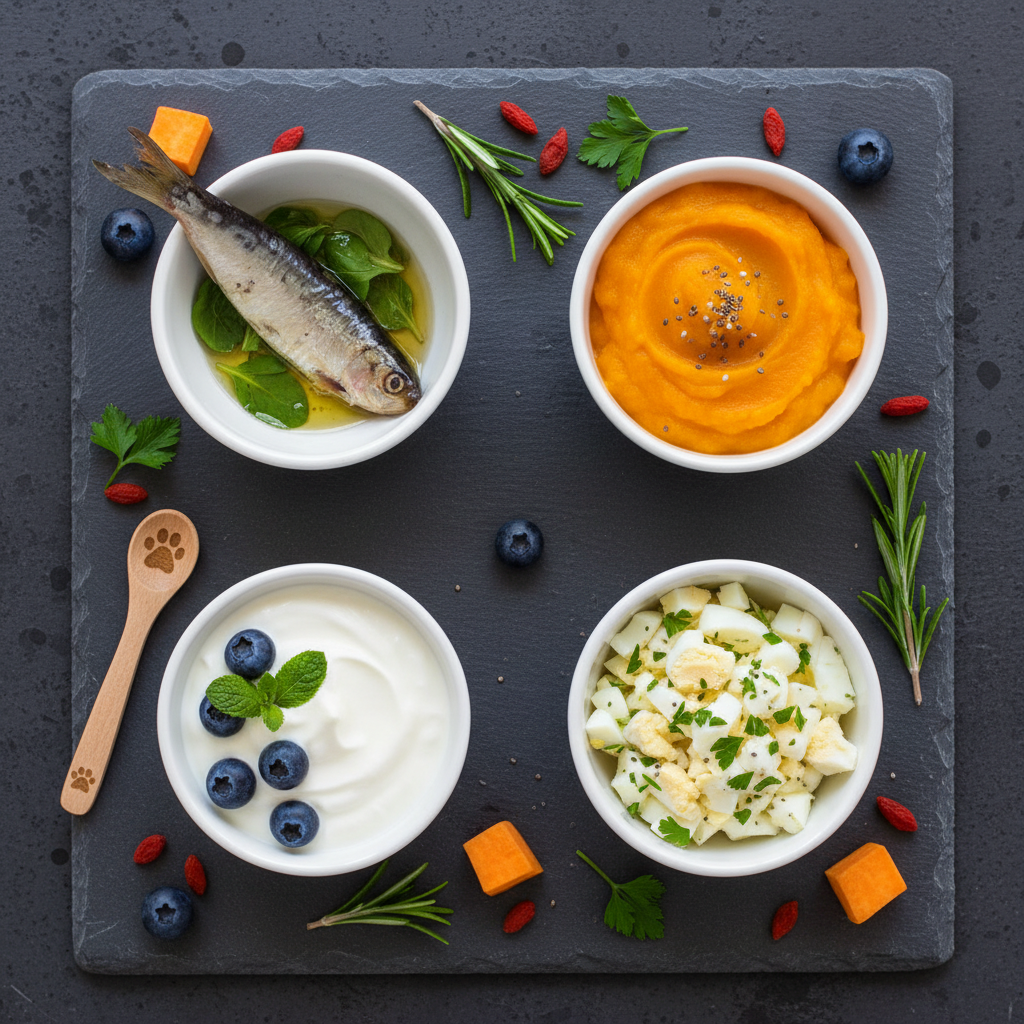
If the ‘cheese’ sauce isn’t a hit or you just want to rotate some different flavors to keep things interesting, don’t worry! Your kitchen is likely full of other fantastic, dog-safe meal enhancers. Variety can be the spice of life for a picky pup.
Other Toppers to Try:
- Plain Canned Sardines (in water, no salt added): A fantastic source of Omega-3 fatty acids for skin and coat health. Just one sardine mashed into their food can make a huge difference.
- A Dollop of Plain, Unsweetened Yogurt: As mentioned in our recipe, the probiotics are great for gut health.
- Pureed Pumpkin: A wonderful source of fiber that is excellent for digestive regularity. Make sure it’s 100% pure pumpkin, not the sugary pie filling.
- A Scrambled or Hard-Boiled Egg: A simple, protein-packed treat that most dogs find irresistible. Just be sure not to add any salt or butter.
- Warm Bone Broth: Simply pouring a bit of warm, dog-safe bone broth over kibble can soften it and release amazing aromas that entice your dog to eat.
- Steamed and Mashed Veggies: Small amounts of dog-safe vegetables like carrots, green beans, or sweet potatoes can add nutrients and new textures.
Remember: Whenever you introduce a new food to your dog’s diet, do it slowly and watch for any signs of an allergic reaction or stomach upset. If your dog’s picky eating is sudden, severe, or accompanied by other symptoms like lethargy or vomiting, it’s always best to consult your veterinarian to rule out any underlying health issues.
Conclusion
Dealing with a picky eater can test your patience, but it’s an opportunity to get creative and strengthen the bond with your furry friend. This dog-safe ‘cheese’ sauce is a fantastic tool to have in your arsenal, turning mealtime from a struggle into a celebration. By focusing on healthy, safe, and delicious additions, you’re not just tricking your dog into eating—you’re enriching their diet and showing them a little extra love.
Remember to have fun with it, keep an eye on portion sizes, and always prioritize your dog’s health. Happy cooking, and here’s to clean bowls and happy, well-fed pups!