The 3-Ingredient Fix For Anal Gland Issues No One Talks About
Let’s talk about something a little… unpleasant. If you’ve ever caught your dog doing the infamous ‘butt scoot’ across your favorite rug, or noticed a lingering, fishy smell, you’ve likely had a run-in with anal gland issues. It’s one of the less glamorous parts of pet ownership, but it’s incredibly common. These two small sacs, located just inside your dog’s rectum, are meant to release a unique scent marker every time your dog poops. Think of it as their personal calling card.
The problem arises when they don’t empty properly, leading to discomfort, irritation, and even infection. While many owners resort to frequent, sometimes stressful, manual expressions at the vet or groomer, the root of the problem is often overlooked: diet. What if I told you that a simple, three-ingredient fix could be the key to helping your dog’s body do its job naturally? It’s time to talk about the solution that many people don’t know exists.
First, What’s the Deal with Anal Glands Anyway?
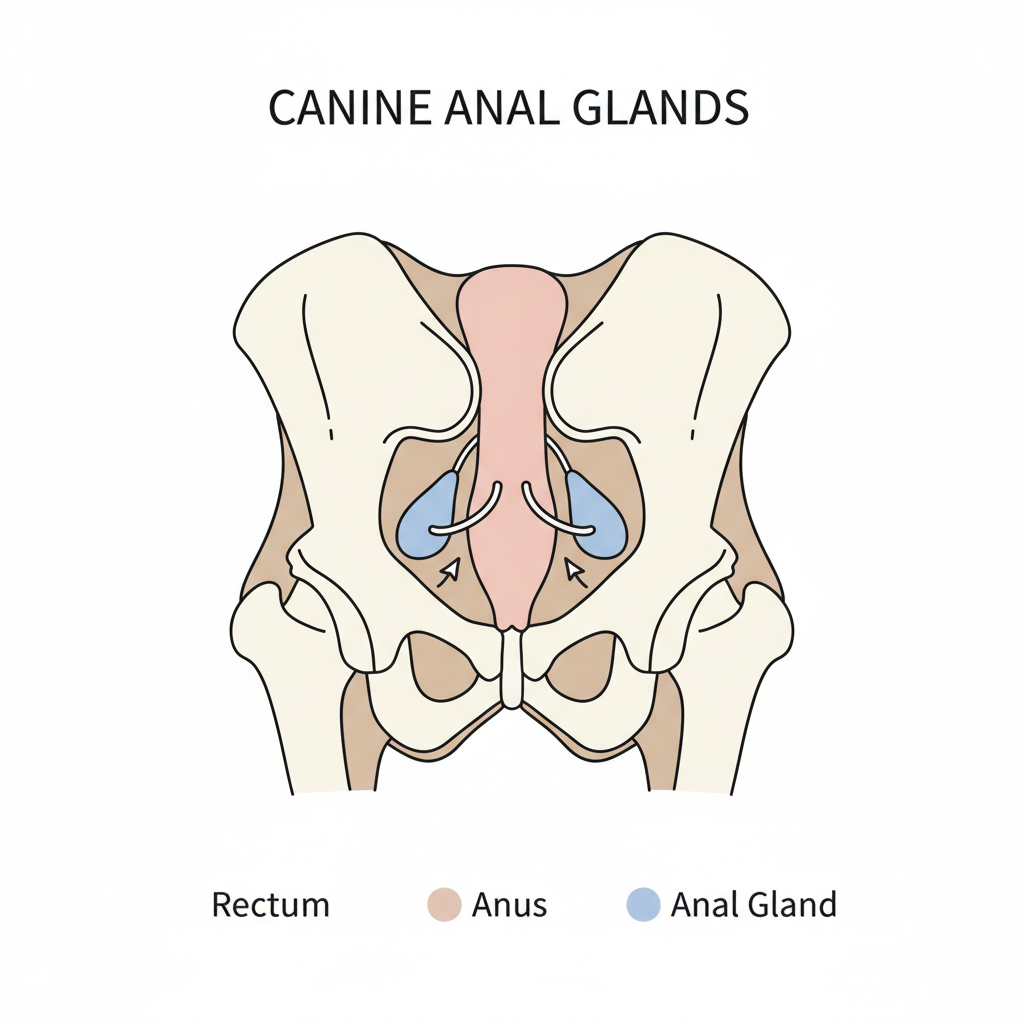
Before we dive into the fix, let’s get a clear picture of what we’re dealing with. Your dog’s anal glands (or anal sacs) are a pair of small pouches located on either side of their anus, around the 4 o’clock and 8 o’clock positions. They produce a pungent, oily liquid that’s unique to your dog. In a perfect world, every time your dog has a healthy, firm bowel movement, the pressure of the stool passing by gently squeezes these glands, releasing a tiny amount of this fluid.
Problems start when the stool is too soft or small to apply enough pressure. When the glands don’t empty regularly, the fluid can thicken, leading to a condition called impaction. This is where your dog starts to feel discomfort and you begin to see the signs. If left untreated, impaction can lead to painful infections or even abscesses, which are much more serious. The goal, therefore, isn’t just to empty the glands, but to help your dog’s body maintain them naturally through healthy digestion.
Is Your Dog Sending an S.O.S.? Signs of Anal Gland Issues
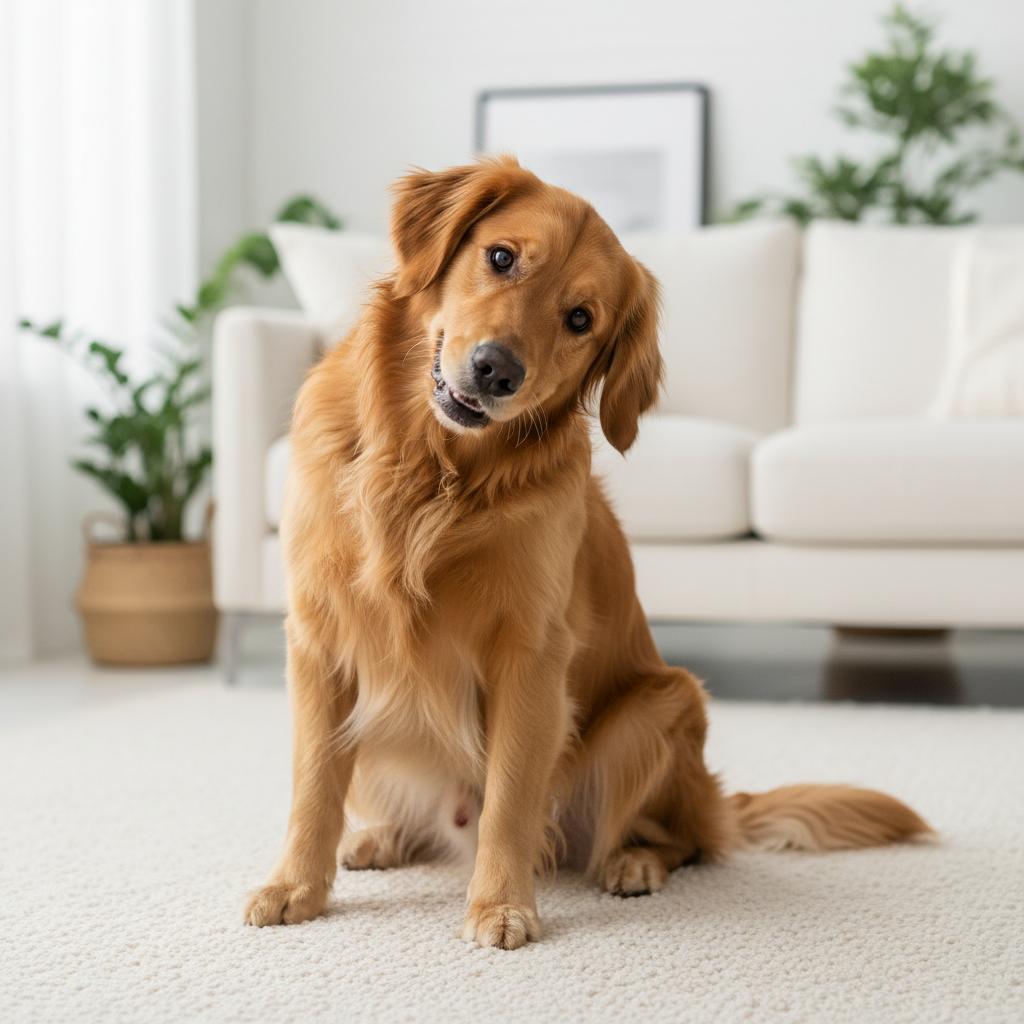
Dogs are masters at hiding discomfort, but when it comes to anal gland issues, they have a few telltale ways of letting you know something’s wrong. Keep an eye out for these common distress signals:
- The Classic Scoot: Dragging their bottom across the floor is the most well-known sign. They’re trying to relieve the pressure and itchiness.
- Excessive Licking or Biting: You might notice them constantly turning to lick or chew at their rear end or the base of their tail.
- A Foul, Fishy Odor: This is a big one. A strong, fishy smell that wasn’t there before often means the glands are leaking or overly full.
- Trouble with Toileting: Crying, straining, or seeming hesitant to poop can indicate that the area is painful.
- Tail Chasing: While sometimes playful, sudden and frantic tail chasing can also be a sign of irritation back there.
Important Takeaway: While these signs strongly point to anal gland trouble, they can also indicate other issues like parasites or allergies. It’s always about observing your dog’s overall behavior.
The 3-Ingredient Fix: Your Kitchen’s Secret Weapon
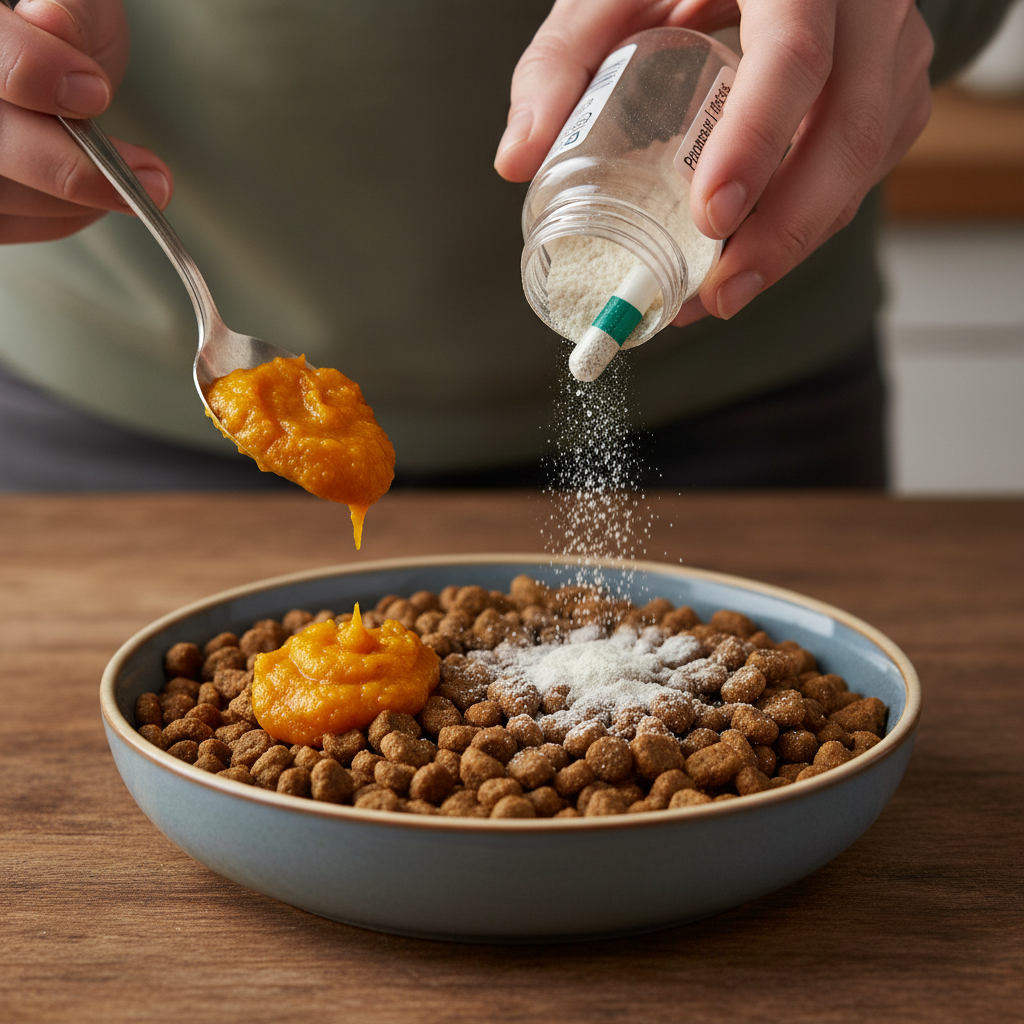
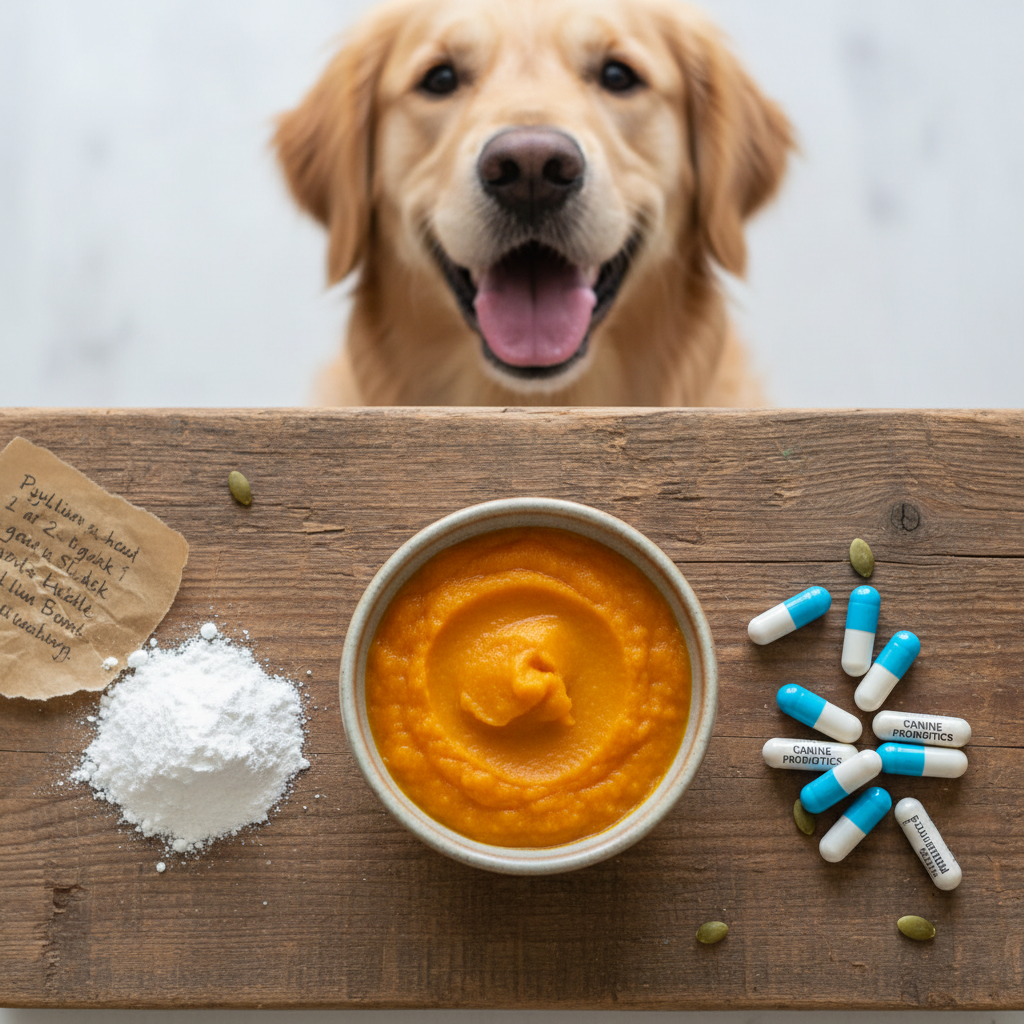
The secret to helping your dog’s anal glands function properly often lies in one simple thing: firmer, bulkier stools. That’s where our three powerhouse ingredients come in. This isn’t a medicine; it’s a dietary supplement that supports your dog’s natural digestive process. The goal is to add soluble and insoluble fiber to their diet to create the perfect poop for natural expression.
1. Pure Pumpkin Puree
This isn’t your pumpkin spice latte filling! We’re talking about 100% pure canned pumpkin (not pie filling, which is loaded with sugar and spices). Pumpkin is a fiber superstar. It absorbs water in the digestive tract, which helps to firm up loose stools and add bulk to smaller ones. It’s gentle on the stomach and most dogs love the taste.
2. Psyllium Husk Powder
Psyllium husk is another fantastic fiber source. It’s a gelling agent, meaning it expands significantly when it comes into contact with liquid. A tiny sprinkle of this powder in your dog’s food can add substantial bulk to their stool, providing the necessary pressure to empty those glands effectively. You can find it in the health food aisle of most grocery stores.
3. Canine-Specific Probiotics
While fiber is the star player, a healthy gut is the foundation of it all. Probiotics introduce beneficial bacteria to your dog’s digestive system, promoting overall gut health, improving nutrient absorption, and ensuring everything runs smoothly. A healthy microbiome leads to more consistent and well-formed stools. Make sure to use a product specifically formulated for dogs.
Putting the Plan into Action: A Simple Guide
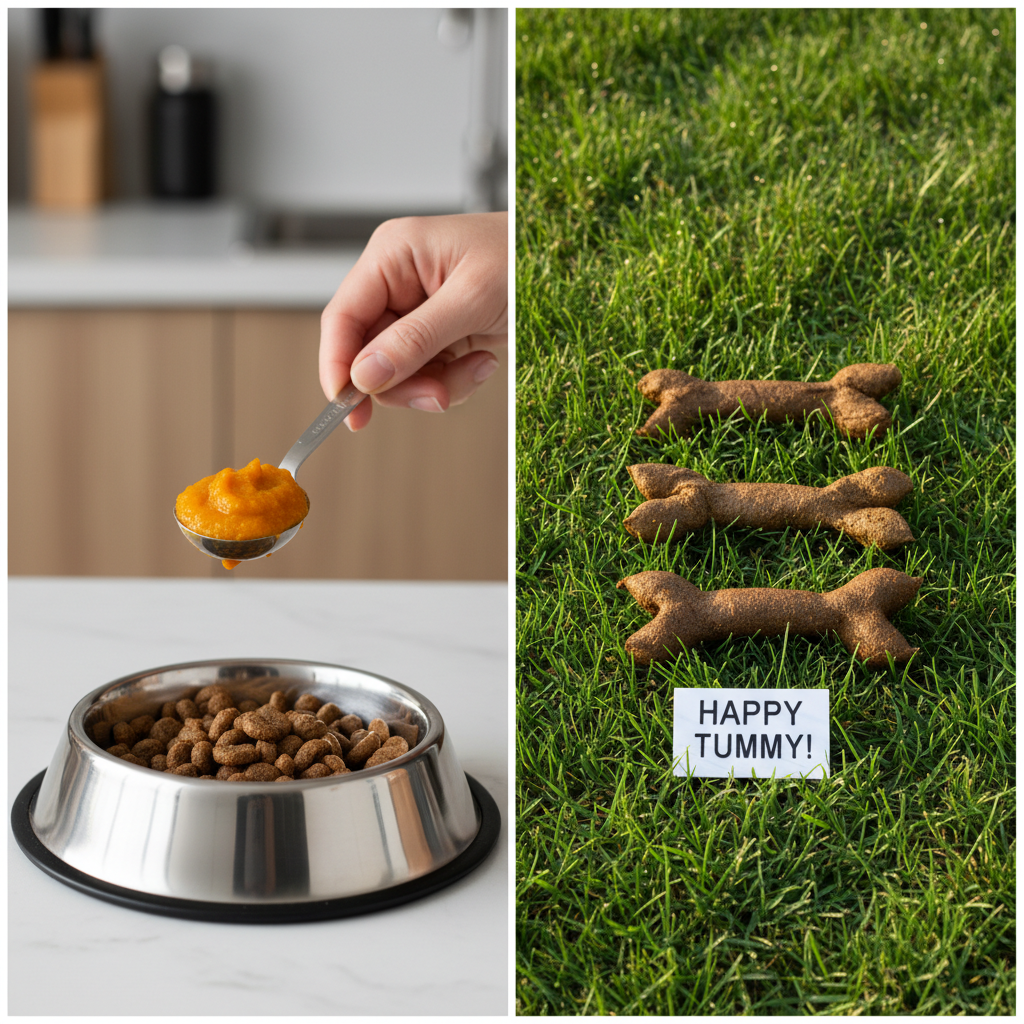
Ready to give it a try? The key is to start low and go slow. You don’t want to upset your dog’s stomach by introducing too much fiber at once. Here’s a general guideline for adding this trio to one of your dog’s daily meals:
- Start Small: Begin with a very small amount for a few days to see how your dog’s system reacts.
- Observe: Pay close attention to their stool quality. You’re looking for stools that are firm, well-formed, and easy to pick up.
- Gradually Increase: If all is well, you can slowly increase the amount until you achieve the desired stool consistency.
Suggested Starting Servings (per day):
Always consult your vet for personalized advice, but here are some common starting points:
| Dog Size | Pumpkin Puree | Psyllium Husk Powder | Probiotics |
|---|---|---|---|
| Small Dogs (under 20 lbs) | 1 teaspoon | 1/8 teaspoon | Follow product label |
| Medium Dogs (20-50 lbs) | 1 tablespoon | 1/4 teaspoon | Follow product label |
| Large Dogs (over 50 lbs) | 2 tablespoons | 1/2 teaspoon | Follow product label |
Mix the ingredients thoroughly into their wet or dry food. Adding a little water can help everything combine nicely. It may take a week or two to see a noticeable reduction in scooting, but consistent, healthy stools are the first sign you’re on the right track.
When to Wave the White Flag and Call Your Vet
This 3-ingredient fix is a fantastic first line of defense for mild, recurring anal gland issues. However, it is not a substitute for veterinary care. It’s crucial to know when a professional needs to step in. Please contact your veterinarian immediately if you notice any of the following:
- Signs of Severe Pain: Your dog yelps when you touch their tail or rear end, or is crying when trying to sit or poop.
- Blood or Pus: Any discharge from the rectal area that isn’t the normal brown, oily fluid is a red flag for infection.
- A Hard Lump or Swelling: If you can see or feel a distinct, hard swelling on one or both sides of the anus, it could be an abscess forming. This is a veterinary emergency.
- No Improvement: If you’ve been trying the dietary fix for a few weeks with no change, or if the symptoms are getting worse, it’s time for a check-up.
Your vet can safely express the glands, check for infection, and rule out any other underlying medical conditions. They are your best partner in keeping your furry friend happy and healthy.
Conclusion
Dealing with your dog’s anal gland problems can be frustrating, but you’re not helpless. More often than not, the solution is simpler than you think and starts right in their food bowl. By harnessing the power of fiber with pumpkin and psyllium husk, and supporting their overall digestion with probiotics, you can empower your dog’s body to function as it was designed to. This 3-ingredient fix is an easy, natural, and effective way to turn ‘scooting’ into a thing of the past.
Remember to be patient, observe your dog closely, and never hesitate to loop in your vet. You’re their biggest advocate, and taking proactive steps for their digestive health is one of the best things you can do for their long-term comfort and happiness.