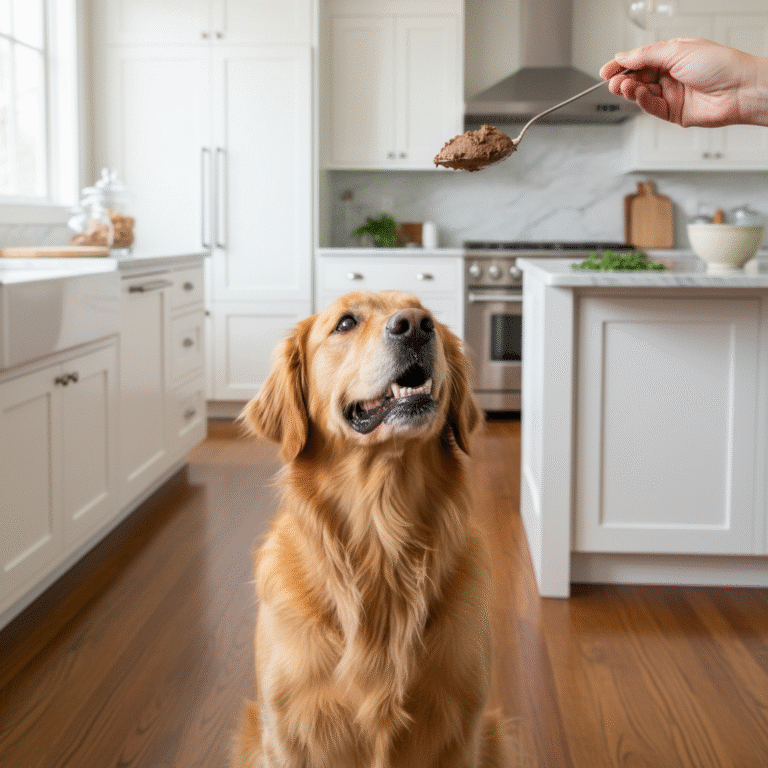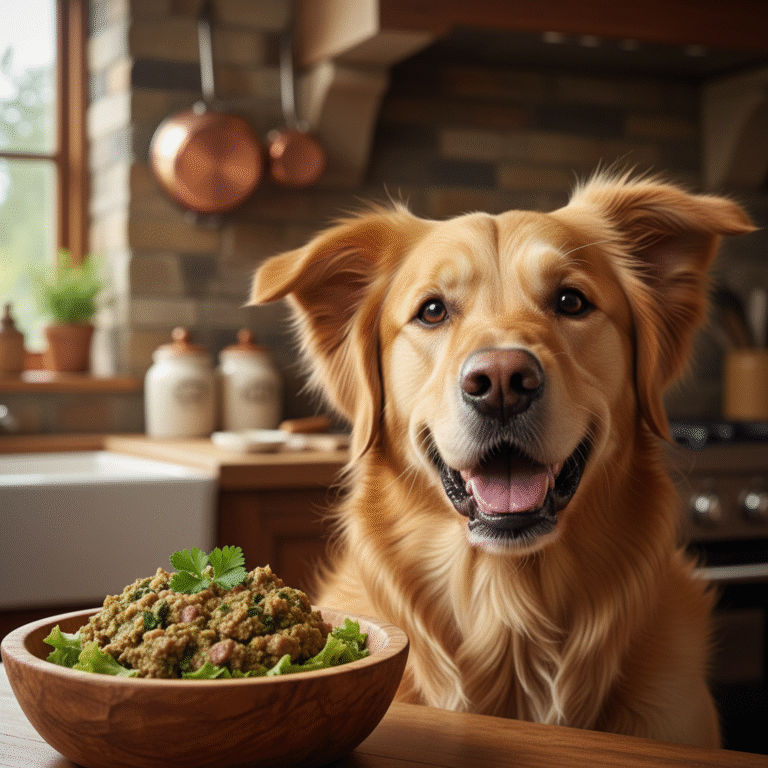

The 2-Ingredient “Budwig” Bowl for Cancer Fighting Immunity
As a devoted pet parent, you’d move mountains for your furry friend’s health and happiness. When you hear about something simple, like a two-ingredient recipe that could potentially boost their immunity, it’s natural to be curious. The ‘Budwig Bowl’ is one of those topics that pops up in online pet communities, often linked to powerful health claims, including fighting cancer.
But what’s the real story behind this simple concoction of cottage cheese and flaxseed oil? Can it truly help your dog? We’re here to dive into the science, separate fact from fiction, and give you the information you need to make the best decisions for your canine companion, always in partnership with your veterinarian.
What Exactly Is the Budwig Bowl?

The Origins and the Idea
The Budwig bowl, or Budwig diet, wasn’t originally created for dogs. It was developed in the 1950s by a German biochemist named Dr. Johanna Budwig for her human patients. The core of the diet is a specific blend of two simple foods: flaxseed oil and cottage cheese (or quark, a similar fresh cheese).
The theory behind it is quite fascinating. Dr. Budwig believed that the sulfur-rich proteins in the cottage cheese would bind with the omega-3 fatty acids in the flaxseed oil. This process, she claimed, would make the healthy fats more water-soluble and therefore more easily absorbed and utilized by the body’s cells. For dogs, the recipe is essentially the same, adapted as a food topper or supplement rather than a complete meal.
The Two Key Players:
- Flaxseed Oil: This oil is a powerhouse of alpha-linolenic acid (ALA), a type of plant-based omega-3 fatty acid. Omega-3s are famous for their anti-inflammatory properties.
- Cottage Cheese: A great source of protein and calcium. Critically, for the Budwig theory, it contains sulfur-containing amino acids like cysteine and methionine.
When you whisk them together, the oil and cheese emulsify into a creamy, consistent mixture where the fats are no longer separated.
The Science: Real Benefits vs. Unproven Claims

This is the most important part of our discussion. It’s easy to get swept up in miraculous claims online, but we need to look at what’s proven and what’s purely theoretical, especially when it comes to a serious disease like cancer.
The Proven Benefits of the Ingredients
Let’s start with what we know for sure. The individual ingredients in the Budwig bowl offer real, scientifically-backed benefits for dogs:
- Anti-Inflammatory Power: The omega-3s in flaxseed oil are fantastic for reducing inflammation. This can help with conditions like arthritis, improve skin and coat health, and support overall joint mobility.
- Cellular Health: Healthy fats are essential components of cell membranes, and omega-3s contribute to healthy cellular function throughout the body.
- Quality Protein: Cottage cheese provides high-quality protein necessary for building and repairing tissues, supporting muscle mass, which is especially important for senior dogs or those undergoing medical treatment.
Addressing the ‘Cancer-Fighting’ Claim
Here is where we must be cautious and clear. While the anti-inflammatory properties of omega-3s are well-documented and inflammation is linked to cancer, there are no large-scale, peer-reviewed scientific studies that prove the Budwig diet can prevent, treat, or cure cancer in dogs.
The Budwig bowl should never be used as a replacement for conventional veterinary cancer treatments like surgery, chemotherapy, or radiation. It is, at best, a complementary nutritional strategy that must be discussed with your veterinarian or a veterinary oncologist.
Thinking of it as a ‘support bowl’ is a much healthier perspective. It can provide quality nutrition and anti-inflammatory benefits that support your dog’s body while it undergoes proven medical treatments.
Potential Risks and Who Should Avoid It

Just because something is ‘natural’ doesn’t mean it’s risk-free. Before you even consider adding this bowl to your dog’s diet, you need to be aware of the potential downsides.
Key Risks to Consider:
- Pancreatitis: The Budwig bowl is very high in fat. For dogs prone to pancreatitis (a painful and serious inflammation of the pancreas), a sudden high-fat meal can trigger a flare-up. Breeds like Miniature Schnauzers, Yorkshire Terriers, and Cocker Spaniels are often more susceptible.
- Gastrointestinal Upset: Many dogs are lactose intolerant to some degree. The dairy in cottage cheese can cause gas, bloating, and diarrhea.
- Weight Gain: This is a calorie-dense food topper. If you’re not careful to account for the extra calories, it can easily lead to unwanted weight gain, which puts stress on your dog’s joints and overall health.
- Dietary Imbalance: This is not a complete and balanced meal. Relying on it too heavily could throw your dog’s carefully balanced diet out of whack, depriving them of other essential vitamins and minerals.
Ultimately, the number one rule is to talk to your vet. They know your dog’s specific health history, current condition, and any medications they’re on. They can help you decide if the potential benefits outweigh the risks for your individual pet.
How to Prepare the Budwig Bowl (Vet-Approved Method)

If you and your veterinarian have decided that the Budwig bowl is a safe and appropriate addition to your dog’s diet, preparing it is simple. The key is quality ingredients and the right ratio.
The Recipe and Instructions
Ingredients:
- Low-Fat, Low-Sodium Cottage Cheese: Choose plain cottage cheese with no added sugars, fruits, or salt. Low-fat is crucial to minimize pancreatitis risk.
- High-Quality, Cold-Pressed Flaxseed Oil: It must be high-quality and stored properly (usually refrigerated) to prevent it from going rancid. Do not use flaxseed meal, as the oil is the key component.
The Steps:
- Start with the Right Ratio: The generally accepted ratio is 2 parts cottage cheese to 1 part flaxseed oil. A good starting point for a medium-sized dog is 2 tablespoons of cottage cheese and 1 tablespoon of flaxseed oil.
- Combine the Ingredients: Place the cottage cheese and flaxseed oil in a small bowl.
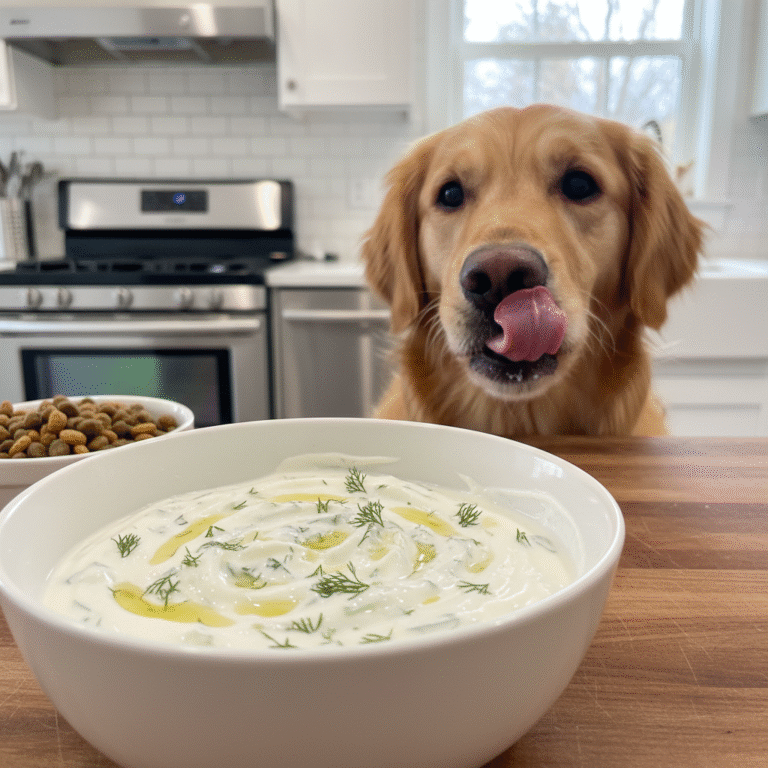
- Blend Thoroughly: Use a fork, a small whisk, or an immersion blender to mix the two ingredients together until they are completely emulsified. You should not see any separated, standing oil. The mixture should look uniform and creamy.
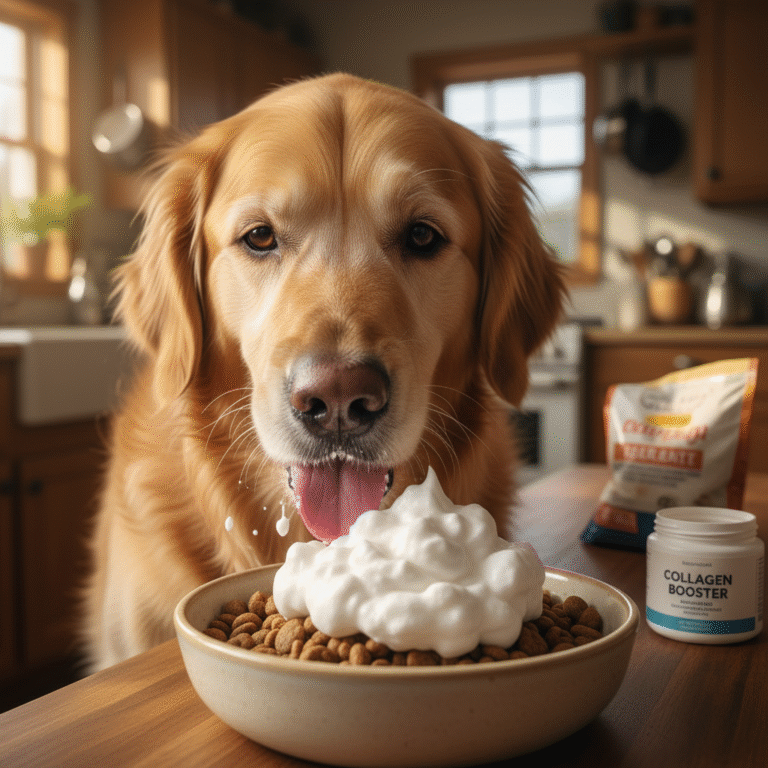
- Serve Immediately: The mixture is best served fresh. You can add it as a topper to your dog’s regular food.
Serving Size and Frequency:
Start small! Begin with just a teaspoon of the mixture to see how your dog’s system handles it. If all goes well, you can slowly increase the amount based on your vet’s recommendation. This should be seen as a supplement, not a main meal.
Conclusion
A Tool for Support, Not a Magic Cure
The Budwig bowl is a perfect example of how much we love our dogs and want to explore every avenue for their health. It’s built on ingredients with real, tangible benefits—the anti-inflammatory properties of omega-3s and the value of good protein are undeniable. However, it’s crucial to ground our hopes in reality. It is not a proven cancer cure.
Think of it as one potential tool in your supportive care toolkit. When used correctly, under the guidance of a professional, it can be a way to add quality nutrition to your dog’s diet. Your veterinarian is your most important partner on your dog’s health journey. Always approach new diets, supplements, and wellness trends as a team. By working together, you can ensure your beloved companion gets the best, safest, and most effective care possible.