
The $1 Teething Hack: Frozen Cucumber Rings for Sore Gums
Welcome to puppy parenthood! It’s a world filled with fluffy cuddles, wet-nosed boops, and… tiny, needle-sharp teeth that seem to find their way onto everything you own. If your adorable new family member has suddenly transformed into a chewing machine, congratulations, you’ve entered the teething phase. Those sore gums are causing your pup discomfort, and they’re just looking for relief. Before you spend a fortune on fancy chew toys that get ignored, what if I told you there’s a soothing, hydrating, and incredibly cheap solution probably sitting in your refrigerator right now? Meet the frozen cucumber ring: a simple, one-dollar hack that can bring sweet relief to your teething pup and a little peace and quiet back to your home. Let’s dive into how to turn this humble vegetable into your puppy’s new best friend.
Why Cucumbers? The Cool Benefits for Your Teething Pup
You might think of cucumbers as just a crunchy addition to your salad, but for a teething puppy, they’re a powerhouse of relief. So, what makes them so special? It’s a combination of their natural properties that are perfectly suited for tender puppy mouths.
Hydration Station
Cucumbers are made up of about 96% water. This makes them an incredibly hydrating snack, which is especially great for active puppies who sometimes forget to drink enough. Offering a frozen cucumber ring is a sneaky and fun way to get a little extra water into their system, supporting their overall health while they chew.
Gentle and Soothing
The magic really happens when you freeze them. The cold temperature has a numbing effect, providing immediate relief to inflamed, sore gums. Unlike hard plastic toys or dense chews, a frozen cucumber has a satisfyingly firm texture that is still gentle enough for a puppy’s developing teeth. It provides that much-needed pressure without being too aggressive.
Low-Calorie and Nutrient-Rich
We all worry about our pups packing on extra pounds, especially with training treats. Cucumbers are wonderfully low in calories, so you don’t have to stress about over-treating. Plus, they contain beneficial nutrients like Vitamin K, which is important for bone health, and antioxidants. It’s a guilt-free treat you can feel good about giving.
Expert Tip: The cooling effect is the primary benefit here. The gentle crunch helps satisfy the chewing instinct, redirecting your puppy from your furniture to a safe, edible alternative.
The Super Simple, Step-by-Step Preparation Guide
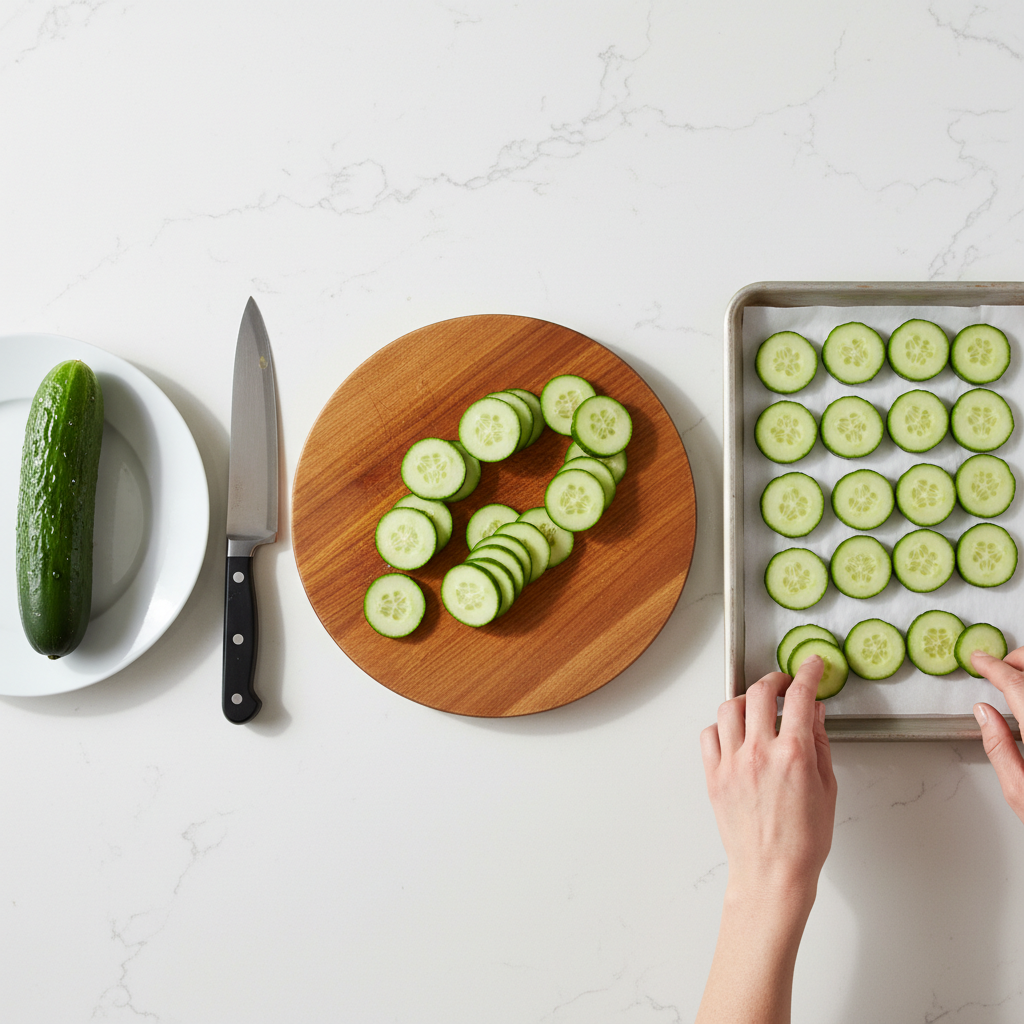
Ready to create this soothing snack? The best part about this hack is its simplicity. You don’t need to be a chef to whip these up. Here’s how to do it safely in just a few minutes.
- Select and Wash Your Cucumber: Start with a fresh, firm cucumber. If possible, opt for an organic one to minimize pesticide exposure. Regardless, give it a thorough wash under cool running water to remove any dirt or residue from the skin.
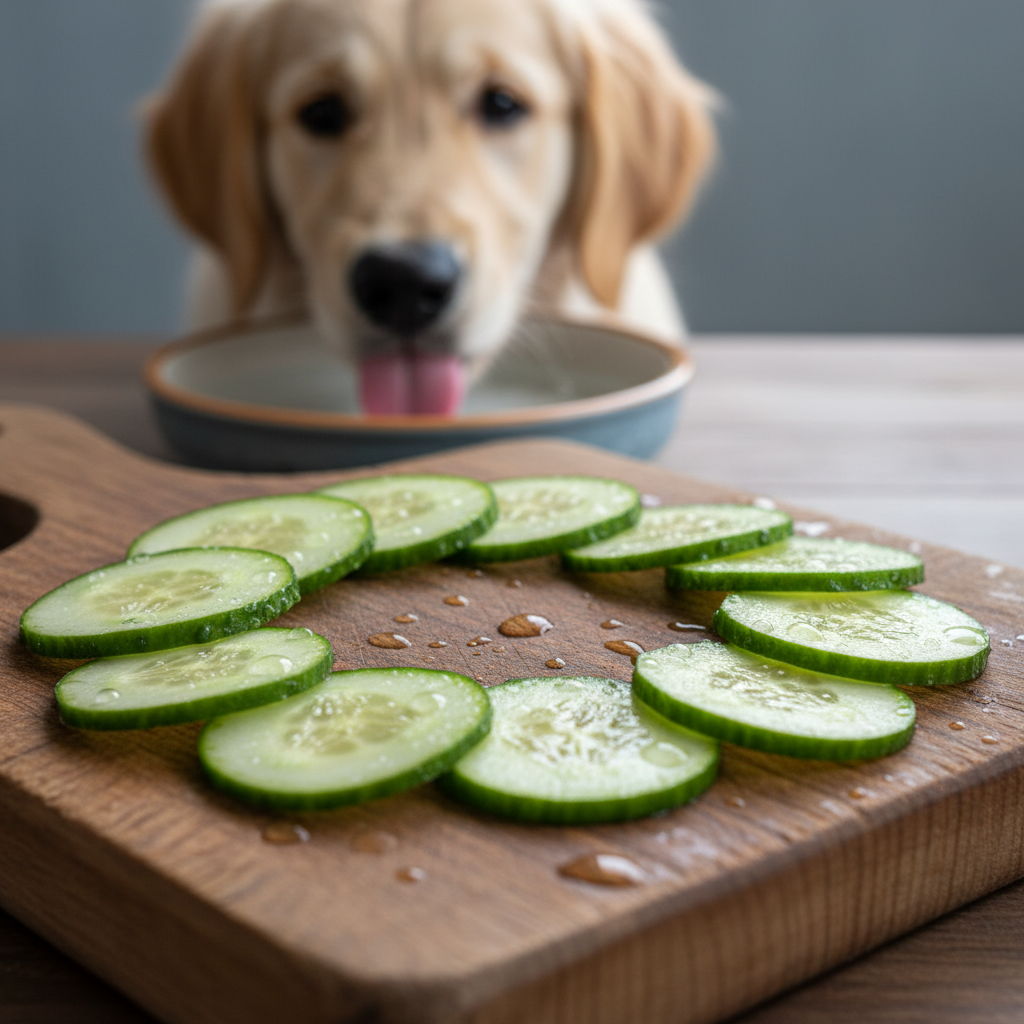
- Slice into Rings: Place the cucumber on a cutting board and slice it into thick rings, about half-an-inch to one-inch thick. Avoid thin slices, as they can break apart and become a choking hazard more easily. The chunkier size encourages gnawing rather than swallowing whole.
- Consider Coring the Center: For smaller breeds or extra-enthusiastic chewers, you may want to use a small cookie cutter or an apple corer to remove the seedy center. This creates a donut shape that can be easier for some puppies to hold and chew, and it further reduces any risk of a piece getting lodged in their throat.
- Freeze for Perfection: Arrange the cucumber rings in a single layer on a baking sheet or plate. Popping them in the freezer like this prevents them from clumping together. Let them freeze for at least 2-3 hours, or until they are completely solid.
- Store for Easy Access: Once frozen, you can transfer the rings into a freezer-safe bag or container. This way, you’ll have a ready supply of teething soothers to grab whenever your puppy gets fussy.
Safety First: Portion Control and Supervision

While cucumbers are a healthy treat, there are a few important safety rules to follow. Like any new food or toy, moderation and supervision are key to keeping your puppy safe and happy.
The Choking Hazard Chat
The single most important rule is to always supervise your puppy while they are enjoying their frozen treat. Choose a ring size that is appropriate for your dog’s breed—larger rings for larger dogs. If the cucumber starts to thaw and get mushy, or if your pup breaks off a large piece, it’s best to take it away to prevent them from swallowing it whole.
Tummy Troubles
Cucumbers are high in fiber and water, which is great, but too much of a good thing can sometimes lead to an upset stomach, gas, or loose stools. When you first introduce cucumber, start with just one ring and see how your puppy’s digestive system reacts over the next 24 hours. If all is well, you can offer them as an occasional treat.
The 10% Rule
Remember the golden rule of dog treats: they should make up no more than 10% of your dog’s total daily caloric intake. Cucumber rings are very low in calories, but this is still a good guideline to keep in mind to ensure their diet remains balanced and they’re getting all the necessary nutrients from their regular puppy food.
Not a Cucumber Fan? Other Cool Teething Alternatives
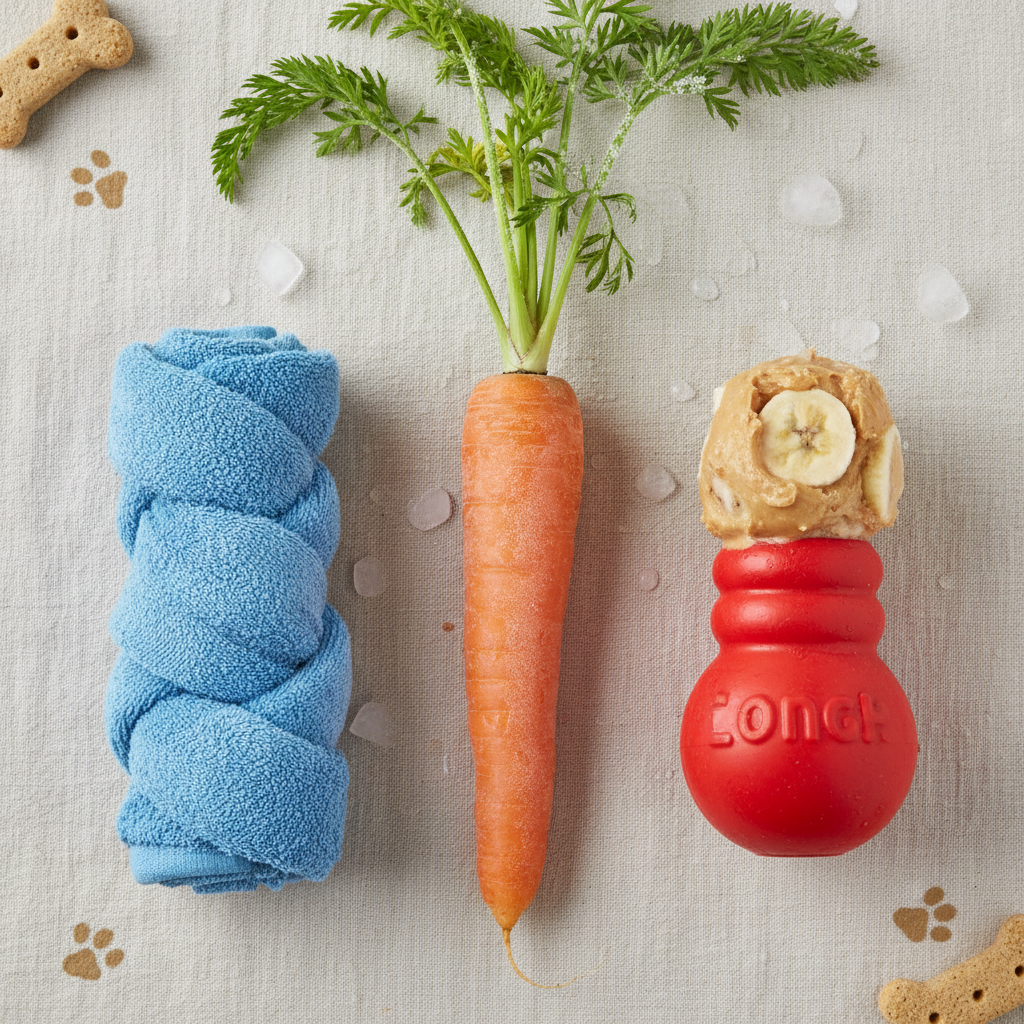
What if you go through all that effort and your puppy just turns their nose up at the cucumber? Don’t worry! Every dog has their own preferences. Luckily, there are plenty of other safe and effective teething hacks you can try.
- Frozen Carrots: A large, whole frozen carrot makes an excellent chew. It’s tough, sweet, and great for teeth. Just be sure to use a full-sized carrot, not baby carrots, to prevent choking.
- Frozen Washcloth: This is a classic for a reason. Soak a clean washcloth in water (or even better, low-sodium chicken or beef broth for extra enticement), wring it out, twist it into a rope shape, and freeze. The texture is great for cleaning teeth and massaging gums.
- Ice Cubes (with caution): While many dogs love crunching on ice, some veterinarians worry that it can be too hard and potentially fracture delicate puppy teeth. A safer alternative is to make ice cubes out of broth or blend some fruit (like blueberries) with water before freezing.
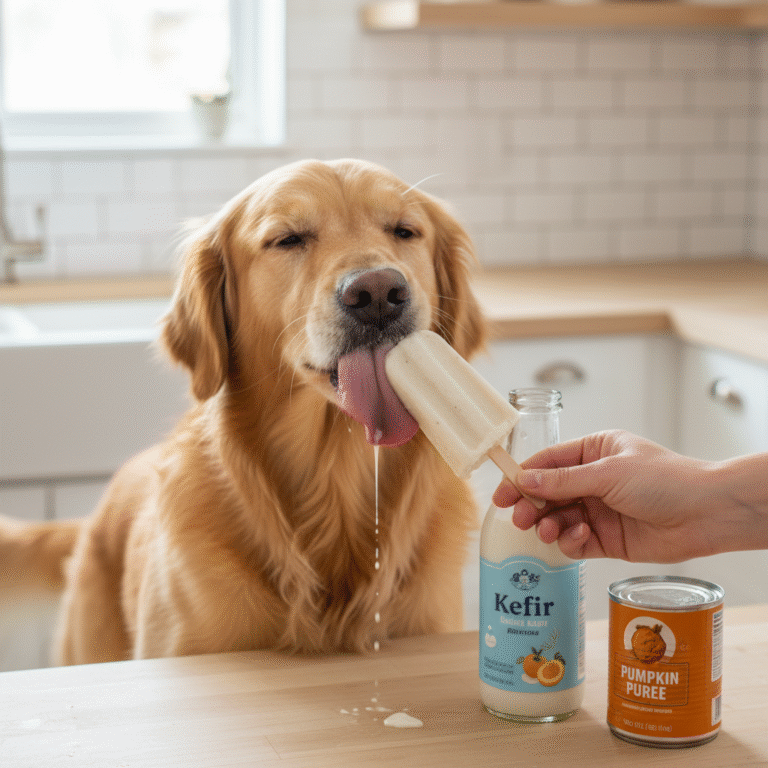
- Dedicated Chew Toys: You can’t go wrong with toys designed specifically for teething. Brands like Kong make durable rubber toys that you can stuff with dog-safe peanut butter, plain yogurt, or pumpkin puree and then freeze. This provides a long-lasting, mentally stimulating challenge for your pup.
Conclusion
Navigating the puppy teething phase can feel like a marathon of managing a tiny, adorable piranha. But with simple, safe, and cost-effective solutions like frozen cucumber rings, you can provide real comfort for your pup’s sore gums without breaking the bank. Remember to always introduce new foods slowly, keep an eye on your pup while they chew, and have fun with it! This intense chewing phase is temporary, and by redirecting them to appropriate outlets, you’re not only soothing their pain but also teaching them good habits for life. So go ahead, give this cool hack a try—your puppy (and your shoes) will thank you for it!