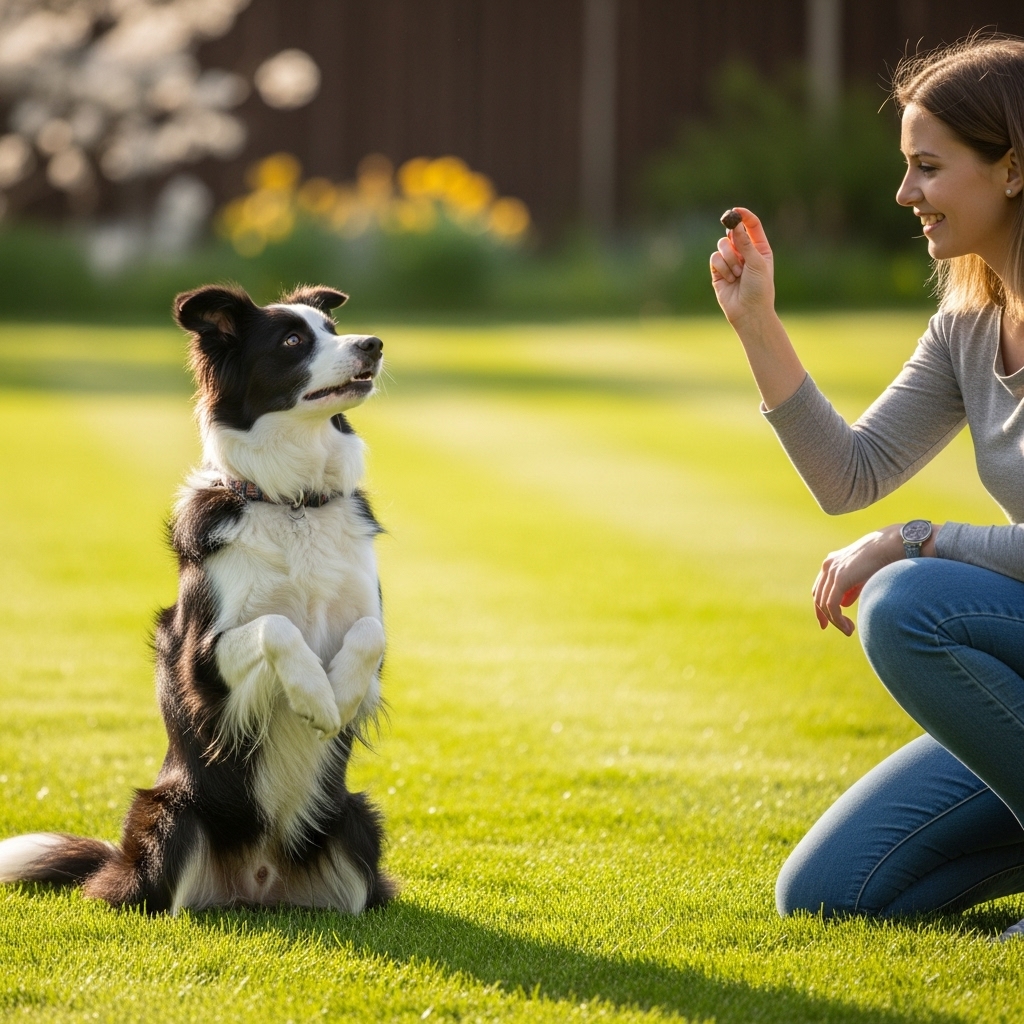
Teach Your Dog to Walk on Hind Legs: The 5-Minute Circus Trick Tutorial
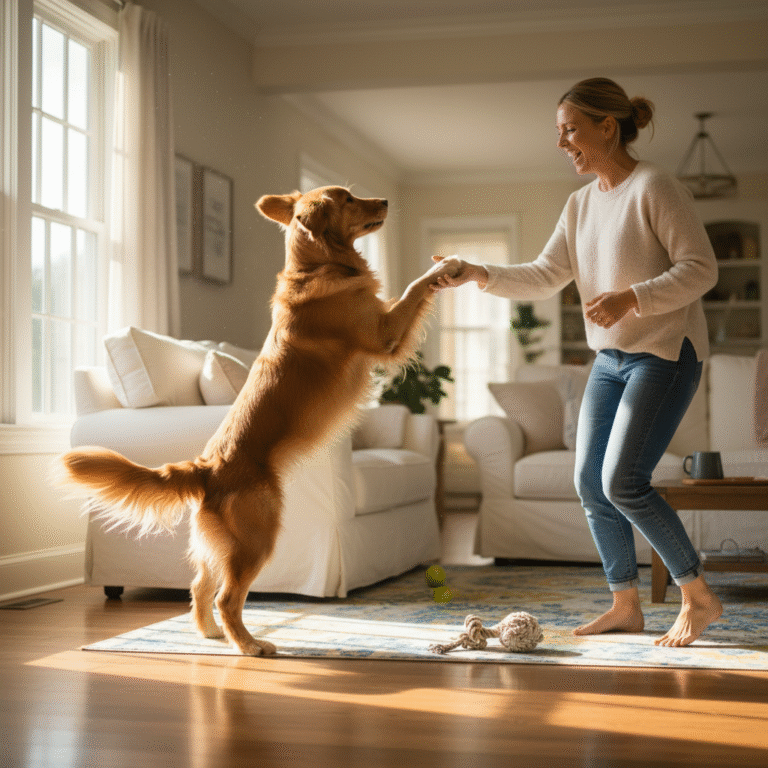
Have you ever watched a movie or a circus act and marveled at a dog confidently walking on its hind legs? It’s a classic trick that never fails to impress and bring a smile to everyone’s face. You might think it’s a complicated feat reserved for professional animal trainers, but what if I told you that you could teach your own furry friend this amazing trick in short, fun sessions? Welcome to the 5-Minute Circus Trick Tutorial!
This guide is all about breaking down the ‘doggy dance’ into simple, positive steps. We’ll focus on making it a fun game for both you and your pup. Before we jump in, it’s important to remember that the ‘5-minute’ part refers to the length of each training session. Mastering this trick takes patience and consistency, but keeping sessions short and sweet is the secret to keeping your dog engaged and excited to learn. Let’s get this show on the road!
Safety First: Is This Trick Right for Your Dog?
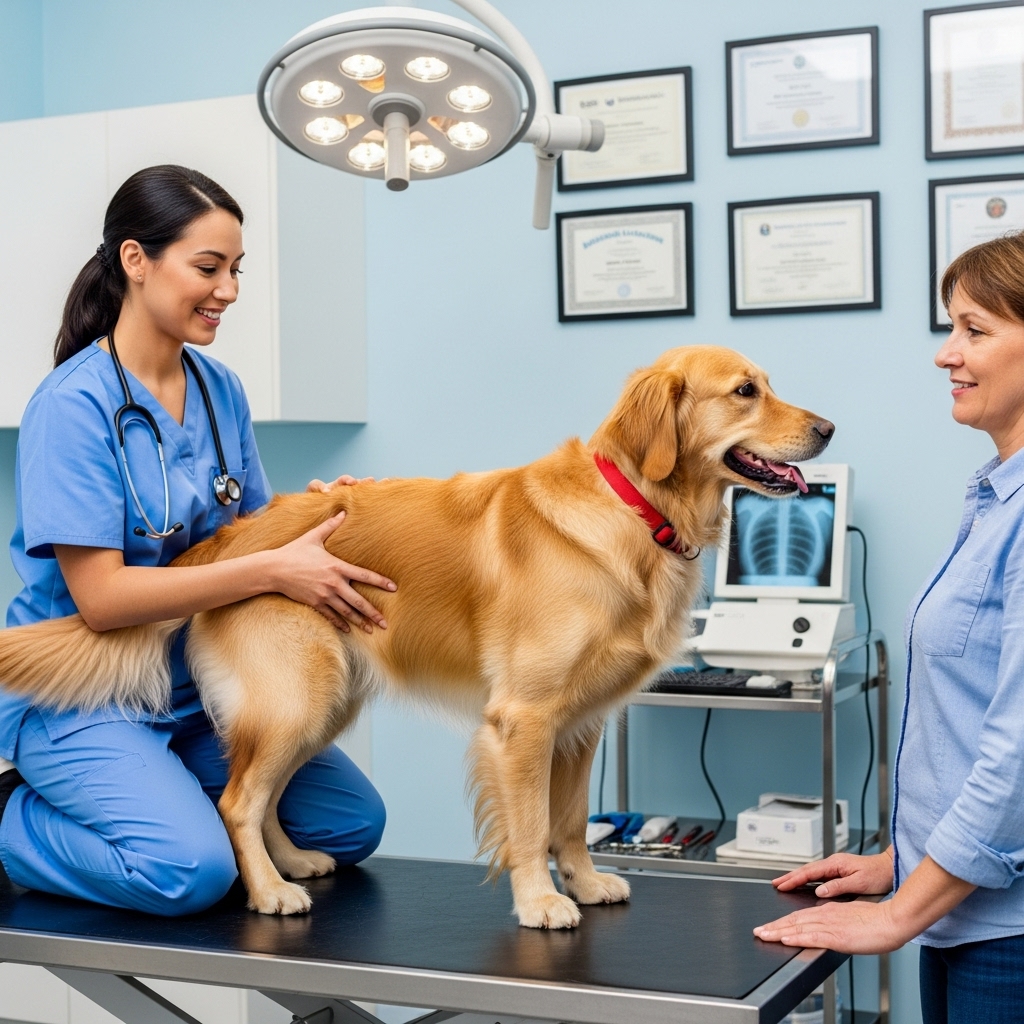
Before you dream of your dog’s two-legged debut, we need to have a quick safety chat. While this trick is adorable, it’s not suitable for every dog. It puts extra strain on their spine and hips, so it’s crucial to assess if your dog is a good candidate.
Who should sit this one out?
- Breeds with long spines: Dogs like Dachshunds, Basset Hounds, and Corgis are prone to back problems (like IVDD), and this trick can be risky for them.
- Large or giant breeds: The extra weight on their joints can be problematic. Think Great Danes, Mastiffs, etc.
- Dogs with pre-existing conditions: If your dog has a history of hip dysplasia, arthritis, back pain, or any joint issues, this trick is a definite no-go.
- Puppies and senior dogs: Puppies’ growth plates are still developing, and seniors may have undiagnosed joint pain. It’s best to avoid this trick with them.
Our golden rule: When in doubt, always check with your veterinarian. A quick chat with your vet can confirm if your dog is physically sound enough to safely learn to walk on their hind legs. Once you get the green light, you’ll also need a couple of things to set you up for success: a non-slip surface like a rug or yoga mat to prevent slips, and a pocketful of your dog’s absolute favorite, high-value treats (think tiny pieces of chicken, cheese, or freeze-dried liver!).
Step-by-Step: From ‘Sit Pretty’ to a Two-Legged Trot
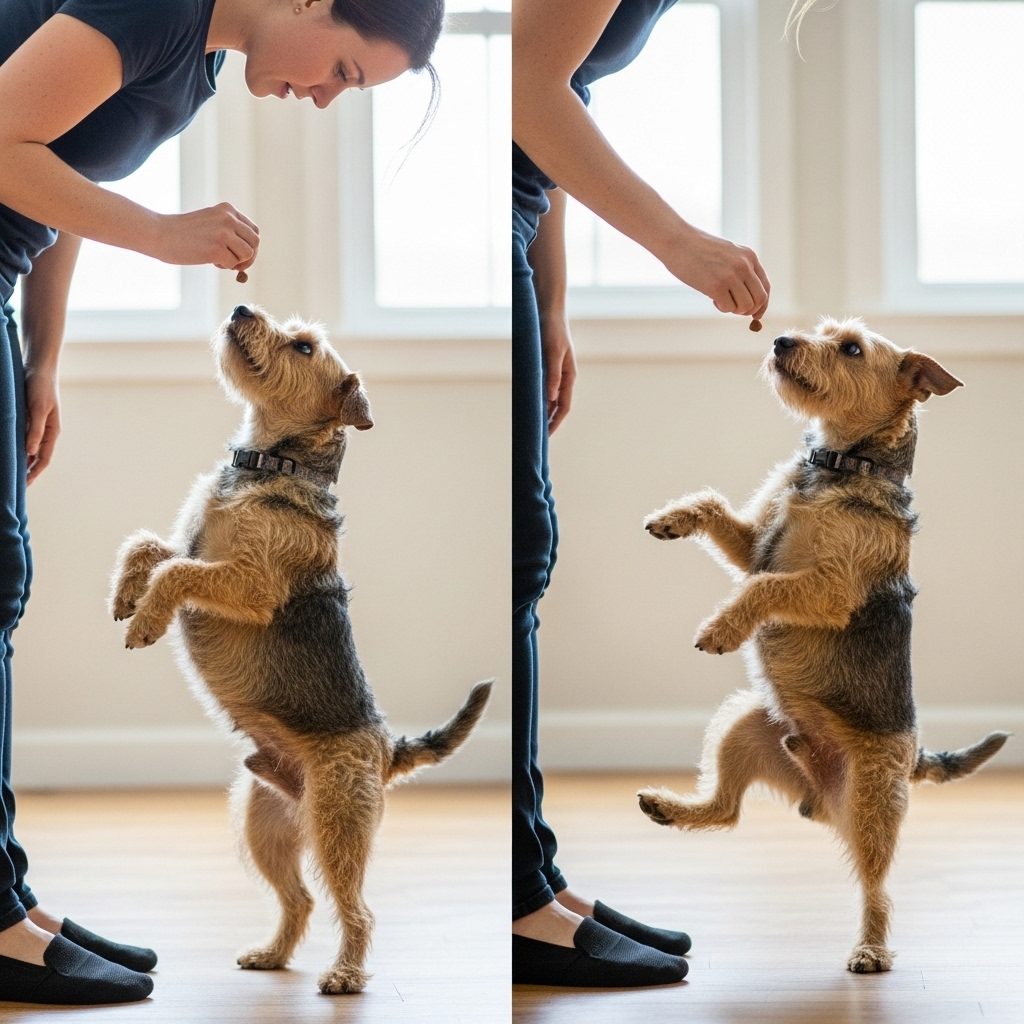
Alright, you’ve got the vet’s approval and your treats are ready. It’s time for the fun part! We’ll build this trick on a foundational skill: the ‘Sit Pretty’ or ‘Beg’. If your dog doesn’t know this yet, master it first. Remember to keep your energy positive and your sessions short and exciting!
- Step 1: Master the ‘Sit Pretty’. Ask your dog to sit. Hold a treat near their nose and slowly lift it upwards and slightly back over their head. As their nose goes up, their bottom should stay on the floor, and their front paws will lift off the ground. The moment they are in that ‘beg’ position, say ‘Yes!’ (or click your clicker) and give them the treat. Practice until they can hold this position for a few seconds.
- Step 2: Lure Them Up. From a solid ‘Sit Pretty’, use the treat to lure them just a little bit higher, so their back legs start to take their full weight. They might be wobbly, and that’s okay! Mark and reward even the slightest upward effort.
- Step 3: Encourage the First Step. Now, instead of just luring them up, lure them up and slightly forward. This will encourage them to take a tiny hop or step with their back legs to follow the treat. The instant a back paw moves forward, have a mini-party! Lots of praise and a jackpot of treats. This is the breakthrough moment!
- Step 4: Build More Steps. Once they reliably take one step, try to lure them into taking two. Then three. This takes time and balance. Don’t rush it. Your goal is to build their confidence and core strength gradually.
- Step 5: Add a Verbal Cue. When you can predict they are about to perform the move, start adding a verbal cue like ‘Dance!’ or ‘Up!’ right before you lure them. Over time, they will associate the word with the action.
- Step 6: Fade the Lure. The final step is to fade the food lure. Start by using an empty hand with the same motion, then rewarding from your other hand. Eventually, your hand signal will be enough to cue the trick.
Expert Tip: Keep training sessions to just a few minutes, once or twice a day. Ending on a successful repetition will keep your dog eager for the next session. If they get frustrated, end with an easy trick they know, like ‘sit’ or ‘shake’, and try again later.
Troubleshooting: When Your Pup Won’t Dance
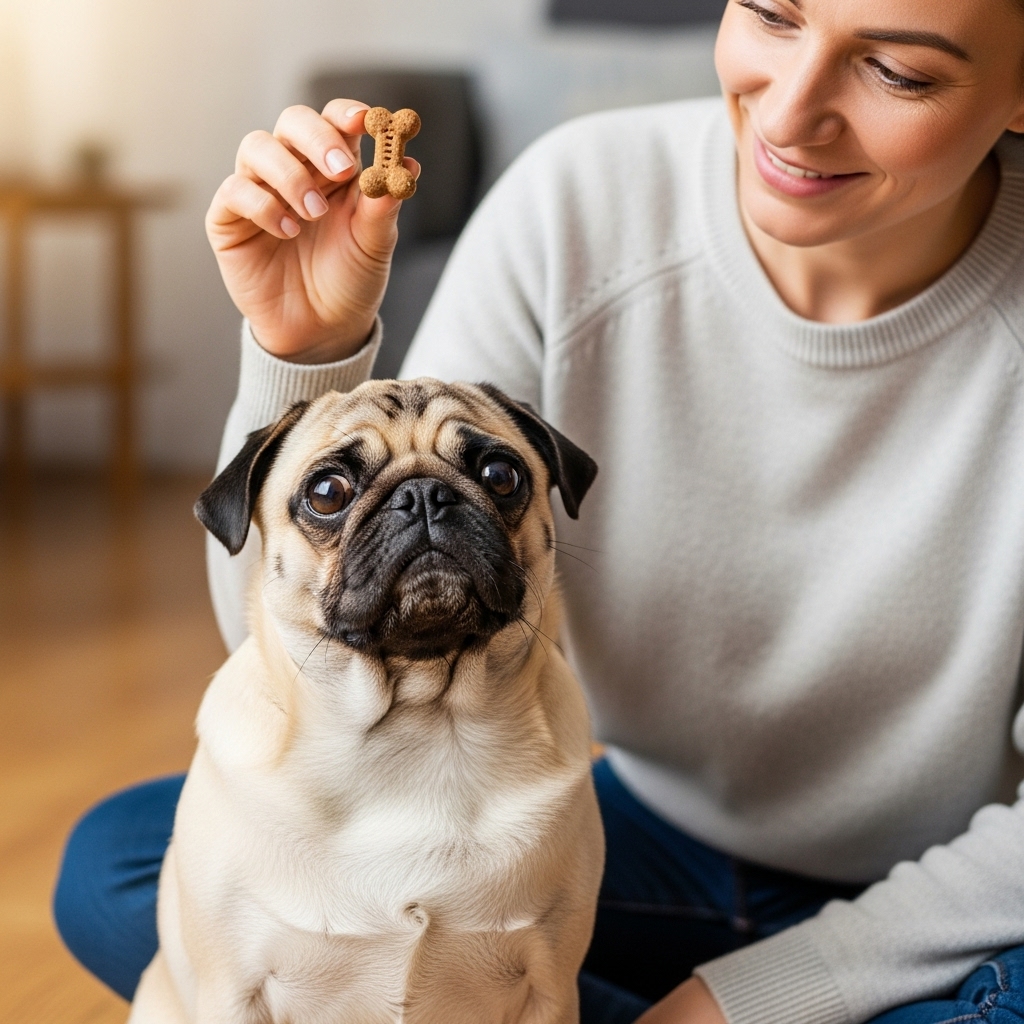
Sometimes, you hit a snag in the training process. Don’t worry, it’s completely normal! Every dog learns at a different pace. Here are some common issues and how to work through them.
- My dog keeps falling over or sitting back down.
This usually means they lack the core strength or balance yet. Go back a step! Spend more time reinforcing a rock-solid ‘Sit Pretty’. You can also try holding your hand under their front paws for a bit of support as they build confidence. - They aren’t interested in the treats.
You may need to up the ante! If kibble isn’t working, try something more exciting like small bits of hot dog or cheese. Also, make sure you’re training when they are a little hungry, not right after a big meal. - My dog seems scared or uncomfortable.
Stop immediately. Training should always be a positive experience. If your dog is showing signs of stress (tucked tail, flattened ears, avoiding the training), this trick may not be for them, and that is perfectly okay. Their comfort and well-being are always the top priority. There are hundreds of other fun, ground-based tricks you can teach instead! - They just won’t take that first step forward.
Patience is key. You might be luring them too high, too fast. Make the movement smaller and slower. Reward any tiny weight shift or forward lean. Sometimes breaking it down into even smaller micro-steps is all it takes for the lightbulb to go on.
Conclusion
Congratulations, you’re now equipped with the knowledge to teach one of the most charming dog tricks around! Remember, the goal isn’t to create a perfect circus performer overnight; it’s about spending quality, fun time with your best friend. The real magic is in the laughter, the happy tail wags, and the incredible bond you build during these short, playful training sessions.
Always put your dog’s safety and happiness first. Celebrate the small victories, be patient with the process, and most importantly, have fun. Whether your dog masters a full two-legged trot or just perfects their ‘Sit Pretty’, the time you’ve spent together is the ultimate reward.