Teach Your Dog to Smile in 5 Easy Steps (Viral Trick Tutorial)
Have you seen those adorable videos of dogs ‘smiling’ on command? It’s a trick that’s both hilarious and heartwarming, and it’s guaranteed to get a reaction from friends and family. You might think it requires some kind of dog-whispering magic, but here’s a secret: it’s one of the easier tricks to teach! The dog ‘smile’ is often a natural submissive gesture that many dogs already do. We’re just going to capture it, put it on cue, and turn it into your pup’s new party piece. This guide uses only positive reinforcement, making it a fun bonding experience for you both. So grab some treats, find a comfy spot, and let’s teach your dog to flash a winning grin!
Before You Begin: Gathering Your Tools & Setting the Mood
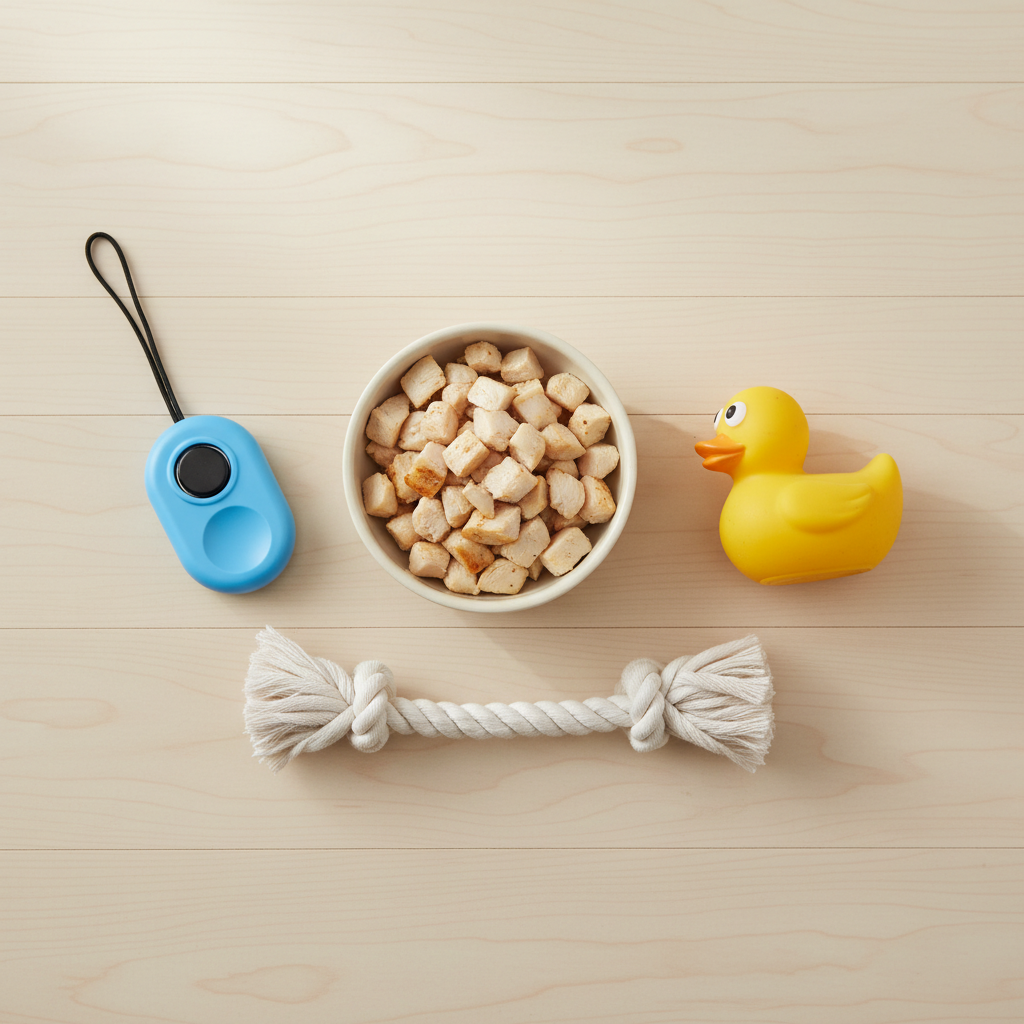
Success in dog training is all about preparation. Before you start, let’s make sure you have everything you need to create a positive and effective learning environment. You don’t need a lot of fancy equipment, just a few key items and the right mindset.
What You’ll Need:
- High-Value Treats: Forget the boring kibble for this one. You need something your dog truly loves and will work for. Think tiny pieces of cooked chicken, cheese, hot dogs, or their favorite soft commercial treats. The treats should be small so you can give many rewards without filling your dog up too quickly.
- A Quiet Space: Choose a location with minimal distractions. Your living room or a quiet backyard is perfect. Avoid areas where other people or pets are coming and going, as this can break your dog’s focus.
- A Clicker (Optional but Recommended): A clicker is a fantastic tool for marking the exact moment your dog does the right thing. If you don’t have one, a consistent verbal marker like a sharp “Yes!” works just as well. The key is to be quick and consistent.
- A Positive Attitude: This is the most important tool of all! Dogs are incredibly attuned to our emotions. Keep the training sessions short (5-10 minutes at most), upbeat, and fun. If you or your dog starts to get frustrated, end the session on a positive note with an easy trick they already know and try again later.
The 5 Steps to a Winning Smile
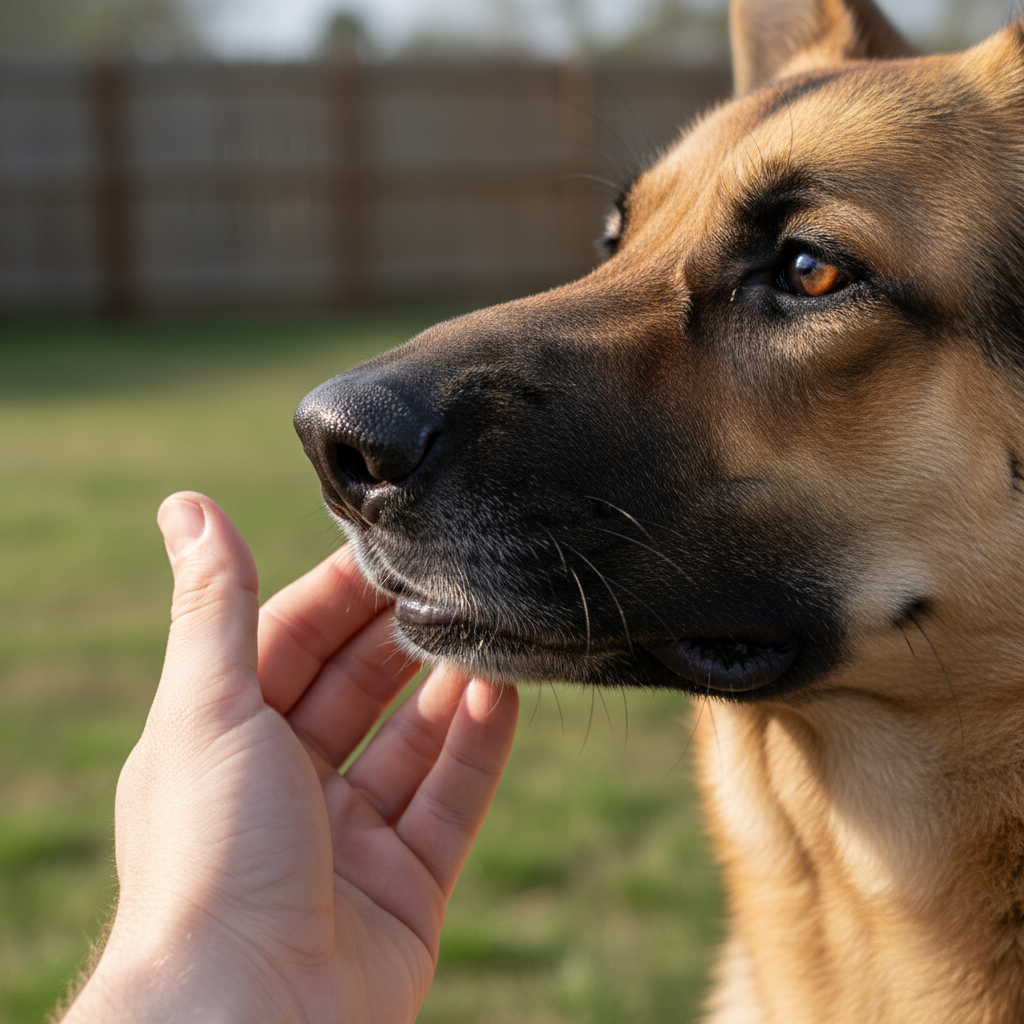
Alright, let’s get to the fun part! This method is all about capturing a natural behavior and rewarding it until your dog offers it on command. Be patient, stay positive, and celebrate the small wins. Here’s how to do it, step by step:
- Step 1: Find the Trigger & Capture the Behavior: The first step is to figure out what makes your dog naturally curl their lip. For many dogs, this ‘submissive grin’ happens when they are excited or appeasing. Try gently scratching the sides of their muzzle or their whiskers. Some dogs will do it when you greet them with a high-pitched, excited voice. Experiment to see what causes even a tiny lip twitch or curl. The moment you see it, move to the next step!
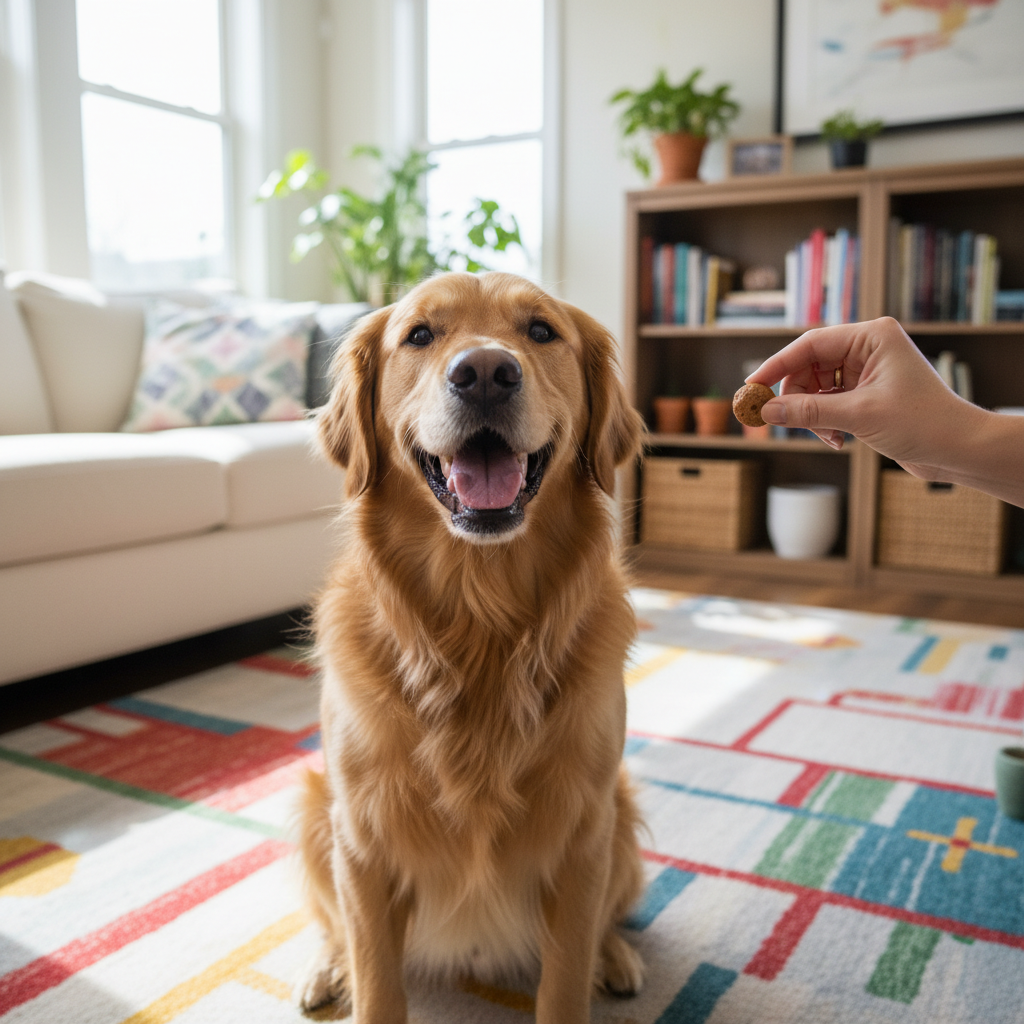
- Step 2: Mark and Reward: Timing is everything! The *instant* you see that lip curl, mark the behavior with your clicker or a loud “Yes!” and immediately give your dog a delicious treat. The mark tells your dog, “THAT! That exact thing you just did is what earned you the reward.” You are ‘capturing’ the smile.
- Step 3: Repeat, Repeat, Repeat: This is where the magic happens. Continue to trigger, mark, and reward the lip curl in short, fun sessions. Your dog will quickly realize, “Hey, when I do this funny thing with my mouth, I get a treat!” They will start to offer the behavior more intentionally, without you needing to scratch their face every time. That’s your goal!
- Step 4: Introduce a Verbal Cue: Once your dog is offering the lip curl reliably, it’s time to name it. Just as your dog is about to perform the behavior, say your chosen cue clearly. Good cues are short and distinct, like “Smile!” or “Say Cheese!”. Say the cue, then wait for them to do it, then mark and reward. The sequence is: Cue -> Behavior -> Mark -> Reward.
- Step 5: Fade the Lure & Go Solo: Now, you’ll gradually phase out the physical prompt (like scratching their whiskers). Start saying your cue, “Smile!”, and wait a second for your dog to offer the behavior on their own. If they do, throw a jackpot of treats and give lots of praise! If they don’t, you can give them a little scratch to help, but try to rely on the verbal cue more and more. With practice, they’ll be smiling on command alone!
Important: Is It a Smile or a Snarl?
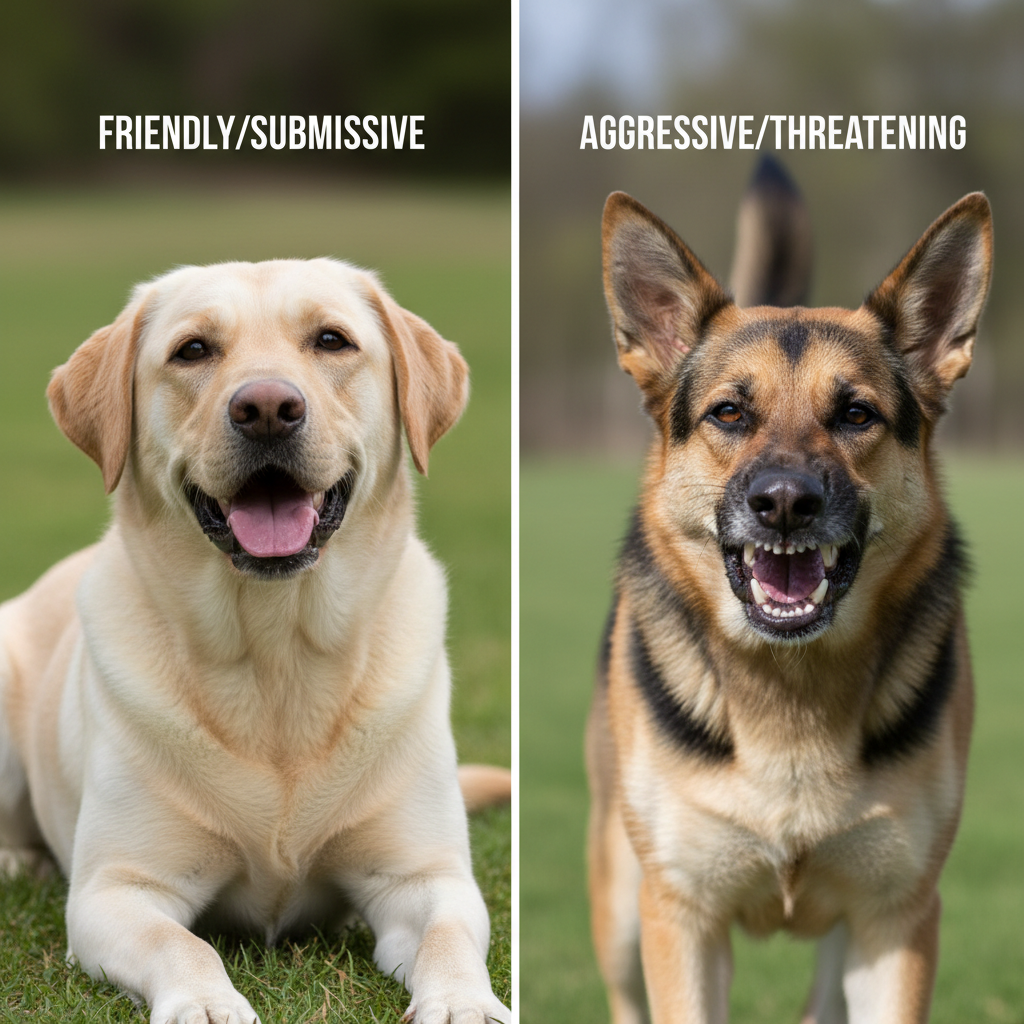
This is a critically important distinction for every dog owner to understand. While you are teaching a fun trick, you must be able to recognize the difference between the happy, submissive grin you want and an aggressive, warning snarl. Forcing a dog that is uncomfortable can be dangerous.
Reading the Whole Dog:
Never look at just the teeth. A dog’s entire body tells the story. Here’s what to look for:
- The Submissive ‘Smile’: The body will be loose and wiggly. The eyes will be soft, ears might be back, and the tail will likely be wagging in a low, sweeping motion. It’s an appeasement gesture that says, “I’m friendly!”
- The Aggressive Snarl: The body will be stiff and tense. The dog might be frozen in place. The eyes will be hard and staring directly. You’ll often see a wrinkled nose, and the snarl is usually accompanied by a low growl. This is a clear warning that says, “Back off.”
Expert Tip: If you ever see signs of a snarl—stiffness, growling, a hard stare—stop immediately. Do not punish the dog. This is important communication. Give your dog space and consult a professional trainer to understand what is making them uncomfortable.
Troubleshooting & Taking It to the Next Level
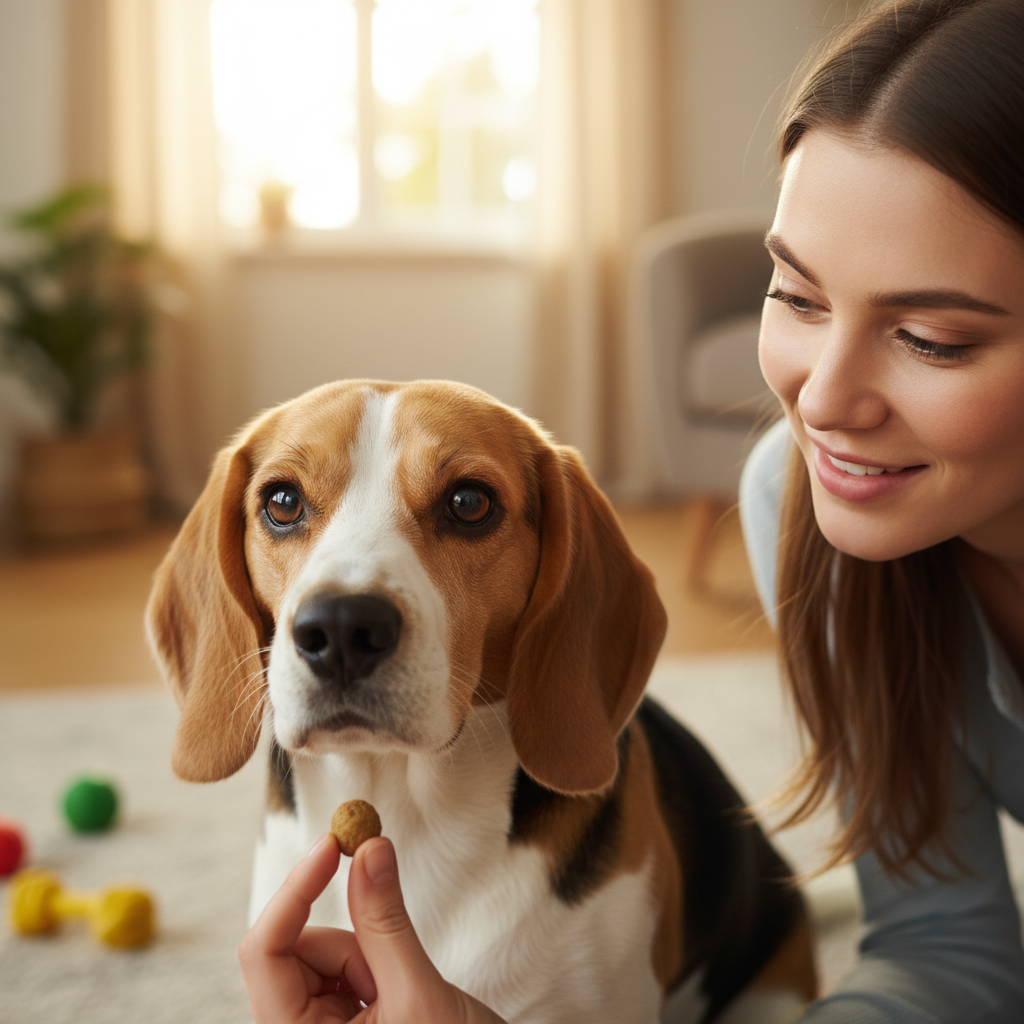
Sometimes, training doesn’t go exactly as planned. Don’t worry, it happens to everyone! Here are some common roadblocks and how to navigate them, plus how to make your dog’s new trick even more impressive.
Common Problems:
- My dog just won’t curl their lip. Some dogs aren’t natural ‘smilers’. That’s okay! You can try ‘shaping’ the behavior. Start by rewarding any small movement of the lips or nose, like a twitch or a sniff. Gradually, only reward bigger and bigger lip movements until you get something that looks like a smile.
- My dog gets frustrated and walks away. This is a sure sign your training sessions are too long or not rewarding enough. Keep sessions under five minutes, end on a high note, and make sure you’re using treats they absolutely can’t resist.
- They just lick my hand instead. This is common! Simply ignore the licking. Don’t mark or reward it. Wait for that tiny lip curl, and the second it happens, mark and reward. They’ll learn that the curl, not the lick, is what gets the goodies.
Perfecting the Performance:
Once your dog has mastered the basic smile, you can ‘proof’ the behavior. Start asking for the ‘Smile!’ command in different locations, like in the backyard or on a walk. Slowly add minor distractions. This helps your dog generalize the command, so they can do it anywhere, anytime, making them the true star of the show!
Conclusion
Congratulations! You now have all the steps to teach your dog one of the most charming tricks around. Remember that the journey is just as important as the destination. Every training session is an opportunity to strengthen your bond, build your dog’s confidence, and have a great time together. Be patient, stay positive, and celebrate every little bit of progress. Before you know it, your dog will be flashing their famous smile for the camera and for anyone who asks. Now go on, get training, and don’t forget to share those adorable smiling photos and videos!