Teach Your Dog to Catch: Stop the Ball from Hitting Their Face
Is there anything better than the pure joy of a game of fetch with your dog? The happy barks, the wagging tail, the enthusiastic sprints… it’s the best. But sometimes, the game hits a snag—literally. If your version of catch often ends with the ball bouncing harmlessly (or not-so-harmlessly) off your dog’s face, don’t worry! Catching isn’t always an innate skill; for many dogs, it’s a learned behavior that requires a bit of confidence and practice.
Getting hit in the snoot by a fast-moving object isn’t fun for anyone, and it can make your pup hesitant to even try. The good news is that you can turn your clumsy catcher into a confident all-star. This guide will walk you through a fun, positive, and step-by-step process to teach your dog the art of the catch, making your playtime safer, more successful, and more enjoyable for you both.
Setting Up for Success: Gear Up and Get in the Zone
Before you start launching tennis balls, let’s set the stage for a positive training session. The right tools and environment can make all the difference between a frustrating flop and a triumphant catch.
Choose the Right ‘Ball’
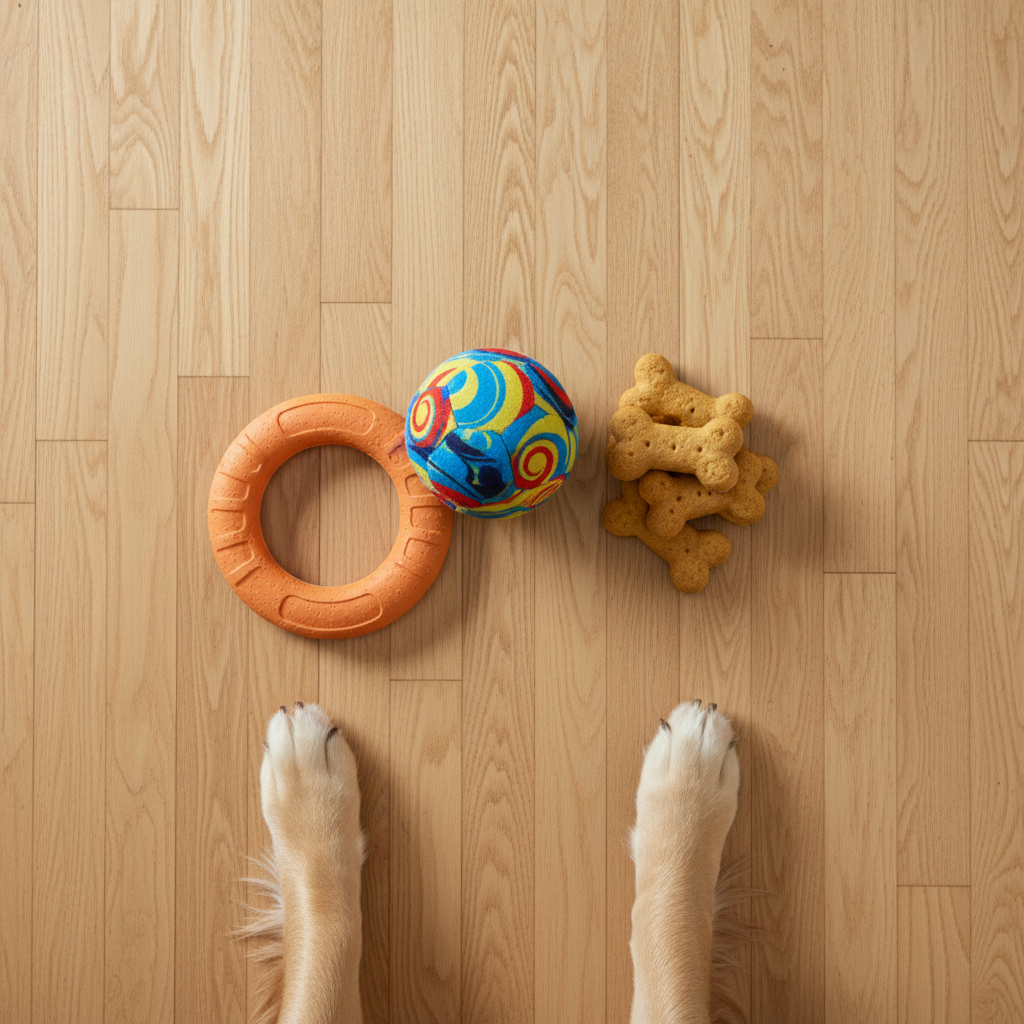
Forget the hard rubber balls or fast-moving frisbees for now. We want to start with something that won’t hurt or intimidate your dog if they miss. The goal is to build confidence, not fear. Try one of these options:
- High-Value Treats: Large, lightweight treats like pieces of popcorn (plain, no butter or salt!), or large, puffy dog treats are perfect. They’re tasty, easy to see, and won’t hurt if they bonk your dog on the nose.
- Soft Toys: Small, lightweight plush toys or soft rubber balls are excellent choices. They are easy for a dog to grab and won’t cause any discomfort on impact.
Find the Perfect Location
Start your training in a calm, quiet place with minimal distractions. A long hallway inside your home or a securely fenced backyard on a quiet day is ideal. You want your dog’s full attention on you and the game, not on a passing squirrel or a noisy car.
Adopt a Positive Mindset
This is the most important tool in your kit! Keep your training sessions short (5-10 minutes at most) and overwhelmingly positive. Your energy is contagious. If you’re having fun, your dog will too. Always end on a high note, perhaps with a successful catch or even just a good try, followed by lots of praise and a favorite treat.
Step 1: Follow the Leader (or the Treat!)
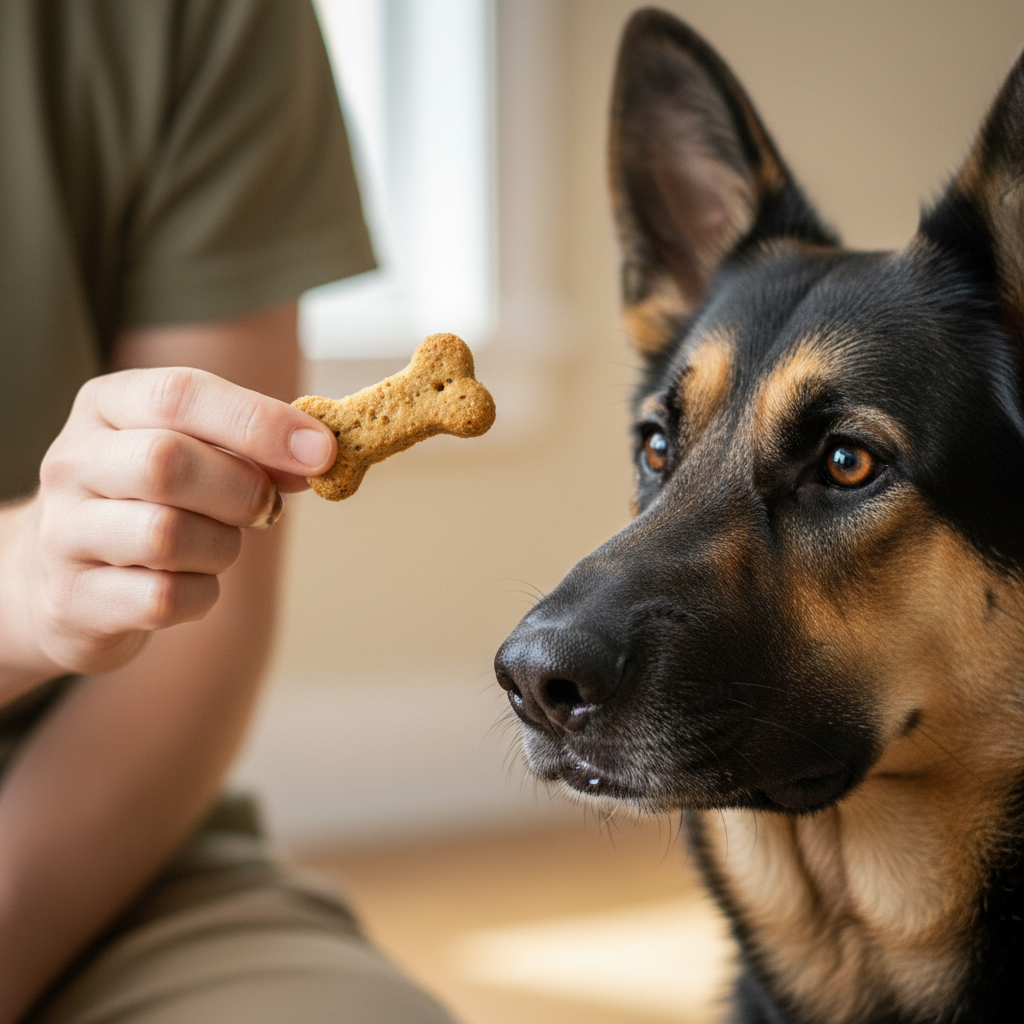
Before a dog can catch an object, they need to learn how to track it with their eyes. This first step is all about building that foundational eye-mouth coordination in a super simple and rewarding way.
Grab a high-value treat—something your dog loves and can see easily. Here’s what to do:
- Hold the treat in your fingers and let your dog sniff it to get them interested.
- Position the treat right in front of your dog’s nose, about six inches away.
- Slowly move the treat from side to side in a smooth, gentle arc. The goal is to have your dog follow it with their eyes and head, not by moving their body.
- After a few seconds of successful tracking, say “Yes!” and give them the treat.
- Repeat this process, moving the treat up and down as well.
This simple exercise teaches your dog to focus on a moving object near their face, which is the cornerstone of learning to catch. You’re building a connection that says, ‘Watch the thing near my hand, and good things happen!’
Practice this for a few short sessions until your dog is a pro at following the treat with their full attention.
Step 2: The Easiest Catch in the World
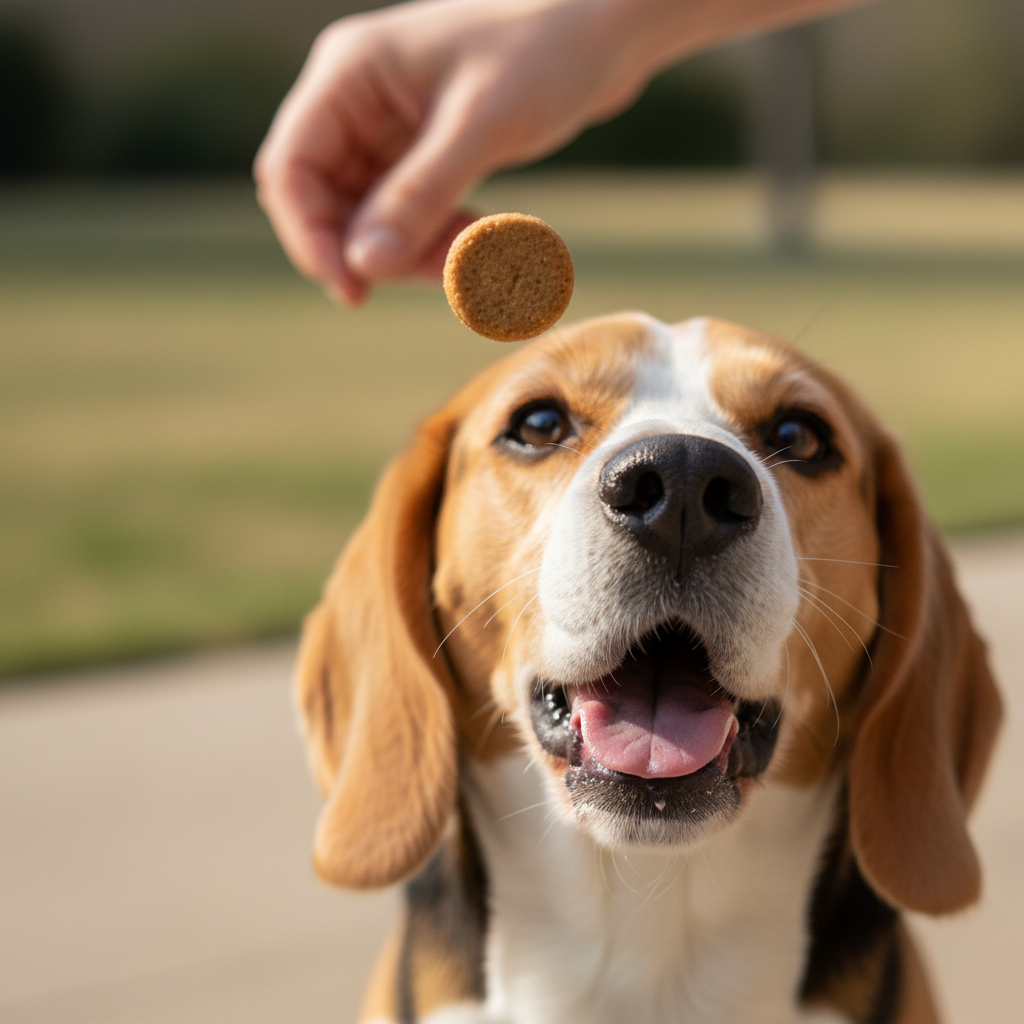
Now that your dog is an expert tracker, it’s time to introduce the ‘catch.’ We’re going to make this so easy that they can’t possibly fail. The goal here is 100% success to build a mountain of confidence.
Using the same soft treats from the previous step, position yourself in front of your dog. Get their attention and show them the treat.
- Hold the treat just a few inches from your dog’s mouth.
- Say your chosen cue word in a happy, upbeat tone. Simple is best—try “Catch!” or “Get it!”
- Immediately after saying the cue, gently toss the treat straight into their open mouth. It’s less of a toss and more of a controlled drop.
- When they catch it, celebrate! Shower them with praise like, “Good catch! You’re so smart!”
If they miss, no problem at all. Don’t make a fuss. Just let them eat the treat off the floor, and try again. The key is to associate the word “Catch!” with the action of opening their mouth to receive a yummy reward. Once they are consistently successful from a few inches away, you can gradually increase the distance to a foot, then two, always using a gentle, underhand arc.
Step 3: Graduating to Soft Toys
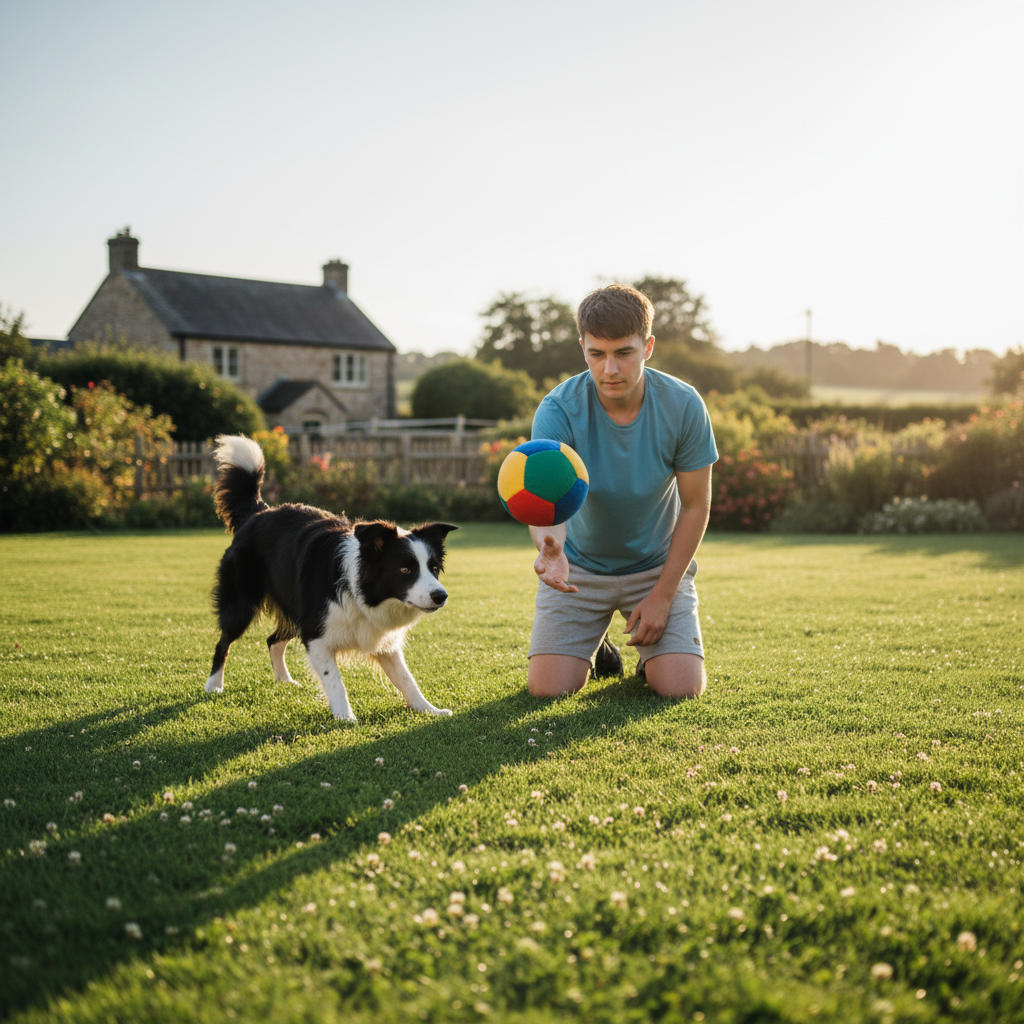
When your dog is reliably catching treats, it’s time to switch to a toy. This is a bigger step than it seems, as the reward is no longer edible. The fun of the game itself becomes the reward!
Choose a soft, lightweight toy that your dog already loves. A plush toy or a soft rubber ball works perfectly. Don’t start with a tennis ball just yet, as it can still be a bit hard for a learner.
- First, get your dog excited about the toy. Engage them in a light game of tug or simply praise them for holding it.
- Start the process over, just like you did with the treats. Hold the toy a short distance from their mouth.
- Say your “Catch!” cue and gently toss the toy towards their mouth. Aim for success.
- If they catch it, throw a party! Praise them enthusiastically. You can even reward them with a high-value treat (a ‘jackpot’ reward) for catching the toy to show them they did an amazing job.
- If they drop it, encourage them to pick it up and try again. Keep the pressure low and the energy high.
Practice these short, gentle tosses until your dog is comfortable and confident catching their favorite soft toy from a close distance.
Step 4: Adding Distance and Direction
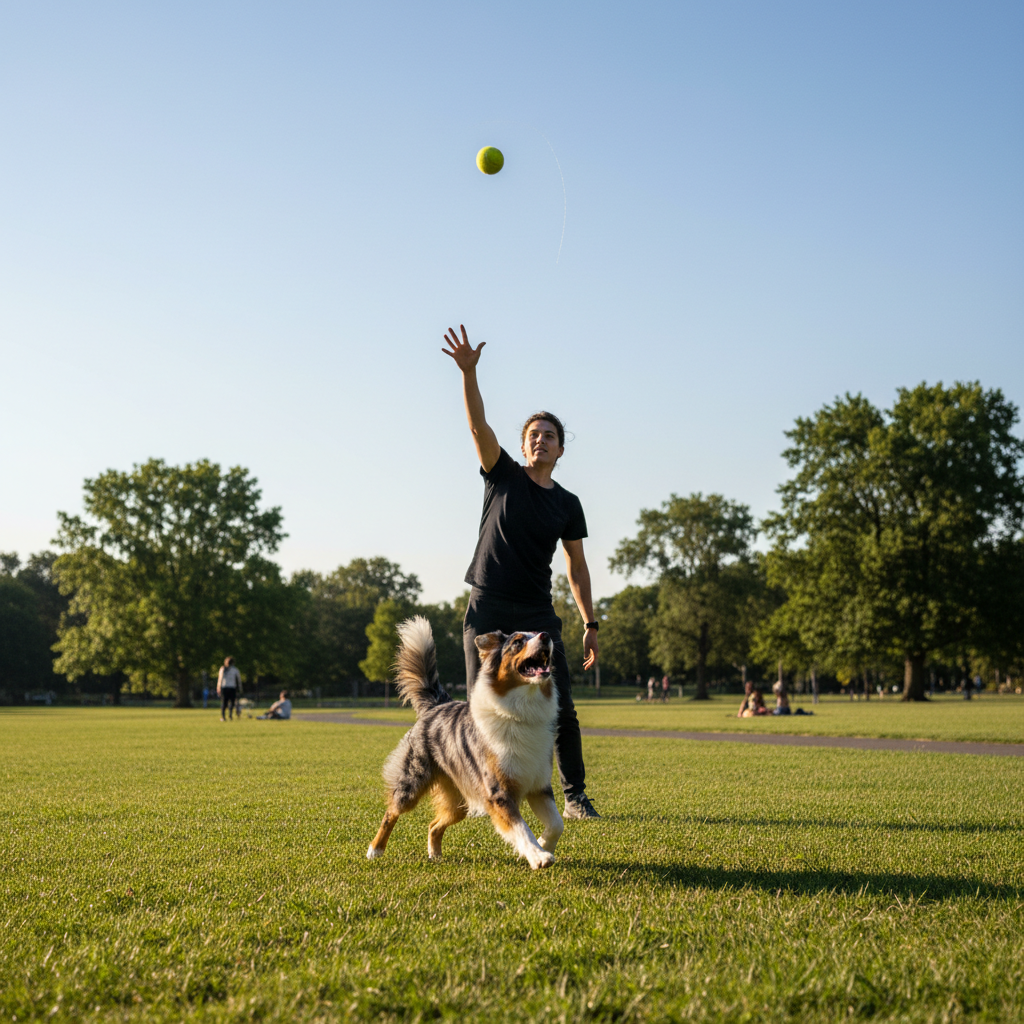
This is where it all comes together! Once your pup is a pro at catching soft toys up close, you can start to make the game more dynamic. It’s time to add a little distance and movement to challenge their new skills.
Continue using the soft toy or, if your dog is very confident, you can now try a tennis ball or a similar toy. The key is to increase the difficulty gradually.
- Increase the Distance: Take a step back and toss the toy with a gentle, predictable underhand lob. Don’t go for a major league pitch; think slow, high, and easy to track.
- Vary the Direction: Instead of tossing directly at your dog, throw it slightly to their left or right. This encourages them to move and adjust their body to make the catch, which is a critical skill for real-world play.
- Keep it Positive: As the game gets harder, misses are more likely. It’s crucial to stay upbeat. If your dog misses, just laugh it off and start again. If they seem to be getting frustrated, make the next toss super easy to guarantee a success, and then end the session on that positive note.
Remember, the goal is for your dog to learn that trying to catch is fun, whether they succeed every single time or not. Your positive reinforcement is what will keep them engaged and eager to play.
Oops! Troubleshooting Common Catching Conundrums
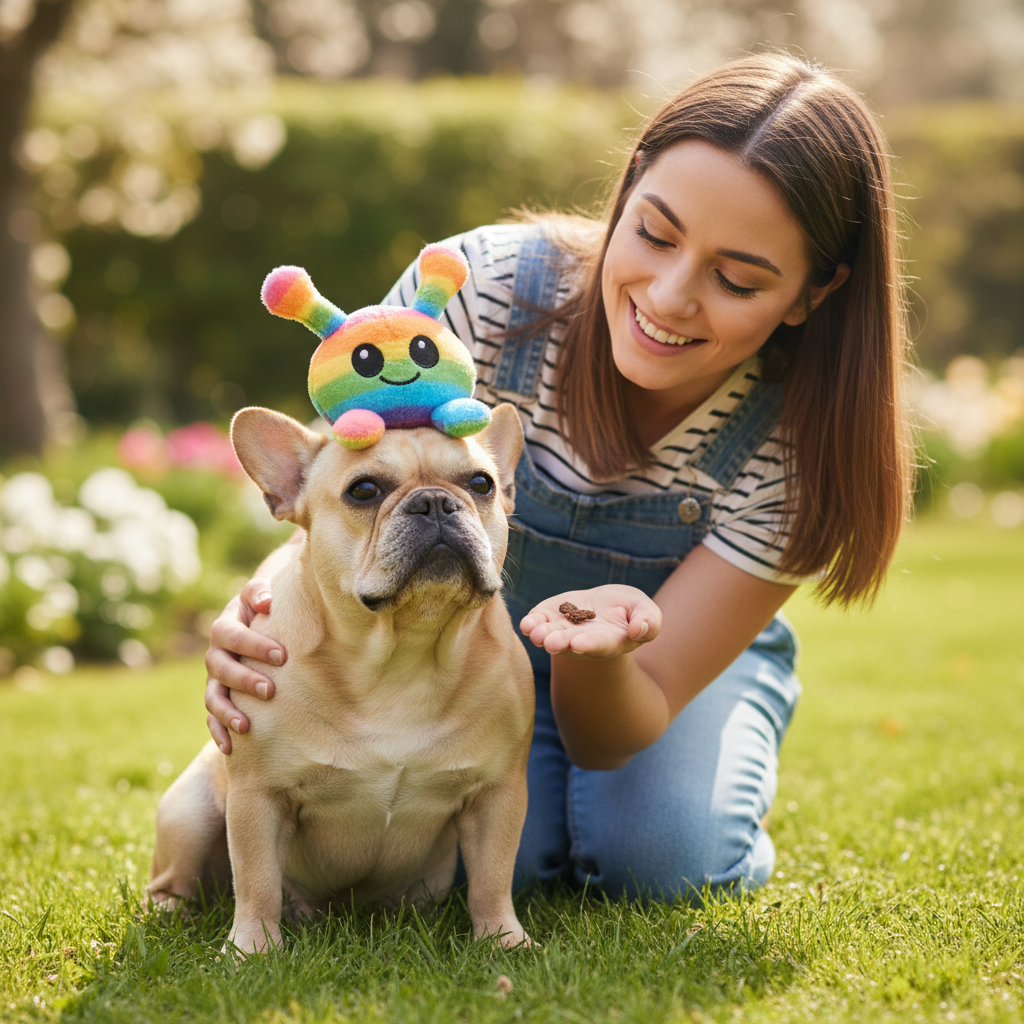
Even with the best training plan, you might hit a few bumps. That’s completely normal! Here are some common problems and how to solve them.
-
My dog just lets the ball hit them in the face!
This is a classic confidence issue. The dog is likely worried about the impact. Solution: Go back to square one. Use something incredibly soft and delicious, like a piece of popcorn. Rebuild the fun from the ground up with guaranteed, pain-free successes.
-
My dog closes their eyes and flinches.
This is a clear sign of apprehension. They’ve been bonked before and are anticipating it again. Solution: Take a break from tossing altogether. Go back to the tracking exercise (Step 1) for a few days. When you reintroduce a toss, use an extremely lightweight toy and start from just inches away, rewarding them for just keeping their eyes open and engaged.
-
My dog tries to catch but always misses.
Their timing or coordination might just be a little off. Solution: Use a larger, softer, and slower-moving object. A soft, floppy frisbee thrown gently or a large, soft plush toy can be easier to snag than a small, fast ball. Also, stick to slow, high-arcing underhand tosses to give them more time to react.
-
My dog isn’t interested in the toy.
It’s simple: you’re using the wrong motivation! Solution: Find a toy they go crazy for. Not all dogs are ball-driven. Experiment with toys that squeak, crinkle, or have a unique texture. The more they love the object, the more motivated they’ll be to catch it.
Conclusion
Teaching your dog to catch is more than just a fun party trick; it’s a fantastic way to build their confidence, improve their coordination, and strengthen the bond you share. Remember the golden rules: start slow, use soft and enticing objects, and keep every session overflowing with positivity and praise. Every dog learns at their own pace, so be patient with your pup and celebrate the small victories along the way. Before you know it, those face-bonks will be a thing of the past, replaced by impressive mid-air snags and a very proud, happy dog.