Tail Handling: How To Teach Your Dog To Accept Tail Touches
For many dog owners, the tail is simply a barometer of their pet’s happiness—a wagging appendage that signals joy. However, from a veterinary and behavioral standpoint, the tail is a sensitive extension of the spine that requires regular handling for grooming, medical examinations, and injury checks. Unfortunately, many dogs exhibit tail shyness or defensive aggression when this area is manipulated, making routine care difficult and dangerous.
Teaching your dog to accept tail touches is a critical component of cooperative care training. This practice shifts the dynamic from forcing a procedure on the dog to teaching the dog to participate willingly. Whether you are preparing for a rectal temperature check at the vet, checking for burrs after a hike, or needing to bandage a ‘happy tail’ injury, having a dog that remains calm during handling is invaluable.
This guide provides a professional, step-by-step approach to desensitizing your dog to tail handling. By utilizing positive reinforcement and understanding canine body language, you can build trust and ensure safety for both you and your canine companion.
Understanding Canine Physiology and Sensitivity
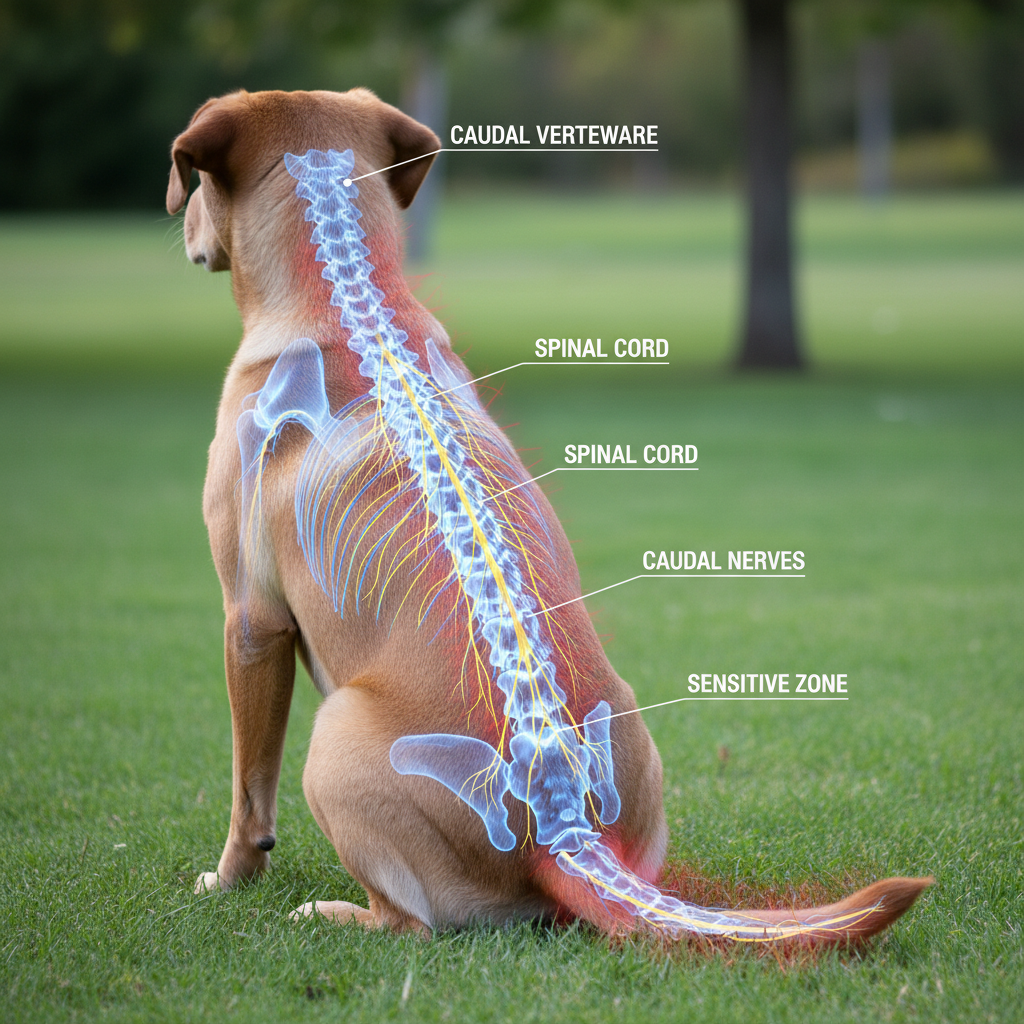
Before commencing training, it is essential to understand why dogs are often protective of their tails. The tail is not merely an accessory; it is a complex structure composed of vertebrae, muscles, and a high concentration of nerves. It plays a vital role in balance and communication. Because it is a vulnerable part of the body located behind the dog’s line of sight, unexpected touches can trigger a startling reflex or a defensive reaction.
Furthermore, dogs that have experienced trauma—such as having their tail pulled by a child or shut in a door—may harbor negative associations with handling. As a handler, you must observe your dog for subtle signs of stress, known as calming signals. These include:
- Tucking the tail between the legs.
- Freezing or stiffening the body.
- Lip licking or yawning when you approach the rear.
- Shifting weight away from your hand.
Recognizing these signs allows you to adjust your training pace before the dog feels the need to escalate to growling or snapping.
Preparation: Tools and Environment
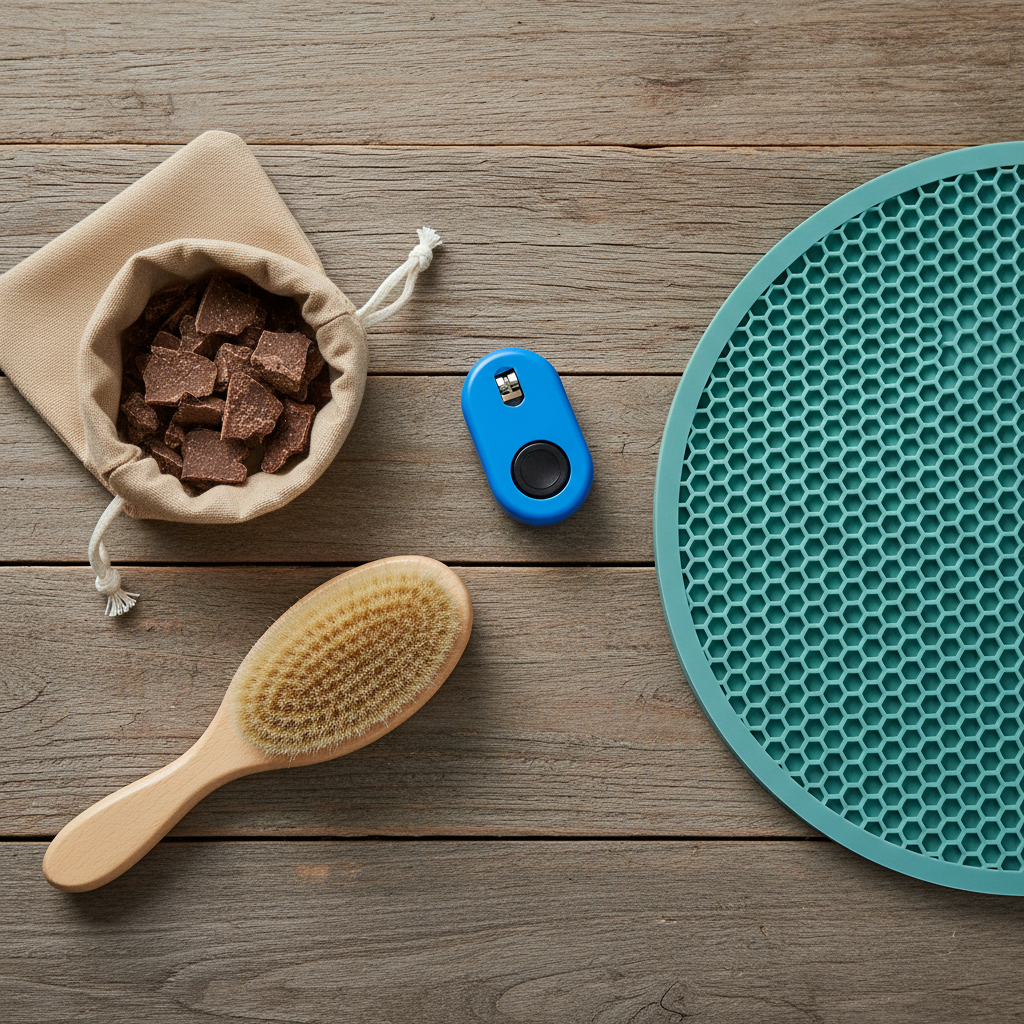
Successful desensitization requires the right environment and high-value motivators. You cannot force a dog to relax; you must reward them for choosing to relax. Before you begin, ensure you have the following:
- High-Value Treats: Dry kibble is rarely sufficient for overcoming body handling sensitivity. Use small pieces of cheese, boiled chicken, or freeze-dried liver.
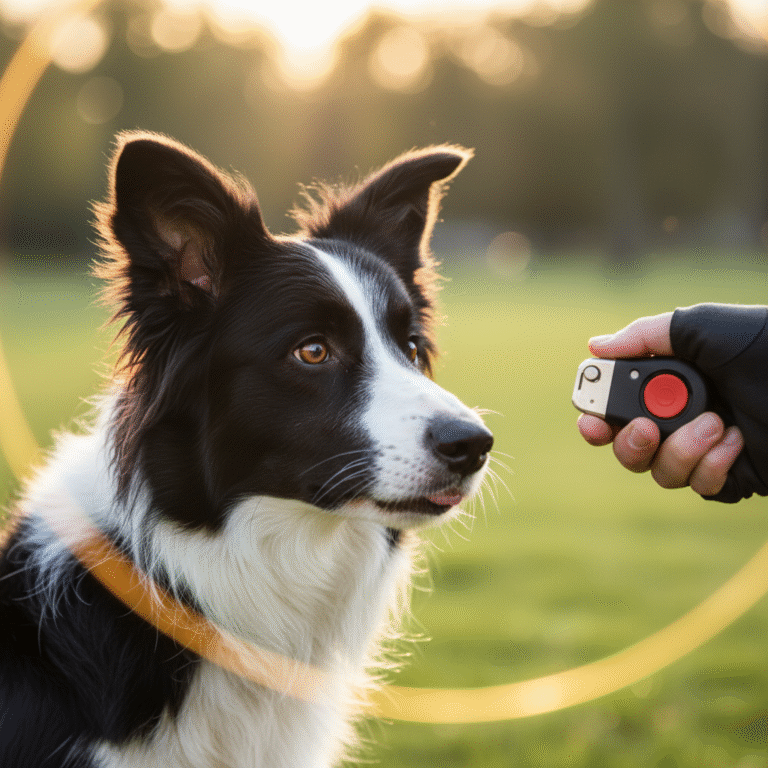
- A Marker Signal: A clicker or a consistent verbal marker like ‘Yes!’ to precisely mark the moment of success.
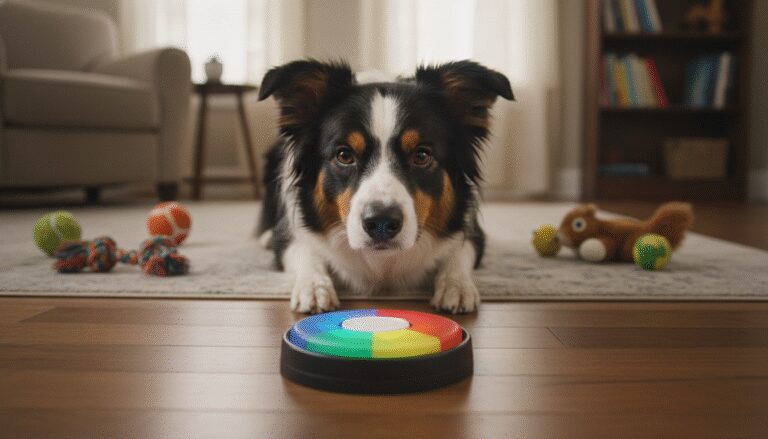
- A Quiet Space: Choose a distraction-free area where your dog feels safe, such as a living room with a non-slip rug.
The goal is to create a Conditioned Emotional Response (CER), where the dog predicts that a touch to the tail equals the arrival of a delicious treat. This changes the dog’s emotional state from apprehension to anticipation.
Step-by-Step Desensitization Protocol
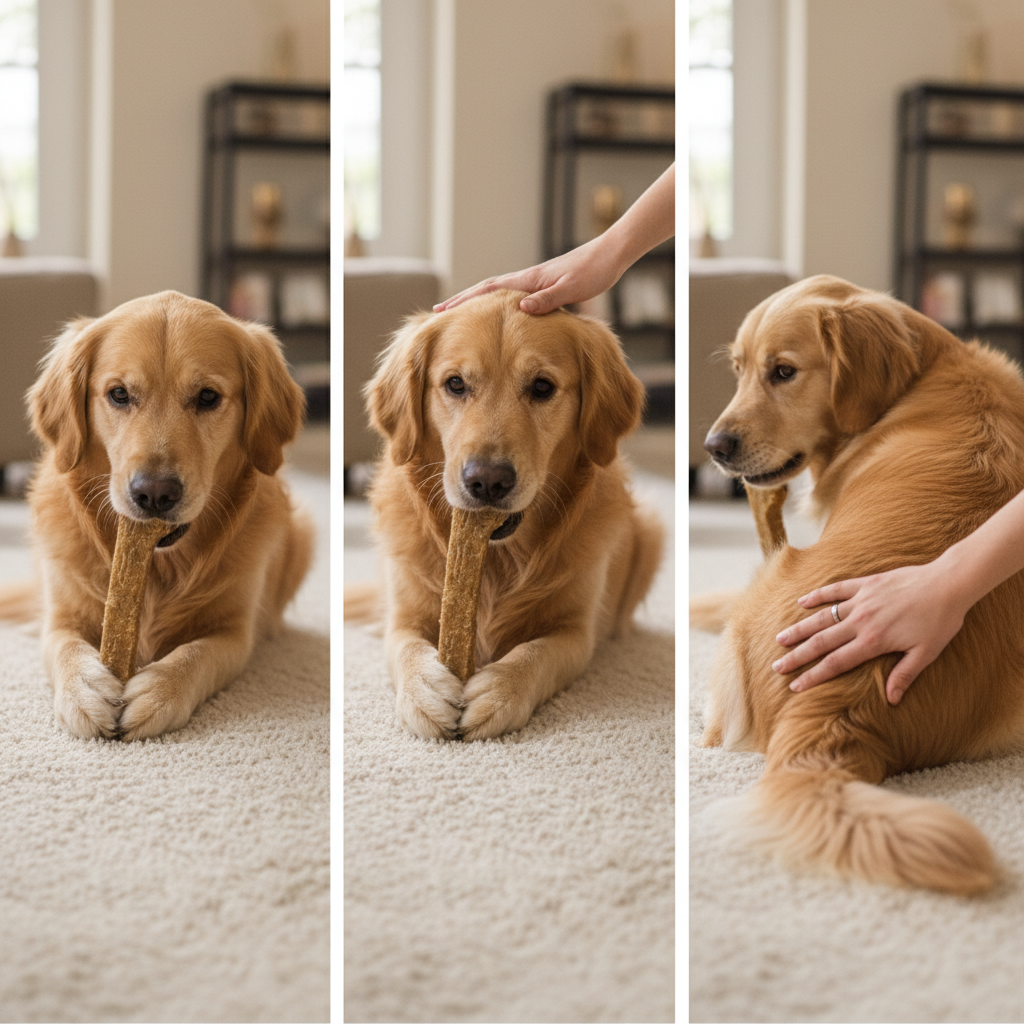
Follow this systematic protocol to teach your dog that tail handling is safe. Do not rush these steps; moving too fast can set training back by weeks.
Step 1: The Hover and Treat
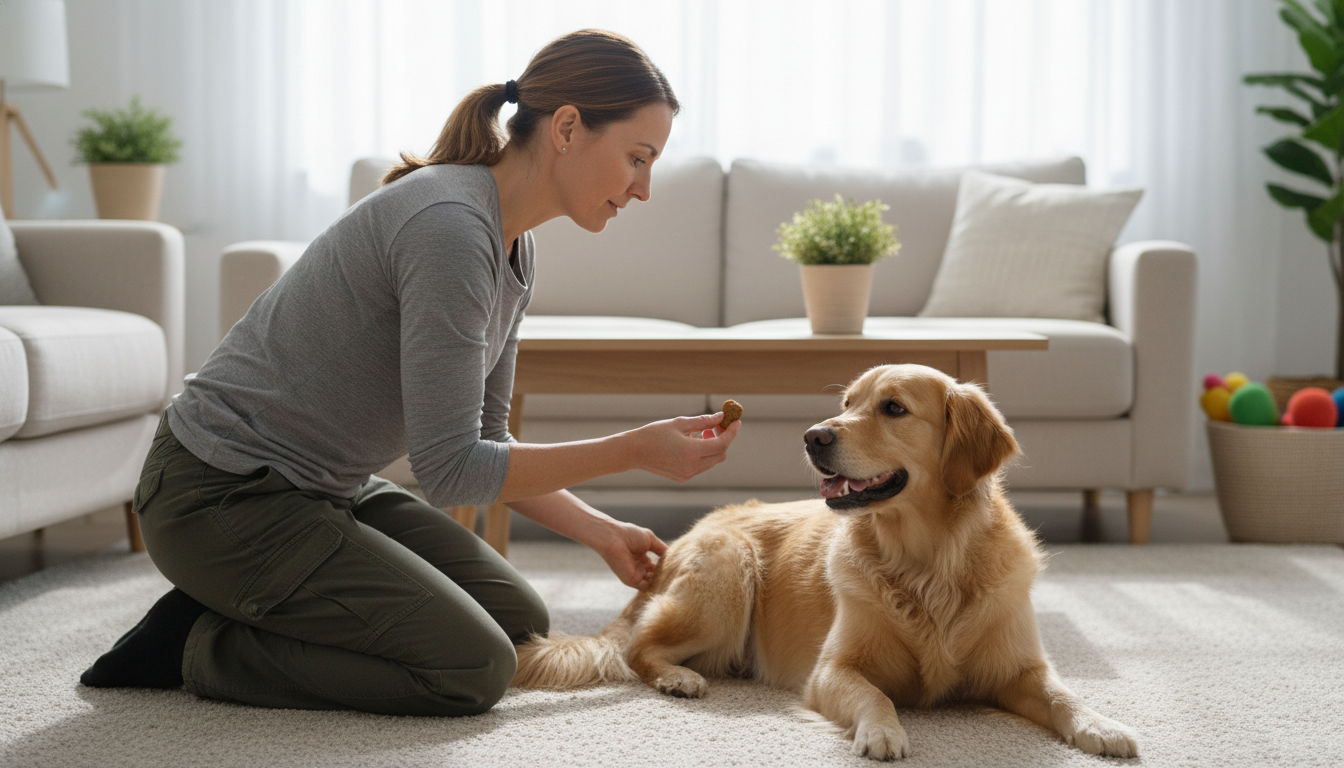
Begin by standing or kneeling beside your dog (never lean over them, as this can be intimidating). Reach your hand toward the base of the tail but do not touch it. Immediately mark (click or say ‘Yes’) and give a treat. Repeat this 10-15 times. You are teaching the dog that a hand approaching their rear predicts a reward.
Step 2: The Initial Touch
Once the dog is comfortable with the approach, proceed to contact. Gently touch the base of the tail—where it meets the body—for one second. Mark and treat simultaneously. If the dog whips their head around or flinches, you have moved too fast; return to Step 1.
Step 3: Duration and Movement
Gradually increase the duration of the touch from one second to three seconds. Once the dog accepts a stationary hand, begin to slowly slide your hand down the tail toward the tip. Stop immediately if the dog shows signs of discomfort. Always follow the sequence: Touch -> Mark -> Treat -> Remove Hand.
Step 4: Manipulation
The final stage involves lifting and manipulating the tail as a vet or groomer would. Gently lift the tail a few inches, mark, and treat. Progress to running a soft brush over the tail. This stage confirms the dog is ready for real-world handling.
Troubleshooting Common Challenges
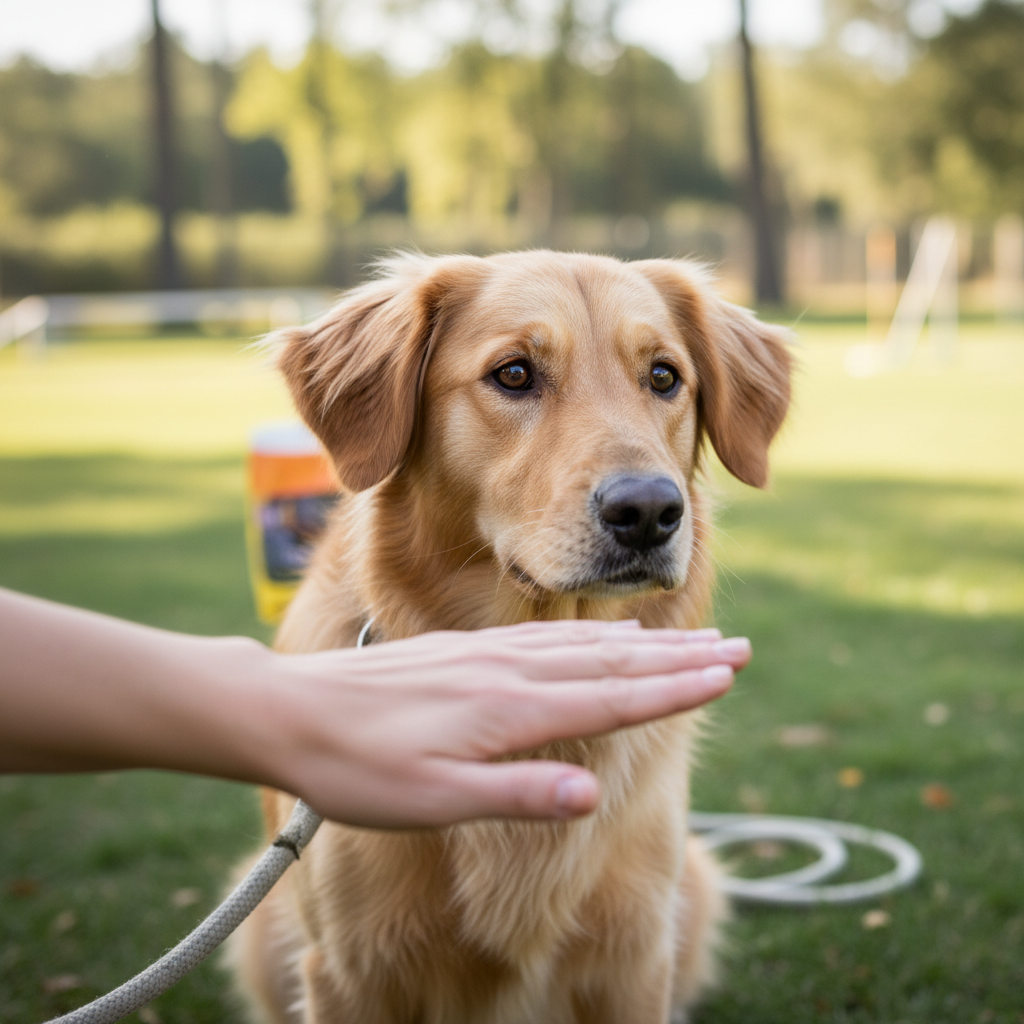
Even with a careful approach, you may encounter resistance. Here is how to handle common obstacles:
- The Dog Keeps Moving Away: This is a clear request for space. Do not pursue the dog. Instead, reset the training session and lower your criteria. Go back to simply looking at the tail and treating, rather than touching it.
- The Dog Becomes Over-Excited: If your dog thinks this is a wrestling game and starts mouthing your hand, switch to lower-value treats to lower their arousal level, or practice after a long walk when they are tired.
- Growling or Snapping: If your dog growls, stop immediately. Never punish the growl, as this removes the dog’s warning system. A growl indicates you have pushed the dog past their threshold. Consult a professional behaviorist if aggression is present, as there may be underlying pain (such as arthritis or spinal issues) requiring veterinary attention.
Generalizing for Vet Visits and Grooming
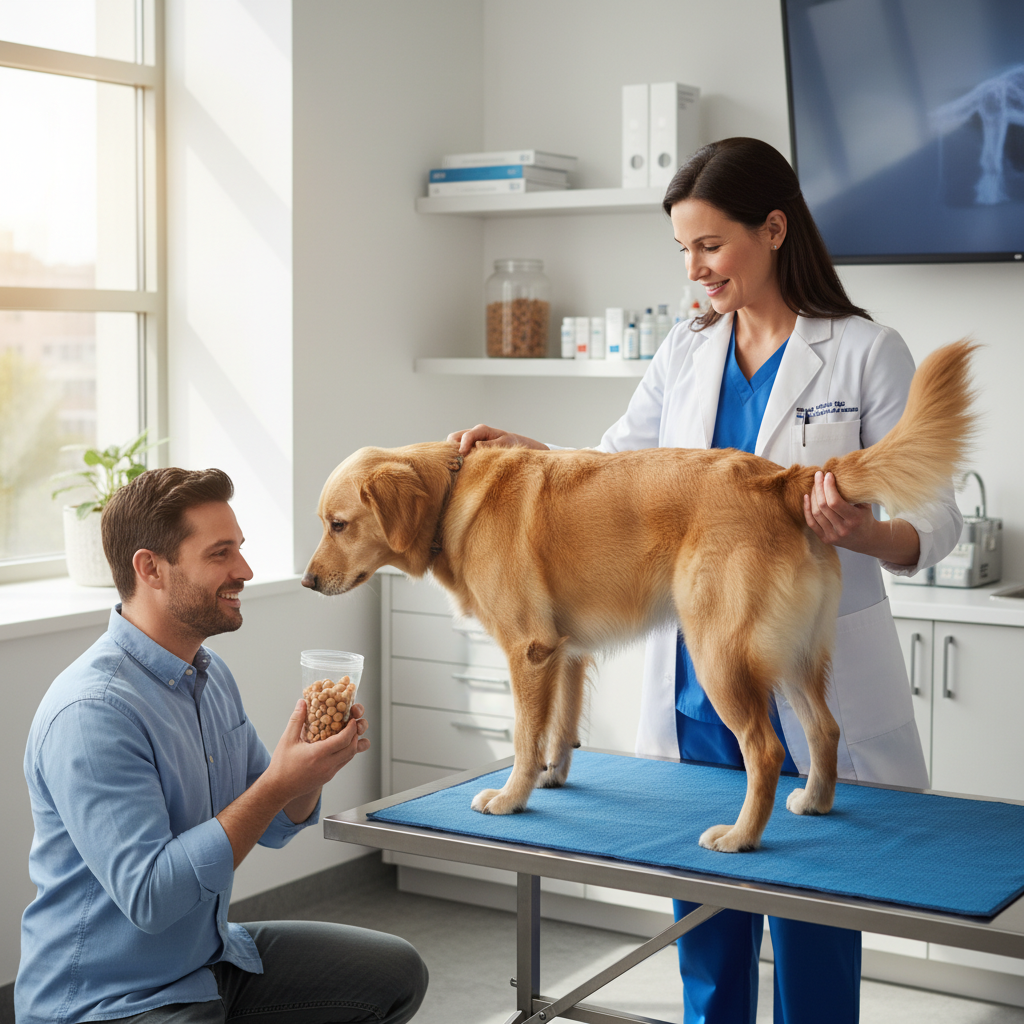
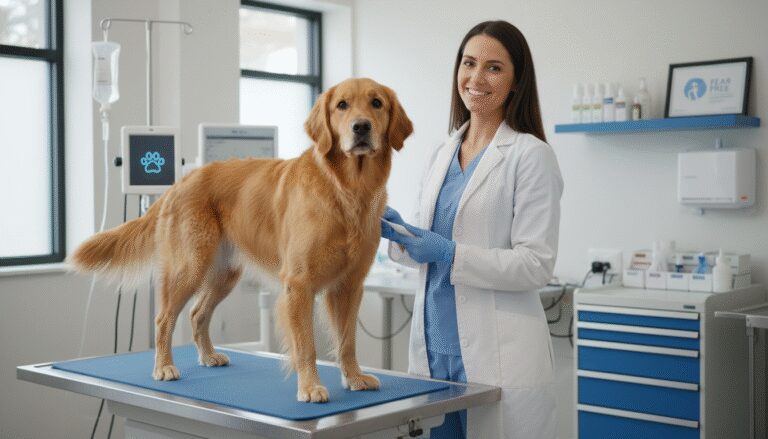
Training in your living room is excellent, but your dog must be able to perform this behavior in novel environments. Once your dog is comfortable at home, practice these touches in the backyard, on walks, and eventually in the veterinary clinic waiting room.
When visiting the vet or groomer, advocate for your dog. Inform the staff that you have been working on tail desensitization. Ask if you can feed the dog treats while they handle the tail. This technique, known as counter-conditioning, helps the dog manage the higher stress levels associated with the clinic environment. By maintaining a stream of rewards during the exam, you reinforce the training and prevent traumatic setbacks.
Building Trust Through Respectful Handling
Teaching your dog to accept tail touches is more than a convenience; it is a fundamental aspect of responsible guardianship and health maintenance. By breaking the process down into manageable steps and listening to your dog’s body language, you transform a potentially stressful interaction into a bonding exercise.
Remember that patience is your most powerful tool. Some dogs may accept handling in a single session, while others with past trauma may require weeks of slow progression. Respect your dog’s pace, reward their courage, and you will build a foundation of trust that ensures their physical and emotional well-being for years to come.