Superfood Lion’s Mane Biscuits To Boost Your Senior Dog’s Brain
Watching our beloved dogs enter their golden years is a journey filled with sweet moments, cozy cuddles, and a deeper appreciation for our time together. But it can also come with challenges. You might notice your old friend seeming a bit more confused, forgetting familiar commands, or getting lost in the backyard. These moments can be heartbreaking, leaving you feeling helpless. This age-related decline is often linked to Canine Cognitive Dysfunction (CCD), sometimes called ‘doggy dementia’.
But what if there was a natural, gentle way to support their brain health and keep that spark in their eyes shining bright? Enter Lion’s Mane mushroom, a powerful superfood that’s gaining serious attention in the world of holistic pet care. It’s not just a trendy ingredient; it’s a functional food with fascinating properties that can help protect and rejuvenate your senior dog’s mind. In this guide, we’ll explore everything you need to know about Lion’s Mane biscuits, a simple and tasty way to give your furry family member the brain-boosting support they deserve.
The Magic Behind the Mushroom: What Makes Lion’s Mane a Canine Brain Booster?
The Magic Behind the Mushroom: What Makes Lion’s Mane a Canine Brain Booster?
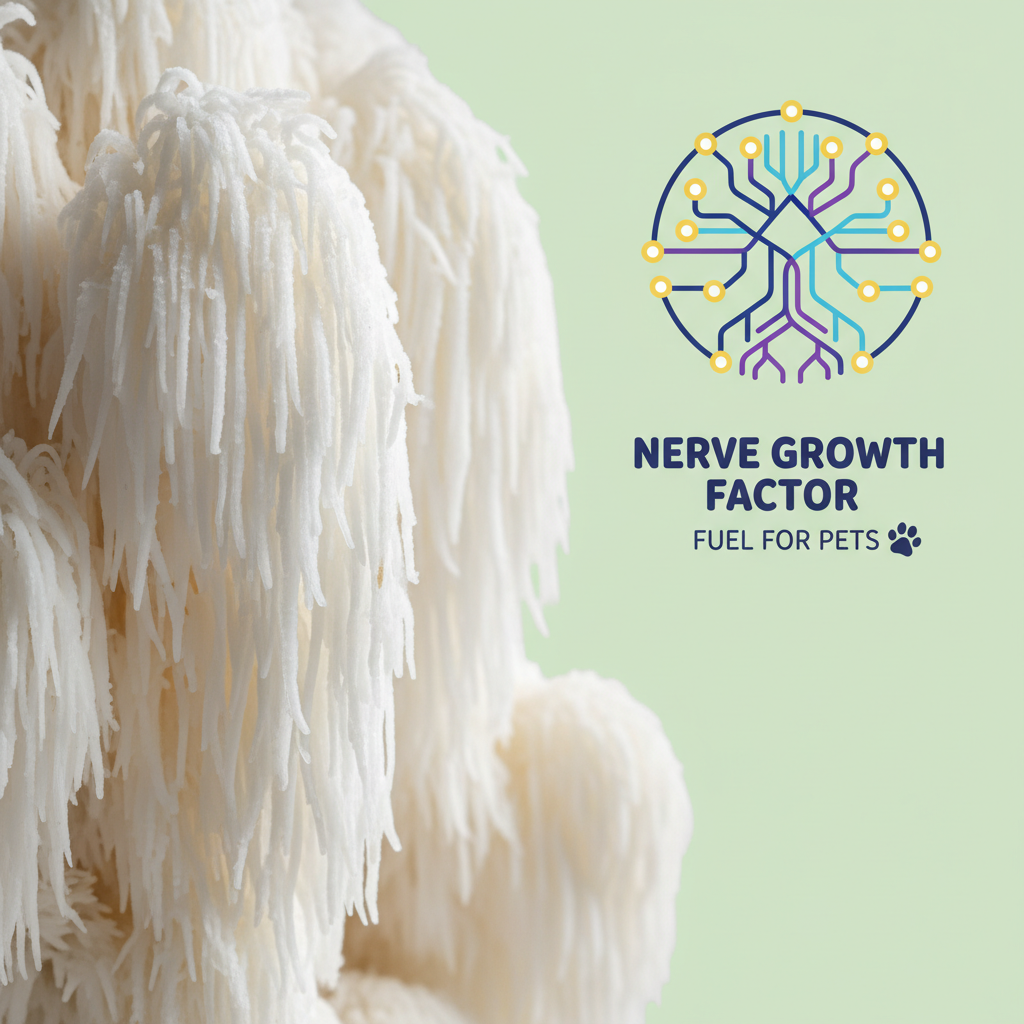
At first glance, the Lion’s Mane mushroom (Hericium erinaceus) looks like something out of a fairy tale with its shaggy, white, icicle-like spines. But its real magic lies within its powerful bioactive compounds. The two most important ones for brain health are hericenones and erinacines.
Think of your dog’s brain as a complex network of roads and highways made of nerve cells (neurons). Over time, these pathways can get worn down. Hericenones and erinacines are unique because they can stimulate the production of something called Nerve Growth Factor (NGF).
NGF is like a dedicated road crew for your dog’s brain. It helps repair existing nerve cells, encourages the growth of new ones, and protects them from damage. It’s absolutely crucial for learning, memory, and overall cognitive function.
As dogs age, their natural production of NGF can decline, contributing to the symptoms of CCD. By introducing Lion’s Mane, you’re essentially giving their body the building blocks it needs to ramp up its own NGF production. This helps to fortify their neural pathways, improve communication between brain cells, and potentially slow down the cognitive aging process. It’s not a magic cure, but it’s a powerful tool for support and maintenance, helping your senior dog stay more engaged, aware, and connected to the world around them.
Unpacking the Benefits: More Than Just a Tasty Treat
Unpacking the Benefits: More Than Just a Tasty Treat
While the brain-boosting effects are the star of the show, Lion’s Mane offers a symphony of benefits that can support your senior dog’s overall well-being. These biscuits are far more than just a delicious snack; they’re a functional treat packed with potential.
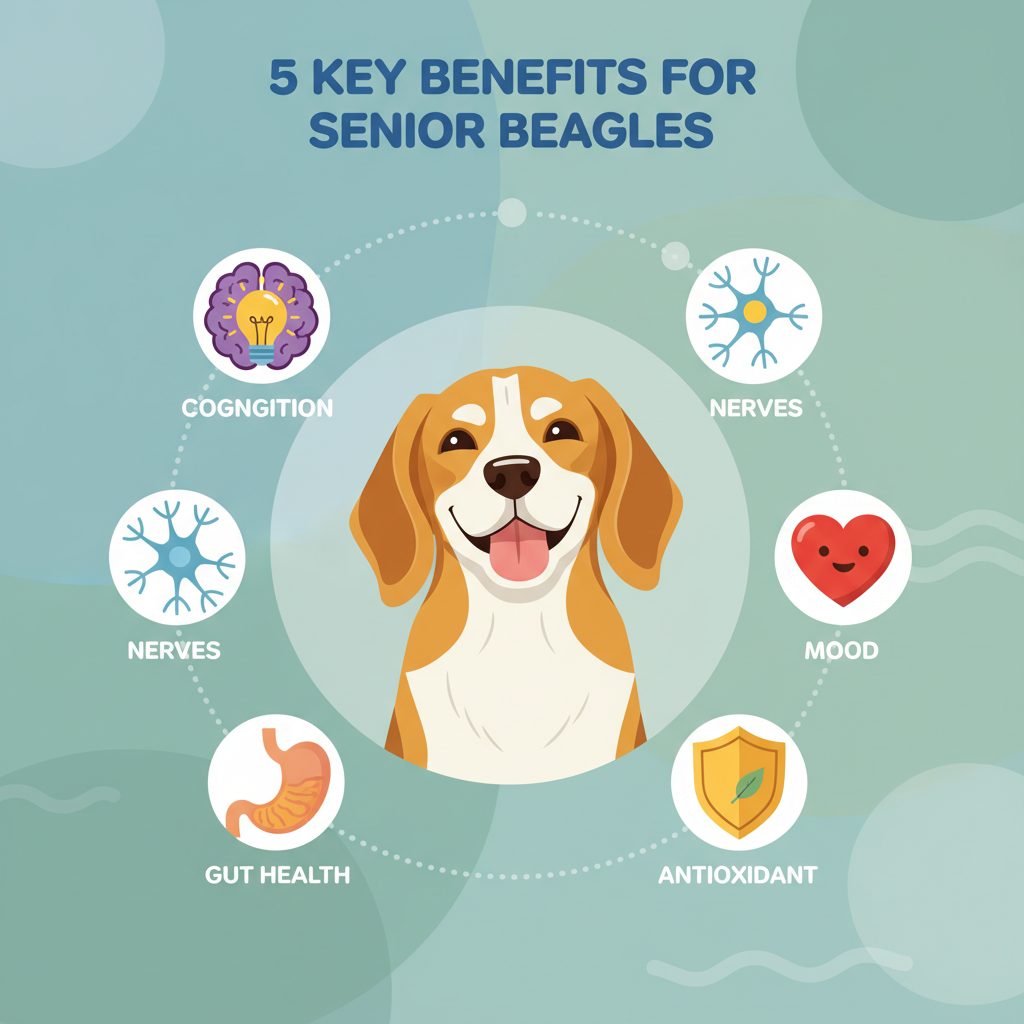
Key Benefits for Senior Dogs:
- Enhanced Cognitive Function: This is the primary reason pet owners turn to Lion’s Mane. It can help improve memory, focus, and recognition. You might notice your dog is quicker to respond to commands, seems less disoriented, or shows more interest in training and puzzles.
- Nerve Health and Regeneration: Beyond the brain, NGF supports the entire nervous system. This can be particularly beneficial for senior dogs who may suffer from age-related nerve degeneration or certain neurological conditions.
- Mood and Anxiety Support: The brain isn’t just about memory; it’s also the hub for emotions. Studies suggest Lion’s Mane may have an anxiolytic (anti-anxiety) effect by helping to regulate neurotransmitters. This could lead to a calmer, more contented dog who is less prone to restlessness or separation anxiety.
- Powerful Antioxidant and Anti-inflammatory Properties: Chronic inflammation is a hallmark of aging and many diseases. Lion’s Mane is rich in antioxidants that fight cellular damage caused by free radicals and contains compounds that help reduce inflammation throughout the body, potentially easing joint discomfort.
- Gut-Brain Axis Support: A healthy gut is linked to a healthy brain. Lion’s Mane acts as a prebiotic, feeding the good bacteria in your dog’s gut. This robust gut microbiome can further reduce inflammation and positively influence mood and cognitive health.
Safety First: Navigating Lion’s Mane for Your Dog
Safety First: Navigating Lion’s Mane for Your Dog
The great news is that Lion’s Mane is considered very safe for dogs, with an extremely low risk of side effects. It’s a gentle, natural supplement. However, as with any new addition to your dog’s diet, it’s essential to proceed with care and knowledge.
Potential Side Effects
The most common (and still very rare) side effect is mild digestive upset, such as loose stools or gas, as your dog’s system adjusts. This is why the ‘start low and go slow’ approach is so important. Allergic reactions are also possible, though uncommon. If you notice any signs of an allergic reaction like itching, swelling, or difficulty breathing, stop giving the supplement and contact your vet immediately.
Choosing a Quality Product
Not all Lion’s Mane products are created equal. When choosing biscuits or a supplement, look for these key indicators of quality:
- Made from Fruiting Bodies: The mushroom itself (the fruiting body) contains the highest concentration of beneficial compounds. Avoid products made from just ‘mycelium on grain,’ which can be mostly filler.
- Organic Certification: Mushrooms are like sponges and can absorb toxins from their environment. Always choose certified organic products to ensure they are free from pesticides and heavy metals.
- Clear Dosage and Ingredient List: The packaging should clearly state how much Lion’s Mane extract is in each biscuit and list all other ingredients. Avoid products with vague labeling or unnecessary fillers, sugars, or artificial preservatives.
Serving Size Guidelines
Always follow the manufacturer’s recommendation on the package, as concentrations can vary. If you’re using a powder to make your own treats, a general guideline is to start with a very small amount. It’s always best to consult your veterinarian for a dosage recommendation tailored to your dog’s specific health needs and weight. Below is a conservative starting point for a daily dose of Lion’s Mane powder:
| Dog’s Weight | Suggested Starting Daily Dose (Powder) |
|---|---|
| Under 25 lbs | 1/8 teaspoon |
| 25 – 50 lbs | 1/4 teaspoon |
| 51 – 100 lbs | 1/2 teaspoon |
| Over 100 lbs | 1 teaspoon |
*Note: These are general guidelines. Consult your holistic or integrative veterinarian before starting any new supplement.*
Homemade Goodness or Convenient Quality: Choosing the Right Biscuits
Homemade Goodness or Convenient Quality: Choosing the Right Biscuits
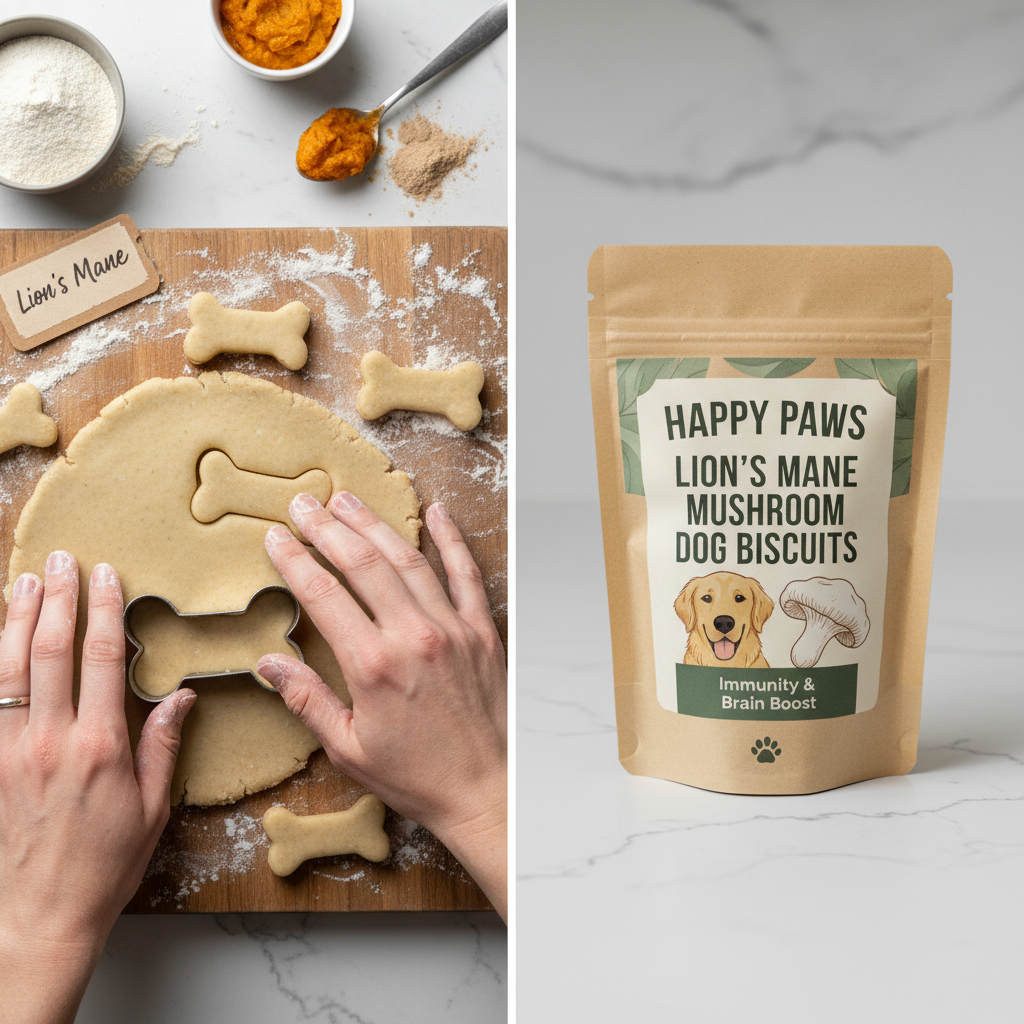
Once you’ve decided to try Lion’s Mane, you have two main options: buy pre-made biscuits or bake your own. Both have their advantages, and the best choice depends on your lifestyle, budget, and how much you enjoy baking!
DIY vs. Store-Bought Comparison
| Feature | DIY (Homemade Biscuits) | Store-Bought Biscuits |
|---|---|---|
| Quality Control | You control 100% of the ingredients. Perfect for dogs with allergies or sensitivities. | Requires research to find a reputable brand with high-quality, organic ingredients. |
| Cost | Often more cost-effective in the long run, especially if you buy ingredients in bulk. | Higher upfront cost per biscuit, but convenient. |
| Convenience | Requires time for shopping, measuring, baking, and cleanup. | Extremely convenient. Just open the bag and serve. |
| Customization | Fully customizable. You can add other beneficial ingredients like blueberries, turmeric, or fish oil. | What you see is what you get. Less flexibility for specific dietary needs. |
| Dosage Accuracy | Can be tricky to ensure each biscuit has a consistent amount of Lion’s Mane powder. | Professionally formulated for consistent and accurate dosage in every treat. |
Simple & Safe DIY Lion’s Mane Biscuit Recipe
Ready to get baking? Here is a vet-approved recipe that’s easy to make.
- Preheat & Prep: Preheat your oven to 350°F (175°C) and line a baking sheet with parchment paper.
- Mix Wet Ingredients: In a large bowl, whisk together 1/2 cup of pure pumpkin puree, 1/4 cup of unsweetened applesauce, and one egg.
- Combine Dry Ingredients: In a separate bowl, mix 1.5 cups of oat flour (or whole wheat flour), your desired dose of high-quality organic Lion’s Mane mushroom powder (see dosage chart in the previous section), and a teaspoon of cinnamon.
- Combine & Knead: Gradually add the dry ingredients to the wet ingredients, mixing until a dough forms. If it’s too sticky, add a little more flour. Knead briefly on a floured surface.
- Roll & Cut: Roll the dough out to about 1/4-inch thickness and use your favorite cookie cutters to cut out shapes.
- Bake: Place the biscuits on the prepared baking sheet and bake for 20-25 minutes, or until golden and firm.
- Cool Completely: Let the biscuits cool completely on a wire rack before serving. Store in an airtight container in the refrigerator for up to a week or freeze for longer storage.
Your Questions Answered: Top FAQs About Lion’s Mane for Dogs

Your Questions Answered: Top FAQs About Lion’s Mane for Dogs
It’s natural to have questions when trying something new for your furry friend. Here are answers to some of the most common queries we hear from pet owners.
How long until I see results?
Patience is key. Lion’s Mane works by supporting the body’s natural processes, which takes time. While every dog is different, you may start to notice subtle improvements in alertness, engagement, or mood within 4 to 8 weeks of consistent daily use. For some dogs, it may take a bit longer.
Can I give my dog Lion’s Mane supplements made for humans?
It’s generally not recommended. Human supplements can contain ingredients that are harmful to dogs, like xylitol (a common sweetener). Additionally, the dosage will be formulated for a human body weight, making it very difficult to get the serving size right for your pet. Always stick to products specifically formulated for canine use.
Does Lion’s Mane interact with any medications?
Lion’s Mane may have mild blood-thinning properties and could affect blood sugar levels. If your dog is on medication for diabetes, has a bleeding disorder, or is scheduled for surgery, it is crucial to speak with your veterinarian before adding Lion’s Mane to their routine.
Can puppies have Lion’s Mane?
While Lion’s Mane is primarily studied for its benefits in senior dogs, it is generally safe for dogs of all ages. For puppies, it could potentially support healthy brain development. However, a puppy’s primary need is a high-quality, balanced diet. It’s best to consult with your vet to see if it’s necessary or beneficial for your young dog.
Conclusion
Navigating the senior years with your dog is a profound experience, and your commitment to their health and happiness is a testament to the bond you share. While we can’t turn back the clock, we can provide incredible support to help them age gracefully and comfortably. Superfood Lion’s Mane biscuits offer a simple, safe, and promising way to nourish your dog’s brain, keeping them more connected and engaged in their golden years.
Whether you choose to bake a batch with love in your own kitchen or select a high-quality pre-made option, you’re taking a proactive step in supporting their cognitive wellness. Remember to start slow, choose quality products, and always keep your veterinarian in the loop. Here’s to more happy memories, clear-eyed moments, and joyful tail wags with your cherished old friend.