Summer Fun: How To Teach Your Dog To Drink Safely From A Hose
When the summer sun is blazing, keeping our furry friends cool and hydrated is priority number one. You’ve probably seen those joyful videos of dogs gleefully snapping at water from a hose, and thought, ‘That looks like fun!’ It absolutely can be, and it’s also a super convenient way to offer your dog a drink when you’re both enjoying the backyard. But before you turn on the spigot, it’s crucial to know that there’s a right way—and a wrong way—to introduce your dog to this fun activity. This guide is all about the ‘right way.’ We’ll cover the essential safety precautions and walk you through a positive, step-by-step training process to make drinking from the hose a safe and happy experience for everyone involved.
Safety First: The Hidden Dangers of Garden Hoses
Before we even think about training, let’s talk safety. A garden hose might seem harmless, but there are a few potential hazards to be aware of to protect your pup. Ignoring these could turn a fun game into a vet visit.
Potential Risks to Consider:
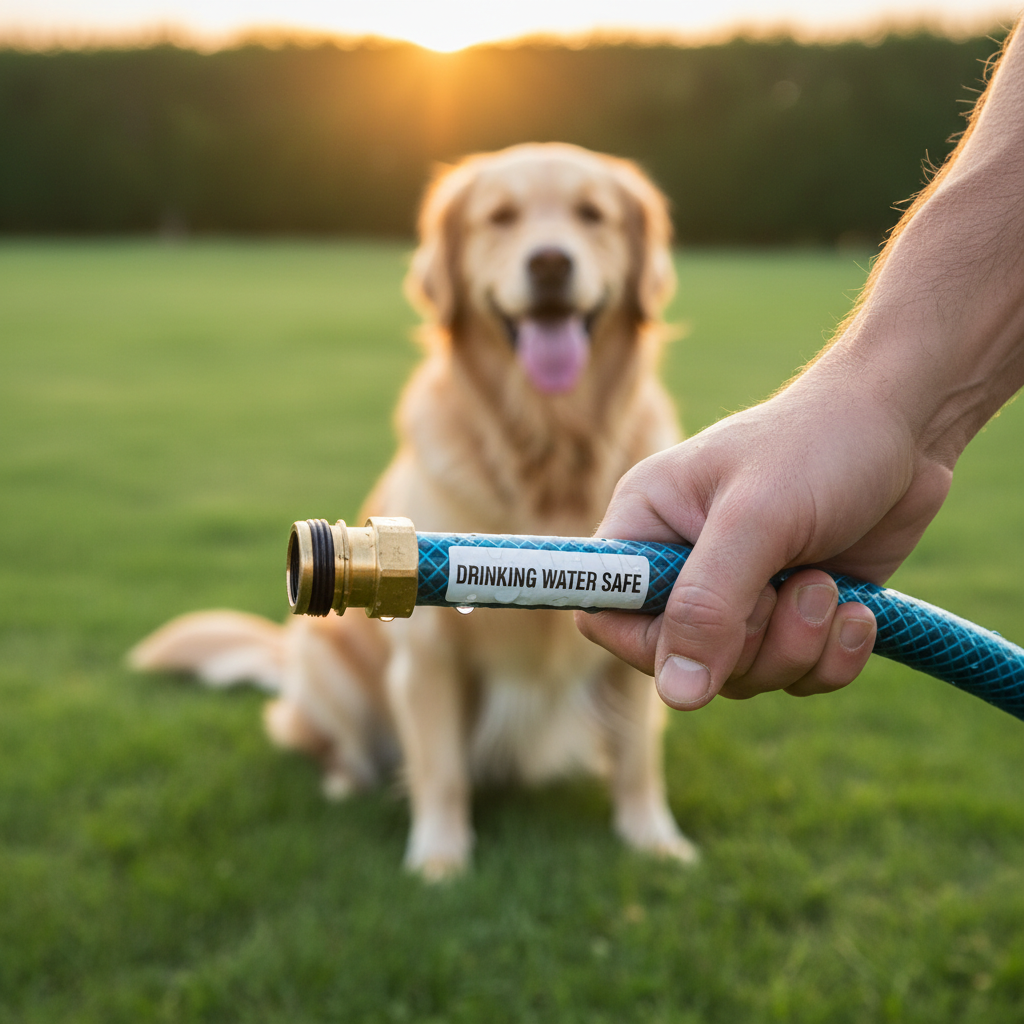
- Unsafe Materials: Many standard garden hoses are made with materials like lead, phthalates, and BPA, which can leach into the water. These are fine for watering plants, but not for drinking. Always look for a hose that is labeled ‘Drinking Water Safe’ or ‘Potable’ to ensure it’s made from non-toxic, food-grade materials.
- Water Pressure: A high-pressure blast of water can be frightening and can even cause injury to your dog’s eyes, nose, or throat. It could also force water into their lungs, leading to a dangerous condition known as aspiration pneumonia. Gentle is the name of the game!
- Water Temperature: Water that’s been sitting in a sun-baked hose can get incredibly hot, hot enough to scald your dog’s mouth. Always let the water run for a minute or two to flush out the hot water and ensure it’s cool and fresh before offering it to your dog.
- Over-hydration: While rare, it’s possible for a dog to ingest too much water too quickly, especially if they are treating it as a game. This can lead to water intoxication (hyponatremia), a serious and potentially fatal condition. Keep sessions short and controlled.
Expert Tip: Always supervise your dog around the hose. Never leave the hose running for them to access freely. Treat it as a controlled, shared activity, not a self-serve water fountain.
Gearing Up: What You’ll Need for Hose Training
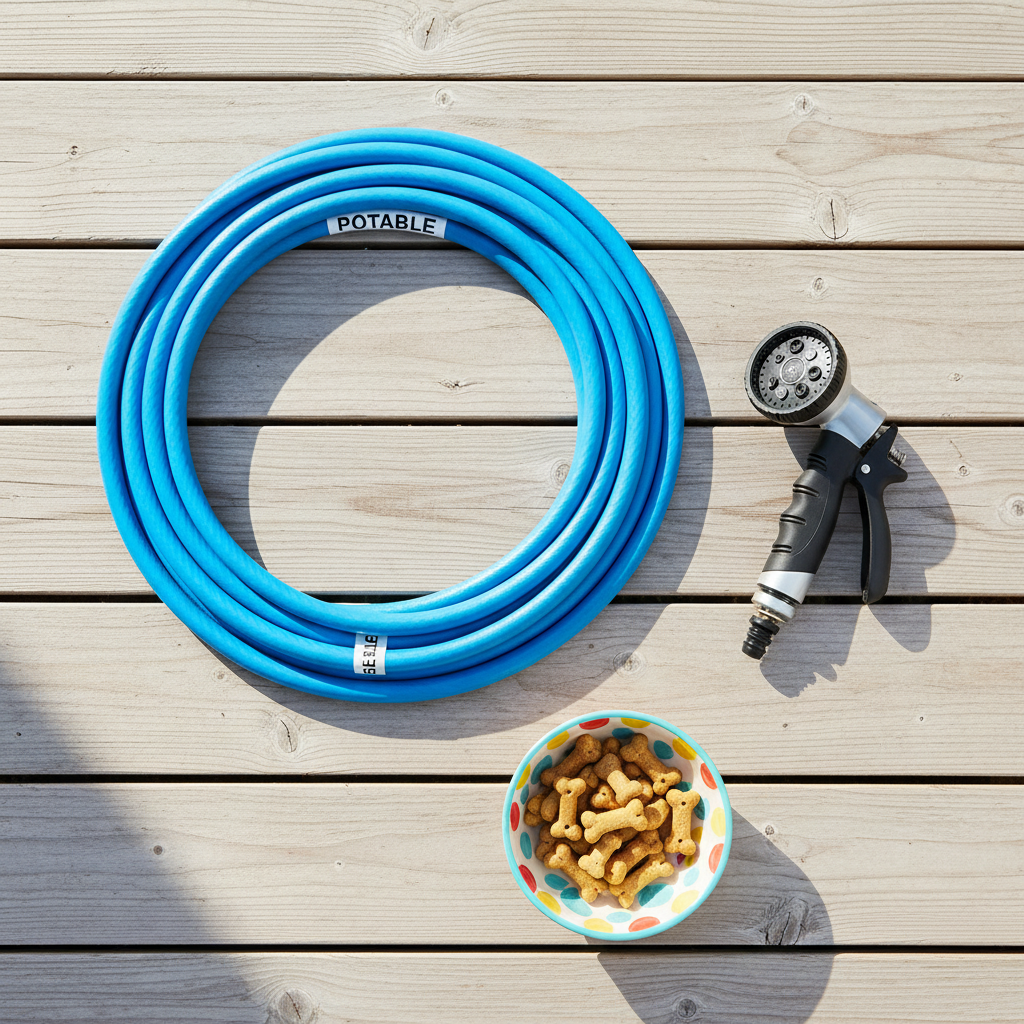
The great news is that you don’t need a lot of fancy equipment to teach this fun skill. Setting yourself up for success is easy! Here’s a quick checklist of what to have on hand before you begin your first training session:
- A ‘Drinking Water Safe’ Hose: As we mentioned, this is non-negotiable. Check your local hardware or garden store for a hose made from polyurethane or another NSF-certified material.
- An Adjustable Spray Nozzle: You’ll want a nozzle that can produce a very gentle, low-pressure stream, almost like a bubbler or a gentle shower setting. Avoid jet settings entirely.
- High-Value Treats: Pick something your dog absolutely loves! Small, tasty morsels that can be given quickly work best. This will help build a super positive association with the hose.
- Patience and a Positive Attitude: This is the most important tool! Every dog learns at a different pace. Keep it light, fun, and end on a positive note, even if you only make a tiny bit of progress.
The Fun Begins: A Step-by-Step Guide to Hose Training
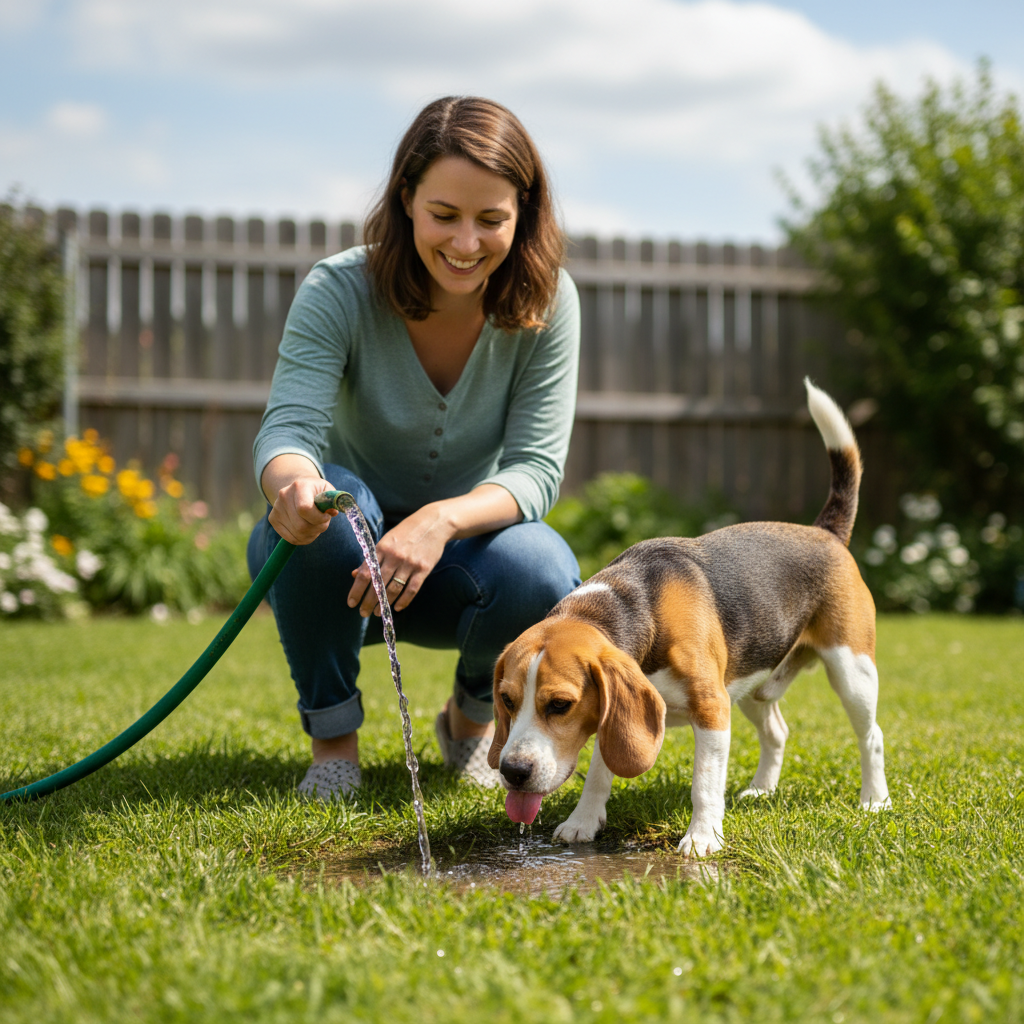
Ready to get started? Find a calm, familiar spot in your yard and keep your first session short and sweet (5-10 minutes is perfect). Let’s go!
- Step 1: Introduce the Hose (No Water Yet!): Lay the hose on the ground in your training area. Let your dog approach and sniff it at their own pace. When they calmly investigate it, praise them and give them a treat. If they are nervous, just toss treats near the hose, gradually getting closer as they get more comfortable. Repeat this until the hose is just a boring object on the ground.
- Step 2: Build a Positive Association: Pick up the hose (still off) and hold it. Reward your dog for staying calm near you while you hold it. You are teaching them that the hose in your hand is a good thing that predicts treats.
- Step 3: Introduce Gentle Water: This is a big step! Turn the water on a very low setting before calling your dog over. Hold the nozzle low to the ground and let it create a small, gentle puddle. Encourage your dog to investigate. Reward any curiosity. Don’t point it at them. The goal is for them to see the water coming from the hose without feeling pressured.
- Step 4: Encourage a Lick: Once your dog is comfortable with the puddle, create a very gentle, arcing stream of water. Smear a tiny bit of peanut butter (xylitol-free) or a lickable treat on the back of your hand and hold it in the water stream. This can encourage your dog to lick near the water. You can also try to catch a few drops on your finger and offer it to them. When they lick the water, praise them enthusiastically!
- Step 5: From Stream to Drink: As they get more confident, you can slowly and calmly raise the stream a tiny bit, always keeping it gentle and low. Encourage them to take a few laps directly from the stream. Give them a special ‘jackpot’ reward when they do! Keep it brief, then turn the water off and end the session with some play.
- Step 6: Add a Cue (Optional): Once your dog reliably drinks from the hose, you can add a verbal cue like ‘drink’ or ‘water’ right before you offer them the stream. This helps them understand what you’re asking.
Troubleshooting: When Your Pup Says ‘No Thanks!’
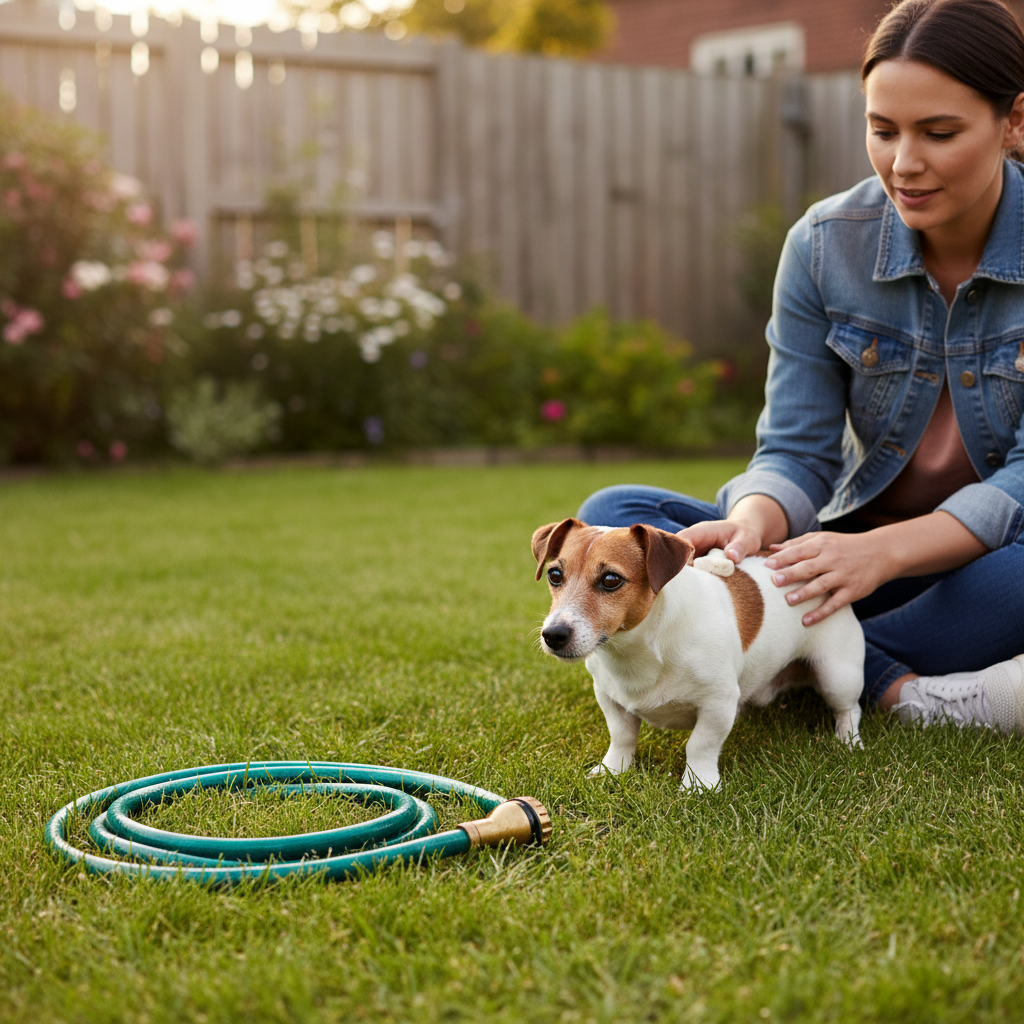
Sometimes, things don’t go exactly as planned. Don’t worry! Here’s how to handle a few common training bumps in the road.
My dog is scared of the hose.
Fear is common. Go back to Step 1 and spend much more time on it. Make the hose the most boring, treat-dispensing object in the yard for a few days before you even think about turning on the water. Never force your dog to approach it.
My dog tries to bite and attack the water stream.
For some dogs, the moving water triggers their prey drive. If this happens, lower the pressure immediately to make the stream less exciting. You want a boring, bubbling flow, not a fun, splashy jet. Reward calm behavior (like gentle licking) and redirect biting behavior by momentarily removing the water and asking for a different command, like ‘sit’.
My dog drinks way too much, way too fast.
This is a safety concern. If your dog is gulping frantically, keep drinking sessions very short. Offer the water for just a few seconds, then turn it off and praise them. You are in control of the ‘on’ switch. Think of it as offering a few sips, not an all-you-can-drink buffet.
Conclusion
Teaching your dog to drink from a hose can be a wonderful bonding experience and a practical way to keep them hydrated during your summer adventures. The keys to success are always putting safety first, moving at your dog’s pace, and keeping the entire process positive and fun. By following these steps, you’ll not only teach your dog a cool new trick but also ensure every splashy, happy moment is a safe one. Now go out there and enjoy the sunshine together!