
Stop Your Dog Chasing Bees Before They Get Stung (Urgent Guide)
There’s something about that little buzzing insect that can drive a dog bonkers. One minute they’re peacefully sniffing the grass, the next they’re snapping and pouncing at a bee. While it might look like a funny game, this chase can end in a painful sting, or even a dangerous allergic reaction. As a dog owner, it’s a heart-stopping moment, and it’s completely natural to want to put a stop to it immediately.
The good news is, you can! This isn’t about scolding your dog; it’s about understanding their instincts and redirecting them towards safer fun. This guide will walk you through the essential steps to teach your dog that bees are friends, not flying chew toys. Let’s get your pup safe and your mind at ease.
Why Do Dogs Chase Bees in the First Place?
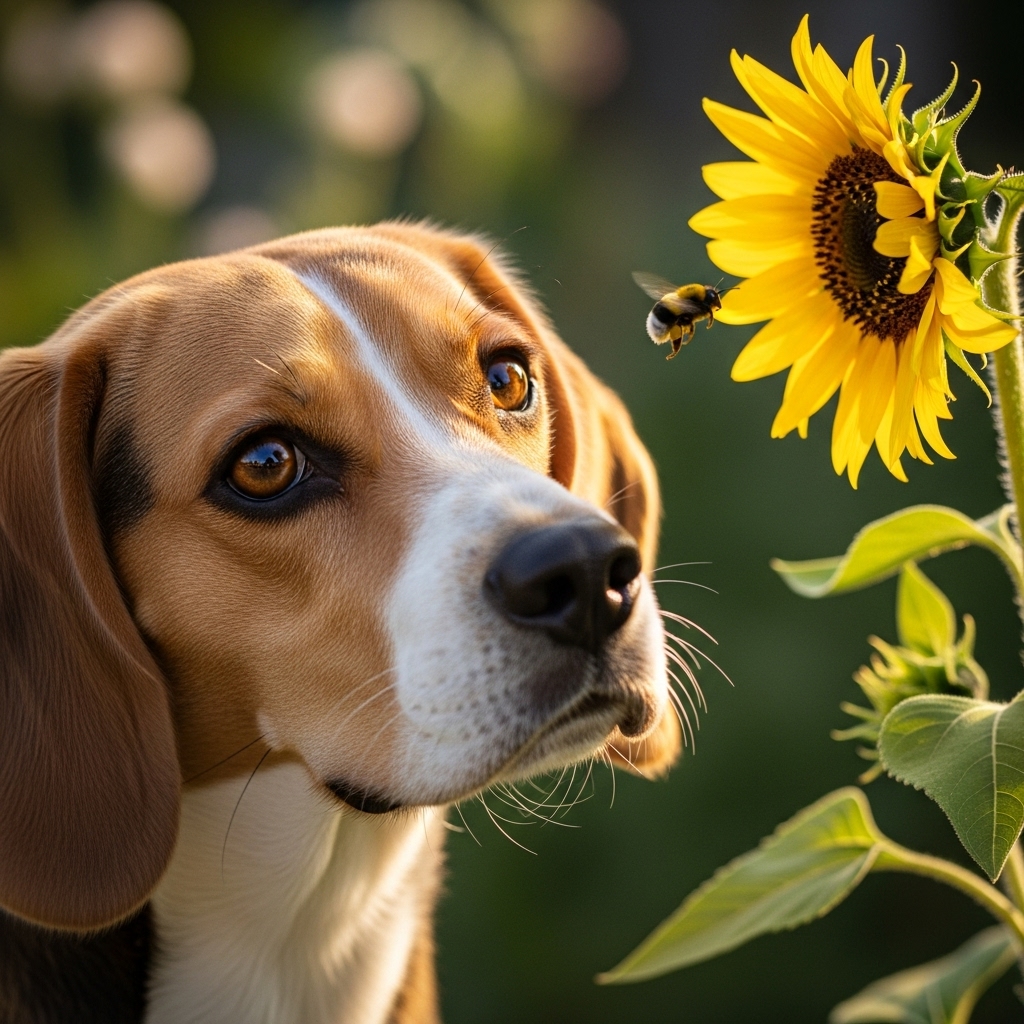
Before we can solve the problem, it helps to understand why your dog is so obsessed with these buzzing insects. It’s rarely out of aggression; it’s usually rooted in their natural instincts. Here are the main culprits:
- Prey Drive: This is the big one. Dogs are natural predators. That quick, erratic movement of a bee triggers their instinct to chase, pounce, and catch. To your dog, a bee isn’t much different from a bouncing ball or a scurrying squirrel—it’s a moving target that’s fun to pursue.
- Curiosity: Dogs explore the world with their noses and mouths. A new, interesting sound (buzzing) and sight (a flying dot) is something they simply have to investigate. Unfortunately, this investigation often involves snapping.
- Playfulness: Especially for puppies and young dogs, a bee can seem like an interactive toy that nature has provided just for them. They don’t understand the painful consequence that comes with ‘winning’ this game.
Understanding these triggers is key. Your dog isn’t being ‘bad’; they’re just being a dog. Our job is to teach them that this particular instinct can lead to a very ouchy situation and to give them a better, safer outlet for their energy.
Step 1: Master the ‘Leave It’ Command

The ‘Leave It’ command is your single most powerful tool in this situation. It’s a non-negotiable life-saving cue that tells your dog to disengage from something immediately. If your dog has a rock-solid ‘Leave It,’ you can stop a bee chase before it even begins. Here’s how to teach it using positive reinforcement:
-
Start with Something Boring:
Place a low-value treat (like a piece of their regular kibble) in one closed fist. Let your dog sniff your hand. They will likely lick and paw at it. Say ‘Leave It’ in a calm, firm voice. The moment they pull their head away, even for a second, praise them (‘Yes!’) and give them a different, much better treat from your other hand.
-
Increase the Difficulty:
Once they are reliably backing off your closed fist, place the boring treat on the floor and cover it with your hand. Say ‘Leave It.’ When they stop trying to get the treat, praise them and reward them with the high-value treat.
-
Uncover the Treat:
Now, place the boring treat on the floor, uncovered. Say ‘Leave It’ and be ready to cover it if they lunge. When they look away from the treat and up at you, reward them enthusiastically. Practice this until they automatically look at you when you give the command.
-
Generalize the Command:
Start practicing with different objects—a toy, a sock, and eventually, in a controlled outdoor setting on a leash. The goal is for ‘Leave It’ to mean ‘ignore that thing and look to me for a reward.’
Expert Tip: The key to ‘Leave It’ is that the reward for obeying is always better than the item they are leaving alone. This makes the choice easy for your dog!
Step 2: Redirect Their Attention with Better Fun
Training doesn’t stop with a single command. The next step is proactive redirection. You need to be more interesting than the bee. As soon as you see your dog lock eyes on a buzzing insect, it’s your cue to spring into action with something they love even more.
Keep a ‘bee-emergency’ kit handy, either in your pocket or by the back door. This should include:
- A High-Value Toy: This isn’t their everyday chew toy. This is the super-exciting squeaky toy or the special tug rope that only comes out for these moments.
- Delicious Treats: Small, smelly, high-value treats that you can scatter on the ground to encourage sniffing (a calming activity that redirects their focus downward).
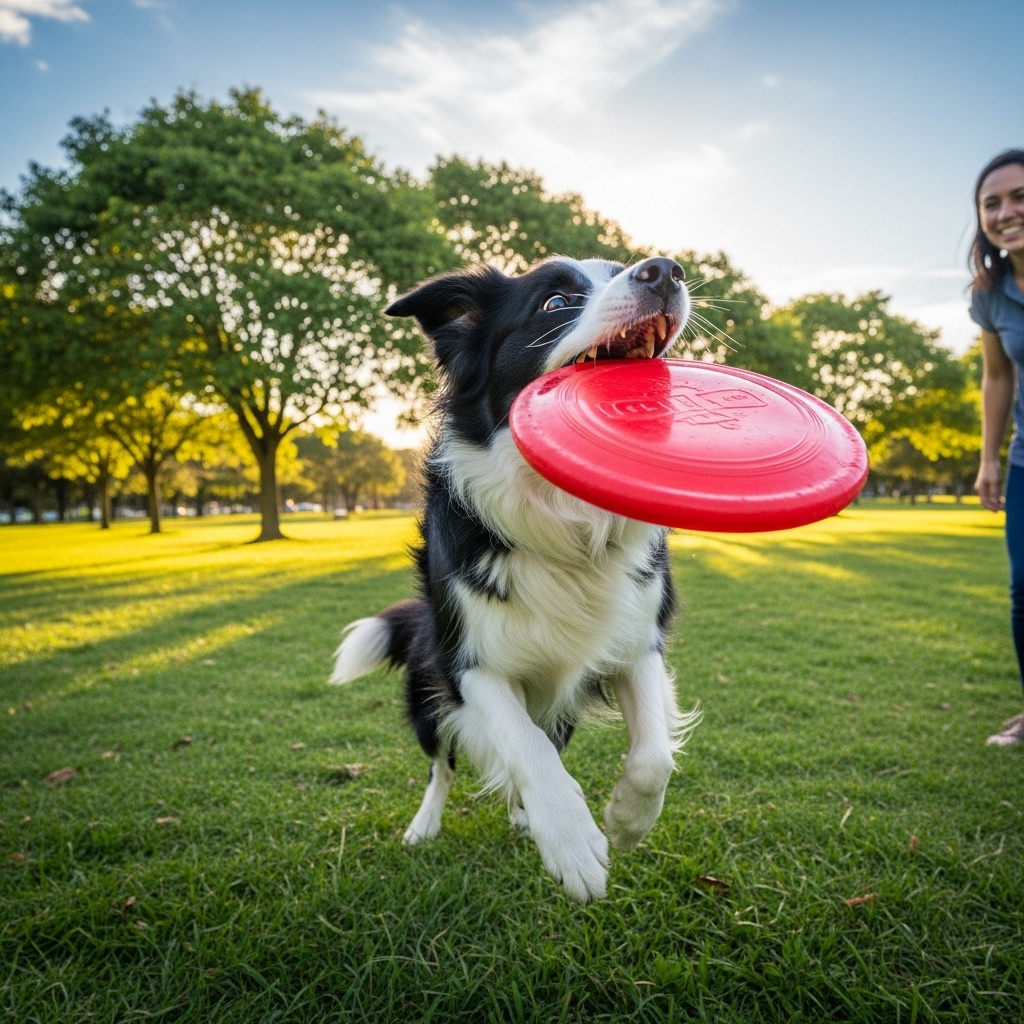
When you see the chase about to begin, call your dog’s name in an upbeat, excited voice: ‘Fido, look what I’ve got!’ and immediately engage them in a game of fetch or tug. Make the alternative so much fun that they forget all about the bee. This teaches them that looking away from the bee and towards you brings amazing things.
Step 3: Manage Your Yard to Minimize Encounters

While you’re working on training, you can also make your yard a less attractive place for bees. This reduces the number of times you’ll even need to use your new skills. This is about prevention, not elimination—bees are vital pollinators, after all!
- Plant Bee-Repellent Herbs: Many plants that smell wonderful to us are disliked by bees. Consider planting pots of mint, citronella, eucalyptus, or wormwood around your patio and play areas.
- Maintain Your Lawn: Clover and dandelions are a major food source for bees. Keeping your lawn mowed regularly can reduce the attraction.
- Check for Nests: Regularly inspect your yard for ground nests, as well as hives in trees, under eaves, or in sheds. If you find one, call a professional pest control service for safe removal. Do not attempt to remove it yourself.
- Manage Water Sources: Bees get thirsty, too! Fix leaky outdoor faucets and empty any sources of standing water where they might gather for a drink.
Emergency Plan: What to Do If a Sting Happens

Even with the best training, accidents can happen. Knowing what to do in the moment is critical for your dog’s safety. Stay calm and follow these steps.
- Remove the Stinger: If the stinger is still in the skin, scrape it out with a credit card or your fingernail. Do not use tweezers, as squeezing can inject more venom.
- Soothe the Area: Apply a cold compress or an ice pack wrapped in a towel to the area for 10 minutes to reduce swelling. A paste of baking soda and water can also help soothe the sting.
- Administer an Antihistamine (With Vet Approval): NEVER give your dog any medication without first consulting your veterinarian for the correct type and dosage. Call them and ask if it’s safe to give your dog an over-the-counter antihistamine like Benadryl (diphenhydramine).
- Watch for Allergic Reactions: Mild swelling at the sting site is normal. However, a severe allergic reaction (anaphylaxis) is a life-threatening emergency.
URGENT: Go to the nearest emergency vet immediately if you see any of these signs: Severe swelling around the face, neck, or throat; difficulty breathing or wheezing; hives on the body; drooling; vomiting or diarrhea; weakness or collapse.
Conclusion
Stopping your dog from chasing bees is all about patience, consistency, and providing better alternatives. By mastering the ‘Leave It’ command, learning to redirect their attention, and making your yard a safer space, you can significantly reduce the risk of a painful sting. Remember that you’re not just stopping a bad habit—you’re teaching your dog a vital safety skill that protects them from harm. Stay consistent, keep training sessions positive and fun, and you and your furry friend can go back to enjoying the backyard, worry-free.