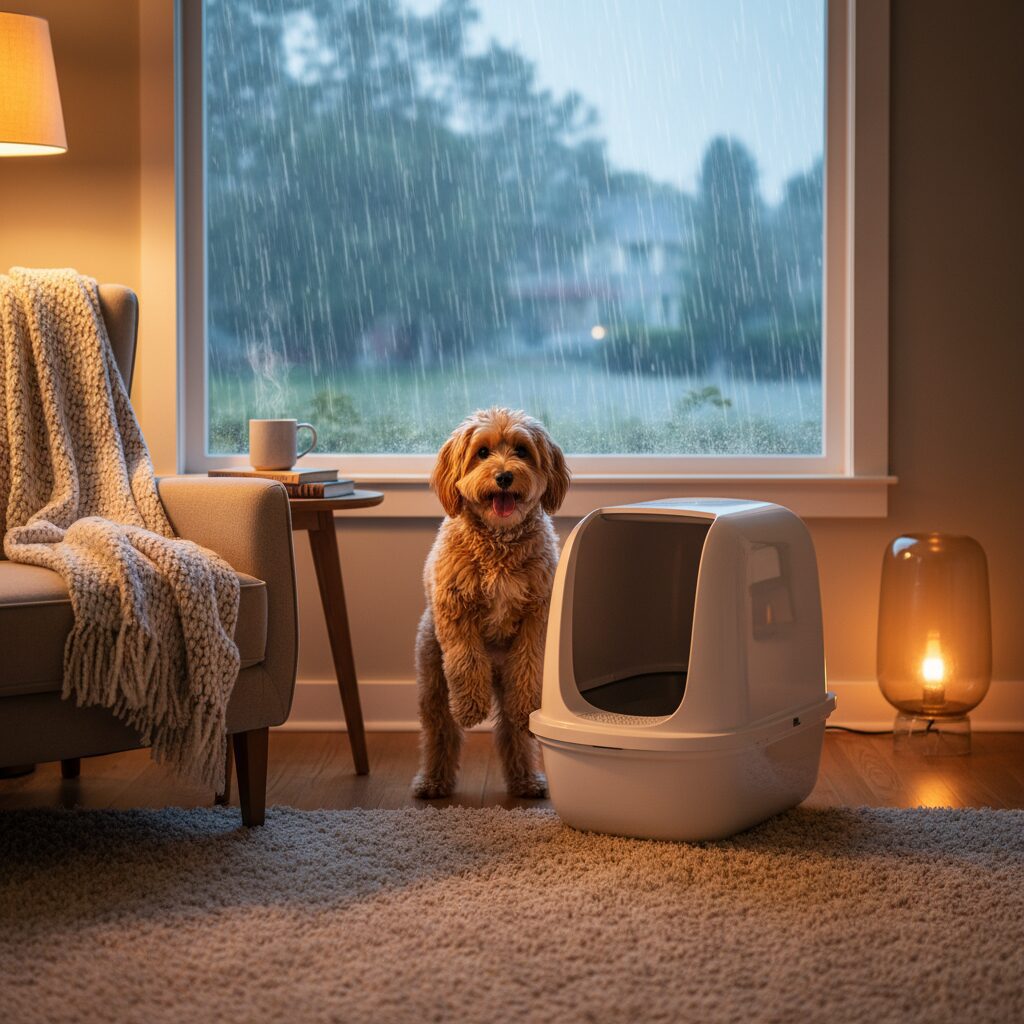
Stop Walking in the Rain: How to Litter Train Your Dog in 5 Days
For many dog owners, the daily walk is a joy—until the skies open up, the temperature drops below freezing, or mobility issues make navigating stairs difficult. While cats are the traditional users of indoor litter boxes, canine litter training is a viable, sanitary, and increasingly popular option, particularly for small breeds, puppies, and senior dogs living in apartments. This method offers flexibility and comfort for both the pet and the owner.
Transitioning a dog to an indoor potty system requires patience, consistency, and a clear understanding of canine psychology. Unlike cats, who have an instinctual drive to bury their waste, dogs must be taught that the box is an acceptable elimination zone. However, with a structured approach, most dogs can grasp the concept relatively quickly. In this guide, we will outline a professional, five-day protocol designed to teach your dog to use a litter box reliably, ensuring you can stop walking in the rain and start enjoying a cleaner, more convenient routine.
Phase 1: Gathering the Essential Tools
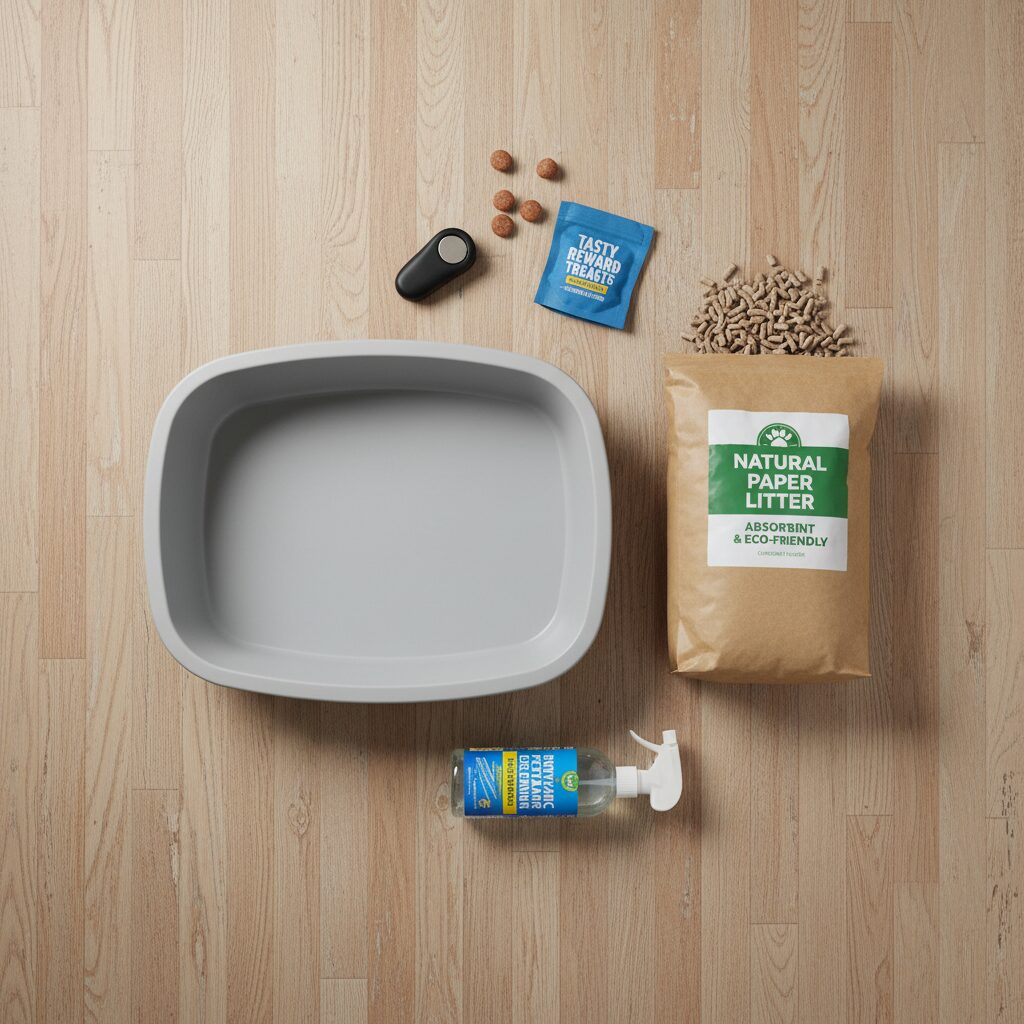
Before beginning the five-day countdown, you must establish the right environment. Using the wrong equipment is the primary reason for failure in litter training. Dogs require different substrates and spatial setups than cats.
The Litter Box
Choose a box specifically designed for dogs. It should be large enough for your dog to turn around in comfortably. For male dogs who lift their legs, a box with high sides or a splash guard is necessary. However, ensure the entry point is low enough for easy access.
The Substrate (Litter)
Do not use standard clay clumping cat litter. It can be harmful if ingested and is often dusty. Instead, opt for:
- Paper Pellets: Highly absorbent and distinct from rugs or floors.
- Real or Artificial Grass: Excellent for dogs already used to going outside.
- Pee Pads in a Holder: A simple alternative, though some dogs may try to shred the pads.
You will also need an enzymatic cleaner to remove accidents completely, ensuring the dog is not drawn back to soil the wrong spot, and high-value treats to reinforce the behavior.
Days 1-2: Introduction and Positive Association
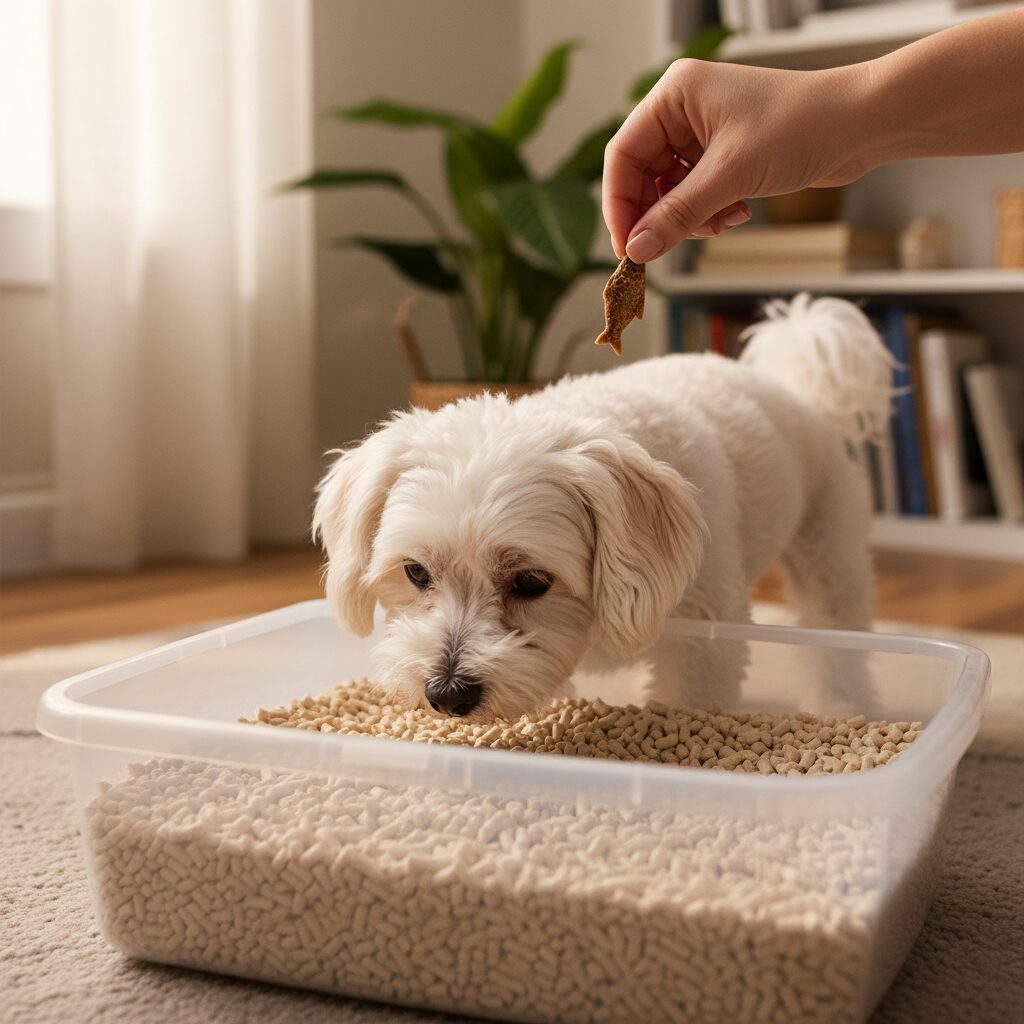
The first two days are about creating a positive emotional response to the new object in their environment. Do not force the dog into the box, as this can create fear.
Step 1: Exploration
Place the box in a designated, low-traffic area (like a bathroom or laundry room). Encourage your dog to investigate it. Whenever they sniff or step into the box, mark the behavior with a “Yes!” or a clicker, and immediately reward them with a treat.
Step 2: Scent Transfer
If your dog has an accident elsewhere or goes potty outside, take a paper towel soaked in their urine or a small piece of solid waste and place it inside the litter box. This utilizes the dog’s natural instinct to eliminate where they smell previous bathroom activity. During these first 48 hours, supervise your dog closely. If you see pre-potty signs (circling, sniffing), gently guide them to the box.
Days 3-4: Active Training and Confinement
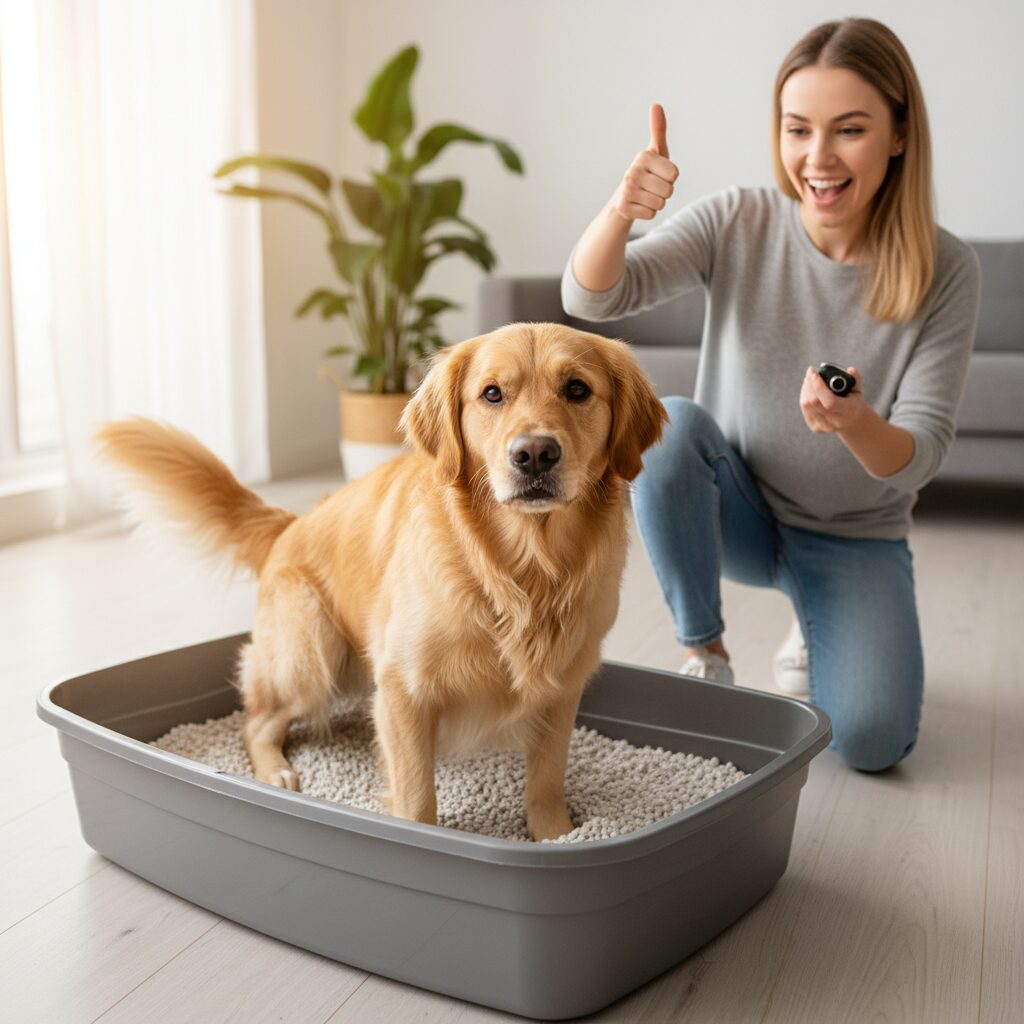
By day three, you will move from passive association to active training. This phase requires strict supervision and management of the dog’s freedom.
The Confinement Strategy
When you cannot actively watch your dog, they should be in a crate or a playpen attached to the litter box area. This prevents accidents around the house and encourages them to use the only available option—the box.
The “Go Potty” Command
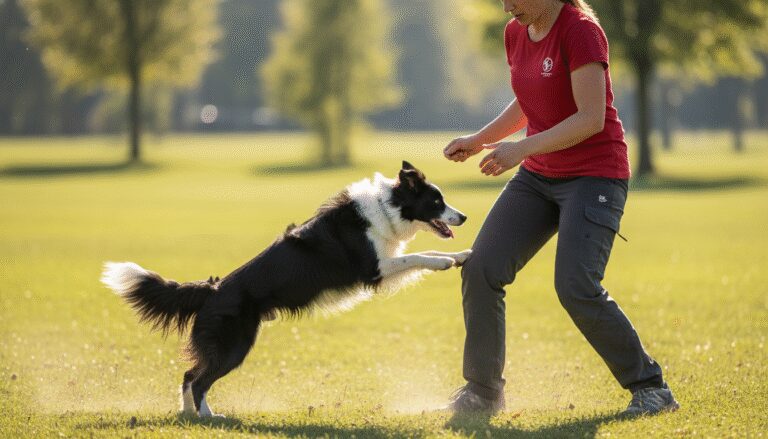
Wait for times when your dog naturally needs to go (after waking up, after eating, or after play). Lead them to the box and use your cue word, such as “Go Potty” or “Park.” Be boring and patient. Do not play with them.
The moment they begin to eliminate:
- Wait quietly until they finish.
- Immediately mark with “Yes!”
- Throw a “party” with praise and high-value treats.
If they do not go after 5-10 minutes, return them to their crate or playpen for 15 minutes, then try again. Repeat this cycle until success is achieved.
Day 5: Transition and Reliability Testing

On the fifth day, your goal is to test the dog’s understanding while slowly increasing their freedom. The dog should now understand that the box is the place to do business.
Expanding Freedom
Allow the dog access to the room where the box is located, but keep doors to other rooms closed. Watch for the signal that they need to go. If they head toward the box independently, let them proceed. If they successfully use it without prompting, reward heavily.
Handling Accidents
If an accident occurs on Day 5, do not punish the dog. Punishment only teaches the dog to hide their waste from you. Instead, interrupt them with a sharp “Ah-ah!” if you catch them in the act, and immediately move them to the box. Clean the accident spot thoroughly with your enzymatic cleaner to erase the scent data.
Troubleshooting Common Challenges
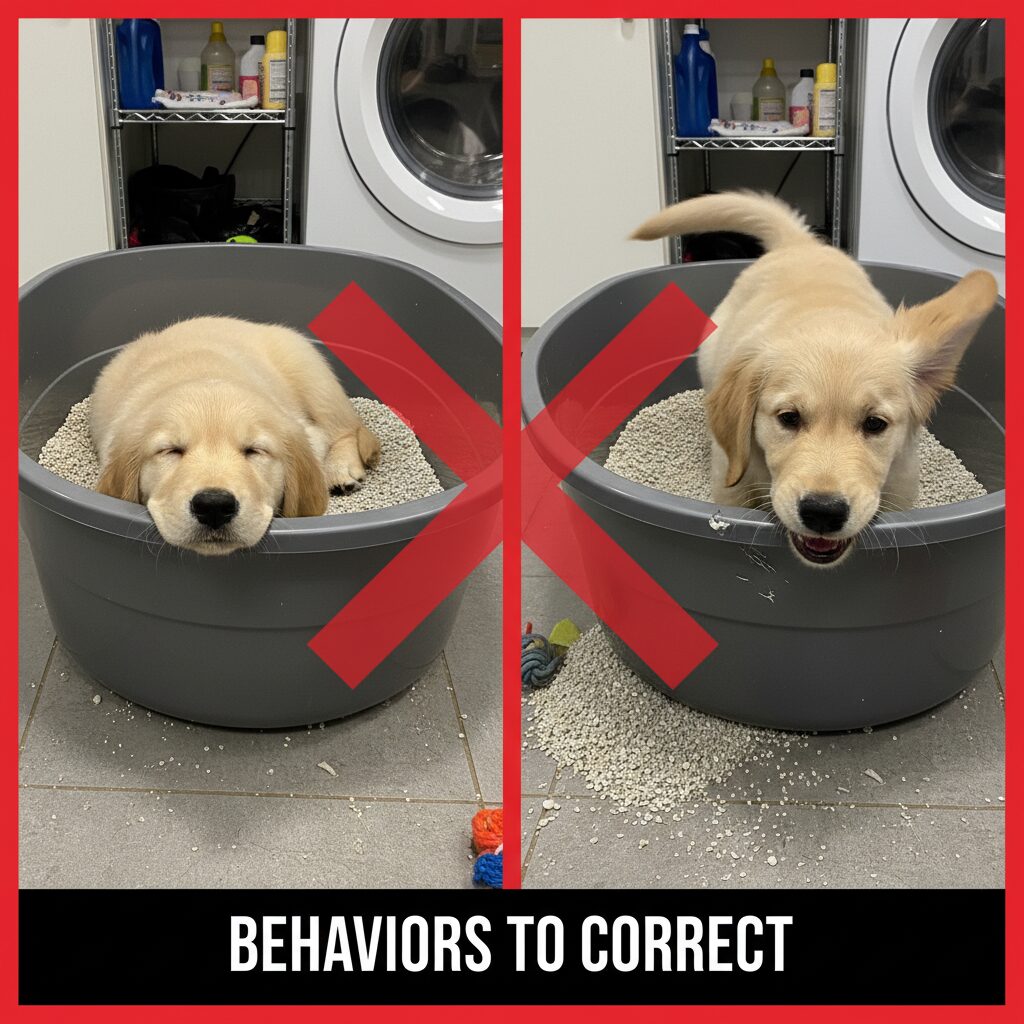
Even with a perfect five-day plan, behavioral hiccups can occur. Here is how to address the most common issues professional trainers encounter.
The Dog Sleeps in the Box
This is common with crate-trained dogs who like enclosed spaces. If this happens, the box may be too clean, or the dog may be confused. Ensure they have a separate, highly comfortable bed nearby. Gently redirect them to their bed if they lay in the litter.
The Dog Eats the Litter
If your dog treats the paper pellets as a snack, you must switch substrates immediately. Artificial grass or a grate system (where urine falls through to a pad below) are safer alternatives for chewers. Always ensure the dog is not bored; increase mental stimulation with puzzle toys outside of training time.
Missing the Target
If the dog stands in the box but eliminates over the edge, the box is likely too small. Upgrade to a larger size or a high-sided storage bin with a cut-out entry. This ensures that even if their aim is off, the waste stays contained.
Embracing a Weather-Proof Routine
Litter training your dog in five days is an ambitious but achievable goal that yields a lifetime of convenience. While some dogs may require a few extra days to fully solidify the habit, the foundation built during this period is critical. Remember that consistency is the key to canine learning. By maintaining a strict schedule, keeping the box clean, and rewarding success enthusiastically, you provide your dog with a clear understanding of what is expected. Enjoy the freedom of staying dry during storms and the peace of mind knowing your dog has a comfortable, accessible place to go whenever nature calls.