Stop the Car Barking: Desensitizing Dogs to Windshield Wipers in 3 Steps
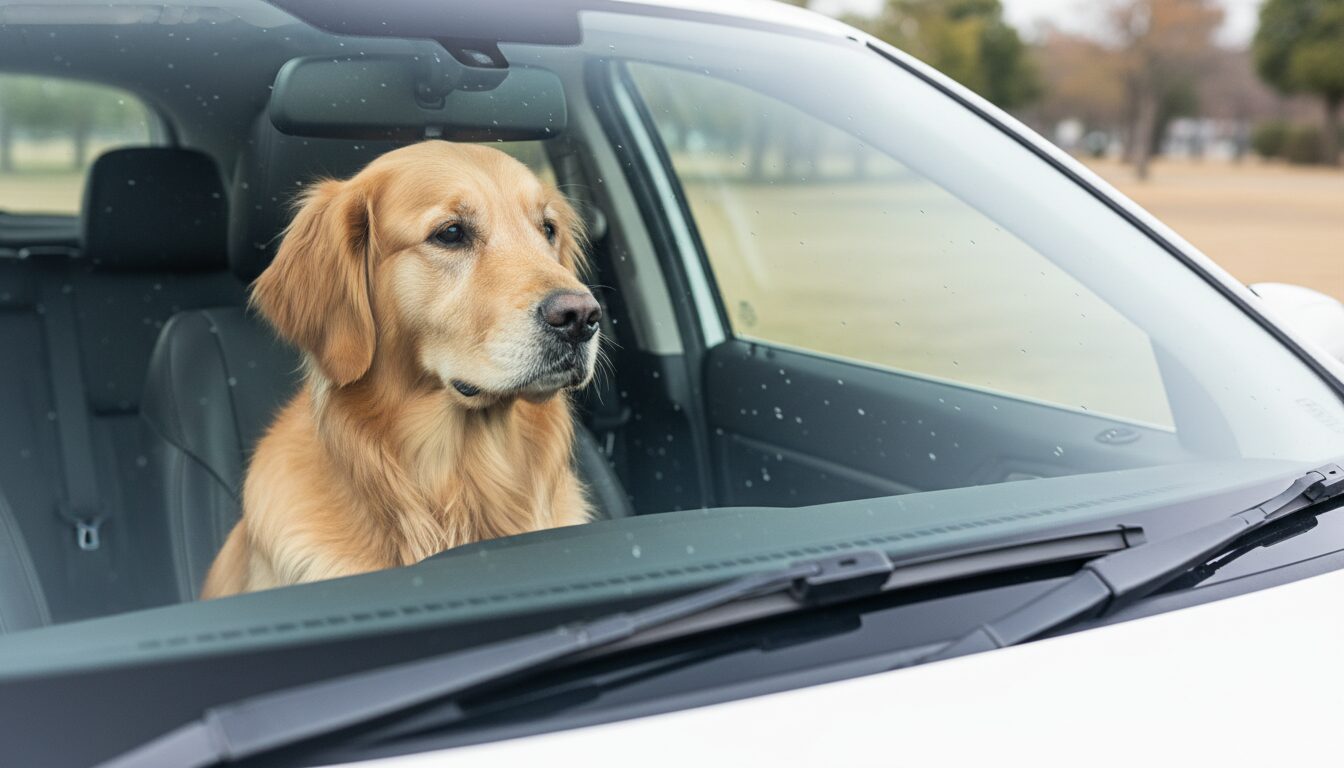
For many dog owners, a peaceful drive turns into chaotic noise the moment it starts to rain. The rhythmic swish-swish of windshield wipers can trigger an intense reaction in dogs, ranging from excited barking to lunging at the glass. This behavior, while frustrating, is often rooted in a dog’s natural prey drive or barrier frustration. The moving wipers mimic the movement of prey, triggering an instinctual urge to chase or catch, which is thwarted by the windshield glass.
As a canine specialist, I emphasize that this is not just a nuisance; it is a safety hazard. A distracted driver and an agitated dog are a dangerous combination on wet roads. Fortunately, this behavior can be modified using systematic desensitization and counter-conditioning. By changing your dog’s emotional response to the wipers from excitement or aggression to calmness, you can reclaim the tranquility of your commute.
In this guide, we will move through a structured, three-step protocol designed to lower your dog’s arousal levels and teach them that the movement of the wipers predicts good things, not a battle to be fought.
Understanding the Trigger and Preparation
Before we begin the active training steps, it is crucial to understand why your dog reacts. For most canines, the wipers represent a visual trigger that stimulates the predatory sequence: eye-stalk-chase-bite. Because they cannot complete the sequence (catch the wiper), frustration builds, resulting in barking and lunging.
Tools You Will Need
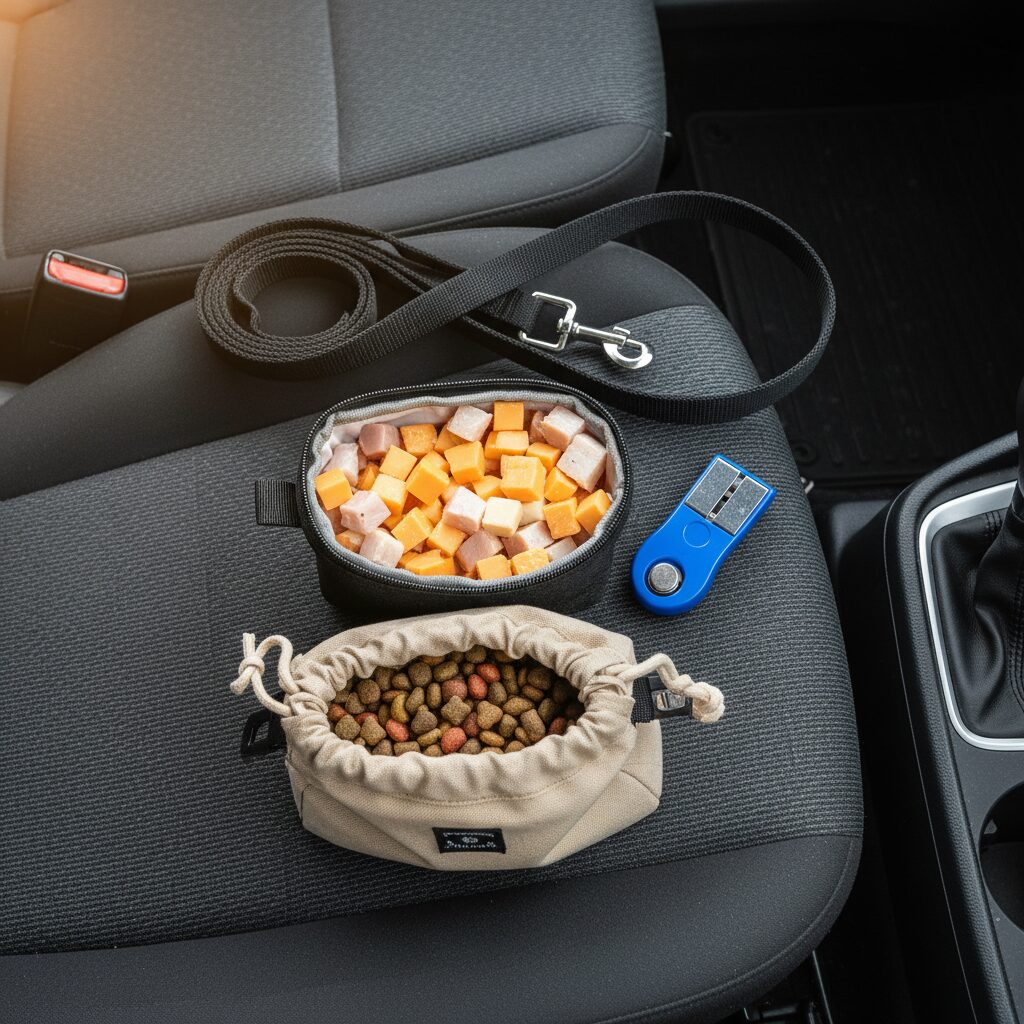
To successfully modify this behavior, you cannot rely on dry kibble. You need high-value rewards that can compete with the stimulation of the moving wipers. Gather the following:
- High-Value Treats: Small pieces of boiled chicken, cheese, or freeze-dried liver.
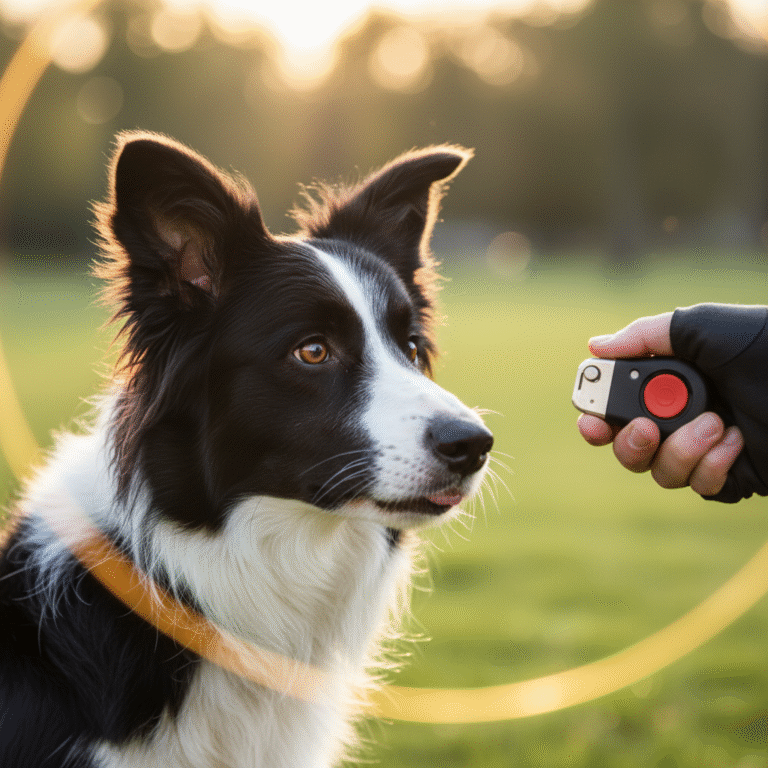
- A Clicker or Marker Word: A consistent sound (like “Yes!”) to mark the exact moment of calm behavior.
- A Parked Vehicle: All initial training must happen in a stationary car to ensure safety.
- A Helper (Optional but Recommended): Having someone else control the wipers while you focus on the dog can accelerate the process.
Step 1: The Stationary Introduction (Engine Off)
The first step involves removing as many stimulating layers as possible. The sound of the wiper motor and the vibration of the engine often compound the visual trigger. We will start with just the visual movement.
The Process
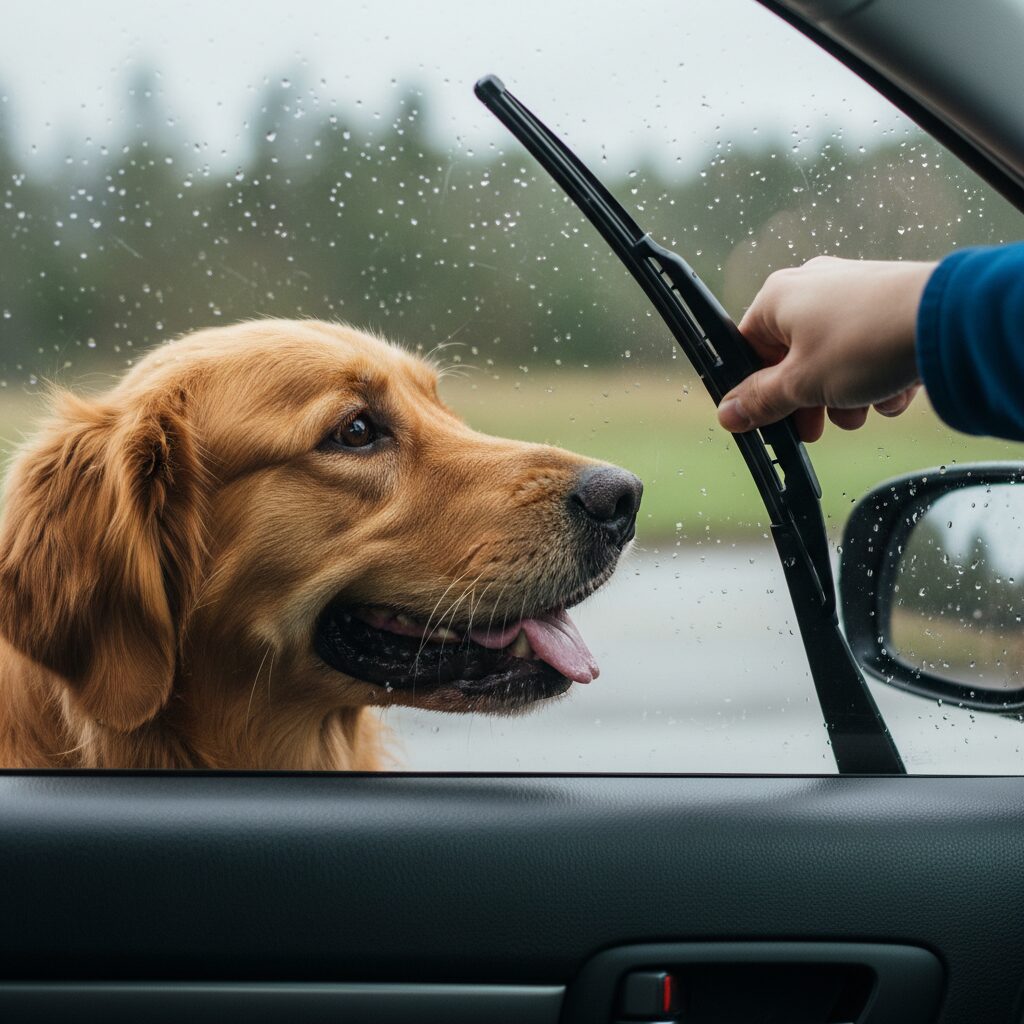
Sit in the car with your dog with the engine off. If you have a helper, have them stand outside and manually lift the wiper blade slightly, or move it across the windshield very slowly by hand. If you are alone, you can simply touch the wiper control stalk without turning it fully on (if your car allows) or tap the glass near the wiper.
The Action: As soon as the wiper moves or is touched, mark the behavior with your clicker or “Yes!” and immediately deliver a treat. The goal is to create a positive association: Wiper movement equals chicken.
Repeat this 10 to 20 times. If your dog barks, you have moved too fast. Wait for them to settle, and try a smaller movement. We want to keep the dog “under threshold,” meaning they notice the trigger but are not reacting to it.
Step 2: Adding Power and Sound
Once your dog is consistently looking at you for a treat when the wiper moves manually, it is time to introduce the mechanical element. This step adds the sound of the motor and the rhythmic motion.
The Process
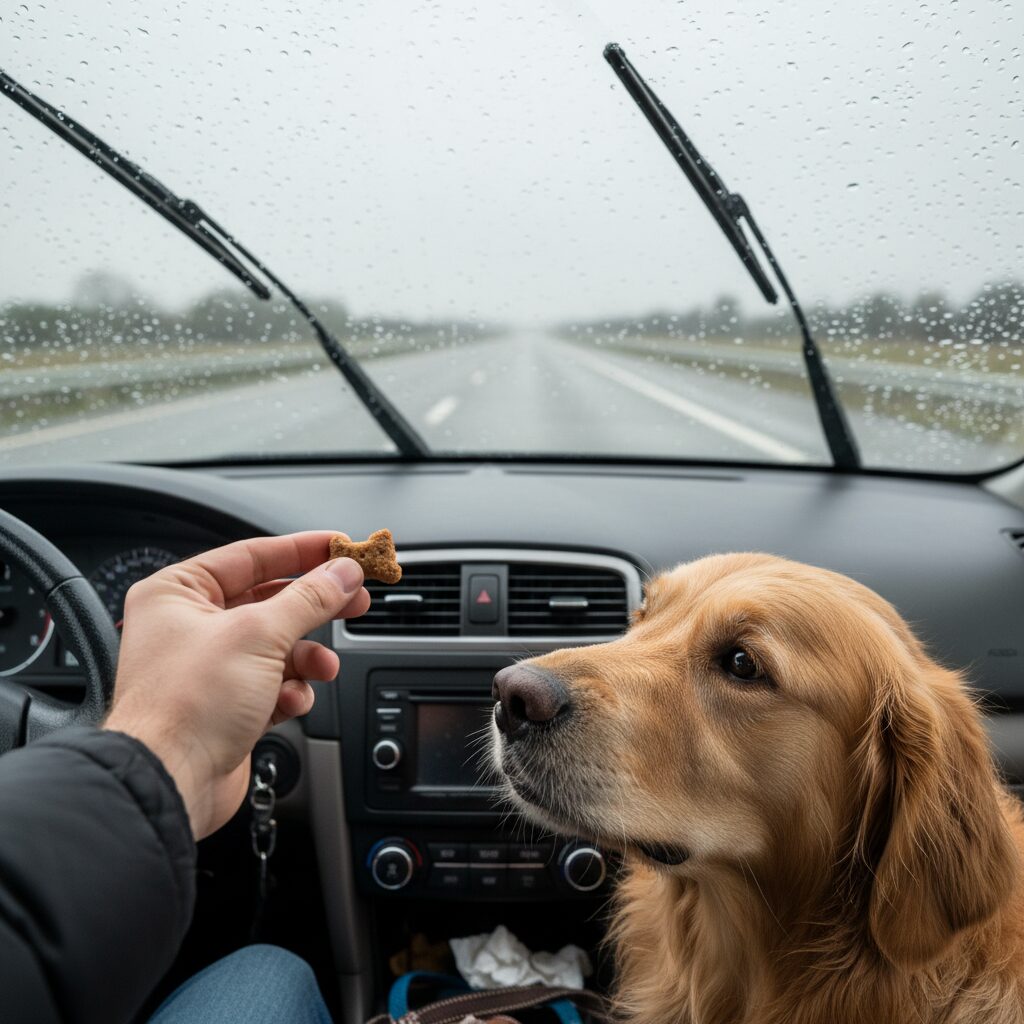
Turn the car’s battery on (engine can remain off if possible to reduce vibration, or on if necessary). Set the wipers to the lowest intermittent setting—do not use the continuous high-speed setting yet.
- Timing is Key: The moment the wiper starts to move, say “Yes!” and feed a steady stream of treats.
- Stop the Flow: When the wipers stop moving (between intervals), stop feeding. This teaches the dog that the presence of the wiper movement is what causes the food to appear.
If your dog begins to bark, turn the wipers off immediately. Wait for calm, then try again. You may need to increase the distance by having the dog in the back seat or even outside the car looking in, gradually moving them closer to the front seat as they succeed.
Step 3: Generalizing to the Moving Vehicle
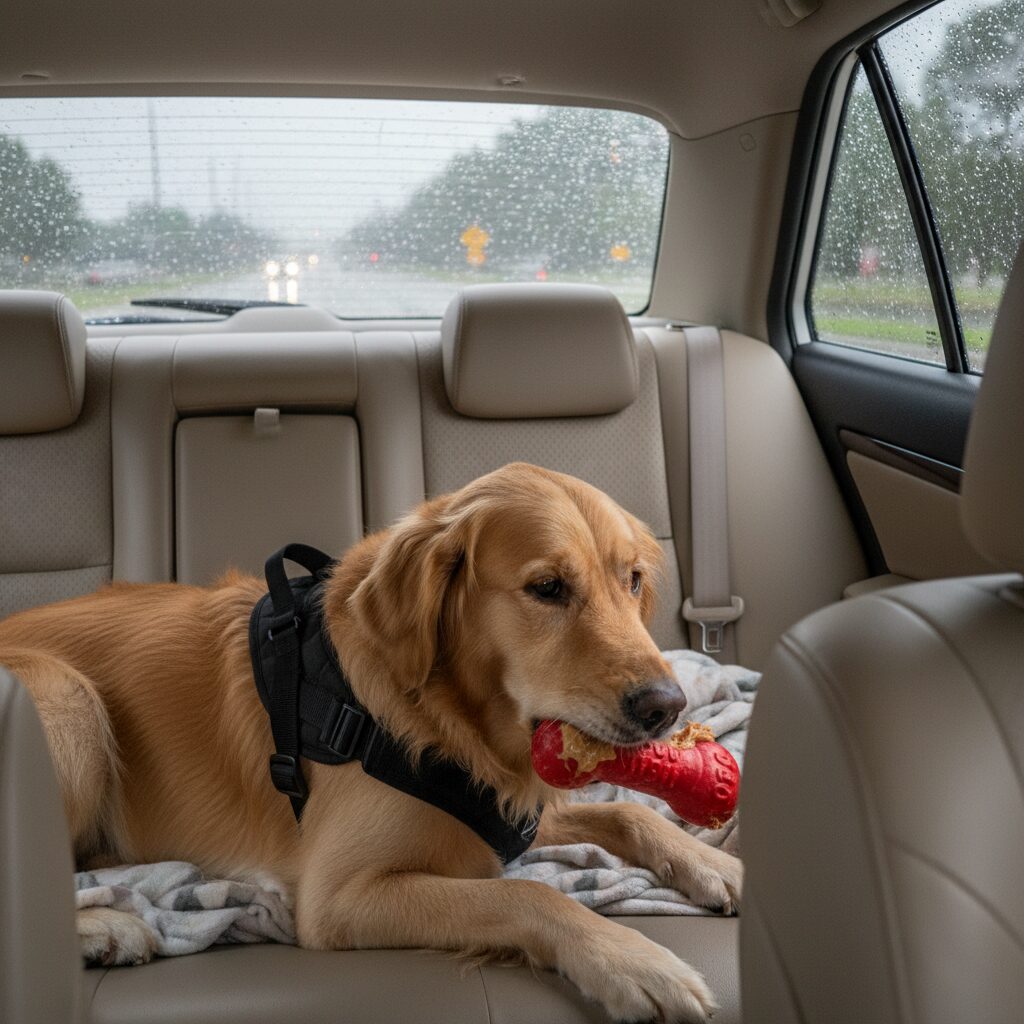
The final step is the most difficult because it adds the environment of a moving car. Do not attempt this on a busy highway. Start in a driveway or an empty parking lot.
The Process
Start driving slowly. Turn the wipers on for a single swipe. If your dog remains quiet, mark and reward (or have your passenger reward). Gradually increase the duration the wipers are on.
Pro Tip: For solo drivers, this is where a long-lasting chew or a stuffed food toy comes in handy. Before you start driving in the rain, provide a high-value chew toy. This gives the dog an incompatible behavior—they cannot bark and chew simultaneously. If they stop chewing to bark at the wipers, pull over safely and reset. Do not yell, as this adds chaotic energy to an already tense situation.
Troubleshooting and Common Mistakes
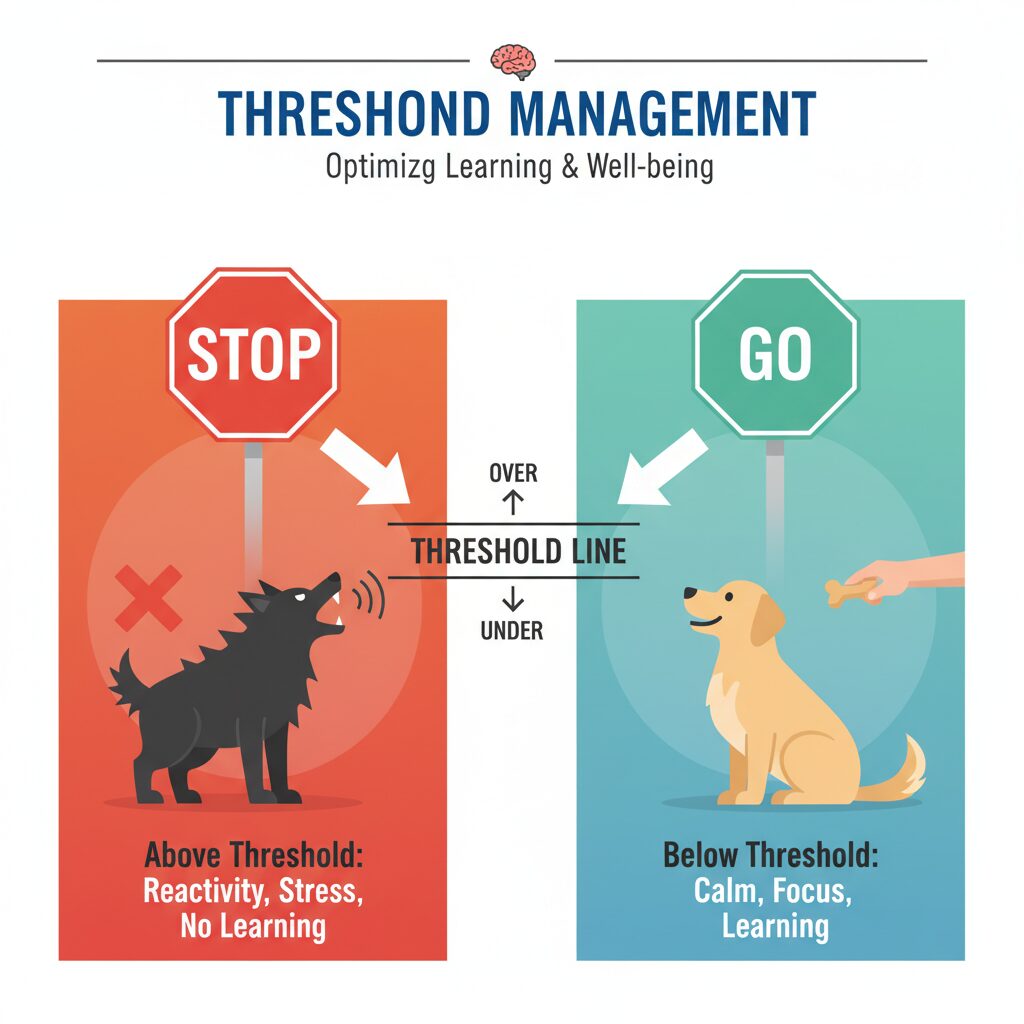
Even with the best planning, setbacks occur. Here are common pitfalls to avoid during this training protocol:
- Moving Too Fast: The most common mistake is rushing from Step 1 to Step 3 in a single session. Desensitization takes days or weeks, not minutes. If the dog reacts, you have pushed too far. Go back to the previous step.
- Poisoning the Cue: Never use the wipers to “tease” the dog. Only turn them on when you are prepared to train and reward.
- Inconsistent Rewards: During the learning phase, every single wiper movement must be paired with a reward. Intermittent reinforcement comes much later, once the behavior is fully proofed.
If your dog’s reaction is severe (obsessive spinning, biting the glass, inability to take food), consult with a board-certified veterinary behaviorist, as medication may be required to lower anxiety levels enough for learning to take place.
Conclusion
Desensitizing a dog to windshield wipers requires patience, consistency, and a clear understanding of canine learning theory. By breaking the trigger down into manageable components—visual movement, sound, and context—you can help your dog overcome their drive to attack the glass.
Remember, the goal is safety. A dog that ignores the wipers allows you to focus on the road, keeping everyone in the vehicle safe. Stick to the protocol, keep your training sessions short and positive, and you will eventually be able to drive through the rain in peace.