Stop The Attack! How To Teach Your Dog To Ignore The Vacuum Instantly
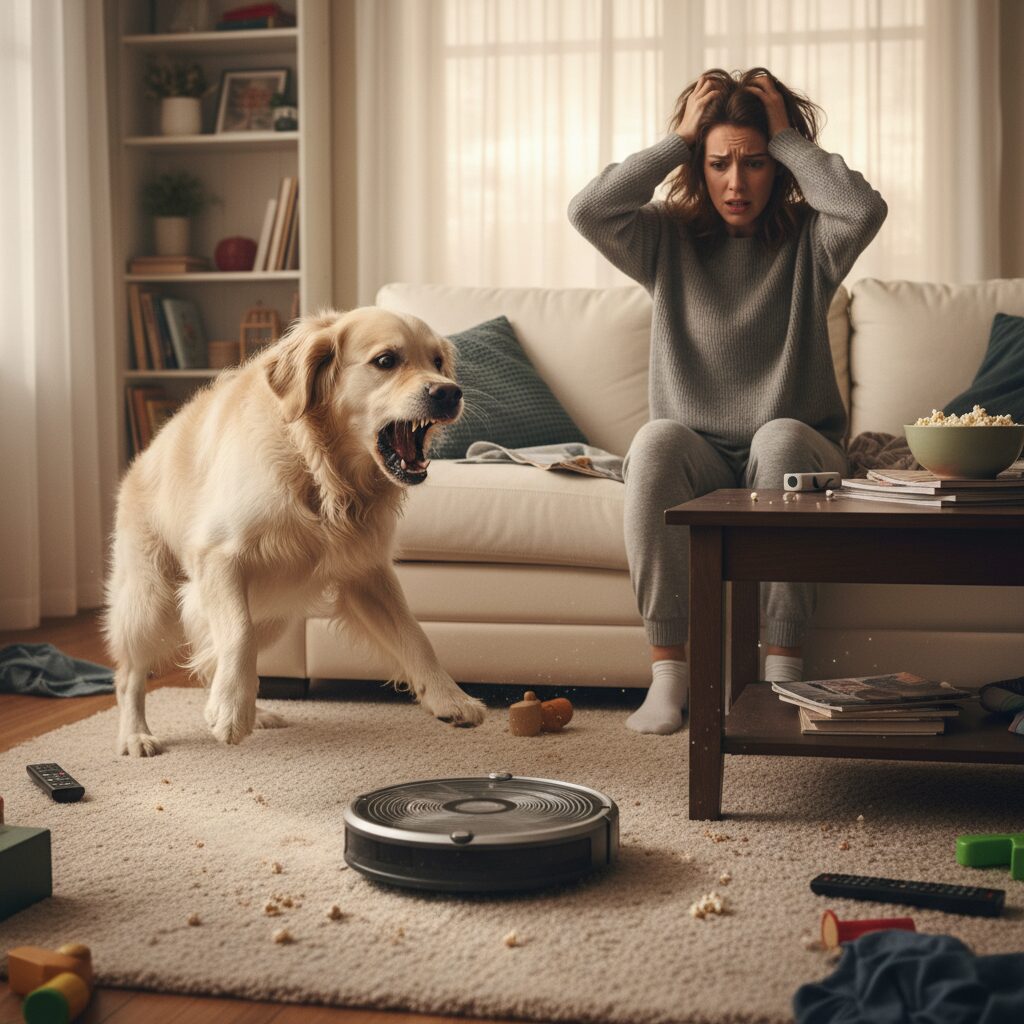
For many dog owners, the simple act of cleaning the floors signals the start of a chaotic battle. You open the closet, reach for the handle, and before the machine is even plugged in, your dog transforms. Whether it is fear-based barking, prey-drive lunging, or herding behavior nipping at the wheels, a dog attacking the vacuum is a common, yet stressful, behavioral issue. It turns a ten-minute chore into an ordeal that spikes cortisol levels for both you and your pet.
Understanding why this happens is the first step toward a solution. To a dog, a vacuum is a loud, growling beast that moves unpredictably and invades their territory. It stimulates their predatory drift or triggers a profound noise phobia. However, this behavior is not permanent. With the right desensitization tools and a structured training approach, you can change your dog’s emotional response from aggression to indifference. In this guide, we will walk through the professional methods to help your dog ignore the vacuum instantly and permanently.
Understanding the Trigger: Why Dogs Hate Vacuums
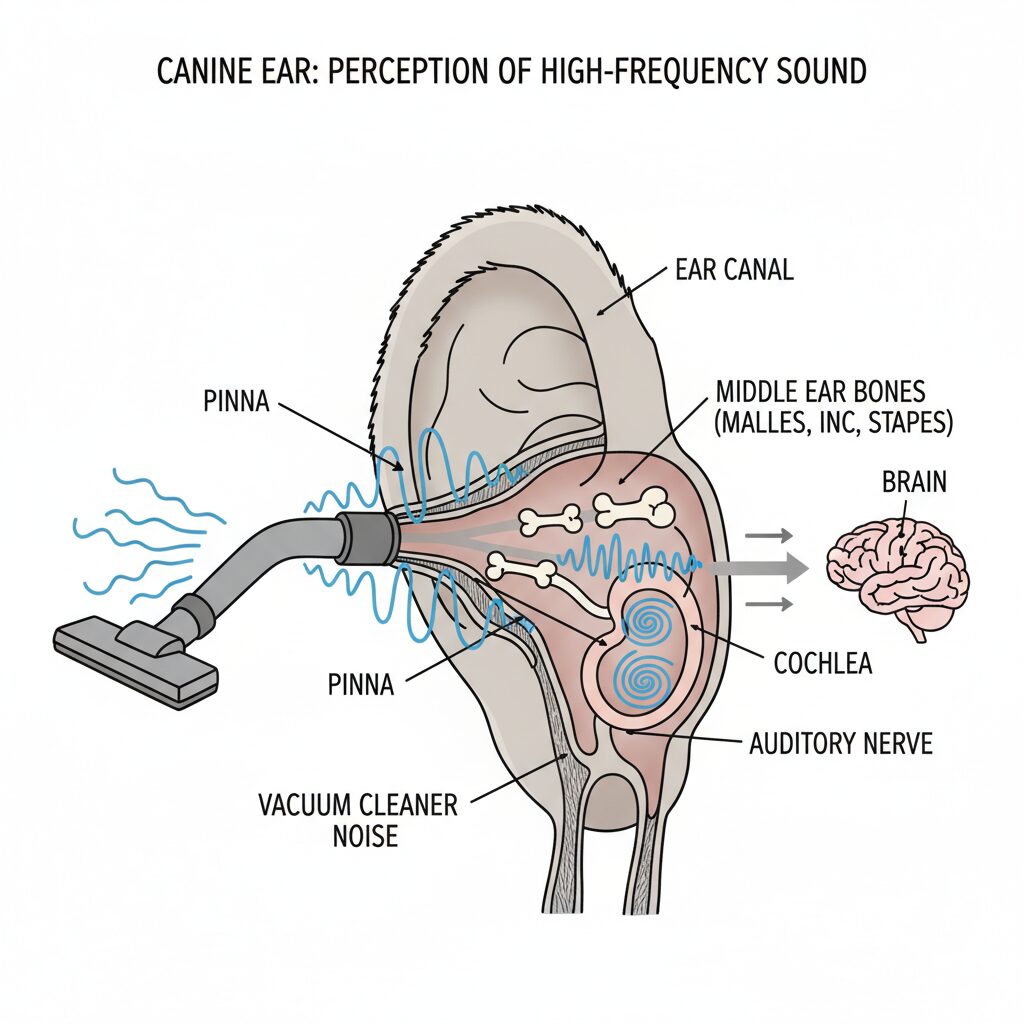
To stop the behavior, we must first understand the root cause. Most dogs attack vacuums for one of three reasons: fear, herding instinct, or play. The vacuum cleaner presents a unique sensory overload for canines.
The Sensory Assault
Dogs have significantly more sensitive hearing than humans. The mechanical whine of a vacuum motor often emits high-frequency sounds that we cannot hear but are piercing to a dog. Combined with the low-frequency rumble of the suction, it creates an acoustic threat.
Predatory and Herding Instincts
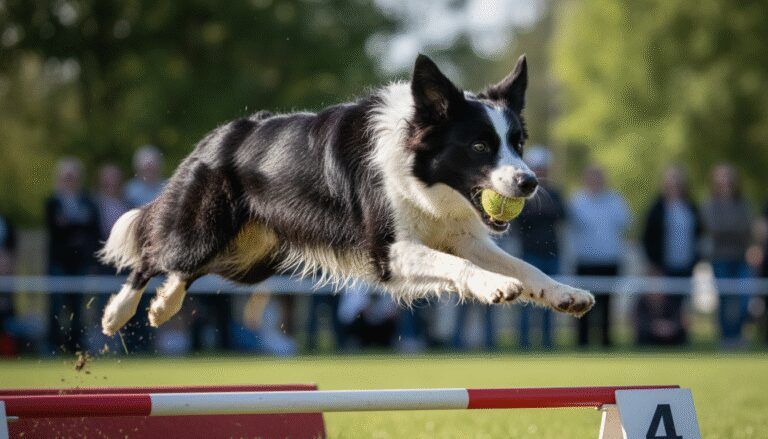
Visually, the vacuum moves in a way that mimics prey—it starts and stops, changes direction abruptly, and moves across the floor. For herding breeds like Border Collies or Shepherds, the instinct to control this moving object is overwhelming. They may nip at the wheels or the cord in an attempt to ‘herd’ the machine into submission. Recognizing whether your dog is acting out of fear (tail tucked, ears back) or confidence (tail up, forward stance) will help tailor your training approach.
Preparation: Tools You Need for Success
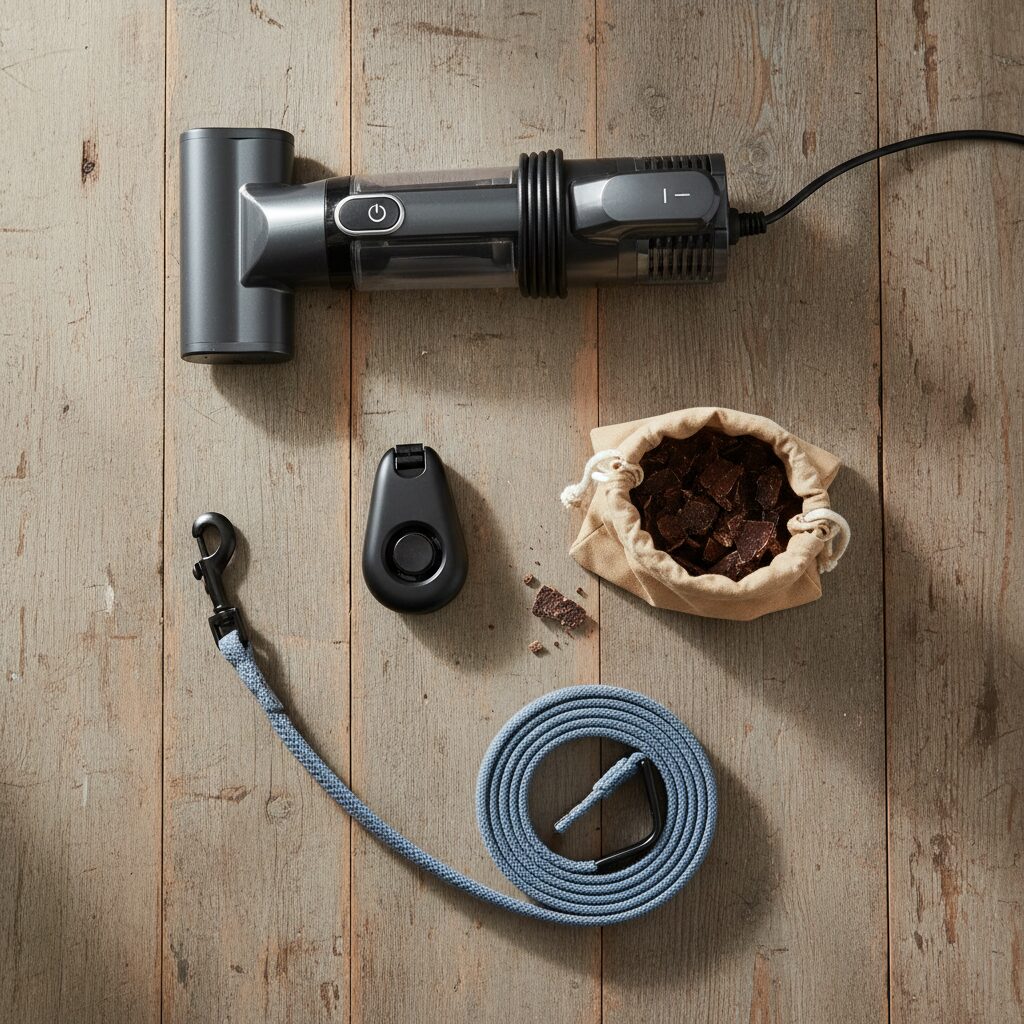
Before you begin the desensitization process, you need to set the stage. Attempting to train while you are actually trying to clean the house will fail; training sessions must be dedicated solely to the dog.
- High-Value Treats: Dry kibble will not work here. You need something that smells stronger than the vacuum is scary. Boiled chicken, freeze-dried liver, or cheese are excellent options.
- A Clicker or Marker Word: This helps mark the exact moment your dog makes the right choice (ignoring the machine).
- A Leash: For safety and control, keep your dog on a leash during the initial stages to prevent them from rehearsing the attack behavior.
- The Vacuum: Your training tool.
Ensure the environment is calm. Remove other pets from the room so you can focus entirely on the dog you are training.
Step-by-Step Guide: The Desensitization Process

The goal is to change your dog’s emotional association with the vacuum from negative to positive. We do this through a process called counter-conditioning.
Step 1: The Silent Statue
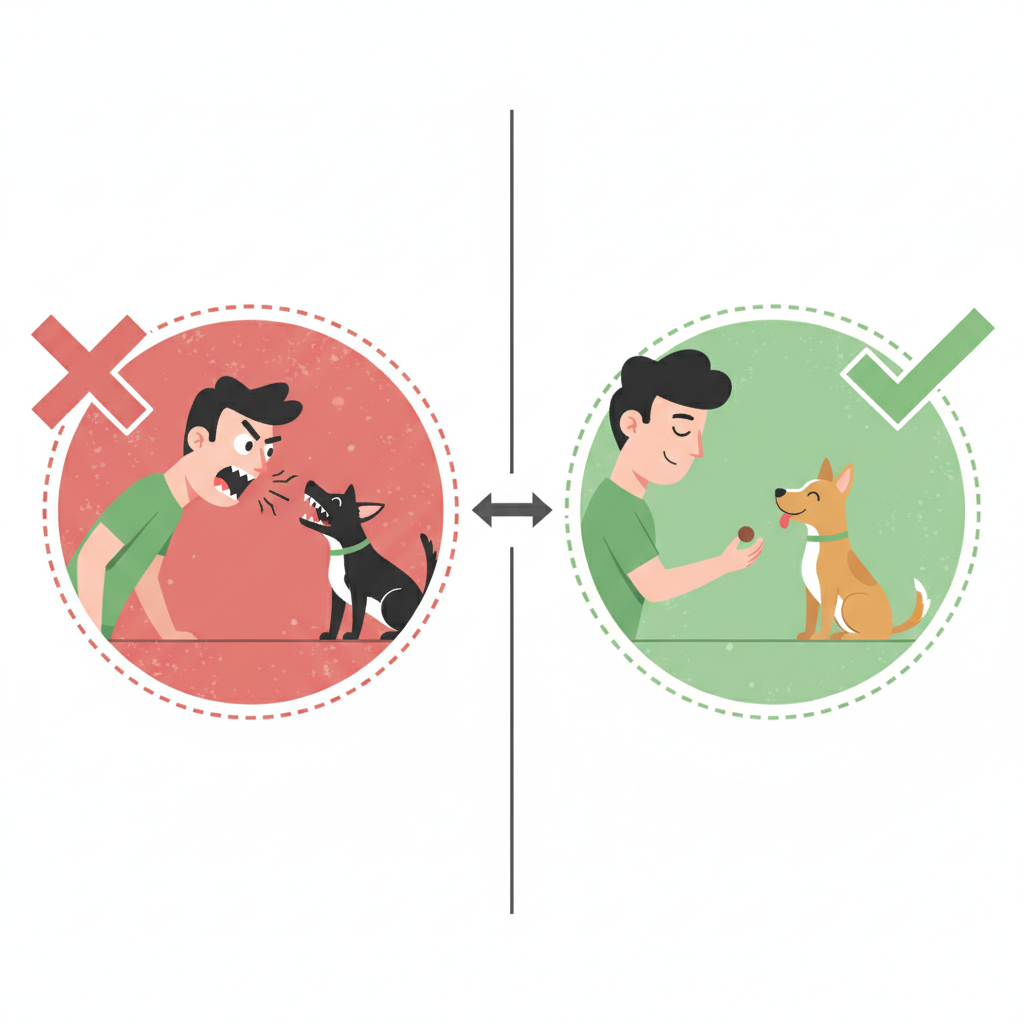
Bring the vacuum into the room but do not turn it on. Let it stand still. If your dog looks at it without reacting, mark (click) and reward. If they approach and sniff it calmly, reward heavily. Repeat this until the dog is happy to see the vacuum appear because it predicts treats.
Step 2: Motion Without Sound
With the vacuum still unplugged, move it slightly. Just an inch or two. The movement often triggers the attack. If your dog stays calm, reward immediately. If they react, you moved it too much. Go back to a stationary position. Gradually increase the movement until you can push the silent vacuum back and forth while your dog watches calmly.
Step 3: Sound at a Distance
Leave the vacuum in one room and take your dog to an adjacent room. Have a helper turn the vacuum on for just one second, then turn it off. Immediately give your dog a jackpot of treats. You are teaching them that the sound of the vacuum is the cue for dinner. Gradually increase the duration of the noise and decrease the distance between the dog and the machine over several sessions.
Teaching an Incompatible Behavior: The ‘Place’ Command
Sometimes, the best way to stop a behavior is to give the dog a job that is incompatible with attacking. You cannot lunge at the vacuum if you are holding a ‘Down-Stay’ on your bed. This is often referred to as the ‘Place’ command.
Train your dog to go to a specific mat or bed on command. Once this behavior is solid, introduce the vacuum as a distraction. Ask for ‘Place,’ then move the vacuum. If they break the stay to attack, simply reset them without scolding and try with less vacuum movement. The goal is for the dog to understand that when the vacuum comes out, their job is to go to their bed and wait for rewards, rather than patrol the floor.
Troubleshooting and Common Mistakes
Even with the best intentions, owners often inadvertently reinforce the behavior they are trying to stop. Here are common pitfalls to avoid:
- Moving Too Fast: If you rush from Step 1 to Step 3 in one day, your dog will likely regress. Desensitization takes days or weeks, not minutes.
- Yelling or Scolding: Shouting ‘No!’ over the noise of a vacuum adds to the chaos. The dog may think you are barking along with them, or they may become more fearful of the situation.
- Forcing Interaction: Never drag a fearful dog toward the vacuum to ‘show them it is safe.’ This is known as flooding and can cause psychological trauma, making the aggression worse.
- Teasing: Never use the vacuum to play with the dog or chase them. This blurs the line between toy and tool.
Restoring Peace to Your Cleaning Routine
Teaching your dog to ignore the vacuum is not just about clean floors; it is about reducing stress for your household. By breaking the association between the machine and the ‘attack’ response, you are helping your dog feel safer and more confident in their environment. Remember that patience is your most valuable tool. Progress may be slow, and some days will be better than others. However, with consistent positive reinforcement and a structured approach, you can turn the vacuum from a monster into a meaningless background noise. Stop the attack today by starting with a silent vacuum and a pocket full of treats.