Stop Accidents! Teach Your Dog To Ring A Bell When They Need To Go Out
House training is one of the foundational pillars of responsible dog ownership, yet it remains one of the most challenging aspects for many pet parents. The inability of a dog to effectively communicate their biological needs often leads to frustration, damaged flooring, and a strained bond between the owner and the animal. While dogs naturally try to signal their needs through whining, pacing, or scratching, these cues can be subtle and easily missed by busy owners.
Bell training offers a clear, audible solution to this communication gap. By teaching your dog to ring a bell when they need to go outside, you provide them with a distinct voice that cuts through the noise of a household. This method utilizes operant conditioning to bridge the gap between the urge to eliminate and the action of alerting the owner. In this comprehensive guide, we will explore the methodology behind bell training, ensuring you have the tools and knowledge to stop accidents and foster a cleaner, happier home environment.
Selecting the Right Tools and Preparation

Before commencing training, it is imperative to select the appropriate equipment for your specific dog and living situation. The market primarily offers two types of signaling devices: hanging bells and touch-pad (or desk) bells.
Types of Bells
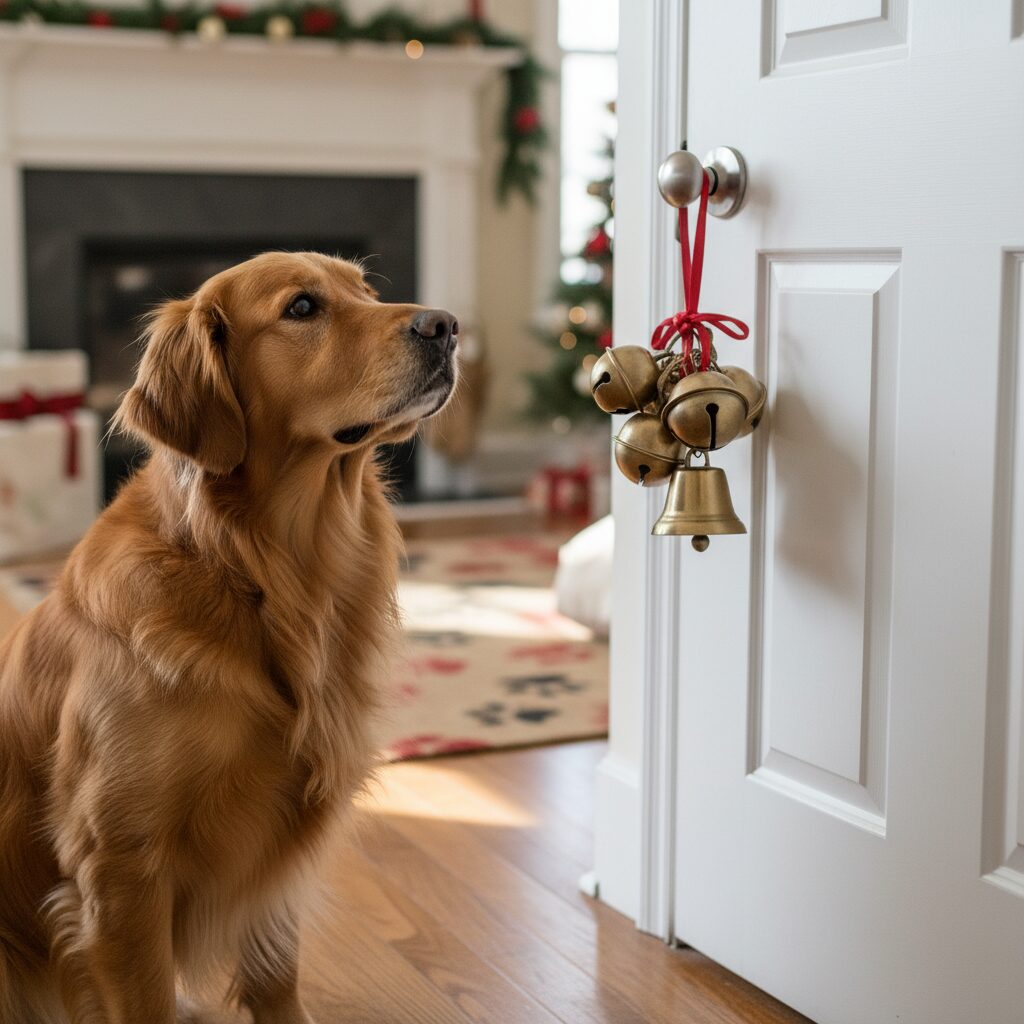
- Hanging Bells: These typically consist of a strap of fabric or leather with sleigh bells attached, designed to hang from a doorknob. They are excellent for larger dogs or those who naturally paw at the door. However, ensure the length is adjustable so the bells hang at your dog’s nose or paw level.
- Touch-Pad Bells: These resemble the service bells found at hotel front desks. They are placed on the floor near the door. This option is often superior for smaller breeds or dogs that may be frightened by the jangling sound of hanging bells.
Once you have selected the device, consistency is key. Install the bell on the door you use most frequently for potty breaks. If you have a large home, you may eventually need bells on multiple doors, but for the initial training phase, restrict access to a single exit to avoid confusion.
Phase 1: Introduction and Association
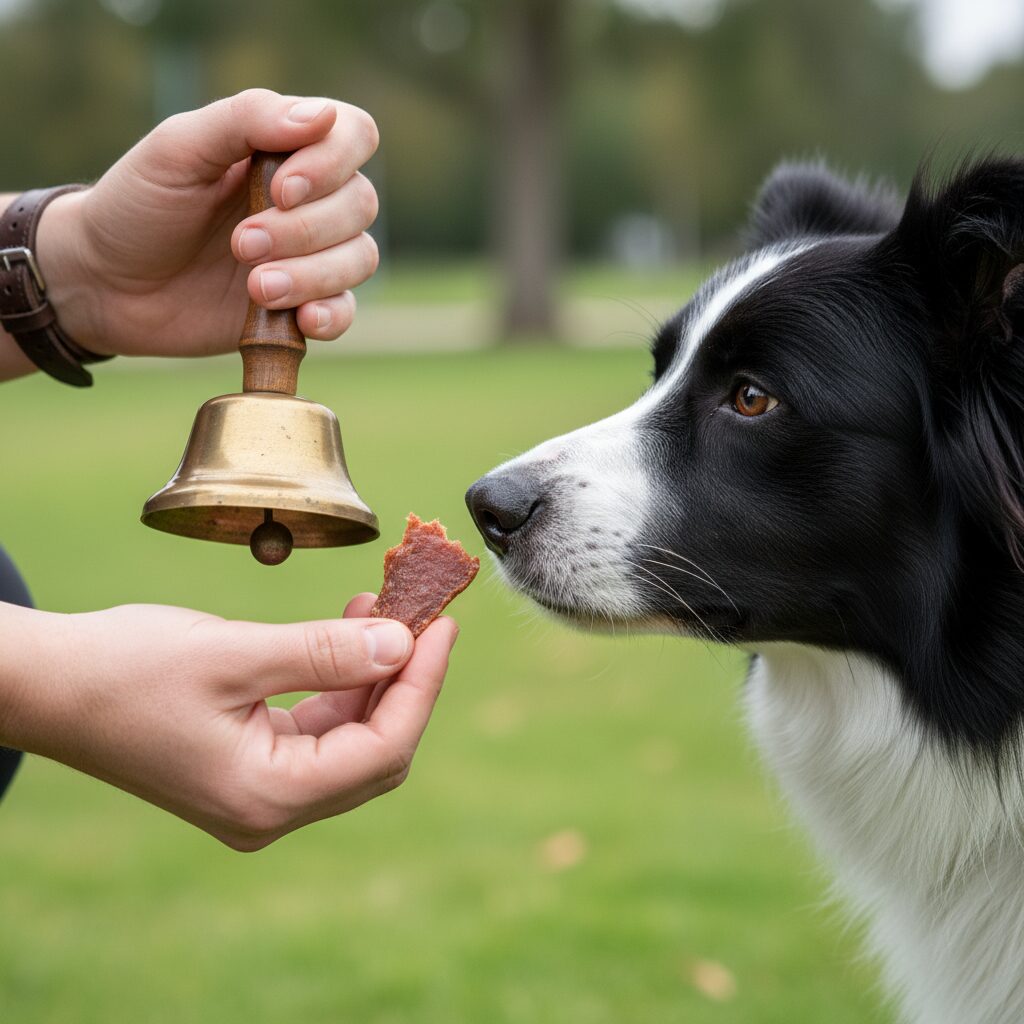
The first step in bell training does not involve the door or the outdoors; it involves creating a positive association with the bell itself. Many dogs may initially be wary of the sound, so desensitization is crucial.
The ‘Touch’ Command
Begin this phase in a quiet room with no distractions. Hold the bell (or the strap of bells) near your dog’s nose. Most dogs will naturally investigate a new object by sniffing it.
- Immediate Reinforcement: The moment your dog’s nose touches the bell, mark the behavior with a verbal cue like “Yes!” or a clicker, and immediately provide a high-value treat.
- Repetition: Repeat this process 10 to 15 times. Do not force the bell onto the dog; let them initiate the contact.
- Adding the Cue: Once the dog is reliably touching the bell to get the treat, add a verbal command such as “Touch” or “Ring” right before they make contact.
Continue this practice until your dog confidently touches the bell upon hearing the command. If utilizing a hanging bell, ensure you are holding it steady so it does not swing and startle the animal.
Phase 2: Transitioning to the Door

Once the dog understands that touching the bell results in a reward, it is time to move the training to the designated potty door. Hang the bells on the doorknob or place the button on the floor next to the frame.
Contextualizing the Behavior
Call your dog to the door and give the “Touch” command. When they ring the bell, reward them immediately with a treat. Repeat this several times to ensure the behavior transfers to the new location.
Next, you must link the bell to the door opening. Ask the dog to ring the bell. The moment the bell sounds, enthusiastically praise them, open the door, and step outside. Do not worry about them actually eliminating yet; the goal here is to establish the equation: Bell Ringing = Door Opening.
Phase 3: The Potty Connection
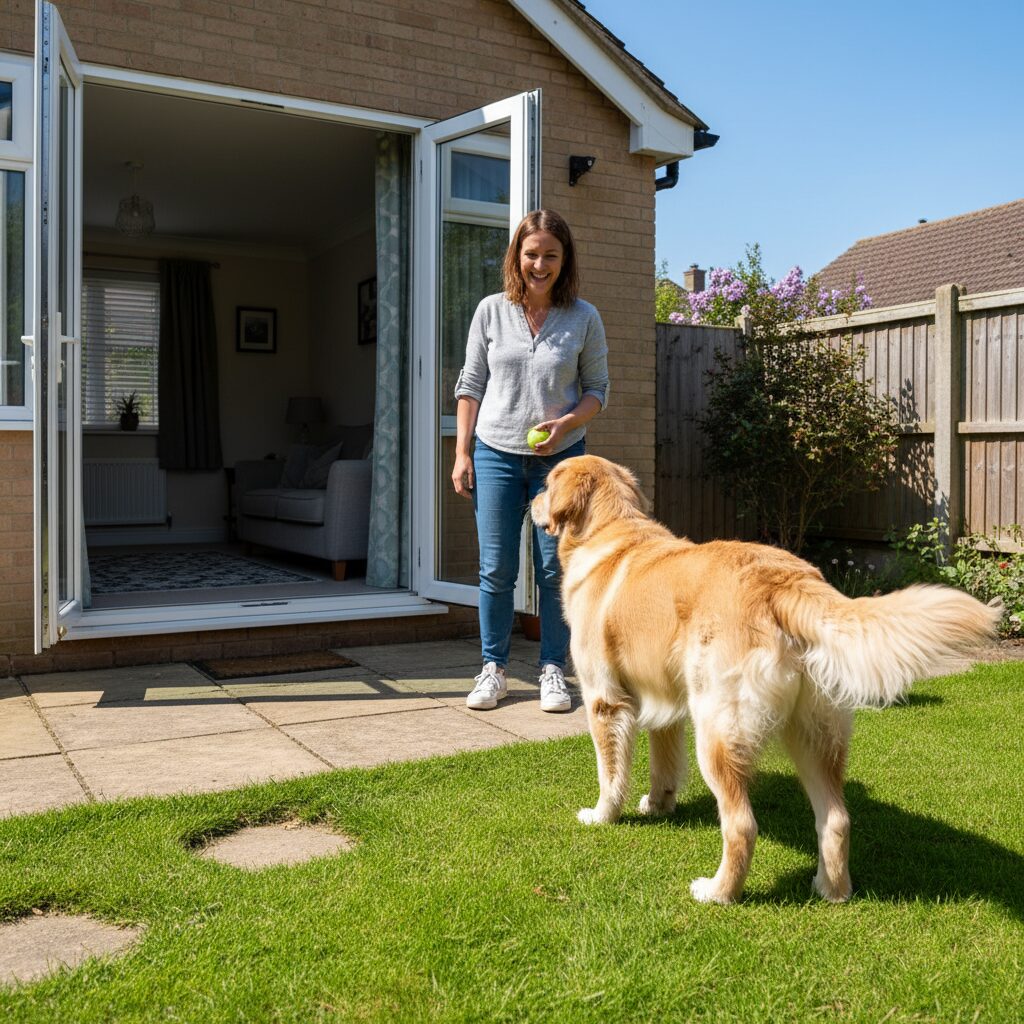
This is the critical phase where the bell becomes a functional tool for house training. You must now stop treating the dog merely for ringing the bell and start treating the bell as the key to the outdoors.
The New Routine
Every time you take your dog out for a scheduled bathroom break, approach the door and pause.
- Prompt the Ring: Point to the bell or say your cue phrase. Wait for the dog to nudge the bell.
- The Reward is the Exit: As soon as the bell rings, open the door immediately. Clip on the leash and take them directly to their potty spot.
- Reinforce Elimination: Once they eliminate outside, give them heavy praise and a treat. This completes the chain: Ring Bell -> Door Opens -> Go Outside -> Potty -> Reward.
If your dog refuses to ring the bell at the door, you may gently tap the bell against their nose or paw to produce the sound, then immediately open the door. Consistency is paramount; never open the door for a potty break without the bell ringing first.
Troubleshooting: The ‘False Alarm’ Ringing

A common behavioral side effect of bell training is the “false alarm,” where the dog learns that ringing the bell grants them access to the outdoors for play, squirrel chasing, or sunbathing, rather than elimination.
Extinguishing the Play Association
To correct this, you must strictly differentiate between “potty time” and “play time.”
- Leash Control: When the dog rings the bell, clip on a leash, even if you have a fenced yard. Take them directly to their elimination spot.
- The Boring Zone: Stand in the spot for 2 to 3 minutes. Do not play, do not talk excitedly, and do not walk around the yard. Be boring.
- The Return: If they do not eliminate within that timeframe, bring them immediately back inside. Do not allow free roaming.
By making the bell-triggered trip strictly utilitarian, the dog learns that the bell is for biological needs, not for recreation. If they ring the bell again shortly after returning inside, repeat the process. It requires patience, but they will eventually understand the distinction.
Consistency Creates Success
Teaching your dog to ring a bell is a powerful way to empower them and reduce the stress of house training. It transforms the guessing game of “does he need to go out?” into a clear, audible request. However, like all canine training, success relies heavily on your consistency and patience. There will be days of excessive ringing and days of forgetfulness, but by adhering to the protocols of operant conditioning and maintaining a strict routine, you will eliminate accidents and strengthen the communication bond with your dog. Remember, you are not just teaching a trick; you are providing your dog with a voice.