Spin vs. Twist: How to Teach Your Dog Directional Turns
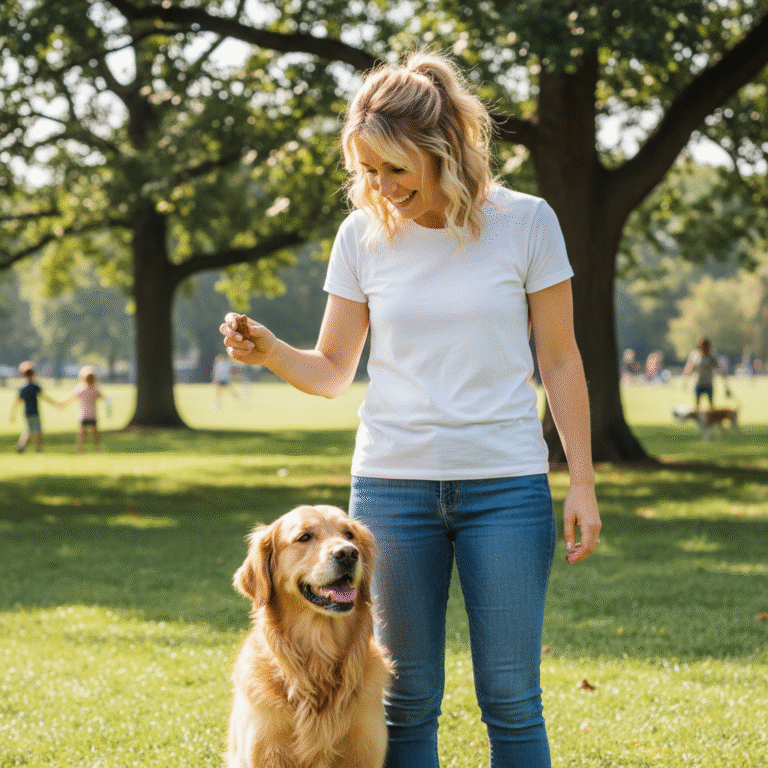
Have you ever seen a dog joyfully whirl around in a perfect circle on command? It’s one of the most delightful tricks out there! But did you know there’s a difference between a ‘spin’ and a ‘twist’? It might seem like a small detail, but teaching your dog directional turns is a fantastic way to boost their brainpower, improve their body awareness, and strengthen your communication. Essentially, ‘spin’ is a turn in one direction (say, clockwise), and ‘twist’ is a turn in the opposite direction (counter-clockwise). It’s like teaching them left and right!
This guide will walk you through, step-by-step, how to teach your furry friend these two distinct and impressive commands. Don’t worry, it’s easier than you think and relies on fun, positive reinforcement. Get ready to have some fun and watch your dog become a spinning superstar!
Getting Started: What You’ll Need
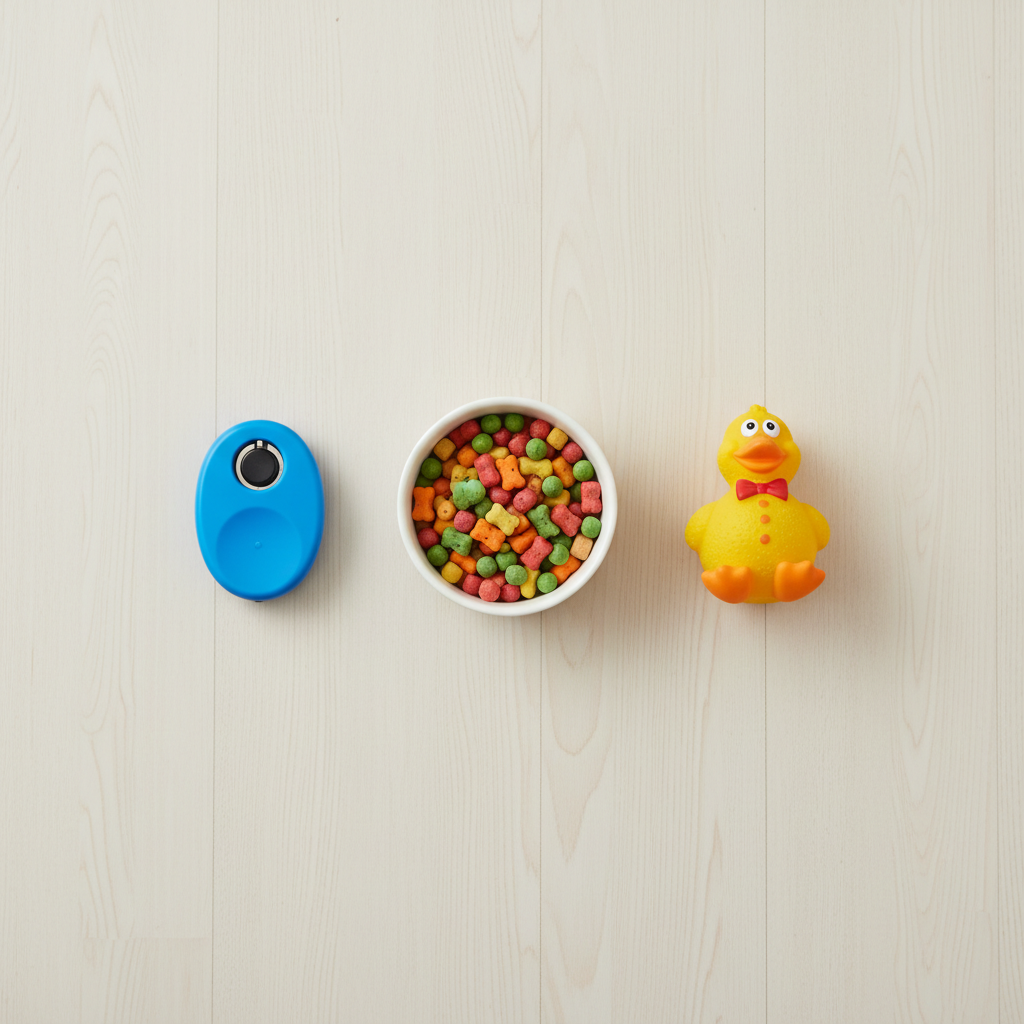
Before you and your pup start your training adventure, it’s a good idea to gather a few simple supplies. Having everything ready will make your sessions smooth, fun, and effective. You don’t need any fancy equipment—just a few basics to set you both up for success.
Key Supplies:
- High-Value Treats: These aren’t your dog’s everyday kibble. Think small, soft, and extra tasty morsels that will really get your dog excited to work. Pieces of cooked chicken, cheese, or store-bought training treats work wonders. The smaller the better, so you can reward frequently without filling them up too quickly.
- A Clicker (Optional): A clicker is a fantastic tool for marking the exact moment your dog does something right. If you’ve never used one, the concept is simple: click the instant your dog performs the correct action, then immediately give a treat. The ‘click’ becomes a powerful signal for ‘Yes, that’s what I want!’
- A Quiet Training Space: Choose an area with minimal distractions. Your living room, a quiet backyard, or any space where your dog can focus on you is perfect. Make sure there’s enough room for them to turn around comfortably without bumping into furniture.
- A Positive Attitude: This is the most important tool of all! Keep your training sessions short (5-10 minutes is great), upbeat, and always end on a positive note. Your dog feeds off your energy, so if you’re having fun, they will too.
Step-by-Step: Teaching the ‘Spin’ Command
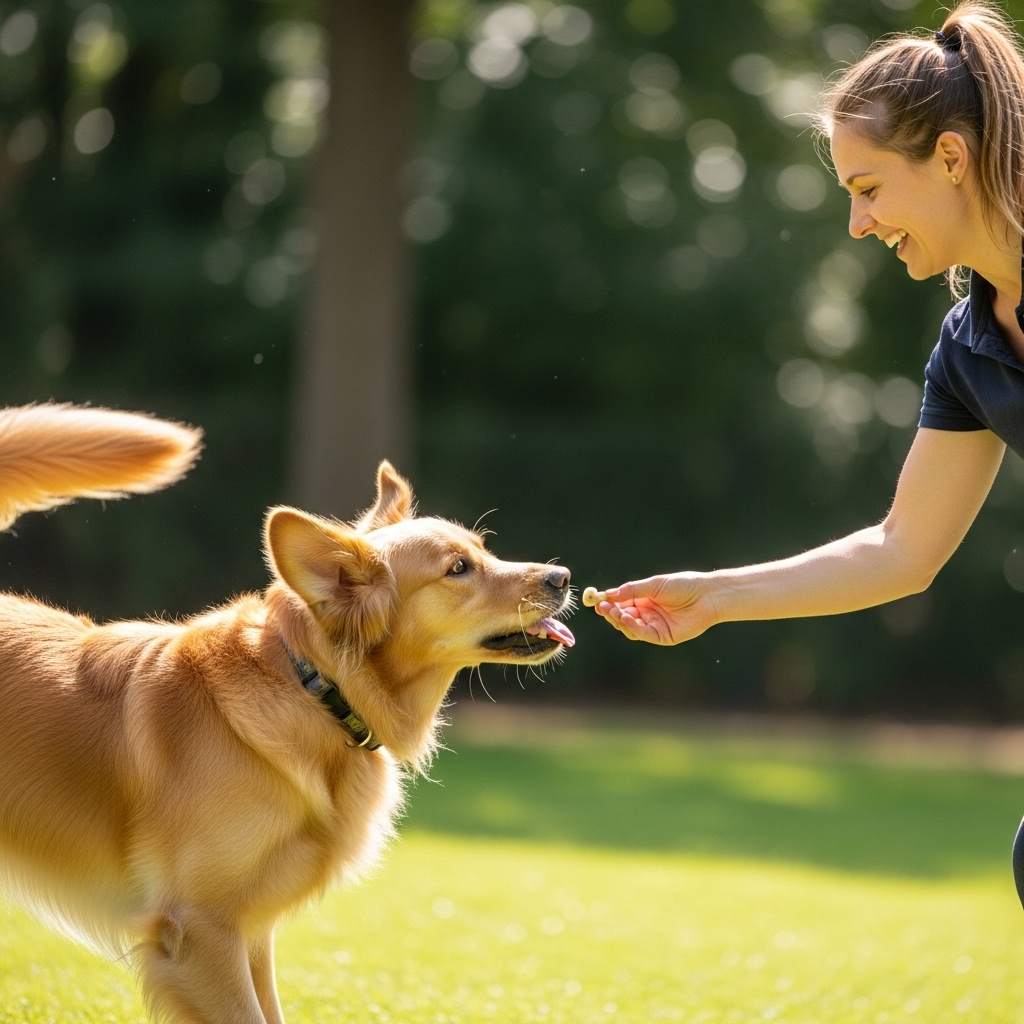
Let’s start by teaching the turn in one direction. We’ll call this one ‘Spin.’ Choose which way you want ‘spin’ to be—clockwise or counter-clockwise—and stick with it. Consistency is key!
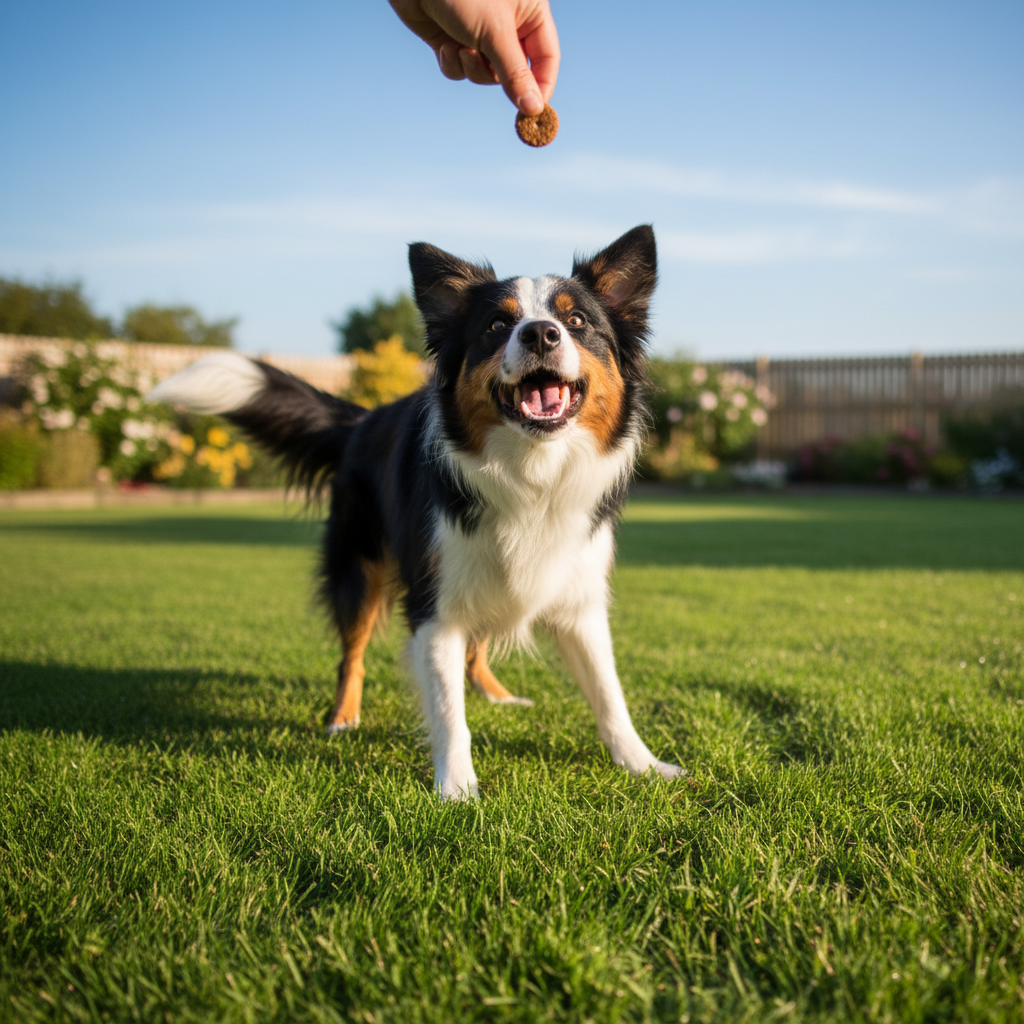
- Get Your Dog’s Attention: Start with your dog in a standing position in front of you. Hold a tasty treat near their nose to get them focused on it.
- Lure the Turn: Slowly move the treat from their nose towards their shoulder, encouraging their head to turn. As their head turns, their body will naturally follow. Continue moving the treat in a full circle around their head, guiding them to complete a 360-degree turn.
- Mark and Reward: The very first time they complete the full circle, say ‘Yes!’ or click your clicker at the exact moment the turn is finished, and immediately give them the treat and lots of praise. Hooray!
- Practice the Lure: Repeat this process several times. Most dogs pick this up incredibly quickly because they are just following a tasty snack. Keep the sessions short and exciting.
- Introduce the Verbal Cue: Once your dog is reliably following the treat lure into a full circle, you can start adding the word. Just before you begin the lure, say your cue clearly: ‘Spin!’ Then, lure them around as you have been. After a few repetitions, they will start to associate the word with the action.
Expert Tip: Keep the treat right at your dog’s nose level. If you hold it too high, they might jump up. If it’s too low, they might lie down. The goal is a smooth, standing spin.
Now for the ‘Twist’: Teaching the Opposite Direction
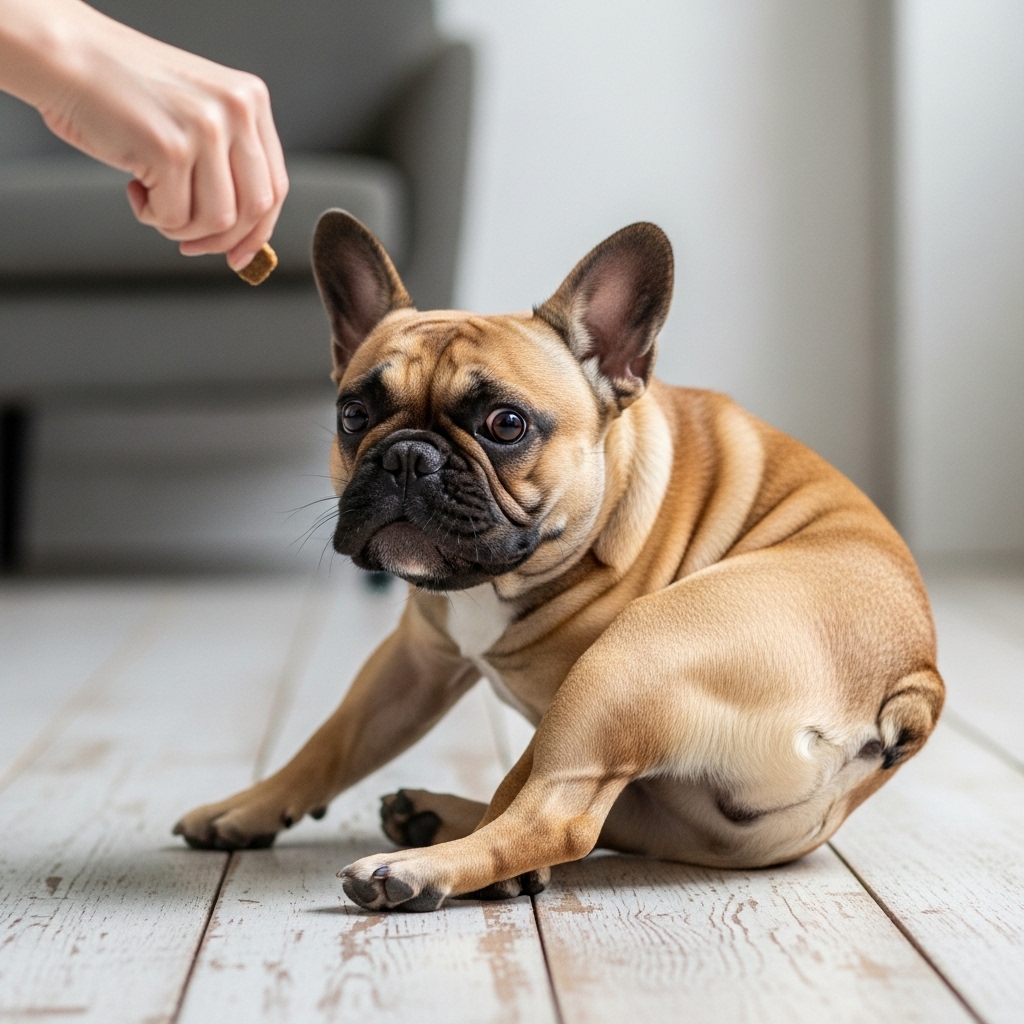
Once your dog has mastered the ‘Spin’ command, it’s time to teach them to turn the other way! We’ll use a new word, ‘Twist,’ to avoid confusion. The process is almost identical, but it’s crucial to help your dog understand this is a completely different trick.
- Start Fresh: In a separate training session, begin again as if you were teaching a new trick. Don’t try to teach both directions in the same 5-minute session at first, as this can be confusing.
- Lure in the Opposite Direction: With your dog standing in front of you, hold a treat to their nose. This time, lure them in the opposite direction of your ‘Spin’ command. If ‘Spin’ was clockwise, ‘Twist’ will be counter-clockwise.
- Mark and Reward the New Turn: Just like before, the moment they complete a full circle in this new direction, click or say ‘Yes!’ and reward them with the treat and praise.
- Add the New Cue: Once they are following the lure successfully in the new direction, start saying ‘Twist!’ right before you begin the luring motion. This helps them build the association between the new word and the new direction.
It’s important to keep the cues distinct. You can also add a unique hand signal for each direction. For example, a clockwise circle with your finger for ‘Spin’ and a counter-clockwise circle for ‘Twist’.
Fading the Lure and Perfecting the Cues
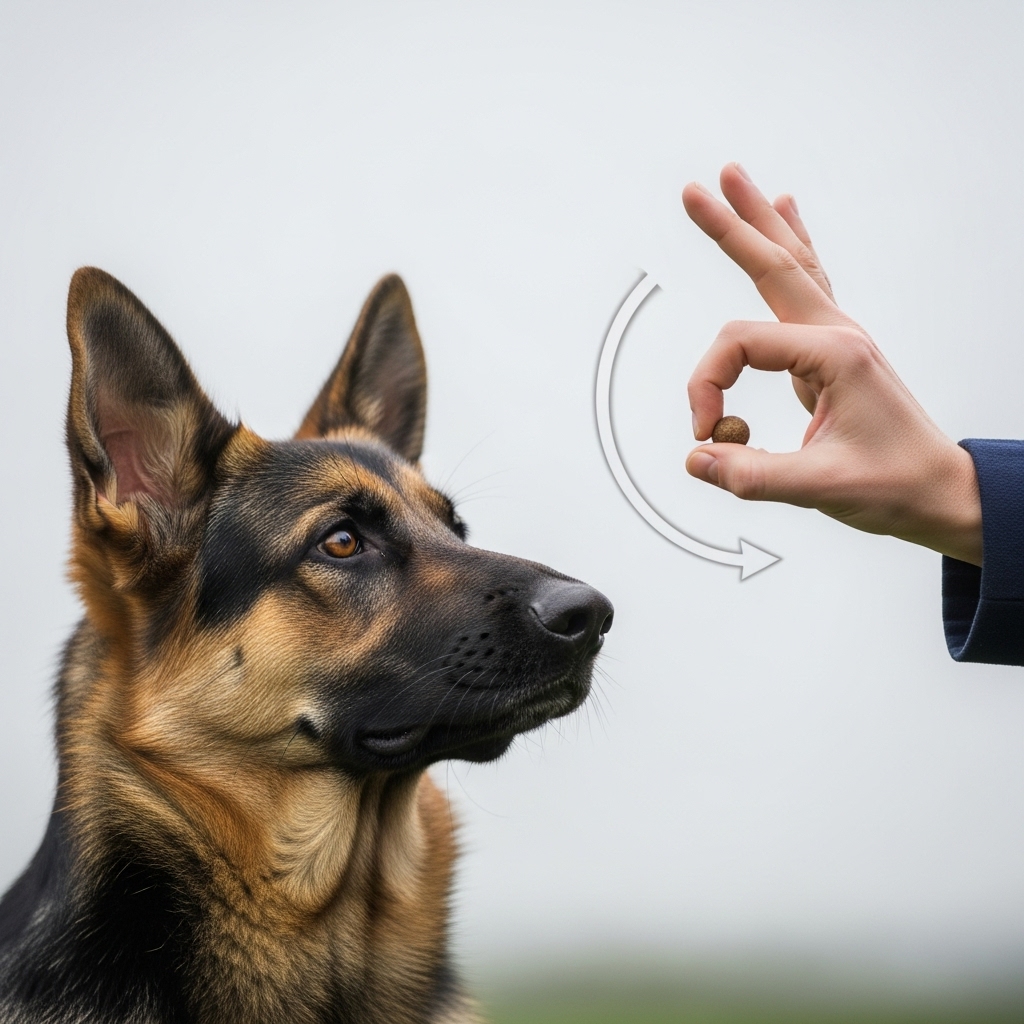
The ultimate goal is for your dog to spin or twist based on your verbal command or hand signal alone, without needing a treat waved in front of their nose. This process is called ‘fading the lure,’ and it’s a major step in trick training.
How to Fade the Lure:
- Make Your Hand Signal Bigger: Start by making the circular hand motion with the treat a little larger and further from your dog’s nose. They will learn to follow your hand rather than just the treat itself.
- Empty Your Hand: Once they are following your hand gesture, try doing the exact same motion but without a treat in your hand. Lure them around with your empty hand, and then reward them with a treat from your other hand after they complete the turn. This breaks their reliance on seeing the food first.
- Shrink the Hand Signal: Gradually make your hand signal smaller and more subtle. Instead of a big, sweeping circle, you might eventually just need to make a small circular motion with your finger.
- Focus on the Verbal Cue: As your dog gets better with the hand signal, practice using only the verbal cue (‘Spin!’ or ‘Twist!’). At first, they may hesitate. Be patient! If they get stuck, give them the hand signal to help them out, then try again with just the word next time. Reward any successful attempt based on the verbal cue with extra enthusiasm!
Troubleshooting: Common Training Hiccups
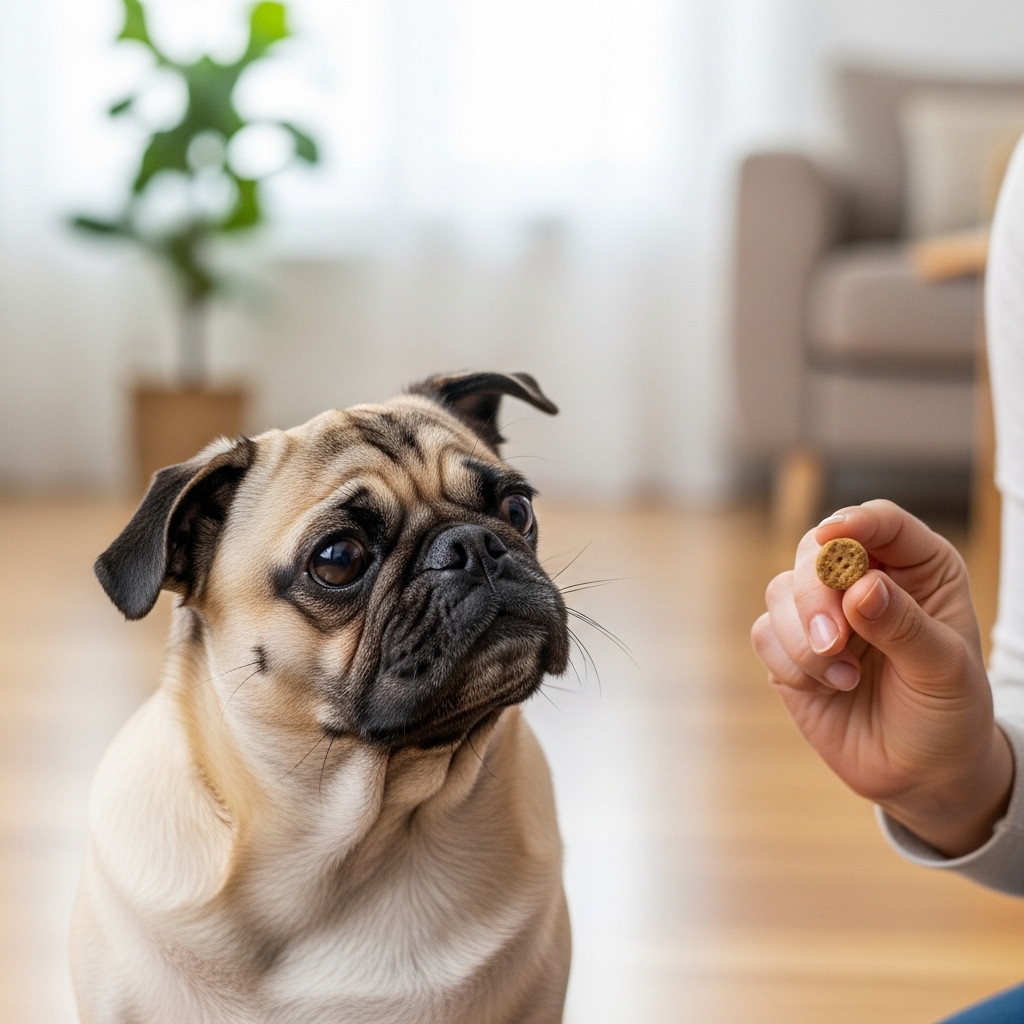
Training doesn’t always go perfectly, and that’s completely okay! Every dog learns at a different pace. Here are some common bumps in the road and how to navigate them.
- My dog only turns halfway. This usually means you’re rewarding them too soon or your lure isn’t completing a full circle. Break it down. Lure them a quarter turn, click/reward. Then a half turn, click/reward. Gradually build up to the full 360 degrees, making sure your hand goes all the way around.
- My dog gets dizzy or stops. Spinning can be disorienting! Keep sessions very short, with only 3-4 spins in a row before taking a break to do something else. If your dog stops, they might be tired or confused. End the session on a positive note with an easier command they know, like ‘sit,’ and try again later.
- My dog confuses ‘Spin’ and ‘Twist’. This is very common! The key is to make the cues as distinct as possible. Use very different hand signals for each. When you practice, don’t ask for them back-to-back at first. Work on ‘Spin’ for a few minutes, take a break, then work on ‘Twist.’ Only when they are rock-solid on both should you try asking for them in a random order.
- My dog isn’t interested in the treats. Your treats might not be ‘high-value’ enough. Try something more exciting! Also, make sure you’re not training right after a big meal when they’re already full. A slightly hungry dog is a more motivated student.
Conclusion
Congratulations! You now have all the tools you need to teach your dog the amazing directional tricks of ‘Spin’ and ‘Twist.’ Remember, the most important ingredients are patience, positivity, and a good sense of humor. This is about more than just a cool party trick; it’s about building a language and a bond with your best friend. Every short training session is a deposit in your relationship bank.
So grab those treats, find a clear space, and start spinning. Celebrate the small victories, laugh at the goofy mistakes, and enjoy the incredible process of learning together. Happy training!