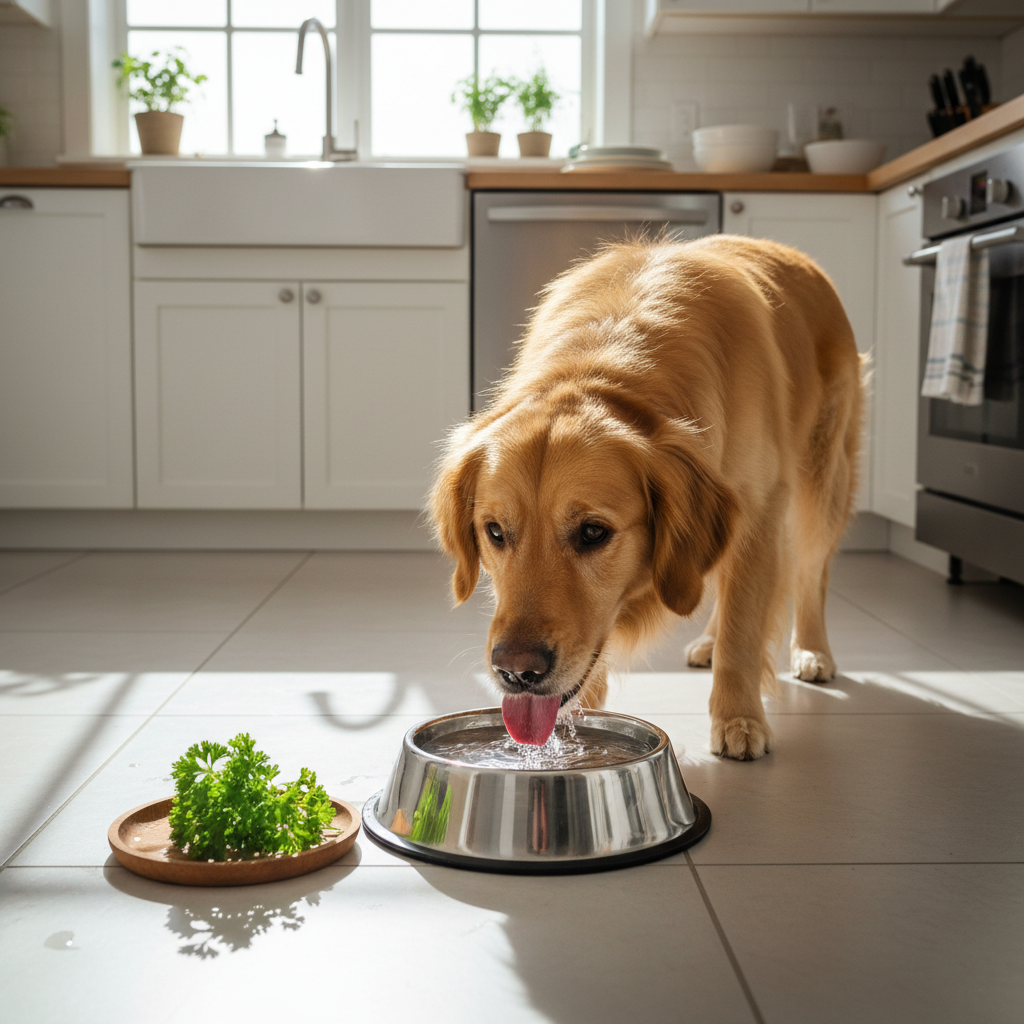
Skip the Brushing: Add This Parsley Water to Their Bowl
Let’s be honest, brushing your dog’s teeth can sometimes feel like a wrestling match you didn’t sign up for. Between the wiggling, the slobber, and the general look of betrayal, it’s a chore many of us dread. So, when a simple, natural hack like adding parsley water to their bowl starts making the rounds online, it’s easy to get excited. Could this be the magic solution to stinky dog breath and dental woes?
We’re here to dig into this popular home remedy. Is it a safe and effective way to boost your pup’s dental hygiene, or just another internet myth? Grab a cup of tea (and maybe a sprig of parsley for yourself), and let’s explore the real deal behind this green elixir for dogs.
What’s the Big Deal About Parsley for Pups?
Why is this humble herb getting so much attention in the dog world?
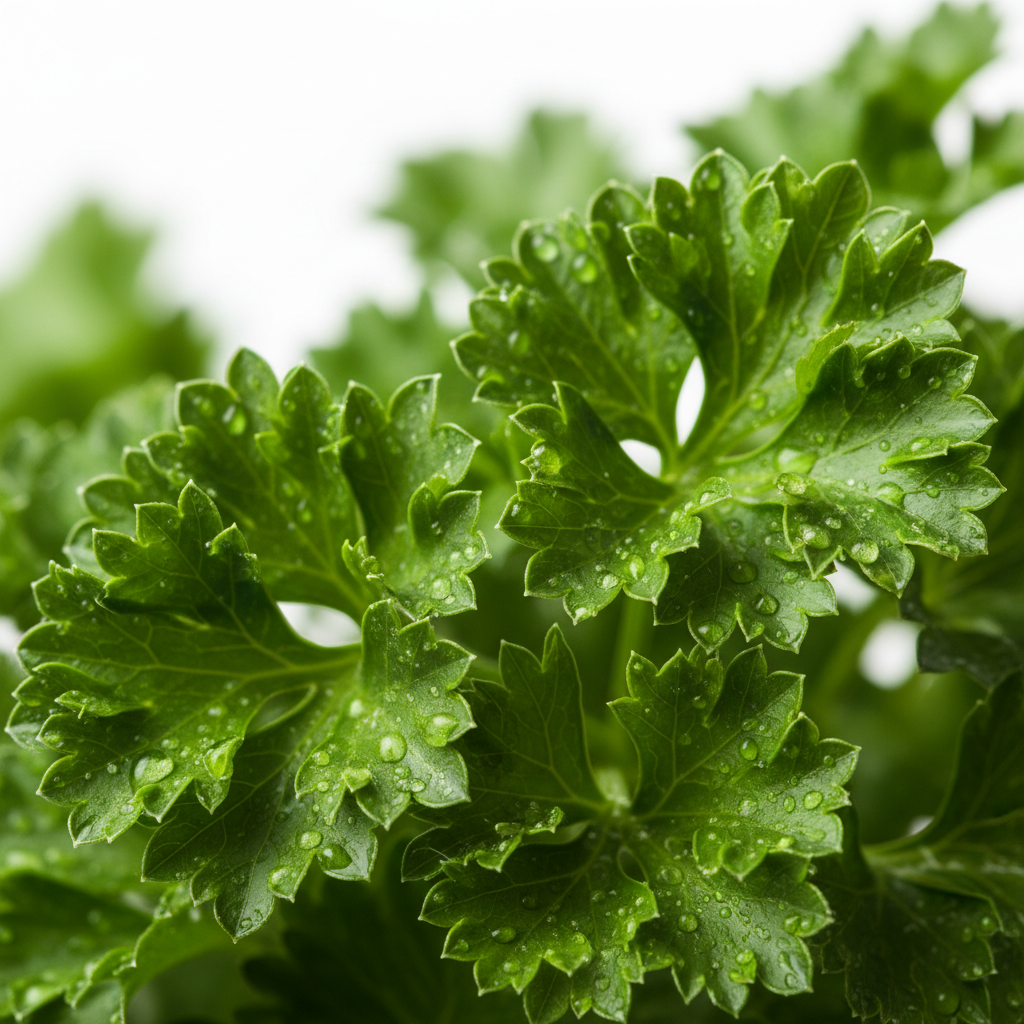
Parsley isn’t just a forgotten garnish on the side of your plate; it’s a small but mighty powerhouse of nutrients. When we talk about its benefits for dogs, we’re mainly looking at a few key components:
- Chlorophyll: This is the pigment that gives parsley its vibrant green color. In the world of natural remedies, chlorophyll is famous for its deodorizing properties. The theory is that it can help neutralize the sulfur compounds in your dog’s mouth and gut that are responsible for that famously funky doggy breath.
- Vitamins and Minerals: Parsley is packed with beneficial vitamins. It’s a great source of Vitamin K, which is crucial for blood clotting, and Vitamin C and Vitamin A, both powerful antioxidants that help fight inflammation and support a healthy immune system.
- Antimicrobial Properties: Some studies suggest that the compounds in parsley may have mild antimicrobial effects, which could help reduce the growth of bad bacteria in your dog’s mouth.
Expert Tip: Always choose fresh, organic parsley (either curly or flat-leaf is fine) for your dog. Dried parsley loses much of its chlorophyll content and beneficial volatile oils.
So, while parsley isn’t a magical cure, its natural properties can certainly contribute to fresher breath and provide a nice little nutritional boost. Think of it as a natural mouthwash, not a deep-cleaning dental procedure.
Your Simple DIY Parsley Water Recipe
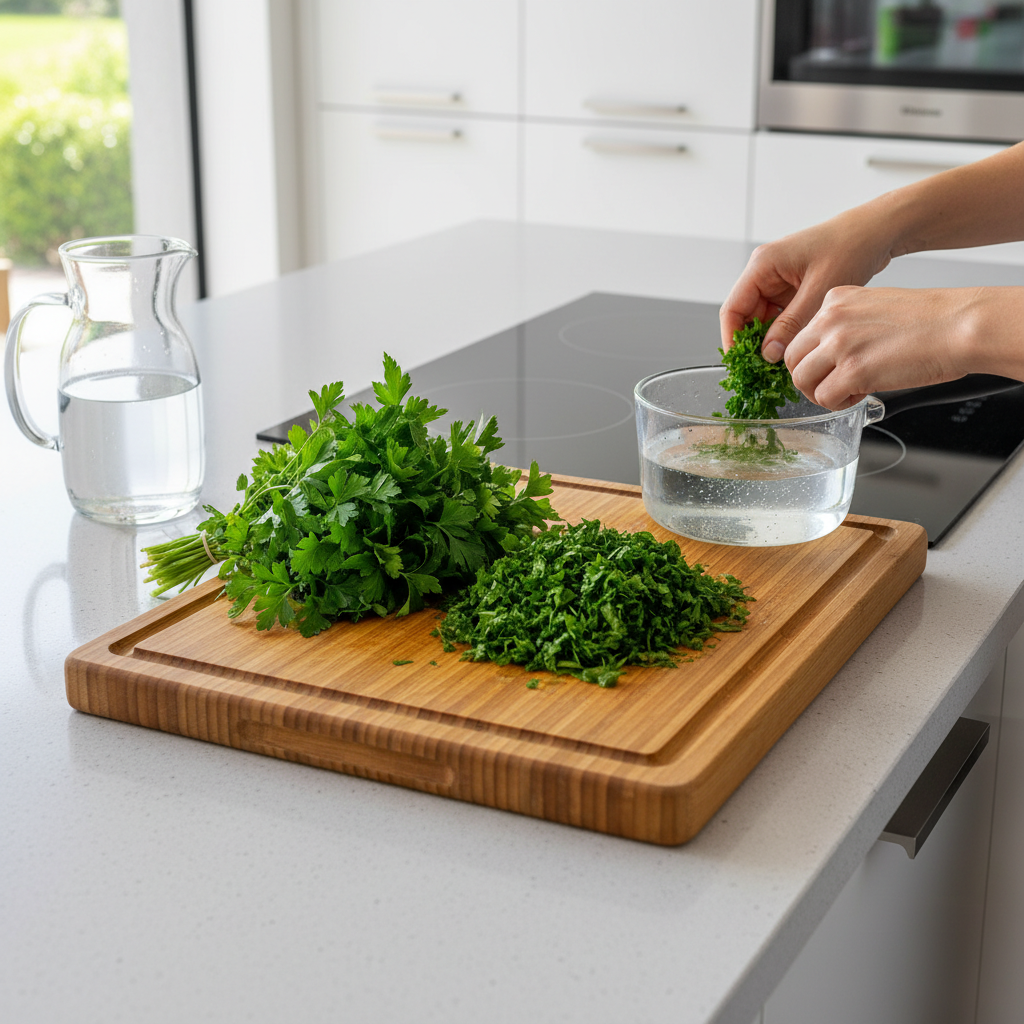
Ready to whip up a batch? It’s incredibly easy.
You don’t need to be a gourmet chef to make this simple infusion. Here’s a straightforward recipe to get you started. Remember, we’re making a gentle ‘tea’ or infusion, not a thick green smoothie!
What You’ll Need:
- A handful of fresh, organic parsley (about 1/2 cup, loosely packed)
- 2-3 cups of water
- A small saucepan
- A strainer or cheesecloth
- A glass jar or bottle for storage
The Steps:
- Wash and Chop: Thoroughly wash the parsley to remove any dirt or pesticides. Give it a rough chop to help release its beneficial oils.
- Gentle Heat: Place the chopped parsley in your saucepan and pour the water over it. Gently heat the water on the stove until it’s hot, but do not boil it. Boiling can destroy some of the delicate vitamins. You just want to steep it, like making tea.
- Steep and Cool: Once the water is hot, turn off the heat, cover the saucepan, and let the parsley steep for about 15-20 minutes, or until the water has completely cooled to room temperature.
- Strain and Store: Pour the cooled water through a fine-mesh strainer or cheesecloth into your clean glass jar. Discard the wilted parsley leaves.
- Refrigerate: Seal your jar of parsley water and store it in the refrigerator. It should stay fresh for up to 3-4 days.
Hold On! Serving Sizes and Safety First

Before you fill up their bowl, let’s talk safety and dosage.
More is not always better, especially when introducing something new to your dog’s diet. Parsley is generally safe in moderation, but there are a few important caveats to keep in mind.
Potential Risks to Consider:
Parsley contains compounds called furanocoumarins, which can be problematic in very large quantities. Excessive amounts could potentially lead to photosensitivity (sun sensitivity) or stomach upset. More importantly, dogs with kidney problems or other pre-existing health conditions should not be given parsley, as it can aggravate their condition.
WARNING: Never use Spring Parsley (Cymopterus watsonii), which is a wild plant and is toxic to dogs. Stick to the common curly or flat-leaf parsley you find in the grocery store’s produce section.
How Much to Give:
The key is to start small and treat it as a supplement, not their main source of water. A good rule of thumb is:
- Small Dogs (under 20 lbs): Start with 1 teaspoon per day mixed into their food or water.
- Medium Dogs (20-50 lbs): Start with 1-2 teaspoons per day.
- Large Dogs (over 50 lbs): Start with 1 tablespoon per day.
The Golden Rule: Always, always, always talk to your veterinarian before adding any new supplement or home remedy to your dog’s routine. They can give you the best advice based on your dog’s specific health needs.
The Million-Dollar Question: Can You Ditch the Toothbrush?
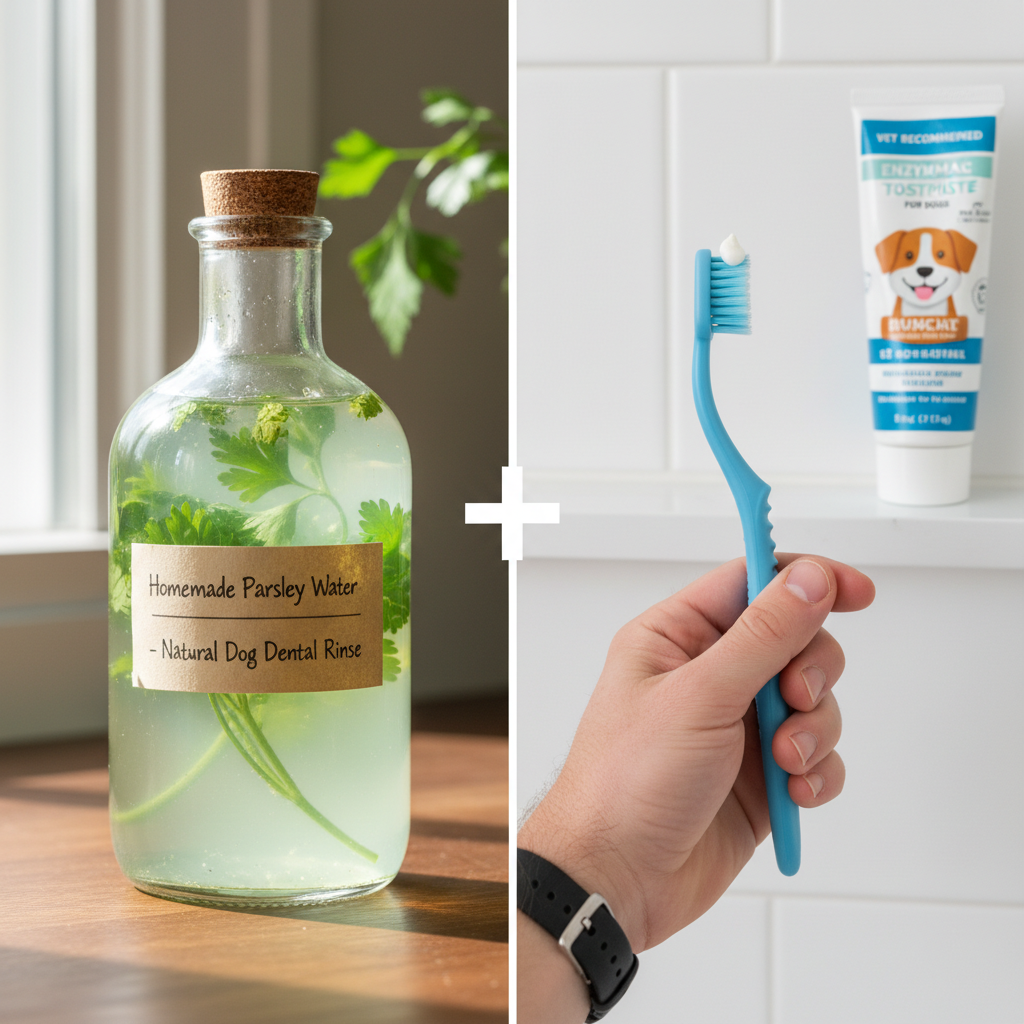
So, is this the end of your tooth-brushing battles? Let’s get real.
In a word: No.
While we’d all love a magic potion to eliminate the need for brushing, parsley water isn’t it. It’s a fantastic ally in the fight for good dental health, but it is not a replacement for mechanical cleaning.
Think of it this way: you might use mouthwash to freshen your breath, but you would never consider it a substitute for actually brushing and flossing your teeth. It’s the same for your dog. Parsley water works from the inside out to help with the smell, but it does absolutely nothing to remove the primary cause of dental disease: plaque and tartar.
Why Brushing is Still King:
- Mechanical Abrasion: The bristles of a toothbrush physically scrape away the sticky film of plaque before it has a chance to harden into tartar (calculus).
- Gum Health: Brushing stimulates blood flow to the gums, keeping them healthy and strong.
- Prevention: It’s the single most effective thing you can do at home to prevent painful and expensive dental problems like gingivitis, periodontal disease, and tooth loss down the road.
So, keep the toothbrush handy! The best approach is a combined one: use parsley water to help with breath while maintaining a consistent brushing schedule and providing dental-friendly chews.
Conclusion
So, is parsley water the miracle cure for bad dog breath? It’s a wonderful, natural supplement that can certainly help freshen things up and provide a nice little health boost. It’s easy to make, and most dogs enjoy the taste.
However, it’s crucial to remember that it’s a partner in your dog’s dental care journey, not the hero. The gold standard for preventing serious dental disease remains mechanical cleaning through regular brushing, appropriate dental chews, and professional vet cleanings.
By all means, add a splash of this green goodness to your pup’s bowl after getting the okay from your vet. Just don’t throw that toothbrush away just yet! A little parsley and a little paste make for a powerful combination and a much happier, healthier smile.