
Sink or Swim? How To Teach Your Dog To Love The Water Safely
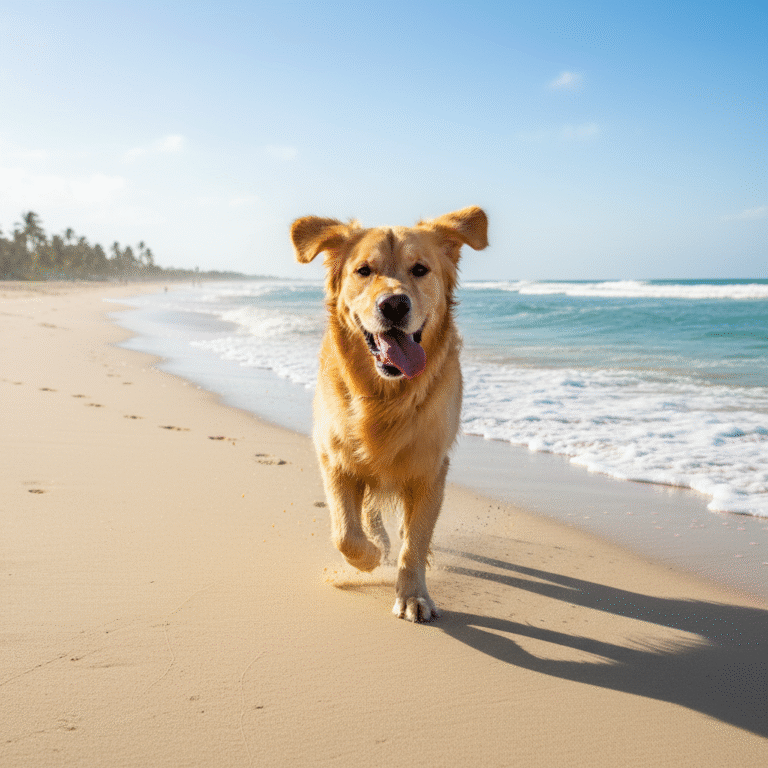
Summer days often bring visions of beach trips and lakeside fun with our four-legged companions. We imagine our dogs gleefully leaping into the water, fetching sticks, and cooling off with a happy splash. But here’s a little secret: the doggy paddle isn’t an innate skill for every canine. While some breeds take to water like a duck, others might view a puddle with deep suspicion, let alone a whole lake! Forcing a hesitant dog into the water can create a lifelong fear, which is the last thing any of us want.
The good news is that with patience, positivity, and the right approach, you can teach almost any dog to see water as a source of joy and adventure. This guide is your step-by-step playbook for a safe and successful water introduction. We’re not just aiming for a dog that tolerates water; we’re aiming for a confident, happy swimmer. So, grab your towels, and let’s get ready to make a splash!
Before You Dive In: Gearing Up for Success

Before You Dive In: Gearing Up for Success
Just like you wouldn’t go on a hike without the right shoes, you shouldn’t start swim lessons without the right gear and mindset. Preparation is everything! Getting these few things in order first will make the entire process smoother and safer for both of you.
Essential Gear
- A Canine Life Vest: This is non-negotiable, especially for beginners, brachycephalic (flat-faced) breeds, and dogs with low body fat. A well-fitted life vest provides buoyancy, making it easier for your dog to stay afloat and build confidence. Look for one with a sturdy handle on the back—it’s a lifesaver for guiding your dog or lifting them out of the water quickly.
- High-Value, Floating Toys: Forget the regular park toys. You need something that will float and is exciting enough to lure your pup into the water. Brightly colored rubber toys or special floating fetch sticks are perfect.
- Waterproof, Tasty Treats: Think small, powerful treats that won’t disintegrate instantly in water. Little pieces of cooked chicken or hot dog can work wonders. The goal is to make the water’s edge the best place on earth.
- Long Leash (Not Retractable): A 15-20 foot waterproof long line gives your dog freedom to explore while ensuring you maintain complete control and can guide them back to safety.
- Towels and Fresh Water: Always have plenty of towels to dry your dog off and prevent them from getting chilled. A bowl and fresh drinking water are also crucial to prevent them from drinking lake, pool, or ocean water, which can cause upset stomachs or other health issues.
Choosing the Right Location
Where you teach is just as important as how you teach. Your dog’s first impression of a large body of water will stick with them. Look for a spot that is:
- Calm: Avoid strong currents, big waves, or heavy boat traffic. A quiet lake cove, a calm bay, or a purpose-built dog pool is ideal.
- Shallow Entry: Choose a place with a gradual slope. Your dog should be able to walk in slowly and keep their paws on the bottom for as long as they feel comfortable. A steep drop-off is terrifying for a nervous dog.
- Distraction-Free: For the first few lessons, try to find a time and place with few other dogs or people. You want your dog’s focus to be on you and the fun new experience.
The Pawsitive Introduction Plan: A Step-by-Step Guide

The Pawsitive Introduction Plan: A Step-by-Step Guide
Patience is your best friend here. This process can’t be rushed. The goal is for your dog to choose to go into the water, not to be forced. Keep sessions short (5-10 minutes) and always end on a positive note. Let’s get started!
- Step 1: Make Friends with the Shoreline. Start by just hanging out near the water’s edge on a long leash. Play fetch, give treats, and offer praise. Let your dog investigate the water on their own terms. If they sniff it or dip a paw in, throw a party! Make a huge deal out of it with lots of praise and a jackpot treat. Do this for a few sessions until they are completely relaxed near the water.
- Step 2: Get Your Feet Wet (Literally). On your next session, wade into the water just an inch or two deep yourself. Be cheerful and encouraging. Toss a favorite floating toy just a tiny way into the water where they can easily grab it without getting their belly wet. If they go for it, fantastic! If not, no big deal. You’re just building positive associations.
- Step 3: Encourage Deeper Exploration. Once your dog is comfortable getting their paws wet, you can start encouraging them to go a little deeper. Toss the toy a bit further out, just beyond where they can touch. This is often the moment they’ll take their first few swimming strokes. Be right there to cheer them on.
- Step 4: Provide Gentle Support. As they start to paddle, use the handle on their life vest to help support their back end. Many dogs paddle furiously with their front paws while letting their hindquarters sink, which is inefficient and scary for them. By gently lifting their rear, you help them stay horizontal and learn the proper swimming motion. Never hold them by the collar.
- Step 5: Teach Them the Exit. This is a critically important safety step! A dog can get into a pool or lake but panic if they don’t know how to get out. Repeatedly guide your dog to the exit point—whether it’s the steps in a pool or a gentle slope on the shore. Practice this several times each session so they know exactly where their safe exit is.
Expert Tip: Keep your energy calm and happy. Dogs are masters at reading our emotions. If you’re anxious, they’ll be anxious. If you’re having a great time, they’re more likely to think this whole water thing is a blast!
Troubleshooting Common Issues

Troubleshooting Common Issues
Sometimes, even with the best plan, things don’t go perfectly. That’s okay! Here’s how to handle some common roadblocks.
What if my dog is terrified?
If your dog is showing signs of fear (tucked tail, shaking, trying to run away), you’ve moved too fast. Go back to the very first step: just having fun on the shore, far enough away from the water that they feel safe. It might take many sessions before they’re willing to approach the water’s edge, and that’s perfectly fine. The key is to never, ever force them. Let them progress at their own pace. Building trust is more important than achieving a swim.
What if my dog just won’t go in?
Some dogs are just not motivated by toys. Try using high-value food rewards instead. You can also try a ‘buddy system.’ If you have a friend with a confident, water-loving dog, letting your dog watch them can be incredibly encouraging. Often, the sight of another dog having a blast is all the motivation they need to give it a try.
My dog panics and splashes wildly!
This is a classic sign of a dog that doesn’t understand how to use its back legs. They are trying to ‘climb’ out of the water. This is where the life vest and your gentle support are crucial. Use the handle to help level them out and guide them in a short, calm circle back to shore. Keep these first swims extremely short—just a few seconds—to build their confidence that they can do it and get out safely.
The Unsinkable Rules of Dog Water Safety
The Unsinkable Rules of Dog Water Safety
Once your dog is a confident swimmer, the fun really begins! But safety should always be the top priority. Think of these as the unbreakable laws of water fun with your furry best friend.
- Never Leave Them Unsupervised: This is the most important rule. Even a strong swimmer can get tired, disoriented, or caught in an unseen current. Always stay within arm’s reach.
- Watch for Exhaustion: Swimming is hard work! A dog having fun might not realize how tired they are until it’s too late. Enforce mandatory rest breaks every 15-20 minutes, offering them fresh water and a shady spot to relax.
- Beware of Water Dangers: Be mindful of potential hazards. Check for strong currents, riptides, sudden drop-offs, or submerged objects like sharp rocks or fishing lines. In warm climates, be aware of alligators or snakes. In freshwater, avoid stagnant water with blue-green algae (cyanobacteria), which can be toxic.
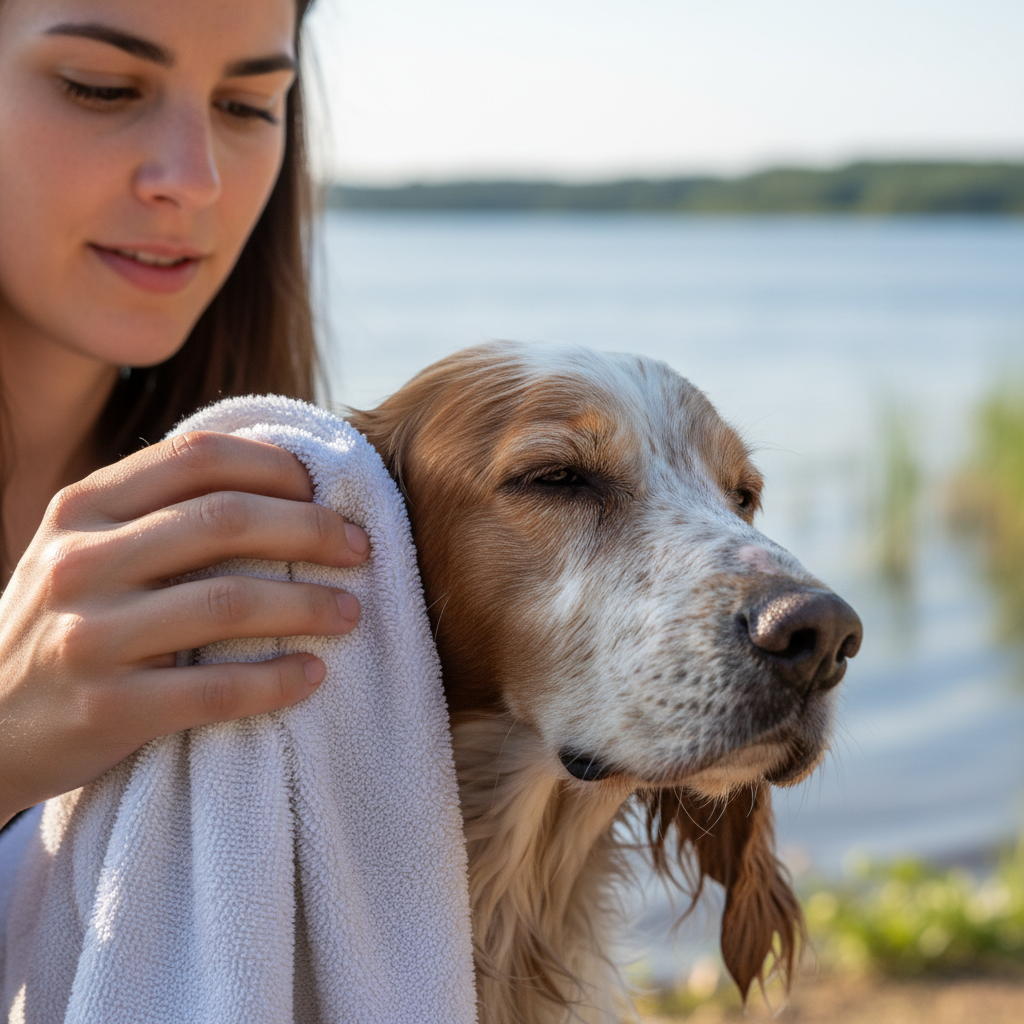
- Rinse and Dry Thoroughly: After every swim, rinse your dog with fresh water to remove chlorine, salt, or bacteria that can irritate their skin. Pay special attention to their ears. Trapped moisture is a leading cause of painful ear infections. Dry their ears thoroughly with a towel or a cotton ball (never a Q-tip).
- Don’t Let Them Drink the Water: Pool chemicals, ocean salt, and bacteria or parasites in lakes and rivers can all make your dog sick. Always have a bowl of fresh, clean water available and encourage them to drink from it.
Conclusion
Teaching your dog to love the water is one of the most rewarding experiences you can share. It opens up a whole new world of games, exercise, and bonding. Remember the three golden rules: be patient, be positive, and prioritize safety above all else. By following these steps, you can help your dog build a confident and joyful relationship with the water that will last a lifetime. Now go on and make some amazing, splash-filled memories together!