

Silence the Howl: Training Your Dog to Ignore Loud Ambulances and Sirens
The piercing wail of a siren cuts through the air, and within seconds, your living room transforms into a concert hall of canine vocalization. For many dog owners, the sound of an ambulance, police car, or fire truck acts as an irresistible trigger for their pets to throw back their heads and howl. While this behavior can be amusing or even endearing initially, it often becomes disruptive, especially if you live in an urban environment where emergency vehicles are a frequent occurrence.
As a canine specialist, I often reassure owners that this behavior is rarely a sign of physical pain. Instead, it is deeply rooted in ancestral instincts and auditory sensitivity. However, just because it is natural does not mean it is unmanageable. With the correct application of desensitization and counter-conditioning techniques, you can teach your dog to remain calm and silent, even when the sirens are at their loudest. This guide will walk you through the professional methods required to silence the howl and help your dog ignore loud sirens.
Understanding the Howl: Instinct vs. Anxiety
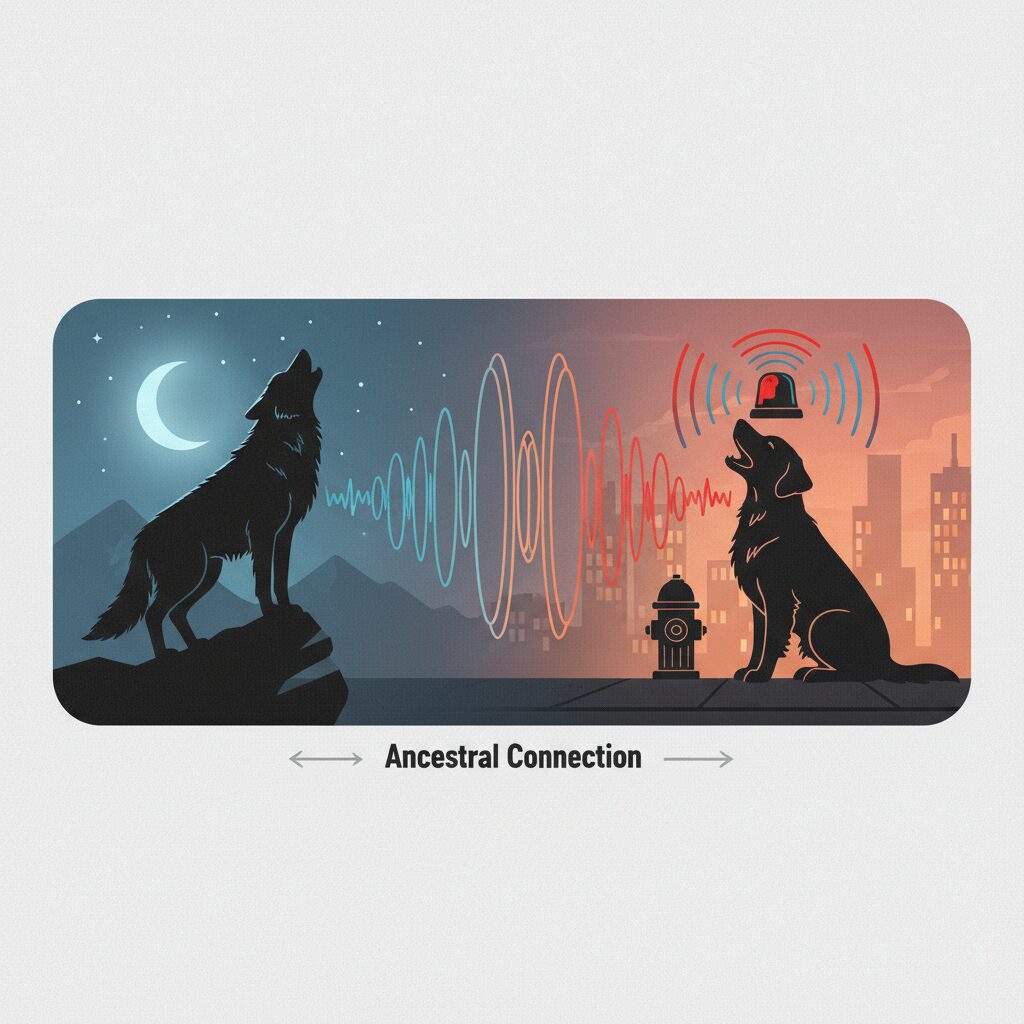
Before diving into training, it is crucial to understand why your dog reacts to sirens. This knowledge helps in maintaining patience throughout the training process. Contrary to popular belief, dogs do not usually howl at sirens because the sound hurts their ears. If the sound were painful, your dog would likely run away, hide, or cover their ears rather than running toward the source or exposing their throat to howl.
The Ancestral Call
The primary driver is genetic. In the wild, wolves use howling to communicate their location to the rest of the pack. The high-pitched, fluctuating frequency of a siren mimics this communication. Your dog is essentially hearing a ‘call’ and feels compelled to answer, announcing, "I am here!" to the perceived pack member.
Anxiety and Alerting
For some dogs, the reaction is less about communication and more about anxiety or guarding. The loud, intrusive noise can be startling. In these cases, the vocalization might be a mix of barking and howling, intended to alert the household to a potential threat. Distinguishing between a soulful, instinctive howl and a frantic, anxious reaction is the first step in tailoring your training approach.
Preparation: Tools and Environment for Success

Successful behavior modification requires preparation. You cannot effectively train your dog to ignore sirens only when a real emergency vehicle passes by, as you cannot control the intensity or duration of that stimulus. You must create a controlled training environment.
- High-Value Treats: Dry kibble will not suffice. You need something that is more interesting to your dog than the instinct to howl. Boiled chicken, cheese, or freeze-dried liver are excellent choices.
- Audio Recordings: You will need access to recordings of various sirens (ambulance, police, fire truck). These can be found on YouTube or specific sound desensitization apps.
- A Bluetooth Speaker: Playing the sound from a phone is often too tinny. A speaker provides the necessary bass and depth to mimic the real sound realistically.
- A Clicker or Marker Word: A clicker or a consistent word like "Yes!" will mark the exact moment your dog chooses silence over vocalization.
Step-by-Step Desensitization Guide
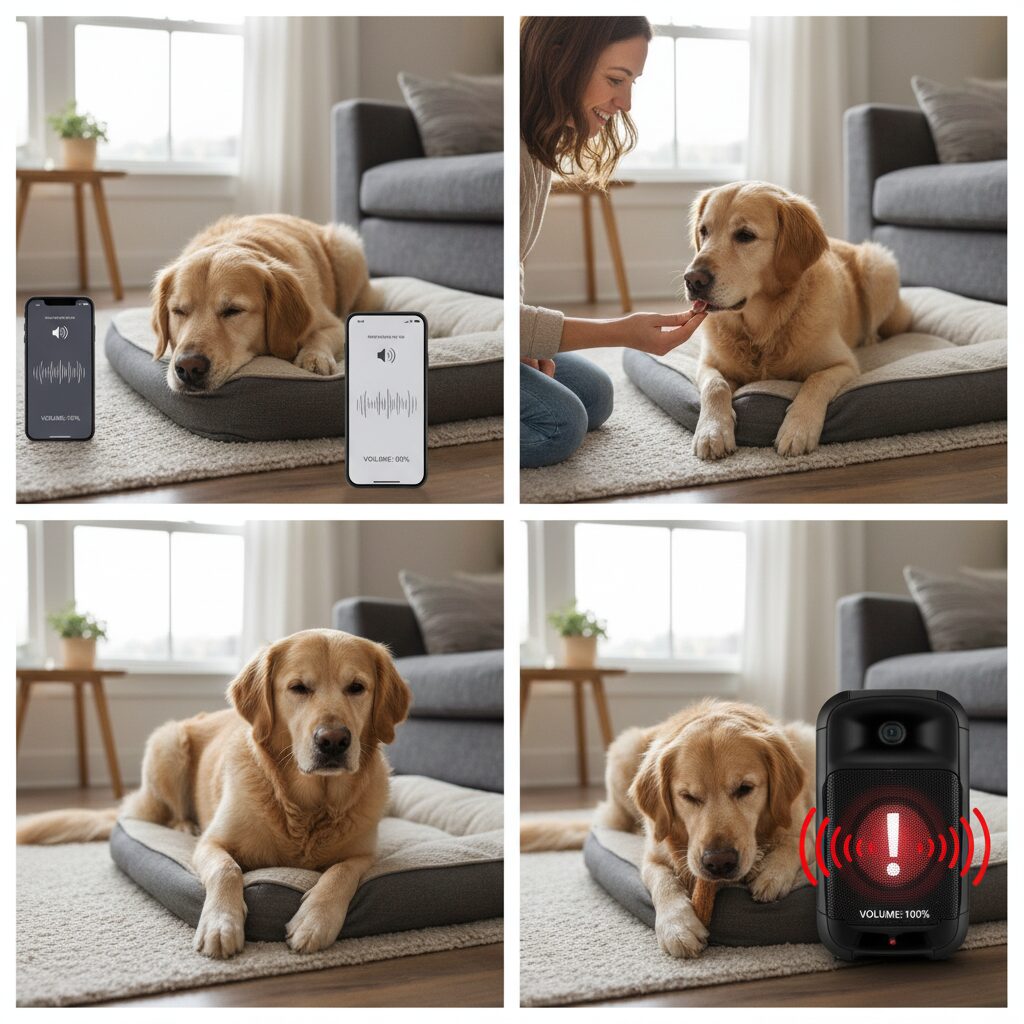
The goal of this process is desensitization (getting used to the sound) and counter-conditioning (changing the emotional response from "I need to howl" to "This sound means treats").
Step 1: Establish a Baseline
Begin in a quiet room with your dog relaxed. Play the siren sound at the lowest possible volume where it is barely audible. If your dog’s ears twitch but they do not vocalize, mark (click/"Yes") and reward immediately. If they howl, the volume is too high.
Step 2: The Open Bar Method
While the low-volume siren is playing, feed your dog a steady stream of high-value treats. The rule is simple: Sound On = Treats Flowing. Sound Off = Treats Stop. This teaches the dog that the noise is a predictor of good things, not a call to action.
Step 3: Gradual Volume Increase
Over several sessions (not all in one day), gradually increase the volume. If you increase the volume and your dog begins to howl or shows signs of stress (lip licking, pacing), stop. Lower the volume to the previous successful level and practice there for a few more repetitions before trying to increase it again. This is not a race; slow progress is permanent progress.
Step 4: Variable Reinforcement
Once your dog can tolerate the sound at a realistic volume without howling, stop the continuous stream of treats. Instead, ask for a behavior, such as "Down" or "Look at Me," while the sound plays. Reward the compliance with the command. This shifts the dog’s brain from emotional reaction to cognitive thinking.
Managing Real-World Scenarios
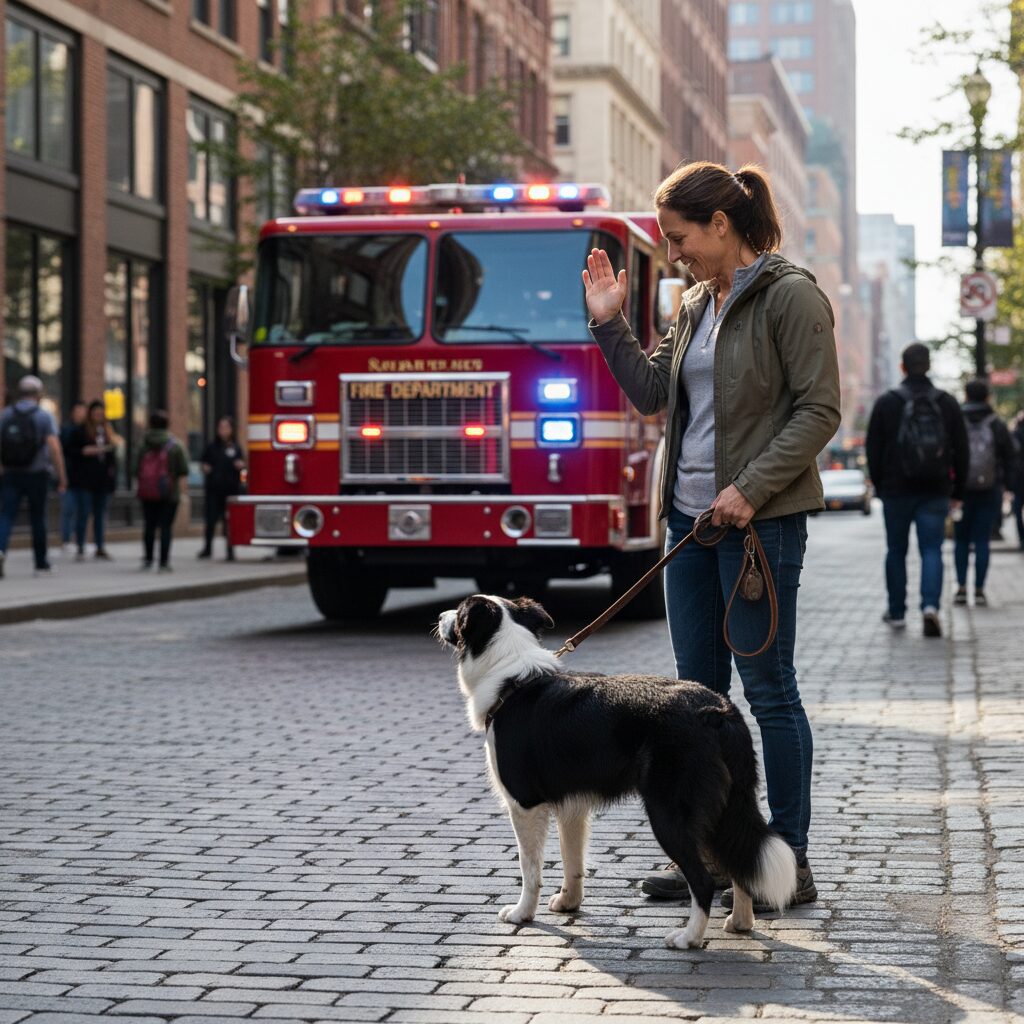
Training with a recording is different from the real thing, which includes vibration, flashing lights, and the Doppler effect. Transitioning your training to the real world requires management strategies.
The "Jolly Routine"
When you hear a siren approaching while on a walk, immediately change your demeanor to be upbeat and happy. Engage your dog before the siren gets loud. Use a "Find It" game by scattering a few treats in the grass. This engages the dog’s nose, which naturally turns off the visual and auditory tracking centers of the brain.
The "Focus" Command
If you are indoors and a loud siren passes, call your dog to you immediately and ask for a "Touch" (nose to hand) or "Watch Me." Reward heavily. You are essentially interrupting the loading phase of the howl. If they have already started howling, do not shout. Wait for a break in the noise (even a split second), mark that silence, and reward.
Troubleshooting and Common Mistakes

Even with the best intentions, owners often inadvertently reinforce the behavior they are trying to stop. Avoid these common pitfalls to ensure your training remains effective.
- Do Not Yell: Shouting "Quiet!" or "Stop!" over a howling dog is counter-productive. To a dog, you are simply joining in the chorus. Your added noise validates their excitement or anxiety.
- Avoid Punishment: Never punish a dog for howling at a siren. Since the behavior is often rooted in instinct or anxiety, punishment will only increase their stress levels, potentially turning a harmless howl into a fear-based aggression issue.
- Moving Too Fast: The most common failure in desensitization is rushing the volume increase. If your dog reacts, you have moved too fast. Regression is part of learning; do not be afraid to go back to step one.
Restoring Peace and Quiet
Training your dog to ignore loud ambulances and sirens is a test of patience and consistency. By understanding that this behavior is a natural biological response, you can approach the training with empathy rather than frustration. Remember to utilize the tools of desensitization, keep your training sessions short and positive, and manage real-world encounters with high-value distractions.
With time, the sound that once triggered a chaotic symphony will become nothing more than background noise to your canine companion. Silence is not just golden; it is a learned behavior that results in a calmer, happier dog and a more peaceful home.