
Shiny Coat Secret: Steamed Fish Balls Loaded with Omega-3s
Hey there, fellow dog lover! Do you ever look at your furry friend and wish their coat had that extra bit of oomph? That glossy, healthy shine that just screams vitality? We all want our dogs to not only feel their best but look their best, too. A dull, dry coat can sometimes be a sign that something is missing from their diet. The secret ingredient to unlocking that show-stopping sheen is often found in the power of Omega-3 fatty acids.
But you don’t need to rely solely on expensive supplements. What if I told you that you could whip up a delicious, nutritious treat in your own kitchen that your dog will go absolutely wild for? Get ready to say goodbye to a lackluster coat and hello to a vibrant, healthy glow. In this guide, we’re diving deep into the world of Omega-3s and sharing our favorite recipe for Steamed Fish Balls—a simple, safe, and incredibly effective way to boost your dog’s health from the inside out.
The ‘Glow-Up’ Nutrient: Why Omega-3s are a Game-Changer for Your Dog’s Coat

The ‘Glow-Up’ Nutrient: Why Omega-3s are a Game-Changer for Your Dog’s Coat
Before we roll up our sleeves and get to the recipe, let’s chat about why these little fish balls are so fantastic. The magic lies in Omega-3 fatty acids, specifically two types called EPA (eicosapentaenoic acid) and DHA (docosahexaenoic acid). Think of these as the superstar building blocks for your dog’s health.
While they are famous for creating a soft, shiny coat, their benefits go much more than skin deep. Here’s a peek at what these powerful nutrients can do:
- Skin & Coat Health: This is the big one! Omega-3s help maintain the skin’s natural moisture barrier. This reduces dryness, flakiness, and itching. A healthy skin barrier means less shedding and a stronger, glossier coat. It’s like an internal moisturizer for your pup.
- Anti-Inflammatory Powerhouse: One of the most celebrated benefits of Omega-3s is their ability to reduce inflammation throughout the body. This is a huge help for dogs with allergies, arthritis, or other inflammatory conditions, helping to ease joint pain and discomfort.
- Brain & Eye Development: Just like for human babies, DHA is a critical component for brain and eye development in puppies. For our senior dogs, it helps support cognitive function, keeping their minds sharp as they age.
- Heart Health Hero: These fatty acids also support cardiovascular health by helping to maintain a healthy heart rate and blood pressure.
Making sure your dog gets enough Omega-3s is one of the easiest and most effective ways to support their overall well-being, from the tip of their nose to the wag of their tail.
While some commercial dog foods include Omega-3s, the amounts can be minimal, and the nutrients can degrade over time. Supplementing with fresh, whole-food sources like fish is a fantastic way to ensure your dog is reaping all these amazing rewards.
Choosing the Right Catch: Best and Safest Fish for Your Dog

Choosing the Right Catch: Best and Safest Fish for Your Dog
Now, you might be tempted to just grab any fish from the supermarket, but hold on! When it comes to our canine companions, not all fish are created equal. The key is to choose fish that are high in Omega-3s but low in mercury and other potential contaminants. It’s also crucial to ensure the fish is properly prepared—meaning cooked and completely deboned.
Here’s a handy guide to help you navigate the fish counter:
The A-List: Best Fish Choices
These fish are generally considered safe and are packed with the good stuff:
- Salmon: A classic choice, loaded with Omega-3s. Always opt for wild-caught salmon if possible, as it typically has a better fatty acid profile and fewer contaminants than some farmed varieties.
- Sardines: These tiny powerhouses are one of the best sources of Omega-3s. Because they are small and have a short lifespan, they don’t accumulate mercury like larger fish. Be sure to buy them packed in water, with no added salt.
- Mackerel: Another oily fish that’s rich in healthy fats. Stick to Atlantic mackerel, which is lower in mercury.
- Herring: Similar to sardines, herring is a small, oily fish that provides a fantastic dose of EPA and DHA.
Fish to Approach with Caution or Avoid
Some fish pose risks due to high mercury levels or other concerns:
- Tuna: While a small amount of canned light tuna (in water) is okay occasionally, it’s best to limit it. Albacore tuna and fresh tuna steaks are very high in mercury and should generally be avoided.
- Shark, Swordfish, King Mackerel, Tilefish: These large, predatory fish are at the top of the food chain and contain dangerously high levels of mercury for dogs. Avoid them completely.
- Farmed Tilapia: This fish is often low in Omega-3s and can be higher in inflammatory Omega-6 fatty acids, which defeats the purpose of our healthy treat.
Below is a quick-reference table to make your shopping trip even easier:
| Fish Type | Safety Notes | Best For |
|---|---|---|
| Wild-Caught Salmon | Excellent source of Omega-3s. Must be cooked and deboned. | Overall health, skin & coat. |
| Sardines (in water) | Low mercury, high Omega-3s. No added salt. | A powerful, safe nutrient boost. |
| Atlantic Mackerel | High in healthy fats, low in mercury. | Joint health and inflammation. |
| Tuna (Canned Light) | Use sparingly due to mercury. Only in water, no salt. | An occasional, small treat only. |
| Swordfish/Shark | AVOID. Dangerously high mercury levels. | Not suitable for dogs. |
Remember the golden rule: Always cook fish thoroughly to kill any potential bacteria or parasites, and meticulously remove every single bone.
Your Step-by-Step Guide to Homemade Steamed Fish Balls
Your Step-by-Step Guide to Homemade Steamed Fish Balls
Alright, it’s time for the fun part! This recipe is incredibly simple and requires just a few ingredients. The result is a soft, chewy, and utterly irresistible treat for your pup. Let’s get cooking!
Ingredients You’ll Need:
- 1 pound (about 450g) of boneless, skinless fish fillets (salmon, sardines, or mackerel work great)
- 1 large egg (helps bind the mixture)
- 1/4 cup finely chopped parsley (adds vitamins and freshens breath)
- 1/4 cup finely grated carrot (for a little beta-carotene boost and natural sweetness)
- Optional: 1 tablespoon of coconut flour or oat flour if your mixture is too wet
Kitchen Tools:
- Food processor or blender
- Steamer basket or a pot with a steaming rack
- Mixing bowl
- Spatula
- Parchment paper
The Recipe Steps:
- Prepare the Fish: First, ensure your fish is completely deboned. Even if you buy fillets, it’s always a good idea to run your fingers over them to check for any stray pin bones. Roughly chop the fish into smaller chunks to make it easier for your food processor.
- Create the Fish Paste: Place the chopped fish into the food processor. Pulse it a few times until it breaks down into a coarse paste. Don’t over-process it into a liquid; you still want a bit of texture.
- Mix the Ingredients: Transfer the fish paste to a mixing bowl. Add the egg, finely chopped parsley, and grated carrot. Use a spatula to mix everything together until it’s well combined. The mixture should be sticky but firm enough to hold a shape. If it feels too wet, add a tablespoon of coconut or oat flour to help bind it.
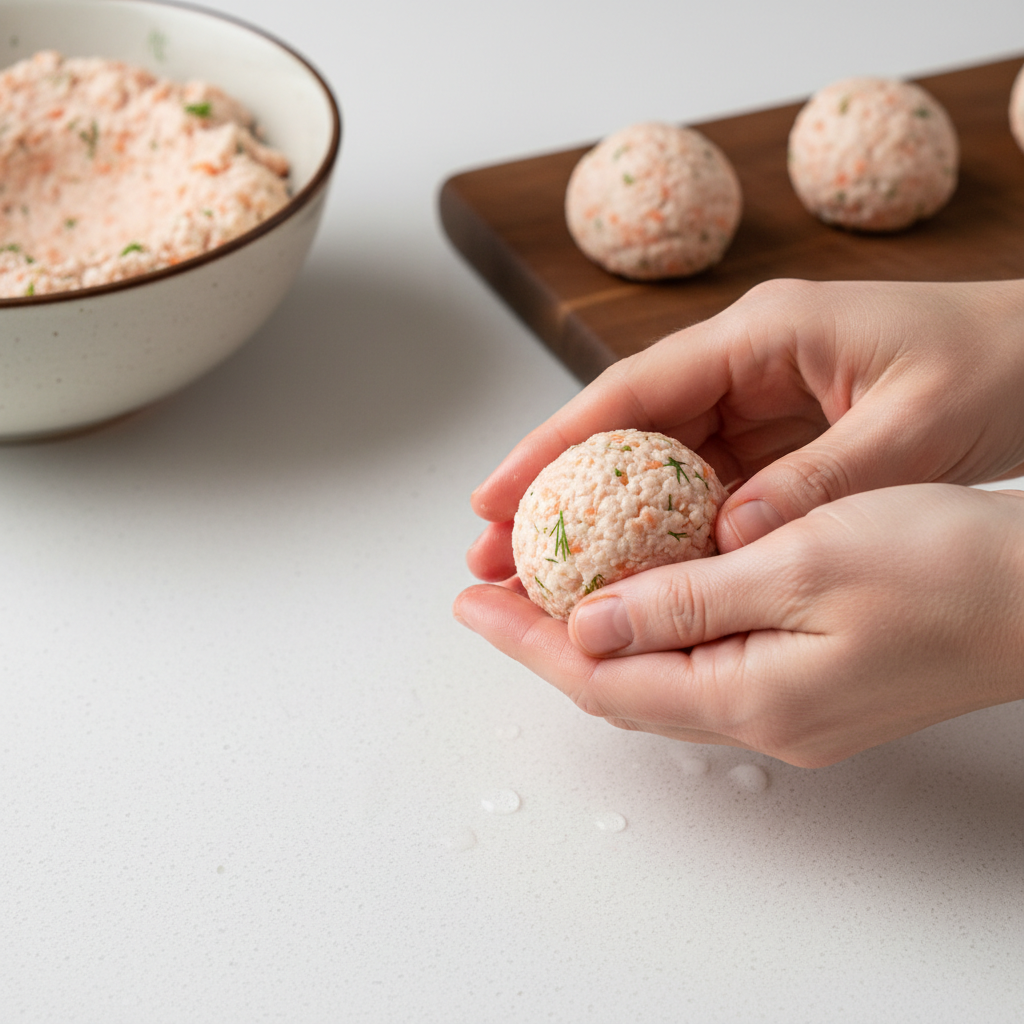
- Form the Balls: Lightly wet your hands to prevent sticking. Take small spoonfuls of the mixture and roll them into bite-sized balls, about 1 inch in diameter. The size should be appropriate for your dog—make them smaller for little breeds and slightly larger for big dogs.
- Set Up Your Steamer: Line your steamer basket with a piece of parchment paper to prevent the fish balls from sticking. If you’re using a pot with a rack, add about an inch of water to the bottom, making sure the water level is below the rack. Bring the water to a gentle boil.
- Steam to Perfection: Carefully place the fish balls into the steamer basket, leaving a little space between each one. Cover the pot and steam them for about 10-15 minutes. They are done when they are firm to the touch and cooked all the way through.
- Cool Down: Once cooked, remove the fish balls from the steamer and let them cool completely on a wire rack before offering one to your eager pup. This is the hardest part—resisting those puppy-dog eyes!
These treats can be stored in an airtight container in the refrigerator for up to 3-4 days or frozen for up to 2 months for a quick and healthy snack later.
Serving Size Savvy: How to Safely Treat Your Dog

Serving Size Savvy: How to Safely Treat Your Dog
Your kitchen smells amazing, the fish balls are cooled, and your dog is likely performing every trick they know to get a taste. But before you start handing them out like candy, let’s talk about portion control. Even the healthiest treats should be given in moderation to avoid unbalancing your dog’s diet and causing weight gain.
The golden rule for all treats, including these nutritious fish balls, is the 10% rule.
Treats should make up no more than 10% of your dog’s total daily caloric intake. The other 90% should come from their complete and balanced dog food.
This can be tricky to calculate exactly, but we can use general guidelines based on your dog’s size. Remember, this is a starting point, and you should adjust based on your dog’s activity level, age, and overall health.
General Daily Serving Guide:
- Extra-Small Dogs (under 10 lbs): 1 small fish ball per day.
- Small Dogs (11-25 lbs): 1-2 small fish balls per day.
- Medium Dogs (26-50 lbs): 2-3 fish balls per day.
- Large Dogs (51-100 lbs): 3-4 fish balls per day.
- Extra-Large Dogs (over 100 lbs): 4-5 fish balls per day, but consult your vet.
Tips for Safe Treating:
- Introduce Slowly: Any time you introduce a new food to your dog’s diet, start with a very small amount (like half a fish ball) to see how their digestive system reacts. Watch for any signs of an upset stomach, like gas or loose stools.
- Break Them Up: For smaller dogs or fast eaters, you can break the fish balls into smaller pieces to reduce the risk of choking and make the treat last longer.
- Use as a High-Value Reward: These are perfect for training! Because they are so delicious, they make an excellent high-value reward for practicing difficult commands or for positive reinforcement.
- Don’t Replace Meals: It’s important to remember that these are supplemental treats. They are not formulated to be a complete and balanced meal.
By being mindful of portion sizes, you can give your dog all the wonderful benefits of these Omega-3-packed treats without any of the downsides. It’s all about finding that happy, healthy balance!
Potential Pitfalls and Other Omega-3 Powerhouses
Potential Pitfalls and Other Omega-3 Powerhouses
While our steamed fish ball recipe is safe and healthy for most dogs, it’s always smart to be aware of potential issues. Plus, what if your dog just isn’t a fan of fish, or you’re looking for other ways to boost their Omega-3 intake? We’ve got you covered.
Potential Risks to Watch For:
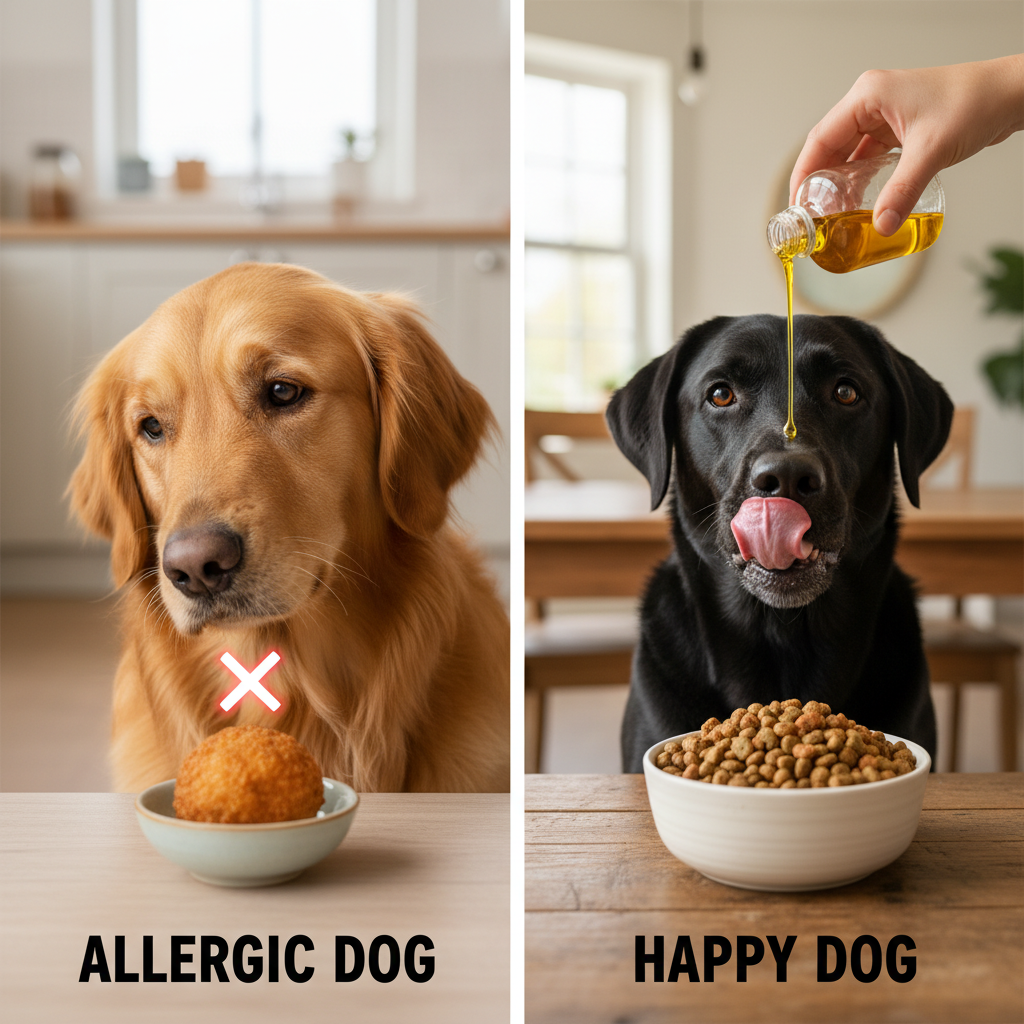
- Allergies: Fish is a potential allergen for some dogs. If you notice any signs of an allergic reaction after feeding a fish ball—such as excessive itching, hives, swelling of the face, or digestive upset—stop giving them immediately and consult your veterinarian.
- Pancreatitis: For dogs prone to pancreatitis, a sudden introduction of a high-fat treat can be a trigger. While the fats in fish are healthy, they are still fats. If your dog has a history of pancreatitis, talk to your vet before adding these to their diet.
- Harmful Add-ins: Our recipe is simple for a reason. Never add ingredients that are toxic to dogs, such as onion, garlic, salt, or artificial seasonings. Stick to dog-safe ingredients only.
What If My Dog Doesn’t Like Fish?
Don’t worry, you can still get those glorious Omega-3s into their diet! If fish balls are a no-go, consider these excellent alternatives:
- High-Quality Fish Oil: This is the most direct alternative. Look for a reputable brand that sources from small, wild-caught fish (like sardines and anchovies) to minimize mercury. It should be third-party tested for purity. You can easily add the liquid oil directly to your dog’s food.
- Flaxseed Oil: A great plant-based source of an Omega-3 called ALA. However, dogs are not very efficient at converting ALA into the more useful EPA and DHA, so it’s not as potent as fish oil for things like joint health, but it’s still beneficial for skin and coat.
- Chia Seeds: Another excellent plant-based source of Omega-3s and fiber. You can sprinkle a small amount of ground chia seeds over your dog’s food.
- Green-Lipped Mussels: These are a fantastic source of Omega-3s and have powerful anti-inflammatory properties, making them especially good for dogs with arthritis. They often come in a powdered form that can be added to meals.
Whether you choose to make our delicious steamed fish balls or opt for a high-quality supplement, incorporating more Omega-3s into your dog’s diet is a fantastic step toward a healthier, happier, and shinier companion.
Conclusion
And there you have it! The not-so-secret secret to a dazzlingly shiny coat and a healthier pup is as simple as a few wholesome ingredients and a little bit of love from your kitchen. By making these Steamed Fish Balls, you’re not just giving your dog a tasty snack; you’re providing them with a powerful boost of Omega-3s that supports everything from their skin and joints to their brain and heart.
Remember to introduce them slowly, keep portion sizes in mind, and always choose the safest, highest-quality fish for your best friend. Seeing that healthy glow in your dog’s coat and the happy wag of their tail will be the best reward. Happy cooking, and here’s to many more years of health and happiness with your furry family member!