
Save Your Woodwork: Stop Door Frame Scratching For Good
Few sounds are as grating to a homeowner as the rhythmic scratching of claws against wood. For dog owners, this sound often signals that their door frames are being systematically dismantled, turning beautiful woodwork into splintered eyesores. However, stopping a dog from scratching door frames requires more than just a physical barrier; it demands an understanding of the canine mind.
Destructive scratching is rarely an act of spite. Instead, it is a symptom of an underlying issue, ranging from separation anxiety and barrier frustration to simple boredom or a biological need to go outside. As a canine specialist, I approach this problem by addressing both the immediate behavior and the root cause. By combining management techniques to protect your property with positive reinforcement training to alter your dog’s emotional state, you can save your woodwork and restore peace to your home.
In this guide, we will explore why dogs target door frames, how to implement immediate protective measures, and the step-by-step training protocols necessary to stop this behavior for good.
Diagnosing the Cause: Why Do Dogs Scratch Doors?

Before we can effectively treat the behavior, we must diagnose the motivation behind it. Treating a boredom issue with anxiety protocols will yield poor results, and vice versa. Generally, door frame scratching falls into three primary categories:
- Separation Anxiety: If the damage occurs exclusively when you are away or separated from the dog, this is likely a panic response. The dog is attempting to escape the room to reunite with you.
- Barrier Frustration: This occurs when a dog knows something exciting is on the other side of the door—such as a guest, another animal, or the mail carrier—and they cannot get to it. The scratching is a redirected physical expression of their frustration.
- Biological Needs or Boredom: Sometimes, the solution is simple. The dog may need to relieve themselves and has learned that scratching gets your attention. Alternatively, an under-stimulated dog may scratch simply because it provides a physical outlet and a reaction from the owner.
Observe when the scratching happens to pinpoint the trigger.
Management: Immediate Protection for Your Home
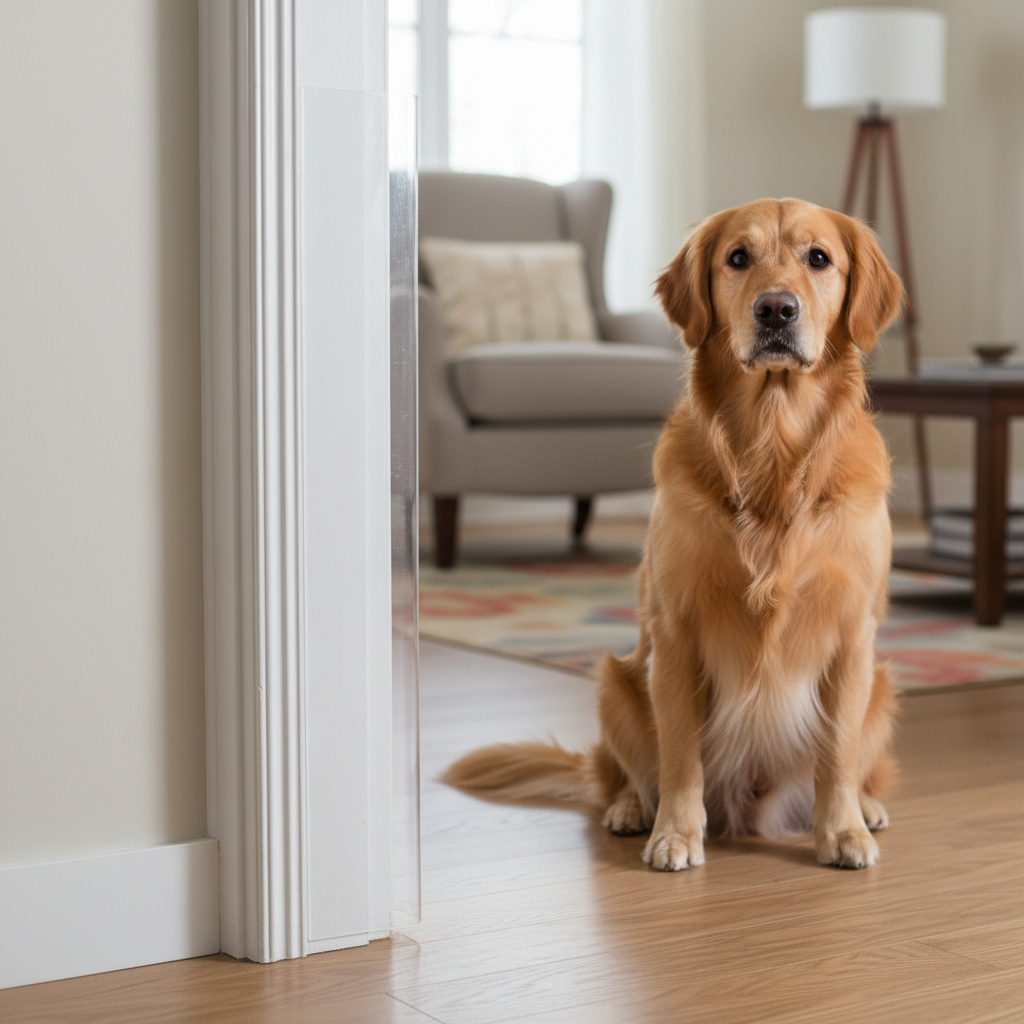
While training takes time, your woodwork needs protection immediately. Management strategies prevent the dog from practicing the destructive behavior while you work on the cure. The more a dog practices a behavior, the more ingrained it becomes.
Install Physical Barriers
Heavy-duty scratch shields made of plexiglass or durable PVC can be mounted directly onto the door and frame. These are slippery, preventing the dog from getting a satisfying grip, which often extinguishes the behavior simply by making it ineffective.
Use Deterrents
Safe, bitter-tasting sprays can be applied to the wood to discourage oral fixation if the dog is also chewing. However, for scratching, texture deterrents like double-sided sticky tape (specifically designed for furniture) can be highly effective, as dogs dislike the tactile sensation on their pads.
Nail Maintenance
Ensure your dog’s nails are trimmed short and buffed smooth. While this does not stop the behavior, it significantly reduces the damage inflicted on the wood during the training process.
Training Protocol: The ‘Place’ Command and Desensitization
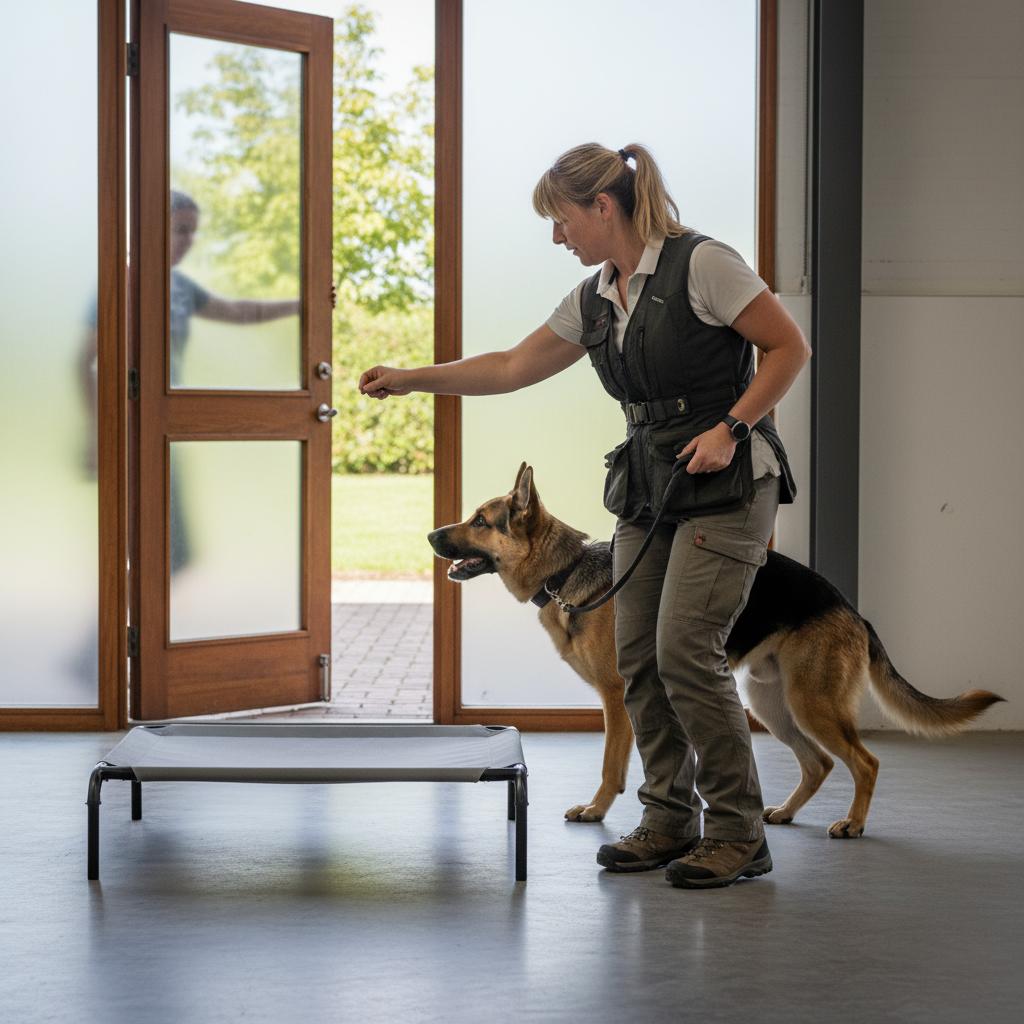
To stop scratching, we must tell the dog what to do instead. We cannot simply remove a behavior without replacing it with a positive alternative.
Mastering the ‘Place’ Command
Teach your dog to go to a specific mat or bed on command. This is incompatible with scratching the door. Practice this heavily in a low-distraction environment before attempting it near the door.
- Step 1: Lure the dog onto the mat and reward heavily.
- Step 2: Add the cue “Place” or “Bed.”
- Step 3: Gradually increase the duration the dog must stay on the bed.
Desensitizing the Door Trigger
If the scratching is triggered by you leaving or opening the door, you must desensitize the dog to these cues.
- Walk toward the door, but do not open it. If the dog stays calm (or stays on their ‘Place’), mark and reward.
- Touch the doorknob. Reward calmness.
- Open the door an inch, then close it immediately. Reward.
The goal is to change the dog’s emotional response to the door from high arousal (anxiety or excitement) to calmness.
Addressing Separation Anxiety Specifics

If you have determined that separation anxiety is the root cause, standard obedience training alone will not suffice. You are dealing with a panic disorder, not a behavioral defiance.
Counter-Conditioning: Associate your departure with something wonderful. Five minutes before you leave, provide a high-value, long-lasting chew or a frozen puzzle toy. This shifts the dog’s focus from your exit to the reward.
Graduated Departures: Start by leaving the room for only seconds. If the dog remains calm and does not scratch, return and ignore them (keeping the reunion low-key). Gradually build up to minutes, then hours. If the dog begins to scratch, you have moved too fast and must regress to shorter intervals.
Enrichment: A Tired Dog is a Good Dog
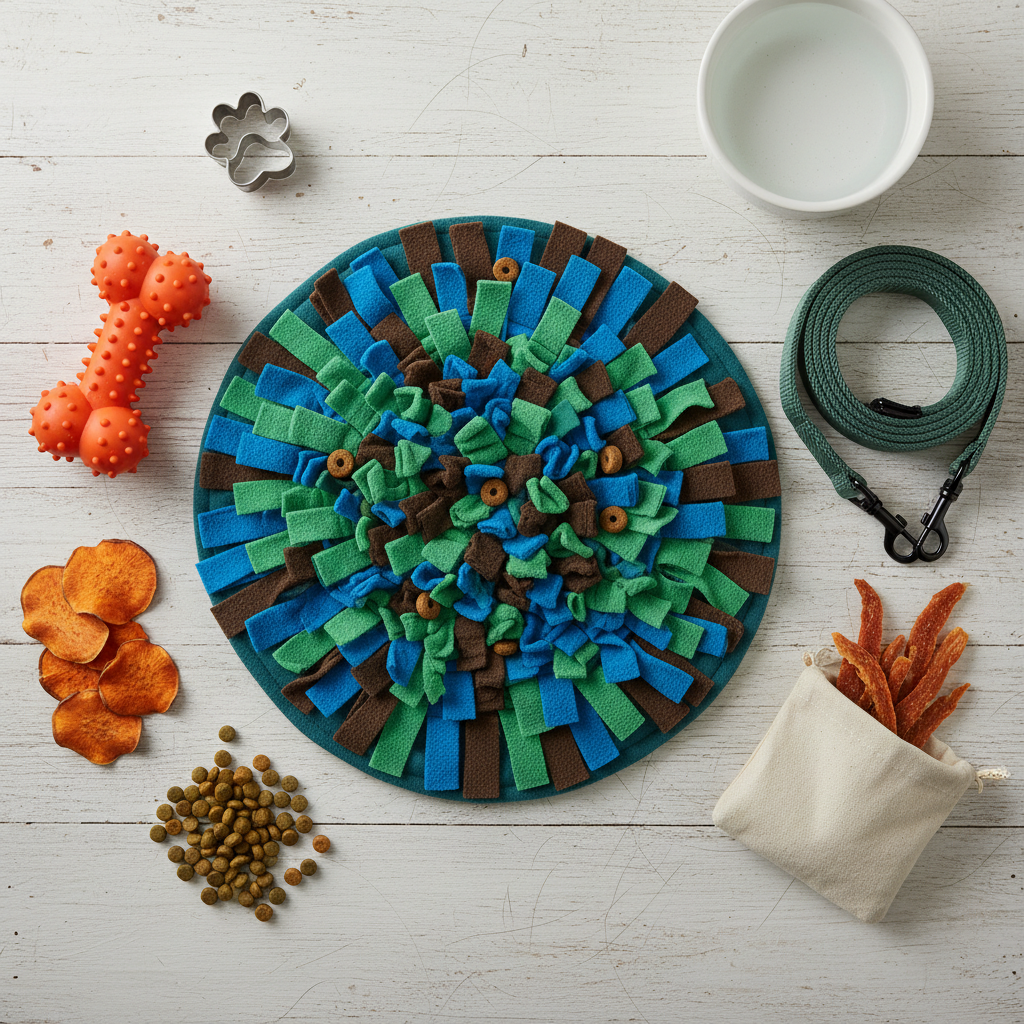
A significant amount of destructive behavior stems from excess energy. If a dog is physically and mentally exhausted, they are far less likely to expend energy dismantling your door frame.
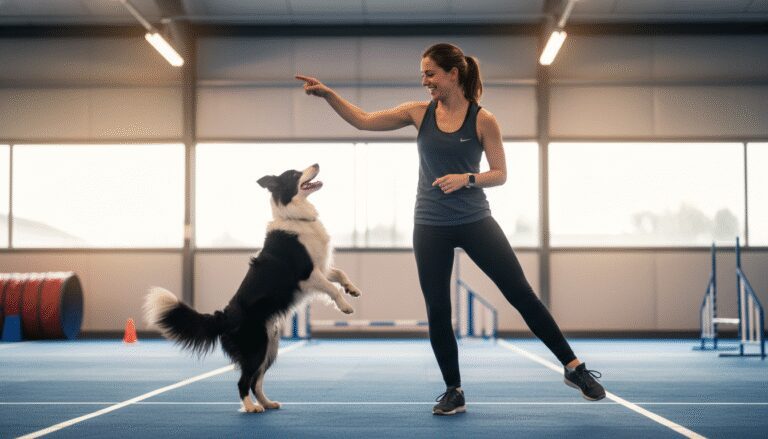
- Physical Exercise: A 15-minute walk is rarely enough for a young, active dog. Incorporate fetch, jogging, or flank-pole exercises to burn visceral energy.
- Mental Stimulation: 15 minutes of nose work or obedience training can be as tiring as a one-hour walk. Feed your dog their meals out of puzzle toys rather than a bowl to engage their brain.
By ensuring your dog’s needs are met before you expect them to be calm, you set them up for success.
Consistency is the Key to Preservation
Saving your woodwork from a scratching dog is a process that requires patience, management, and consistent training. Remember that punishment is rarely effective for this behavior; yelling at a dog for scratching a door often increases their anxiety or simply teaches them not to do it while you are watching. By identifying the root cause—whether it be anxiety, boredom, or frustration—and implementing the strategies outlined above, you can protect your home and help your dog feel more secure and settled. With time and consistency, the scratching will stop, and your door frames will remain intact.