Save Your Pants: How To Stop Puppies From Biting Clothing
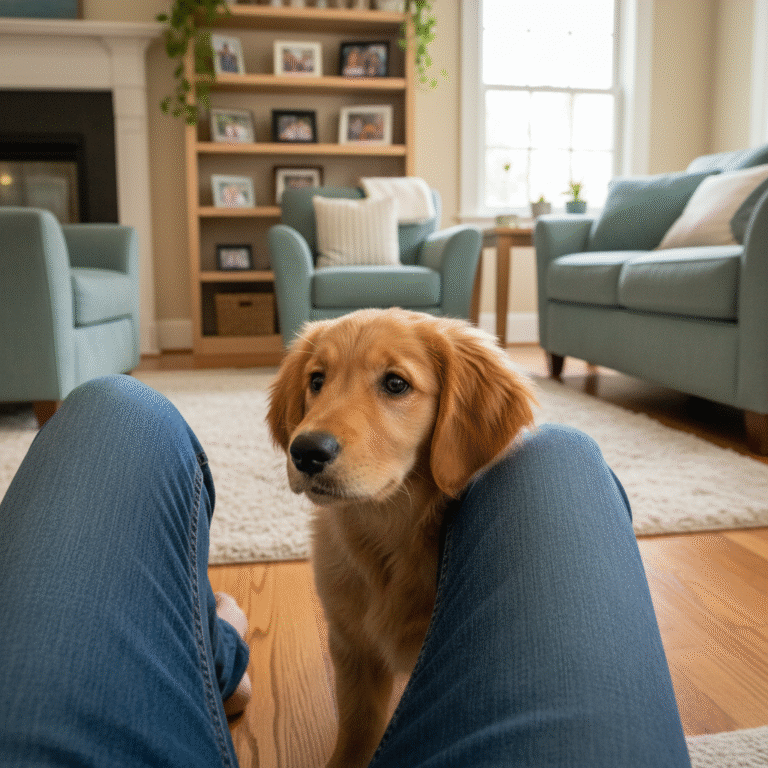
Welcome to the wonderful, chaotic world of puppy parenthood! If you’re reading this, chances are you’ve already discovered your new best friend has a secret identity: the Pant Leg Piranha. One minute they’re an adorable fluffball, the next they’re latched onto your cuff with the tenacity of a tiny alligator. Don’t worry, you’re not alone, and your wardrobe isn’t doomed. This behavior, while frustrating, is completely normal for a puppy. They’re exploring their world with their mouths, teething, and trying to initiate play.
The great news is that with a little patience, consistency, and the right techniques, you can teach your pup that human clothes are off-limits. This guide will walk you through the why, the how, and the what-ifs of stopping your puppy from biting your clothing. Let’s get started and reclaim your pants!
Why Your Puppy Thinks You’re a Walking Chew Toy
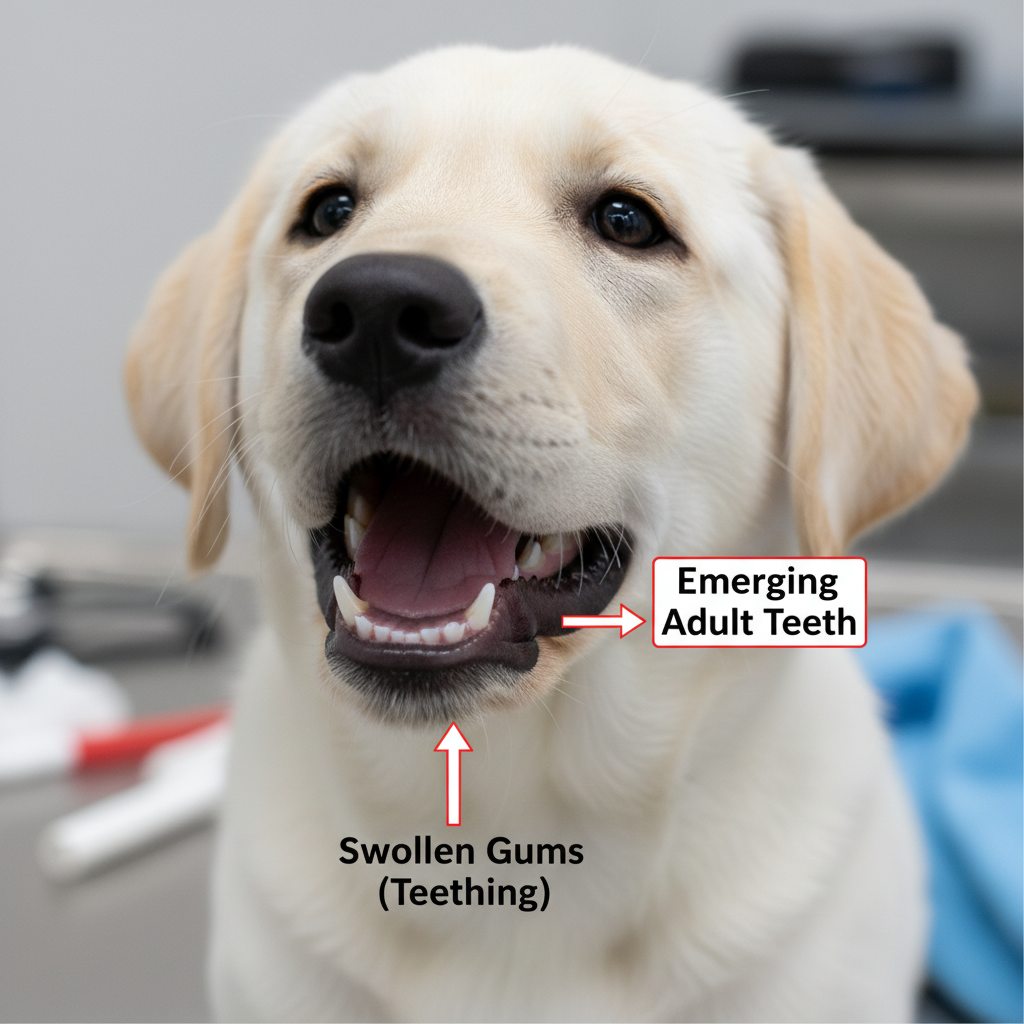
Before we dive into the solutions, it’s super helpful to understand why your puppy is doing this. It’s not because they’re being naughty or aggressive; it’s all part of their puppy development. Here are the main reasons:
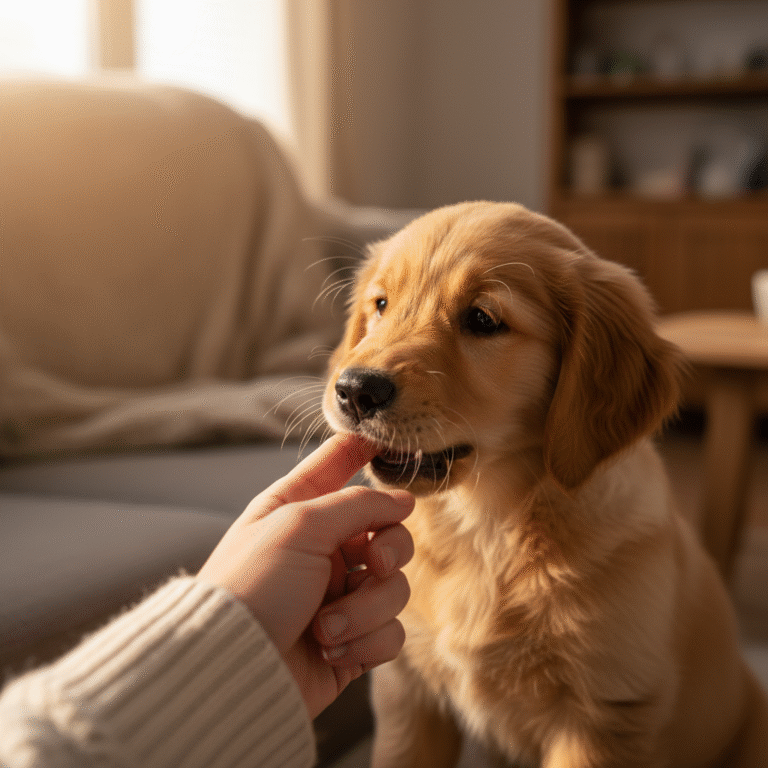
- Teething: Just like human babies, puppies experience discomfort when their adult teeth are coming in. Chewing on things—including the soft fabric of your pants—helps soothe their sore gums. This phase typically happens between 3 and 6 months of age.
- Exploration: Puppies don’t have hands, so they use their mouths to learn about the world around them. The texture, movement, and your reaction to them biting your clothes are all fascinating new data points for them.
- Play Instinct: In a litter, puppies play by wrestling, nipping, and tugging on each other. When they tug on your pant leg, they’re often just trying to get you to play with them in the only way they know how. The flapping motion of your clothes as you walk is incredibly enticing!
- Attention Seeking: Puppies are smart! They quickly learn that latching onto your clothes gets an immediate reaction. Even if it’s a negative reaction (like saying “No!”), it’s still attention. And for a social creature like a puppy, any attention can feel better than no attention.
Understanding these motivations is the first step. You’re not correcting a ‘bad’ dog; you’re redirecting a normal puppy’s instincts toward more appropriate outlets.
The 3-Step Method: Redirect, Reward, Remove
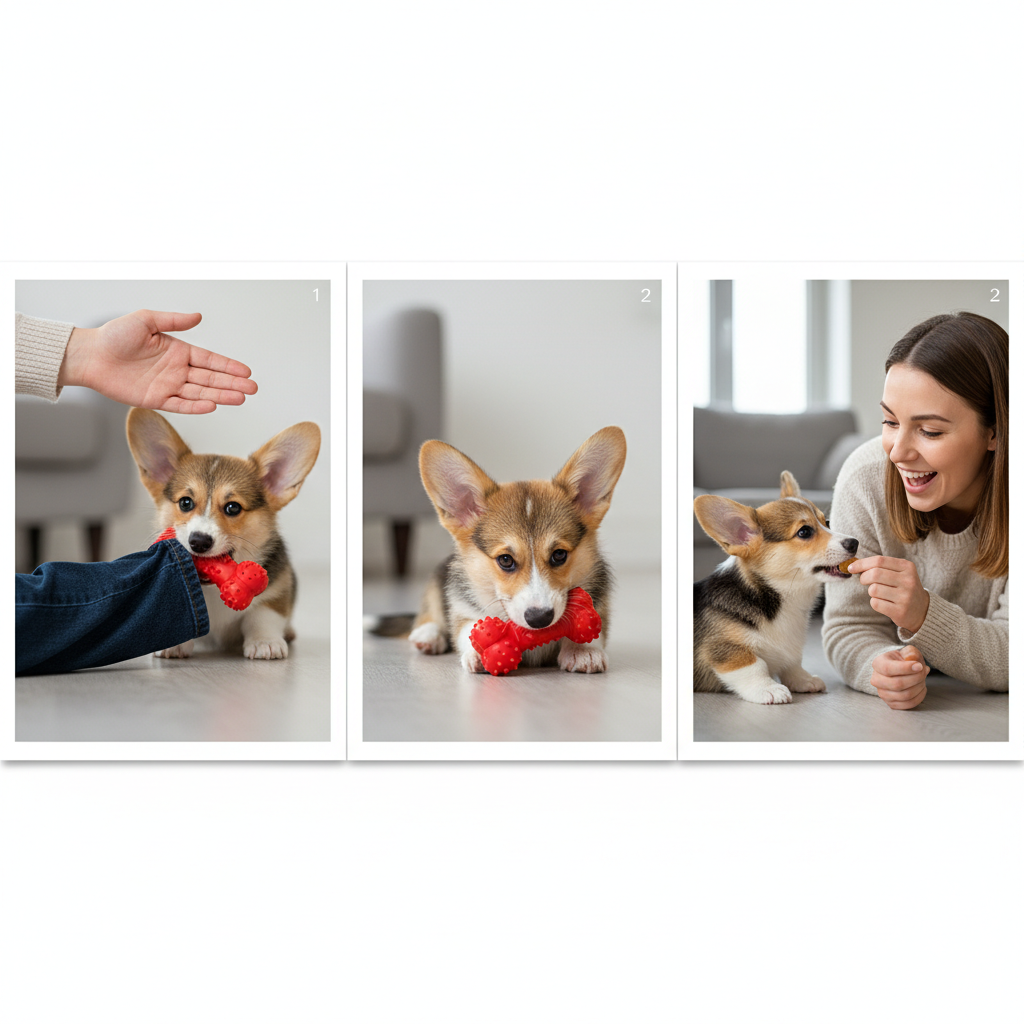
Okay, it’s time for the game plan! This method is simple, effective, and based on positive reinforcement. Consistency from everyone in the household is the key to making it work.
Step 1: Redirect the Bite
The moment you feel those puppy teeth on your clothes, your first move is to stop moving. Freezing makes the ‘game’ less fun. Then, immediately and calmly offer your puppy an appropriate alternative. This should be a high-value toy that’s more interesting than your boring old pants.
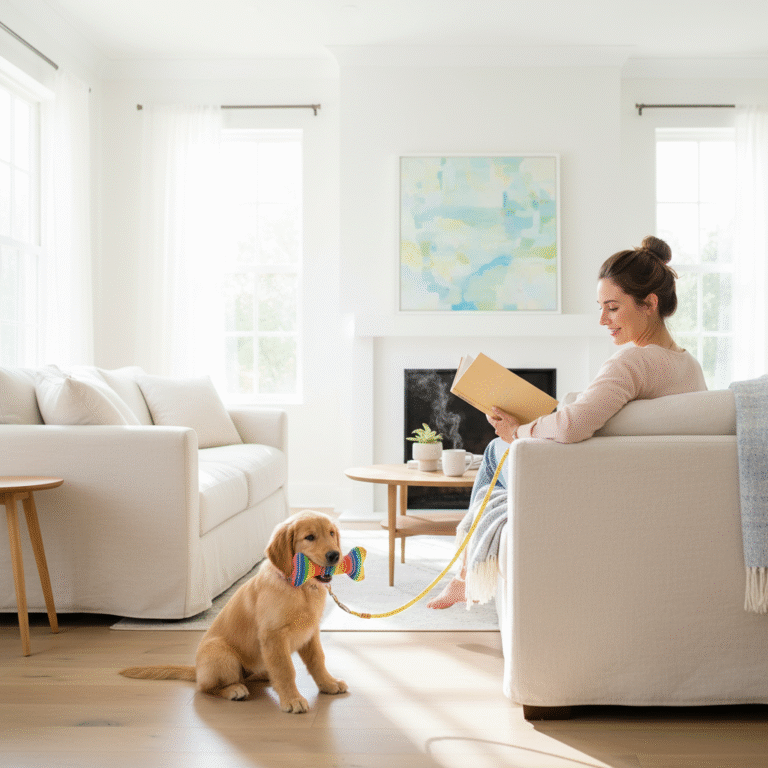
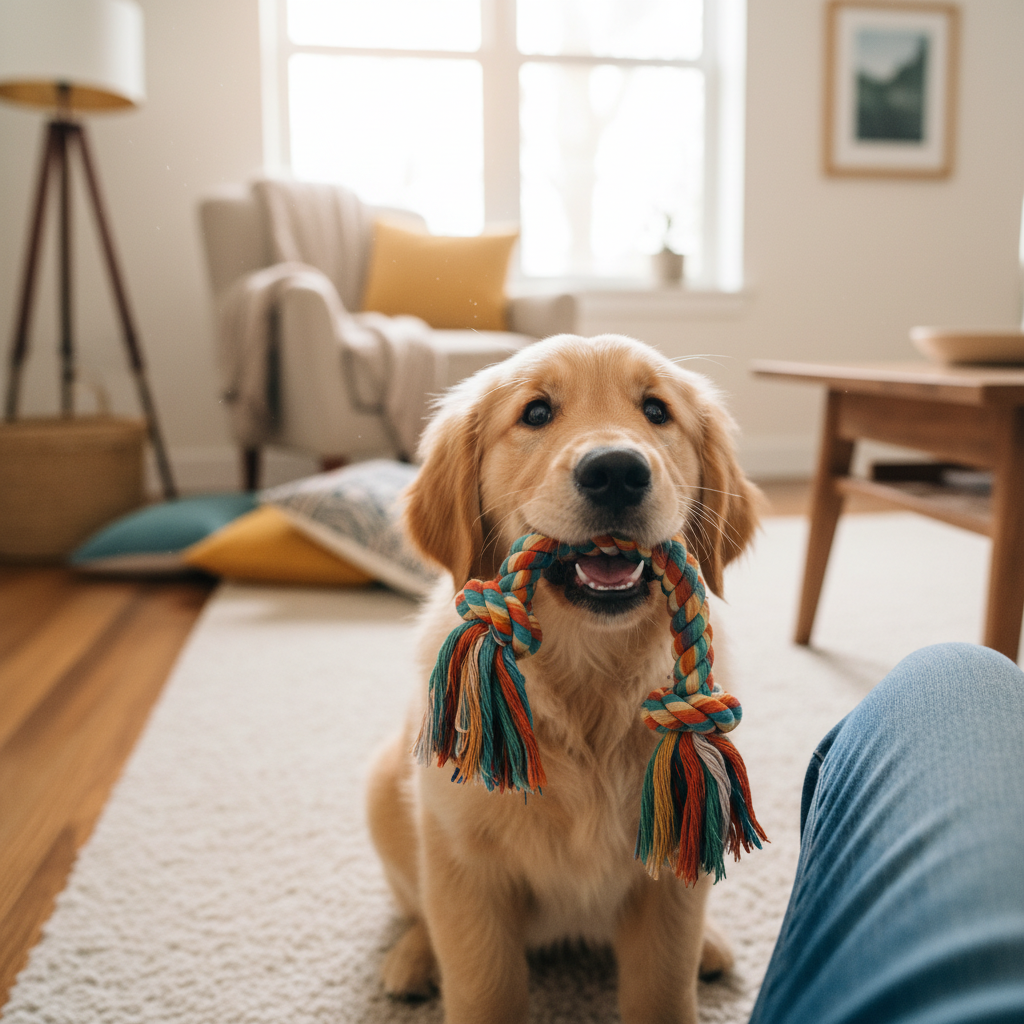
- Have chew toys easily accessible in every room. A rope toy, a squeaky plush, or a durable rubber toy work wonders.
- When your puppy latches on, say a calm but firm “Oops!” or “Eh-eh” and immediately present the toy, wiggling it to make it seem exciting.
Step 2: Reward the Switch
As soon as your puppy lets go of your clothing and puts their mouth on the toy, it’s time for a praise party! This is the most crucial part of the process. You’re teaching them, “This is what I want you to do!”
- Use an enthusiastic, happy tone of voice. “Yes! Good puppy! What a good choice!”
- Engage in a quick game of tug or fetch with the toy. This reinforces that playing with toys is way more fun than chewing on people.
- You can also offer a small, tasty treat once they’ve engaged with the toy for a few seconds.
Step 3: Remove the Opportunity (Time-Out)
What if they don’t take the toy and keep going for your clothes? If redirection doesn’t work after a couple of tries, it’s time for a brief ‘time-out.’ This isn’t a punishment, but rather the removal of the fun (which is you!).
- Calmly say “Too bad” and step over a baby gate or into another room for 15-30 seconds.
- This teaches the puppy that biting clothes makes their favorite playmate disappear. It’s a natural consequence.
- When you return, come back calmly and try to re-engage in an appropriate activity. Don’t hold a grudge!
Expert Tip: Consistency is everything. Every single time the puppy bites clothing, the response must be the same from every person in the family. This clear communication helps your puppy learn the rules quickly.
Setting Your Puppy Up for Success: Management and Prevention
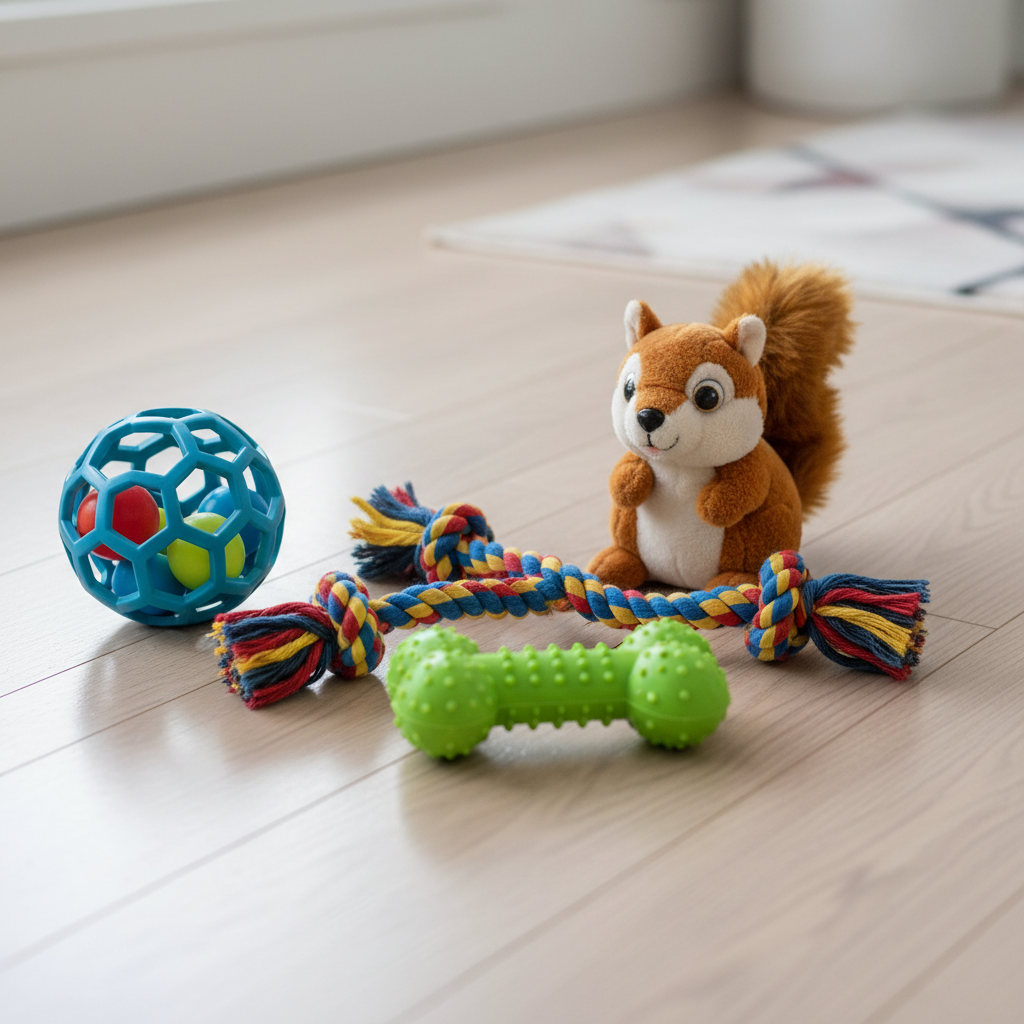
Training is fantastic, but management is your secret weapon. Preventing the behavior from happening in the first place is often easier than correcting it in the moment. Here’s how to create a bite-proof environment:
- Puppy-Proof Your Wardrobe: For a little while, avoid wearing long, flowing clothes, dangling scarves, or shoelaces that trail on the ground. These are practically invitations for a puppy to pounce. Opt for less tempting attire when you’re actively playing with your pup.
- Provide a Toy Arsenal: Don’t just have one chew toy. Have a variety of textures and types. Rotate them every few days to keep things new and exciting. A bored puppy is a mischievous puppy. Think rubber toys for teething, puzzle toys for mental stimulation, and soft toys for cuddling.
- Tire Them Out: A tired puppy is a good puppy! Ensure your pup is getting enough physical exercise (walks, fetch) and mental stimulation (training sessions, puzzle toys) every day. Pent-up energy often comes out through unwanted chewing and biting.
- Use a ‘Drag Leash’: In the house, you can have your puppy wear a lightweight leash (with the handle cut off to prevent snagging) that you can easily step on to prevent them from jumping and biting when they get overexcited. This is a management tool, not for corrections.
Common Mistakes to Avoid (We’ve All Made Them!)
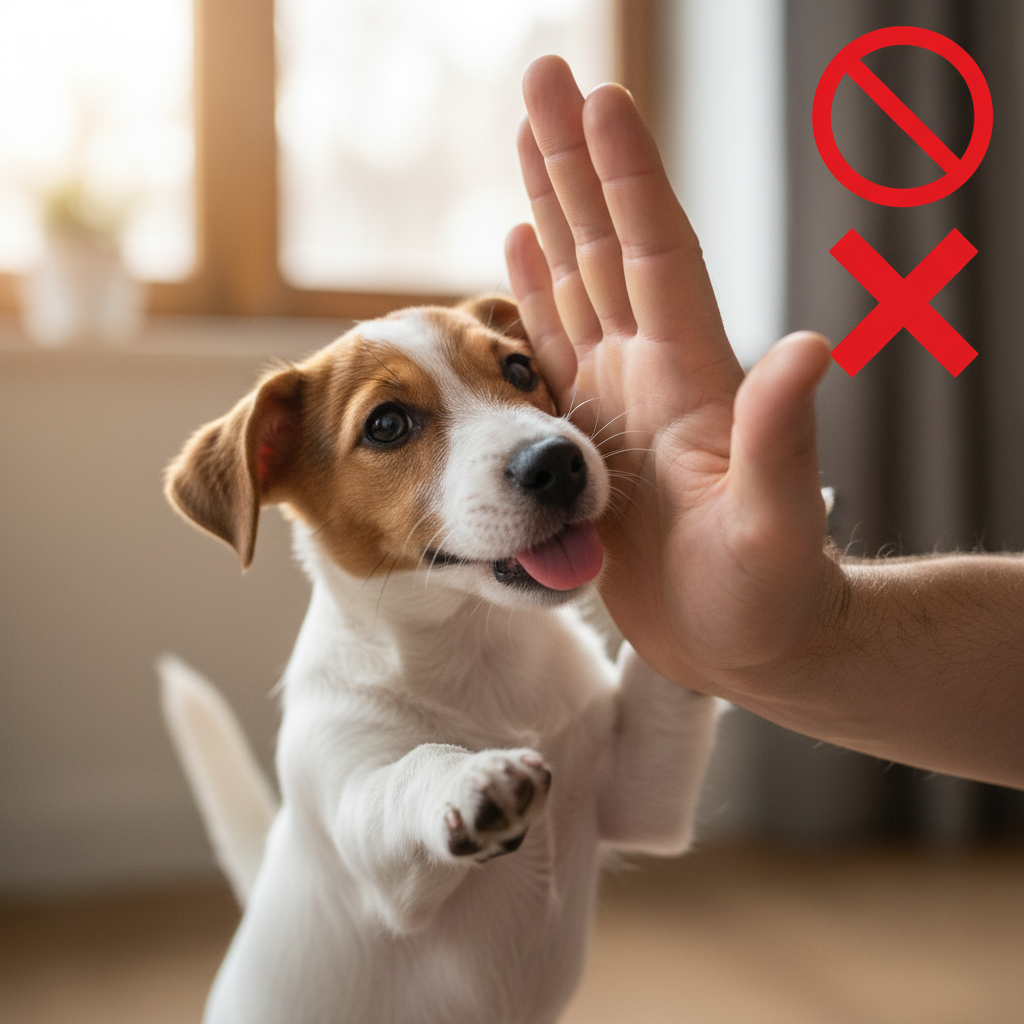
Sometimes, our natural reactions can accidentally make the problem worse. Be mindful to avoid these common pitfalls:
- Yelling or Pushing the Puppy Away: This can often be interpreted by the puppy as rough play. They might think, “Oh, great! The human is playing back!” and come at you with even more enthusiasm. It can also create fear and anxiety, which can damage your bond.
- Tugging Your Clothes Out of Their Mouth: This initiates a game of tug-of-war! To your puppy, this is a super fun game that you just started. Instead, freeze and wait for them to let go before redirecting.
- Allowing ‘Sometimes’ Biting: If you sometimes let them nibble on your old sweatpants but not your work trousers, you’re sending mixed signals. The rule has to be simple and absolute: no teeth on any human clothes, ever.
- Forgetting to Praise the Good Stuff: It’s easy to only react when the puppy is doing something wrong. Make an effort to catch them chewing on an appropriate toy and praise them for it. Rewarding good choices is just as important as redirecting bad ones.
Conclusion
Remember, this phase won’t last forever! Biting clothes is a normal, albeit annoying, part of puppyhood. By understanding why your puppy is doing it and consistently applying the ‘Redirect, Reward, Remove’ method, you are teaching them crucial life skills. You’re building a foundation of communication and trust that will last a lifetime.
Stay patient, stay positive, and celebrate the small victories. Before you know it, your little land shark will transform into a well-mannered companion, and your pants will be safe once more. Happy training!