

Save Your Dog’s Life: The Ultimate Guide To Toad Avoidance Training
Hey there, fellow dog lover! We all want to keep our four-legged family members safe, and we often think about the obvious dangers like traffic or certain foods. But what about a threat that could be hopping around in your own backyard? Certain species of toads can be highly toxic, and a curious lick or bite can lead to a life-threatening emergency. It’s a scary thought, but don’t worry! With the right knowledge and training, you can teach your dog to steer clear of these bumpy critters. This guide is all about empowering you with the tools and techniques for toad avoidance training. Think of it as a superpower you can give your dog to keep them safe during their outdoor adventures. Let’s hop to it!
Why Toads Can Be a Toxic Topic for Dogs
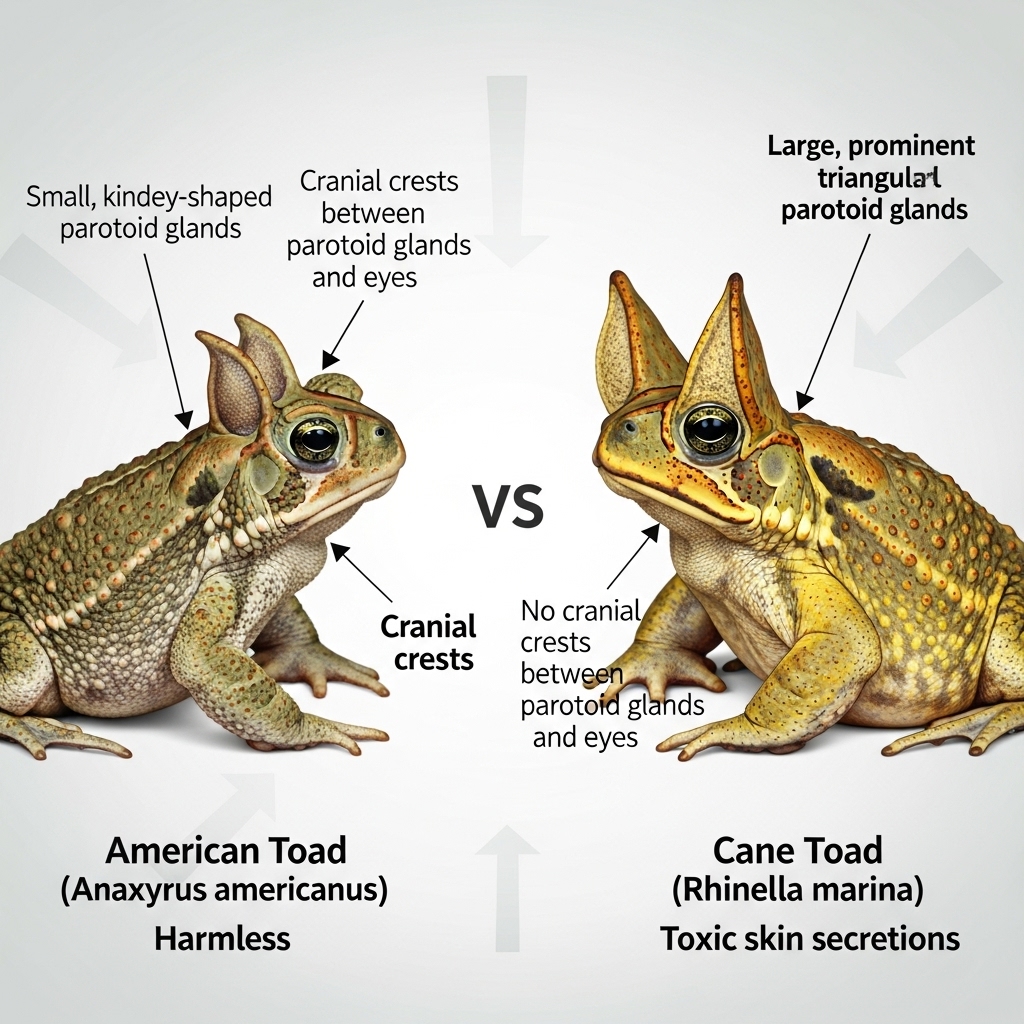
Not all toads are created equal, and for our dogs, some are far more dangerous than others. The main culprits in North America are the Cane Toad (also known as the Bufo Toad) and the Colorado River Toad (or Sonoran Desert Toad). These amphibians secrete a potent, milky-white toxin from glands behind their eyes as a defense mechanism. When a curious dog mouths, licks, or ingests one of these toads, the toxin is rapidly absorbed through the membranes of the mouth.
The effects can be terrifyingly fast and severe. Symptoms of toad poisoning include:
- Excessive drooling or foaming at the mouth
- Pawing at the mouth or face
- Vomiting and diarrhea
- Red, inflamed gums
- Disorientation and stumbling
- Dilated pupils
- Difficulty breathing
- Seizures and convulsions
- Elevated heart rate and cardiac arrhythmias
In severe cases, toad poisoning can be fatal in as little as 15 minutes. This isn’t meant to scare you, but to highlight why proactive training is so incredibly important. Knowing which toads are local to your area is the first step in understanding your dog’s risk level.
Gathering Your Training Toolkit

Before you begin, let’s get all your gear in order. Successful training is all about being prepared! The goal here is to use positive reinforcement to build a strong, reliable ‘leave it’ command that extends to toads. You won’t need anything too fancy, just a few key items:
- A 6-foot to 15-foot leash: This gives your dog a little freedom to explore but keeps them safely under your control. Avoid retractable leashes for this type of training, as they offer less precise control.
- High-Value Treats: We’re talking about the good stuff! Think small pieces of cooked chicken, cheese, or your dog’s absolute favorite store-bought treat. The reward needs to be more enticing than the curiosity of the toad.
- A Clicker (Optional): If you’re a fan of clicker training, this is a great tool for marking the exact moment your dog makes the right choice (like looking away from the ‘toad’).
- A Realistic Toad Decoy: Using a real toad is unsafe and cruel. A rubber or plastic toad decoy that looks realistic is the perfect stand-in. You can find these at garden supply stores or online. Make sure it’s large enough that your dog can’t swallow it.
Expert Tip: Keep your training sessions short and sweet, around 5-10 minutes each. This helps keep your dog engaged and prevents them from getting frustrated or bored. Always end on a positive note!
Step-by-Step Toad Avoidance Training

Alright, it’s time for the fun part! This process is about teaching your dog that ignoring the toad is the most rewarding thing they can possibly do. Patience and consistency are your best friends here.
Phase 1: Mastering a Bomb-Proof ‘Leave It’
Before introducing the decoy, your dog needs a solid ‘leave it’ command. Start easy and work your way up.
- Place a low-value treat (like a piece of kibble) on the floor and cover it with your hand. Let your dog sniff. The moment they pull their nose away, even for a second, say ‘Yes!’ and give them a high-value treat from your other hand.
- Once they are reliably backing off your hand, you can start saying ‘Leave it’ as you place the treat down.
- Gradually increase the difficulty by uncovering the treat, then dropping treats, and eventually working up to leaving treats on the ground during walks.
Phase 2: Introducing the Toad Decoy
Now, let’s apply that ‘Leave It’ command to our rubbery friend.
- Controlled Introduction: In your yard, on leash, place the toad decoy on the ground. Walk your dog toward it. The second your dog notices it and shows interest, say ‘Leave it’ in a firm, upbeat voice.
- Reward the Turn-Away: The instant your dog looks away from the decoy and toward you, praise them enthusiastically and give them a high-value treat. You are rewarding them for making the choice to disengage.
- Create Distance: If they ignore your command and lunge for the decoy, use the leash to create gentle pressure and guide them away. Do not jerk the leash. Once they disengage, praise them. The goal is to teach them that moving away from the toad brings rewards.
- Practice, Practice, Practice: Repeat this in different areas of your yard and at different times of day to generalize the behavior. Make a game out of it!
Emergency Action Plan: What to Do If an Encounter Happens

Even with the best training, accidents can happen. If you suspect your dog has licked or bitten a toxic toad, you must act IMMEDIATELY. Time is critical.
Step 1: Flush the Mouth
First things first, you need to get the toxins out. Use a gentle, steady stream of water from a hose or faucet to rinse your dog’s mouth. Important: Point your dog’s head downward and rinse from the side of the mouth, so the water flows out and isn’t swallowed. You don’t want them ingesting more toxins. Continue flushing for 10-15 minutes.
Step 2: Wipe the Gums
Use a wet cloth or paper towel to gently but thoroughly wipe their gums, tongue, and the roof of their mouth. This helps remove any sticky toxins that the water didn’t get.
Step 3: Call Your Vet or an Emergency Pet Hospital IMMEDIATELY
This is not a ‘wait and see’ situation. While you are rinsing their mouth (if possible, have a second person help), call your veterinarian or the nearest 24-hour emergency animal hospital. Let them know you are on your way and that you suspect toad poisoning. They can prepare for your arrival and provide life-saving care. Do not induce vomiting unless specifically instructed to do so by a veterinary professional.
Conclusion
Protecting our dogs is our number one job as pet parents, and toad avoidance training is a powerful skill in your safety arsenal. By building a strong ‘leave it’ command and practicing with a decoy, you’re not just teaching a trick—you’re teaching a survival skill. Remember to stay positive, be consistent, and celebrate the small victories. Your hard work will pay off, giving you peace of mind and keeping your curious canine safe from the hidden dangers that might be lurking in the grass. Now you’re ready to create a safer backyard for you and your best friend to enjoy together!