
Safe & Sweet: The Only Treats You Should Give a Diabetic Dog
When your furry best friend is diagnosed with diabetes, your world can feel like it’s been turned upside down. Suddenly, you’re tracking blood sugar levels, administering insulin, and scrutinizing every single ingredient in their food bowl. It’s natural to wonder, ‘Can my dog even have treats anymore?’ The answer is a resounding YES!
You don’t have to give up those special bonding moments that come with giving a treat. You just need to be a bit more savvy about what you’re offering. The wrong treat can send their blood glucose on a dangerous rollercoaster, while the right one can be a healthy, safe, and joyful part of their day. This guide will walk you through everything you need to know to keep the treats coming, safely and sweetly.
Understanding Canine Diabetes and Why Treats Matter So Much

Before we dive into the fun stuff (the treats!), let’s quickly understand the ‘why.’ Canine diabetes is similar to human diabetes. Your dog’s body either doesn’t produce enough insulin or can’t use it effectively. Insulin is the key that unlocks cells, allowing glucose (sugar) from food to enter and be used for energy. Without it, sugar builds up in the bloodstream, leading to serious health problems.
The goal of managing diabetes is to keep blood sugar levels stable. This is done through a careful balance of diet, exercise, and insulin medication. So, where do treats fit in? A treat is essentially a mini-meal. A traditional dog biscuit, often packed with flour, starches, and sugars, can cause a rapid spike in blood glucose. For a diabetic dog, this is like throwing a log on a fire you’re trying to control. That’s why choosing the right kind of treat is not just a good idea—it’s a critical part of their medical care.
Treats for a diabetic dog should be considered part of their overall dietary plan, not just an extra. Consistency is key to managing their health effectively.
The Anatomy of a Perfect Diabetic Dog Treat

So, what should you look for on the label or in your fridge? A safe treat for a diabetic dog has a specific nutritional profile. Think of it as a checklist for health:
- Low Glycemic Index: This is the most important factor. Low-glycemic foods release sugar into the bloodstream slowly and steadily, preventing dangerous spikes. Think fiber-rich veggies and lean proteins, not starchy grains.
- High in Fiber: Fiber is a diabetic dog’s best friend. It slows down digestion and the absorption of sugar, promoting stable blood glucose levels. It also helps your dog feel full and satisfied.
- Lean Protein: Protein is great for energy and muscle maintenance, and it has a minimal effect on blood sugar. Look for single-source proteins like chicken, turkey, or fish.
- No Added Sugars or Sweeteners: This is a non-negotiable. Scrutinize labels for hidden sugars like corn syrup, molasses, fructose, or honey. Even natural sweeteners can cause problems.
- Minimal Processing & Simple Ingredients: The fewer ingredients, the better. Treats made from whole, single ingredients (like freeze-dried chicken) are often the safest bet because you know exactly what your dog is eating.
Navigating the Pet Store: Safe Commercial Options

Walking down the treat aisle can be overwhelming, but you can become a pro at spotting the good stuff. Many brands now offer treats specifically for dogs with dietary restrictions. However, don’t just rely on the marketing on the front of the bag! Always turn it over and read the ingredient list and guaranteed analysis.
Label Reading 101
Here’s a simple chart to help you decide what to grab and what to leave on the shelf.
| Look For This (The Good Stuff) | Avoid This (The Red Flags) |
|---|---|
| Single-ingredient treats (e.g., freeze-dried chicken, beef liver, salmon) | Corn, wheat, soy, or white rice as main ingredients |
| High protein content | Sugars (molasses, syrup, honey, fructose) |
| High fiber content (from sources like pumpkin or beet pulp) | Artificial preservatives, colors, or flavors |
| Treats specifically marketed for ‘diabetic’ or ‘weight management’ diets (after checking ingredients) | High-fat content or unnamed ‘meat by-products’ |
DIY Delights: Safe and Easy Treats from Your Kitchen

Sometimes the best treats aren’t from a bag at all! Your own kitchen is full of safe, healthy, and affordable options your dog will love. This also gives you 100% control over what goes into their body.
The Easiest Treats Ever:
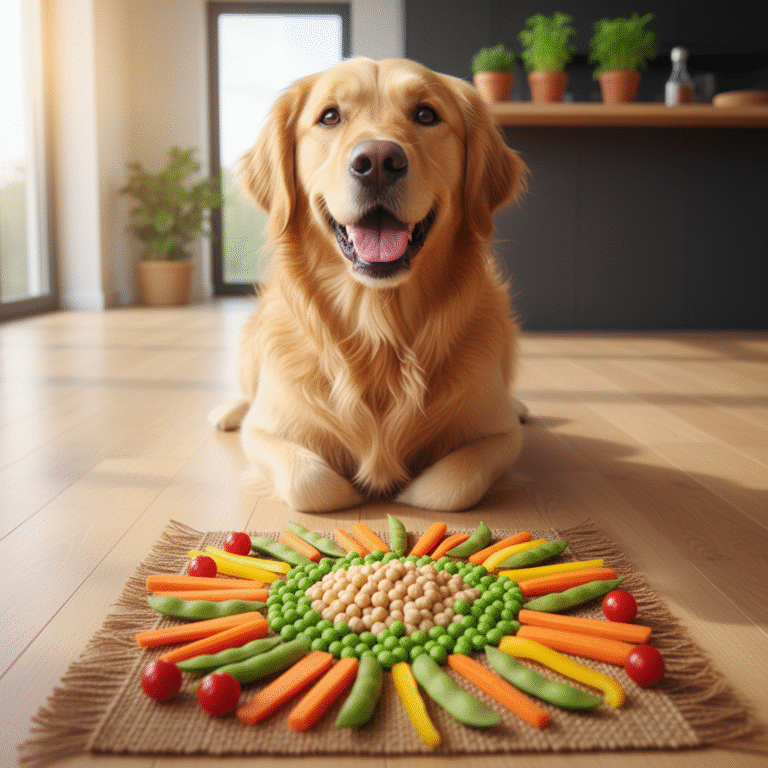
- Green Beans: Fresh or frozen (and thawed), these are crunchy, low-calorie, and packed with fiber. Many dogs love them!
- Baby Carrots: In moderation, carrots offer a satisfying crunch and are a good source of vitamins. Keep portions small due to their natural sugar content.
- Broccoli Florets: Small pieces of raw or steamed broccoli are a great, fiber-rich option.
- Cucumber Slices: Refreshing, crunchy, and very low in calories and sugar, making them an excellent choice.
- Small Pieces of Cooked Lean Meat: A tiny cube of boiled or baked chicken breast, turkey, or lean beef is a high-value reward. Just be sure there’s no seasoning, oil, or sauces.
- Frozen Pumpkin Puree: Spoon 100% pure pumpkin puree (NOT pie filling) into an ice cube tray and freeze for a cool, fiber-rich treat.
Treat Timing and Portion Control: The Golden Rules

With a diabetic dog, when and how much you treat is just as important as what you treat. The goal is to avoid disrupting the careful balance you and your vet have established.
- Consult Your Vet: First and foremost, discuss any new treat with your veterinarian. They can advise you on how to incorporate it into your dog’s specific dietary plan.
- The 10% Rule: Treats should make up no more than 10% of your dog’s total daily calorie intake. For a diabetic dog, it’s often wise to stick to an even lower percentage.
- Time it Right: Try to give treats when their blood sugar is most stable, often a few hours after their insulin injection and meal. Avoid giving treats right before their main meal, as it can affect their appetite for their prescribed food.
- Break it Up: A single green bean can be broken into two or three pieces to make the reward last longer during a training session. The dog cares more about the act of getting a treat than the size of it.
- Be Consistent: Once you find a few treats that work well for your dog and don’t affect their blood sugar, stick with them. Consistency helps keep their glucose levels predictable and stable.
Conclusion
Managing canine diabetes is a journey of love and dedication, but it doesn’t mean your dog has to miss out on the simple joy of a tasty treat. By becoming a savvy shopper and embracing healthy, whole-food options from your own kitchen, you can continue to reward your pup and strengthen your bond without worry. Remember to always keep your veterinarian in the loop with any dietary changes. With a little knowledge and care, you can ensure your dog’s life remains both safe and sweet.