Safe Snacking: 5 Kidney-Friendly Treats for Stone-Prone Breeds
Seeing your dog’s eyes light up for a treat is one of the best parts of being a pet parent. But when your furry friend is one of the breeds prone to developing painful kidney or bladder stones, that simple joy can be filled with anxiety. You wonder, ‘Is this safe? Could this treat be making things worse?’ It’s a valid concern, and navigating the world of dog snacks can feel like walking through a minefield.
The good news is you don’t have to give up on treating your pup! The key is choosing the right kinds of snacks. Certain foods can help manage the conditions that lead to stone formation, primarily by controlling mineral levels and promoting hydration. In this guide, we’ll break down exactly what makes a treat ‘kidney-friendly’ and share five simple, safe, and delicious options that you can feel good about giving your best friend.
Understanding the ‘Stone Zone’: Why Some Breeds Are More at Risk

Before we dive into the treats, let’s quickly understand the problem. Urinary stones (called uroliths) are mineral crystals that form in the urinary tract. Think of it like rock candy forming in a jar of sugar water—if the conditions are right, crystals will form and clump together. In dogs, the most common types are struvite and calcium oxalate stones.
Why are some dogs more susceptible? It often comes down to a combination of factors:
- Genetics: Some breeds are genetically predisposed to metabolic issues that create the perfect environment for stones. Common stone-prone breeds include Dalmatians, Miniature Schnauzers, Shih Tzus, Bichon Frise, Lhasa Apsos, and Yorkshire Terriers.
- Diet: A diet high in certain minerals and proteins can contribute to crystal formation. For example, foods high in purines can lead to urate stones, a particular problem for Dalmatians.
- Hydration: This is a huge one! When a dog doesn’t drink enough water, their urine becomes more concentrated, allowing minerals to crystallize more easily.
- Urine pH: The acidity or alkalinity of your dog’s urine can influence what type of stones might form.
By understanding these risk factors, we can be more strategic in choosing treats that help manage them rather than contribute to the problem.
The Kidney-Friendly Checklist: What to Look For in a Treat
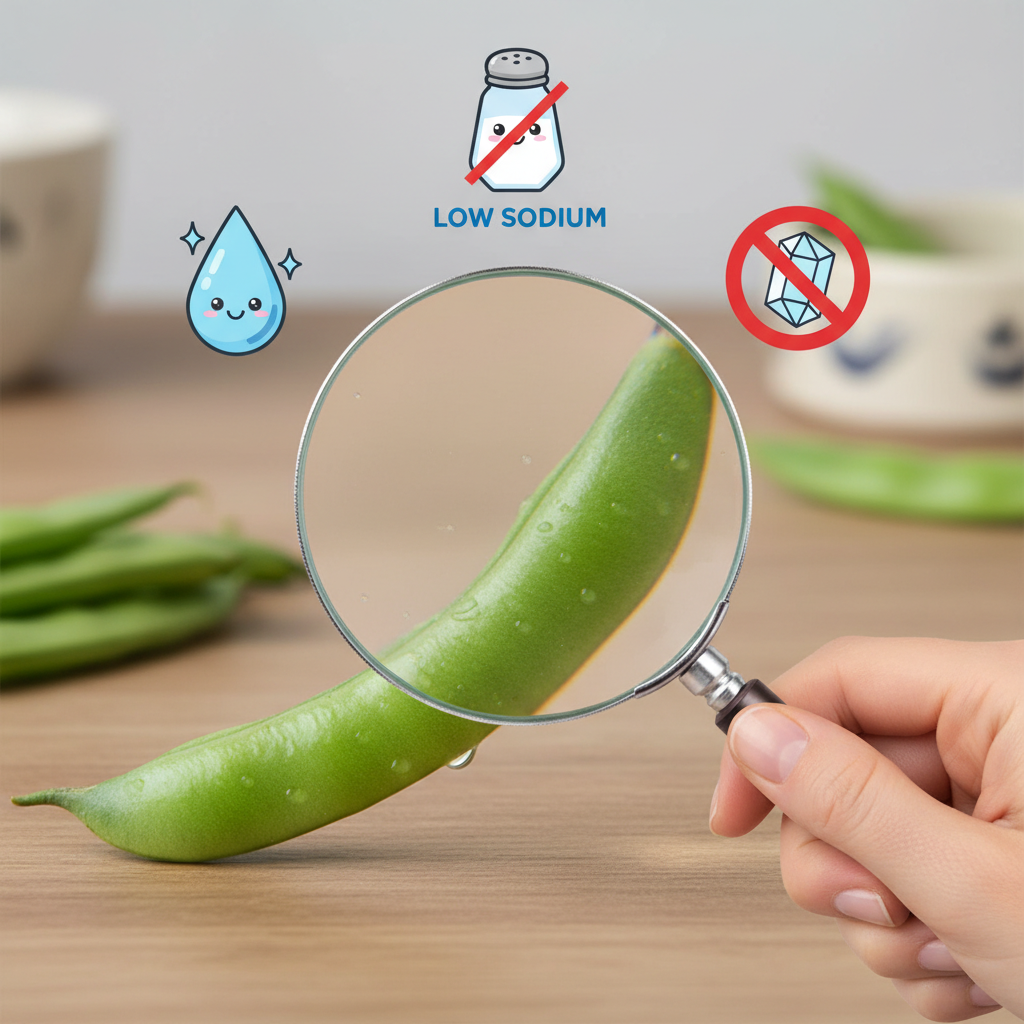
When you’re on the hunt for a safe snack, you can’t just look at the calorie count. For a stone-prone dog, the ingredients are everything. Keep this checklist in mind:
- High Moisture Content: Anything that helps get more water into your dog is a win! Treats with high water content, like certain fruits and veggies, help dilute urine and flush the system.
- Low in Oxalates: Oxalates are compounds found in many plants that can bind with calcium to form calcium oxalate stones. Avoiding high-oxalate foods like spinach, sweet potatoes, and rhubarb is crucial.
- Low in Purines: Purines are chemical compounds that break down into uric acid. For breeds like Dalmatians that have trouble processing uric acid, a low-purine diet is essential to prevent urate stones. This means avoiding organ meats like liver.
- Controlled, High-Quality Protein: Protein is vital, but the source and amount matter. Stick to lean, high-quality protein in moderation. Avoid overly processed meat treats that can be packed with fillers and minerals.
- Low Sodium: Just like in humans, too much salt is bad news. It can increase mineral levels in the urine and contribute to stone formation.
Expert Tip: Always check the ingredient list on packaged treats. If you see a long list of chemical-sounding names or high-salt items like ‘animal digest,’ it’s best to steer clear. Whole foods are almost always a safer bet.
Our Top 5 Vet-Approved, Tail-Wagging Treats
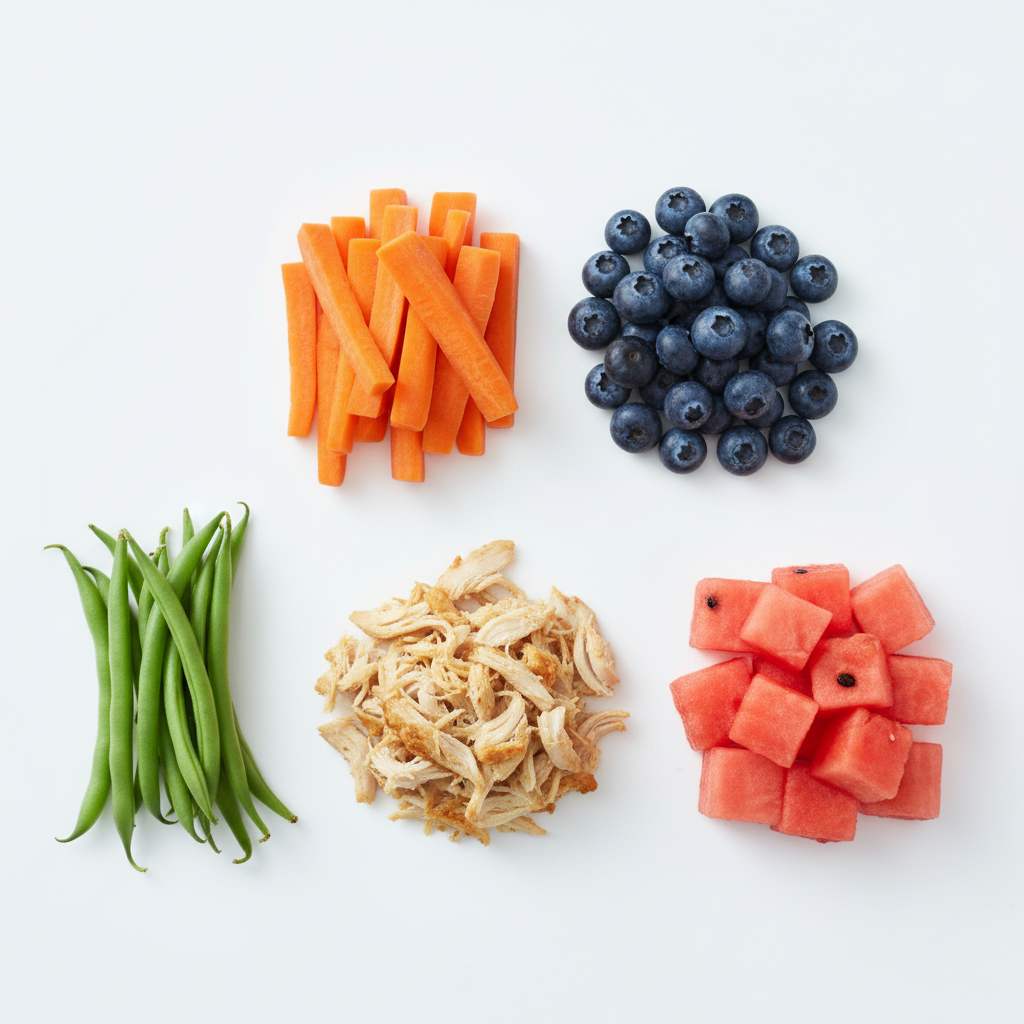
Ready for the fun part? Here are five simple, healthy, and safe treats that get a big paws-up for stone-prone dogs. Remember to introduce any new food slowly and in small amounts.
1. Carrots
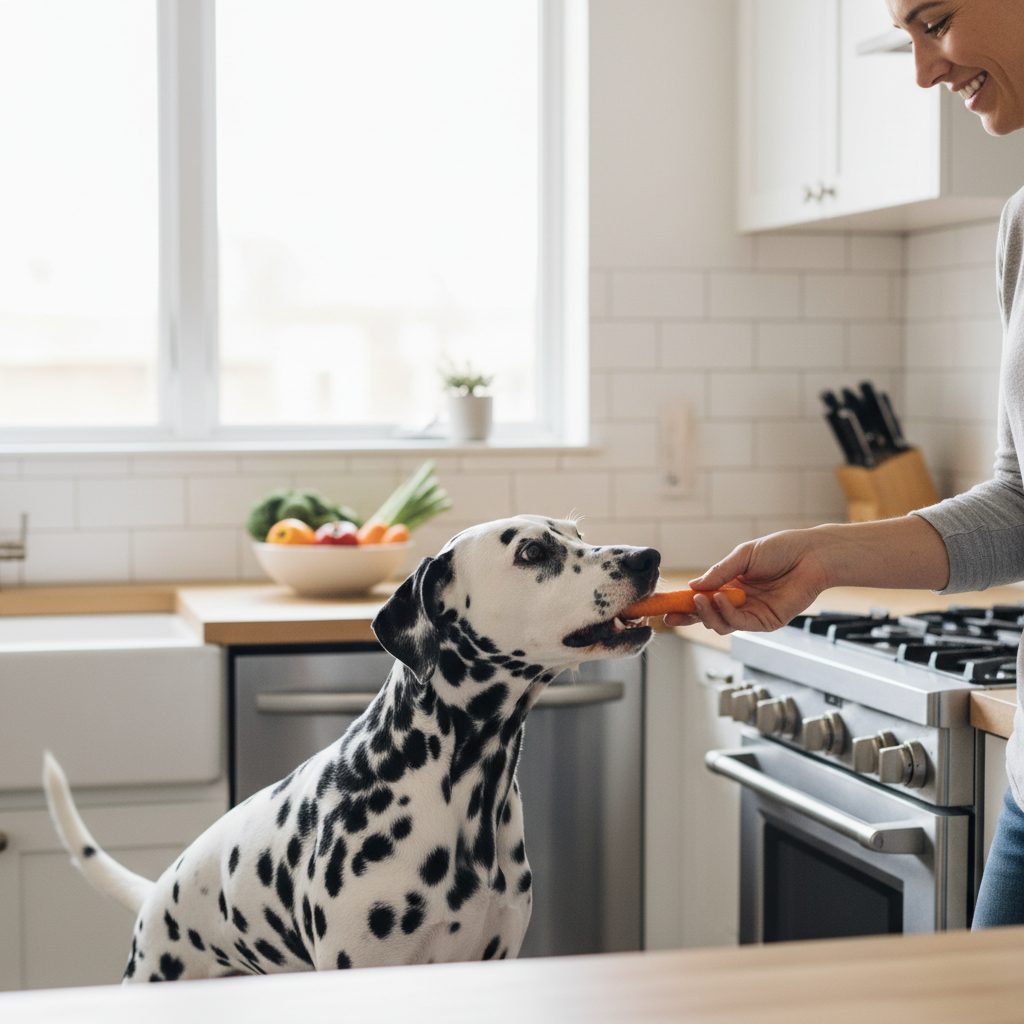
Crunchy, sweet, and loved by most dogs, carrots are a fantastic choice. They are low in calories and purines, and the fibrous texture is great for dental health. Plus, they’re packed with Vitamin A. Serving Suggestion: Serve raw baby carrots or chopped carrot sticks for a satisfying crunch. You can also lightly steam them to soften them for older dogs. A few small pieces a day is plenty.
2. Green Beans
Fresh or frozen (and thawed), green beans are an excellent low-calorie snack. They are a good source of fiber, which aids digestion, and are naturally low in oxalates and purines. Serving Suggestion: Offer them plain. Avoid canned green beans unless they are labeled ‘no salt added,’ as the high sodium content in regular canned versions is a major risk.
3. Blueberries
These little blue gems are bursting with antioxidants and vitamins. Blueberries are a safe, low-oxalate fruit that can add a little excitement to your dog’s diet. Serving Suggestion: A small handful of fresh or frozen blueberries makes a perfect training treat. Their small size makes them easy to portion out so you don’t overdo it.
4. Watermelon
As a treat that’s over 90% water, watermelon is the ultimate hydration hero! It’s a sweet, refreshing snack perfect for a hot day. It’s also low in the minerals that cause trouble. Serving Suggestion: Always remove the rind and seeds, as they can cause intestinal blockages. Cut the pink flesh into small, bite-sized cubes. Due to its sugar content, it should be an occasional treat.
5. Plain, Cooked Lean Chicken or Turkey
When your dog deserves something extra special, a small amount of lean protein is a great option. Stick to plain, boiled, or baked chicken or turkey breast with no skin, bones, or seasoning. This provides high-quality protein without the high purine content of organ meats. Serving Suggestion: Shred a small amount and use it as a high-value reward for training. Think of it as a delicacy, not a daily snack.
The No-Go Zone: Treats to Avoid for Stone-Prone Pups
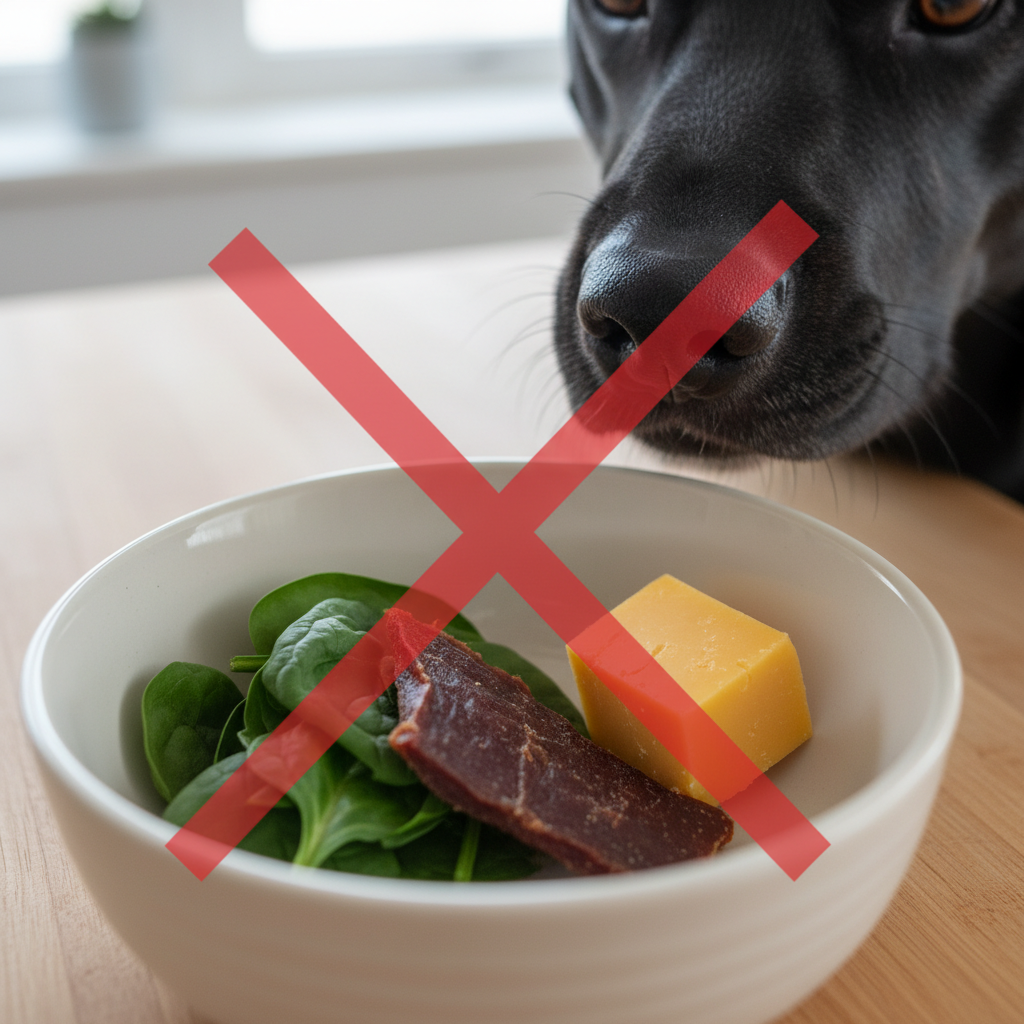
Knowing what not to give your dog is just as important as knowing what is safe. Keeping these foods out of the treat jar will go a long way in protecting your pup’s urinary health.
- High-Oxalate Foods: This is a big one for dogs prone to calcium oxalate stones. Avoid spinach, sweet potatoes, rhubarb, and nuts.
- Organ Meats: Treats like liver, kidney, and tripe are extremely high in purines and are a major risk for dogs prone to urate stones.
- Commercial Jerky & Processed Snacks: Many store-bought jerkies, bacon strips, and shaped treats are loaded with sodium, artificial preservatives, and fillers that can be detrimental.
- Bones and Rawhides: While popular, they can be high in calcium and phosphorus. They also pose other health risks like choking and digestive obstruction.
- Dairy Products: Items like cheese and milk can be high in calcium and fat, which can be problematic for some dogs.
When in doubt, it’s always best to err on the side of caution and skip a questionable treat.
Conclusion
Caring for a dog with a predisposition to kidney or bladder stones requires a little extra diligence, but it doesn’t mean their life has to be treat-free. By focusing on whole foods that are hydrating and low in problematic minerals, you can continue to share those special moments of joy with your furry companion without worry.
Remember, the treats listed here are general recommendations. Every dog is an individual, and the most important partner in their health journey is your veterinarian. Always consult with your vet before introducing new foods into your dog’s diet, especially if they have an existing medical condition. They can provide guidance tailored specifically to your dog’s needs, ensuring a long, happy, and healthy life together.