Rescue Dog Secret: The “Satin Ball” Recipe for Rapid Weight Gain
Bringing a rescue dog home is one of the most rewarding experiences you can have. But sometimes, these deserving pups arrive looking a little worse for wear—especially when it comes to their weight. Seeing every rib and vertebra can be heartbreaking, and it’s natural to want to help them pack on the pounds quickly. For years, a well-kept secret in the rescue and dog show communities has been a high-calorie concoction known as “Satin Balls.”
These nutrient-dense “miracle” balls can be a fantastic tool for helping a malnourished dog regain a healthy weight, but they aren’t a magic bullet. It’s crucial to use them correctly, understand the risks, and always, always work with your vet. Ready to learn the recipe and the rules? Let’s dive in!
What Exactly Are Satin Balls (And Why Do Rescues Swear By Them)?
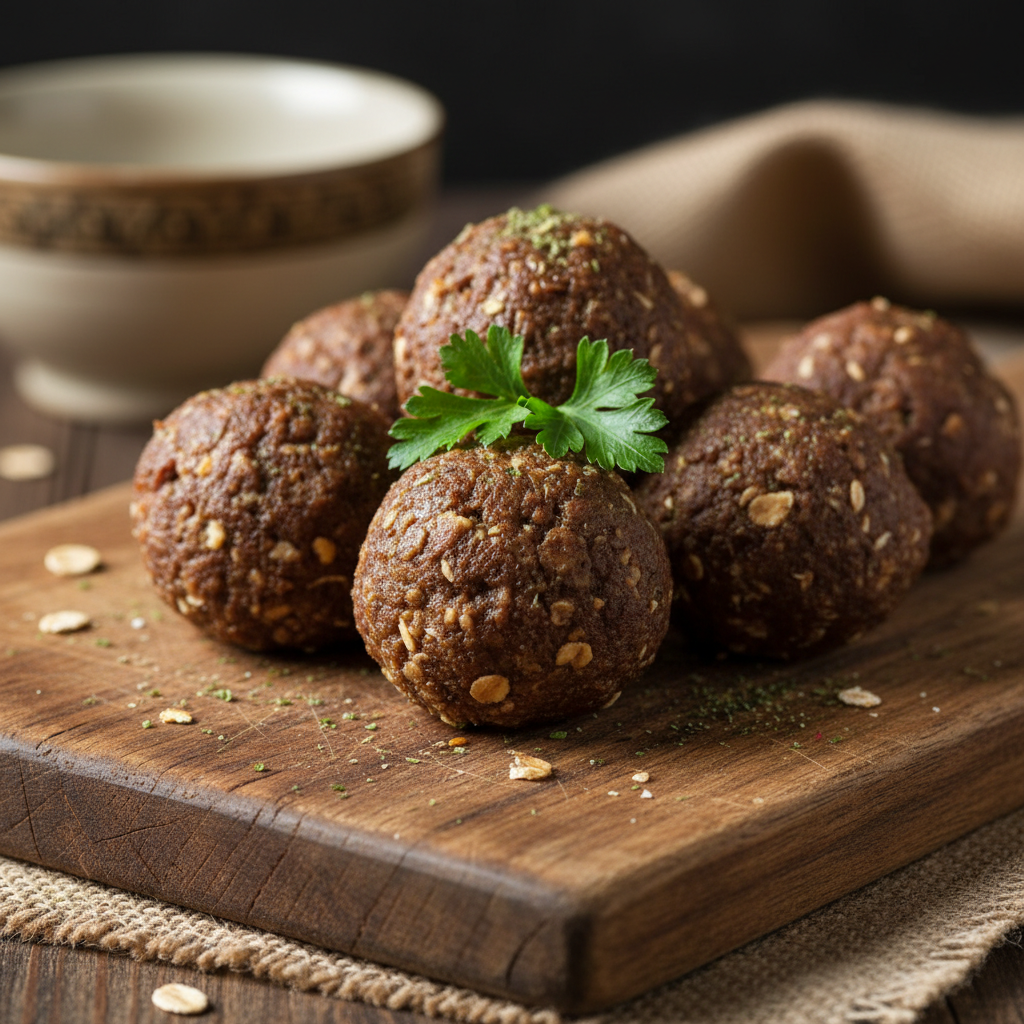
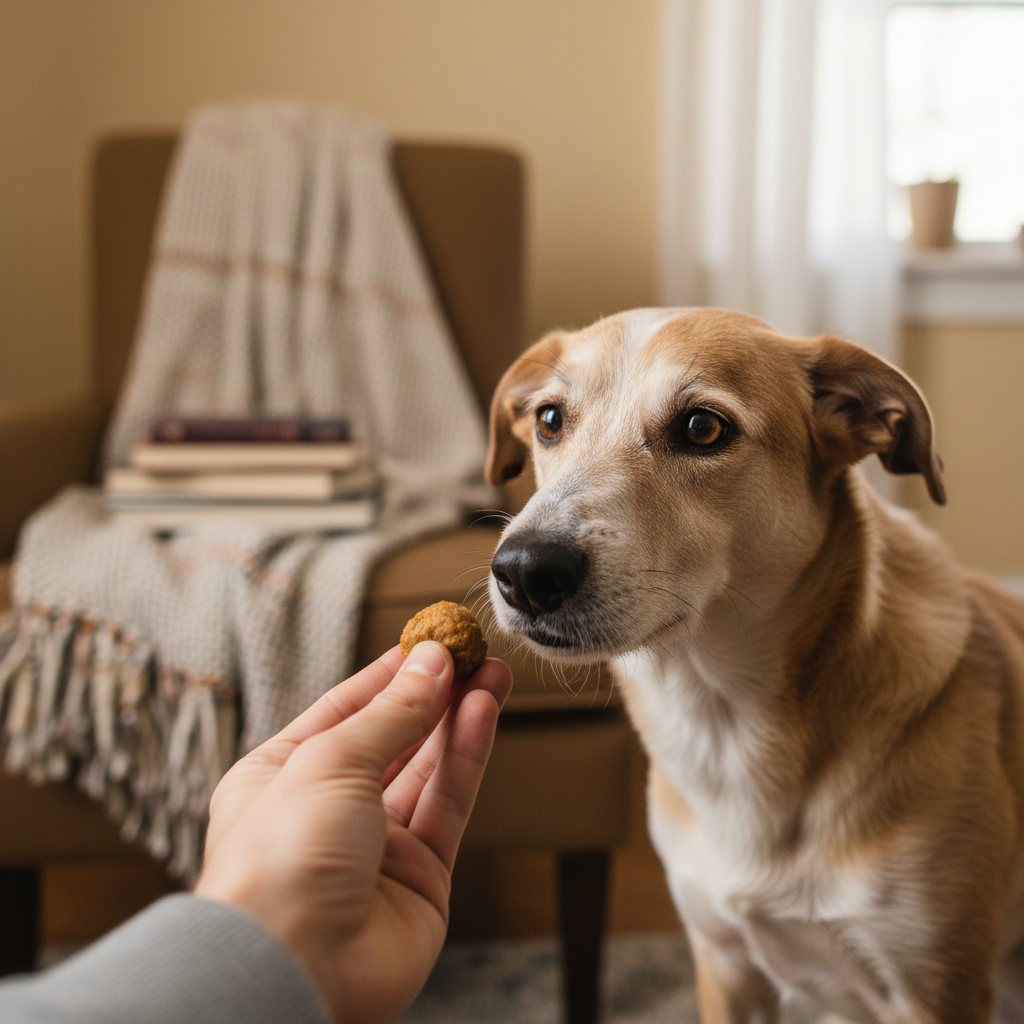
Think of Satin Balls as a super-charged, high-calorie supplement designed for one primary purpose: rapid, healthy weight gain. They’re not a complete and balanced meal, but rather a temporary dietary booster. The original recipe is packed with fat and protein from ingredients like ground beef, eggs, and oils, which provides a concentrated source of calories that’s easy for a dog to eat.
So, why are they so popular in the rescue world?
- High Palatability: Underweight dogs are often picky or have a low appetite due to stress or previous neglect. Satin Balls are incredibly tasty to most dogs, encouraging them to eat when they might otherwise turn up their nose at regular kibble.
- Calorie Density: A small ball packs a big caloric punch. This means a dog doesn’t have to eat a large volume of food to get the energy they need, which is helpful for dogs with shrunken stomachs.
- Visible Results: When used appropriately, Satin Balls can lead to noticeable improvements in weight and coat condition in a relatively short period, which is incredibly encouraging for a concerned new owner.
Important Takeaway: Satin Balls are a supplement, not a meal replacement. Their goal is to add calories on top of a balanced diet, not replace it.
The Famous “Satin Ball” Recipe: A Step-by-Step Guide
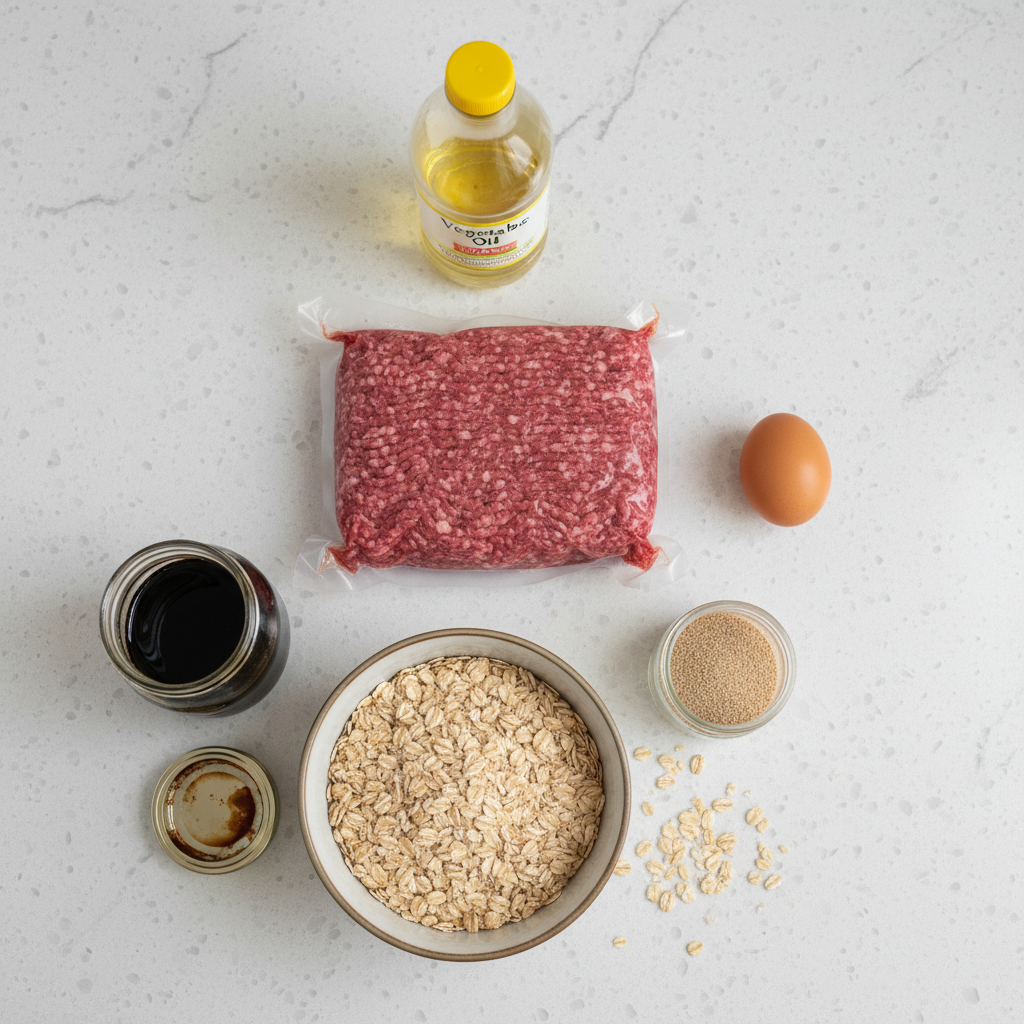
Here is the classic recipe that has been passed around for years. Remember to introduce these slowly and watch for any signs of digestive upset. This recipe makes a large batch that can be frozen for convenience.
Ingredients You’ll Need:
- 1 lb ground beef (choose one with a higher fat content, like 70/30 or 80/20)
- 1 large egg
- 1 cup total uncooked oatmeal
- 1/2 cup wheat germ
- 2 tablespoons vegetable oil or coconut oil
- 2 tablespoons unsulphured molasses
- A pinch of salt
Instructions:
- Combine Ingredients: In a large mixing bowl, add the ground beef, egg, oatmeal, wheat germ, oil, molasses, and salt.
- Mix Thoroughly: Using your hands (it’s the easiest way!), mix all the ingredients together until they are completely combined. Don’t be afraid to get in there and squish it all together to ensure everything is evenly distributed.
- Form the Balls: Roll the mixture into small, meatball-sized balls. The size will depend on your dog, but think somewhere between a ping-pong ball and a golf ball.
- Serve or Store: You can serve one raw immediately (if your dog is used to raw food) or store them. For storage, place the balls on a cookie sheet and freeze them individually. Once frozen solid, you can transfer them to a freezer bag. This prevents them from sticking together.
A note on variations: Some people add other ingredients like cottage cheese or flaxseed. If you know your dog has a grain sensitivity, you can look for grain-free versions, but this classic recipe is the most well-known starting point.
How Much is Too Much? Safe Serving Guidelines
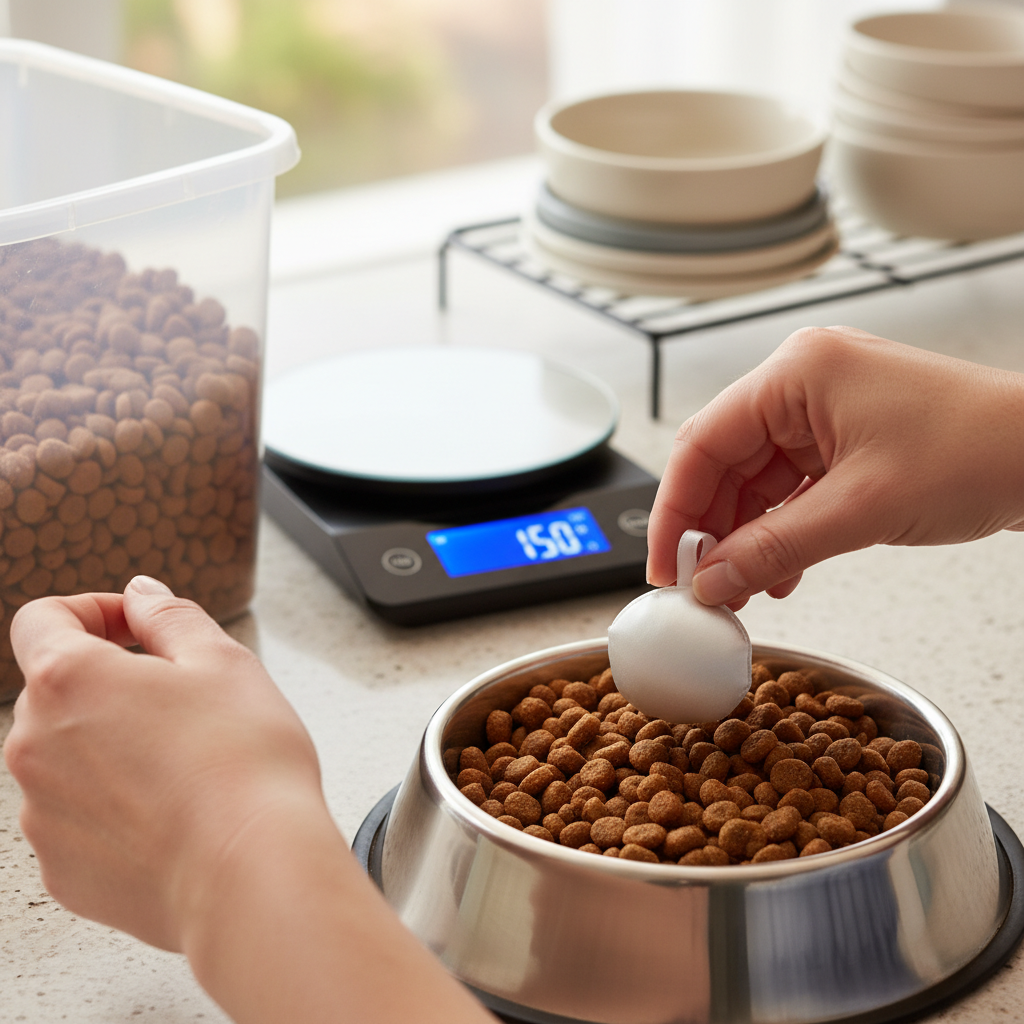
This is where caution is key. Giving too much too soon is a recipe for digestive disaster (think diarrhea and gas). The golden rule is to start small and go slow. Satin Balls are rich, and your dog’s system needs time to adjust.
Here are some general guidelines, but your vet’s advice will always be best:
| Dog Size | Starting Amount (Per Day) |
|---|---|
| Small (under 20 lbs) | 1/2 ball |
| Medium (20-50 lbs) | 1 ball |
| Large (over 50 lbs) | 1 to 2 balls |
Monitor your dog’s stool closely. If it becomes loose, cut back on the amount. The goal is to use Satin Balls only until your dog reaches a healthy target weight. Once they are at their ideal body condition, you should phase them out and maintain their weight with a high-quality, balanced dog food.
Before You Start: Why You MUST Talk to Your Vet First
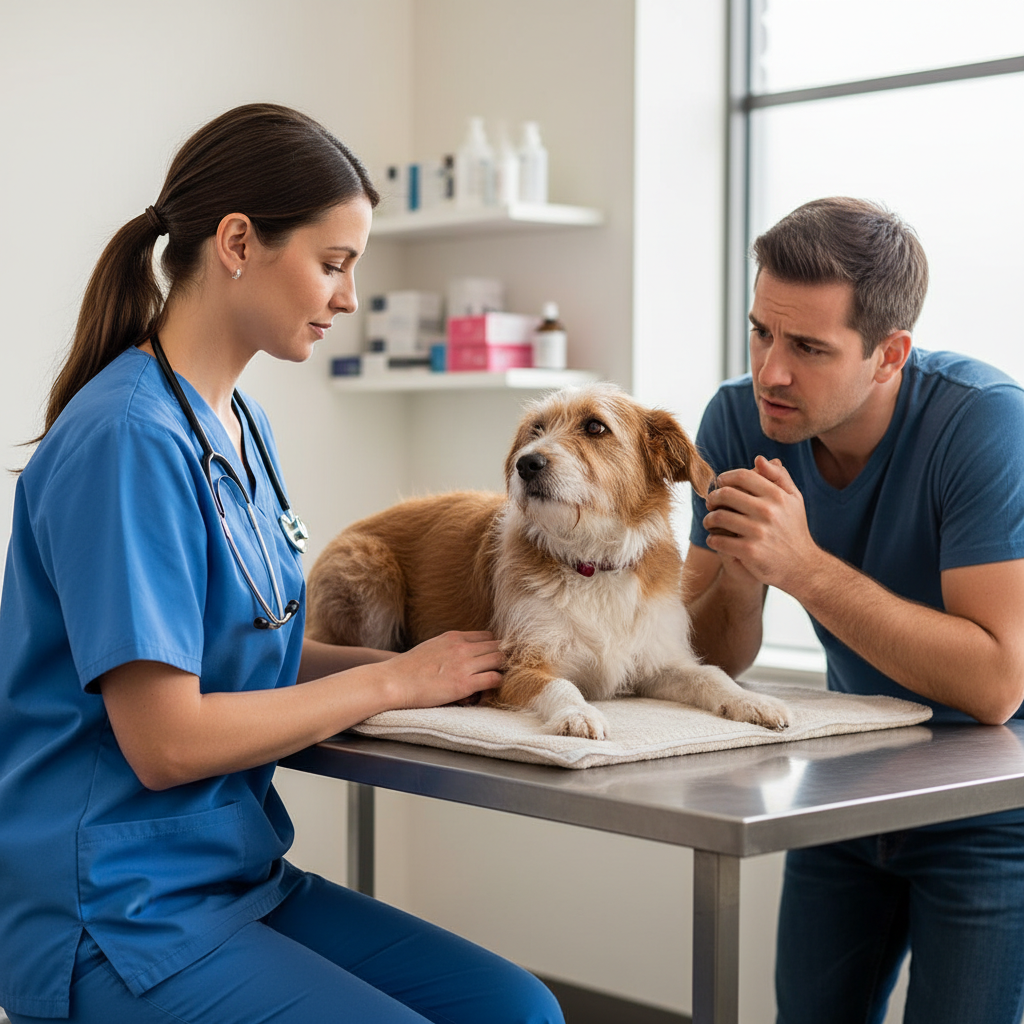
We can’t stress this enough: before you give your dog a single Satin Ball, you need to consult your veterinarian. While you may see a skinny dog and assume the cause is simply a lack of food, there could be serious underlying medical reasons for their weight loss.
Your vet needs to rule out issues such as:
- Intestinal Parasites: Worms and other parasites can steal vital nutrients, leading to weight loss no matter how much a dog eats.
- Dental Disease: Painful teeth or gums can make chewing difficult and painful, causing a dog to avoid food.
- Metabolic or Organ Issues: Conditions like thyroid problems, kidney disease, or even cancer can cause unexplained weight loss.
- Food Allergies or Sensitivities: An underlying allergy could be preventing your dog from properly absorbing nutrients from their food.
Furthermore, the high-fat content in Satin Balls can be dangerous for dogs prone to pancreatitis. Your vet can assess your dog’s overall health, perform necessary tests, and give you the green light before you begin. They can also help you determine a healthy target weight for your specific dog.
Conclusion
Satin Balls can be an incredible tool in your journey to help a rescue dog recover and thrive. They offer a powerful combination of calories and palatability that can kickstart the weight gain process and bring back that healthy glow to your new companion’s coat. However, they come with a big responsibility. Remember to treat them as a temporary supplement, introduce them slowly, and most importantly, use them as part of a comprehensive health plan developed with your veterinarian.
Patience, love, a balanced diet, and a little help from a recipe like this can transform your skinny rescue into the happy, healthy, and vibrant dog they were always meant to be.