No More Drool: Teach Your Dog to Wipe Their Mouth After Drinking
We all adore our canine companions, but let’s be honest—the little river of drool and water they leave behind after a trip to the water bowl can be a bit much. You walk into the kitchen only to find your socks instantly soaked by a puddle you didn’t see. It’s a classic dog owner problem! But what if you could turn this messy moment into a fun, impressive, and useful trick?
Well, you can! Teaching your dog to wipe their mouth is not just a cute party trick; it’s a practical skill that helps keep your floors clean and dry. More importantly, it’s a fantastic way to engage your dog’s brain and strengthen the bond you share. Using simple, positive reinforcement techniques, you can transform post-drink dribbles into a moment of proud accomplishment. Ready to say goodbye to soggy socks? Let’s get started!
Setting Up for Success: What You’ll Need
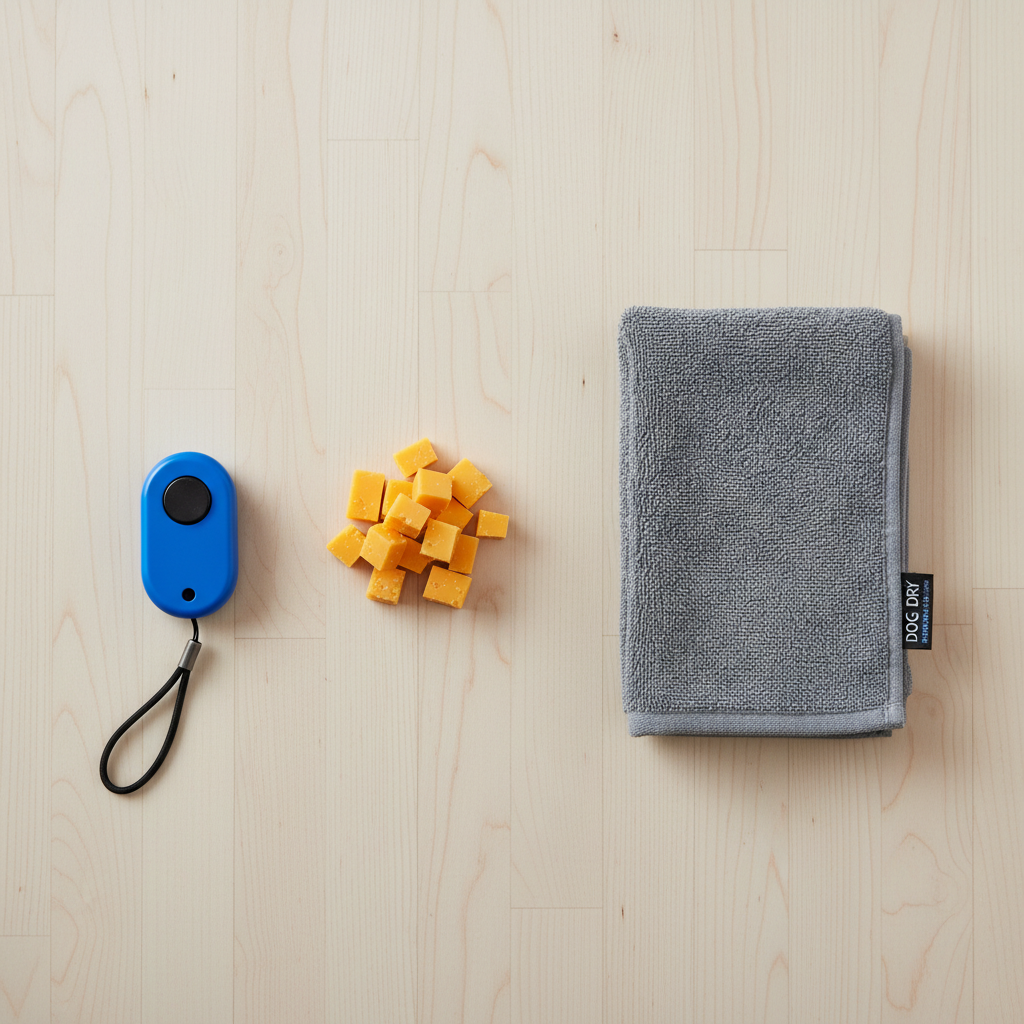
Before you jump into training, gathering a few simple supplies will make the process much smoother and more effective. Think of it as setting the stage for a great performance! You don’t need anything fancy, just a few key items to encourage your pup and reward their efforts.
Essential Supplies:
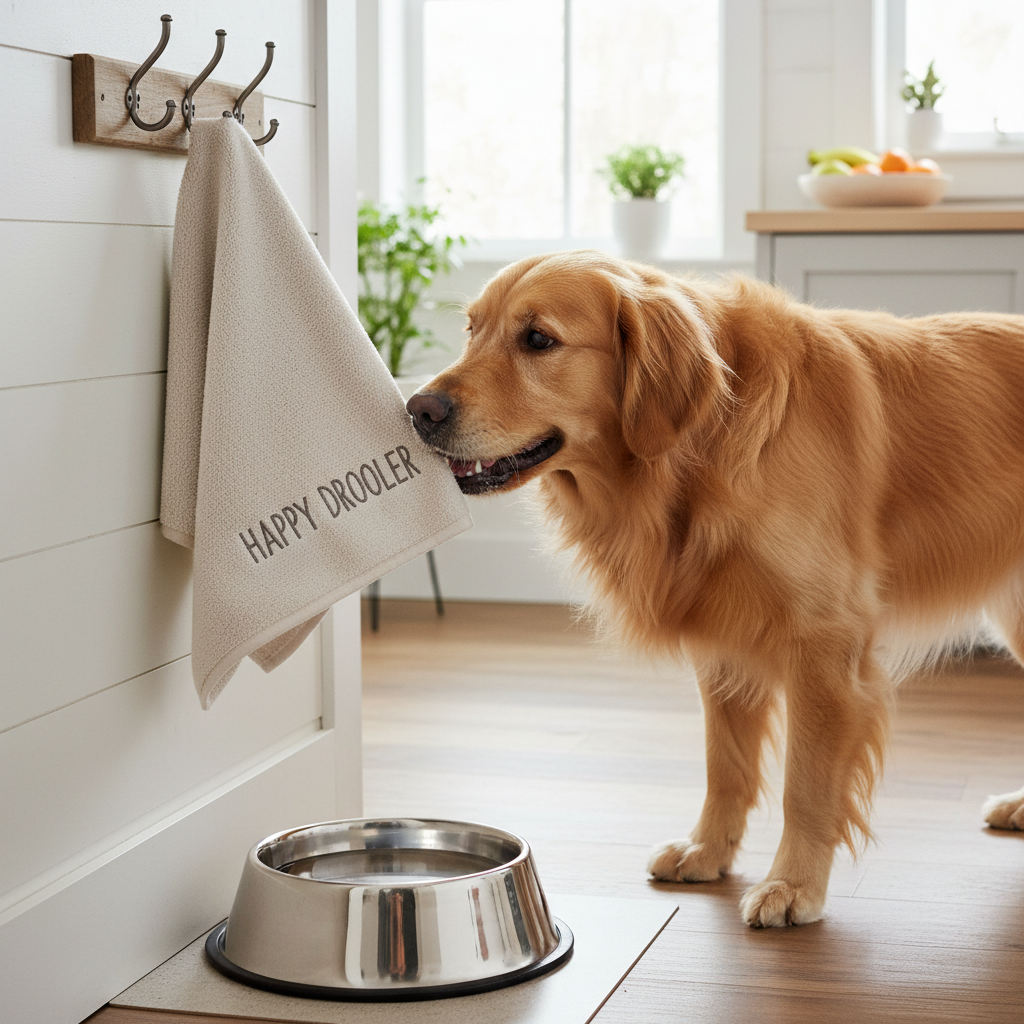
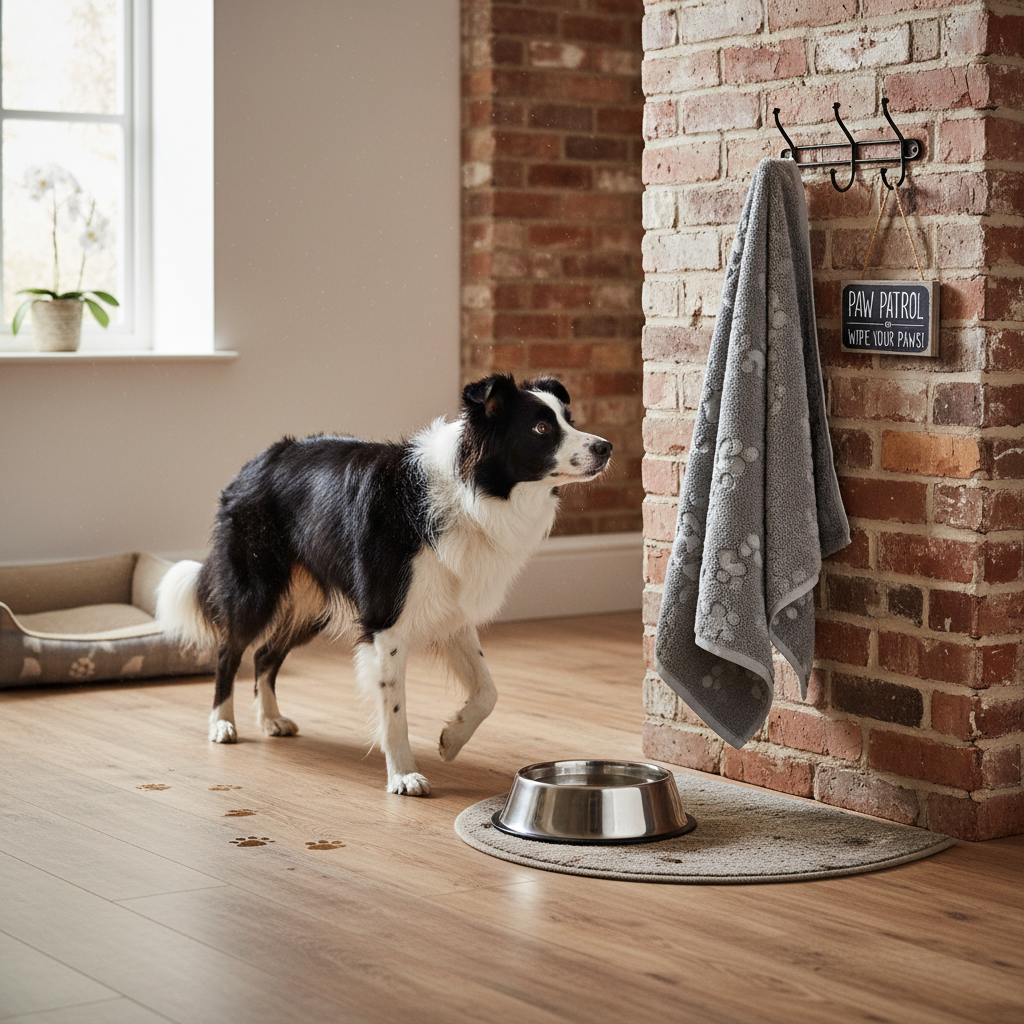
- A Designated ‘Wipe Towel’: Choose a specific towel that will only be used for this trick. A small, soft, absorbent hand towel works perfectly. Using the same towel every time helps your dog understand its purpose. You might want to hang it on a low hook near their water bowl for easy access.
- High-Value Treats: This is the fun part for your dog! You’ll need small, delicious treats that your dog absolutely loves. Think beyond their regular kibble—tidbits of chicken, cheese, or special training treats work wonders to keep them motivated and focused.
- A Clicker (Optional but Recommended): A clicker is a fantastic tool for marking the exact moment your dog does the right thing. This precise communication can speed up the learning process significantly. If you’ve never used one, don’t worry! We’ll cover how it works. If you prefer not to use a clicker, a consistent verbal marker like a cheerful “Yes!” works too.
- Patience and a Positive Attitude: This is the most important tool in your kit! Every dog learns at a different pace. Keep your training sessions short, fun, and always end on a positive note. Your encouragement is the secret ingredient to success.
The First Step: Mastering the ‘Touch’ Command
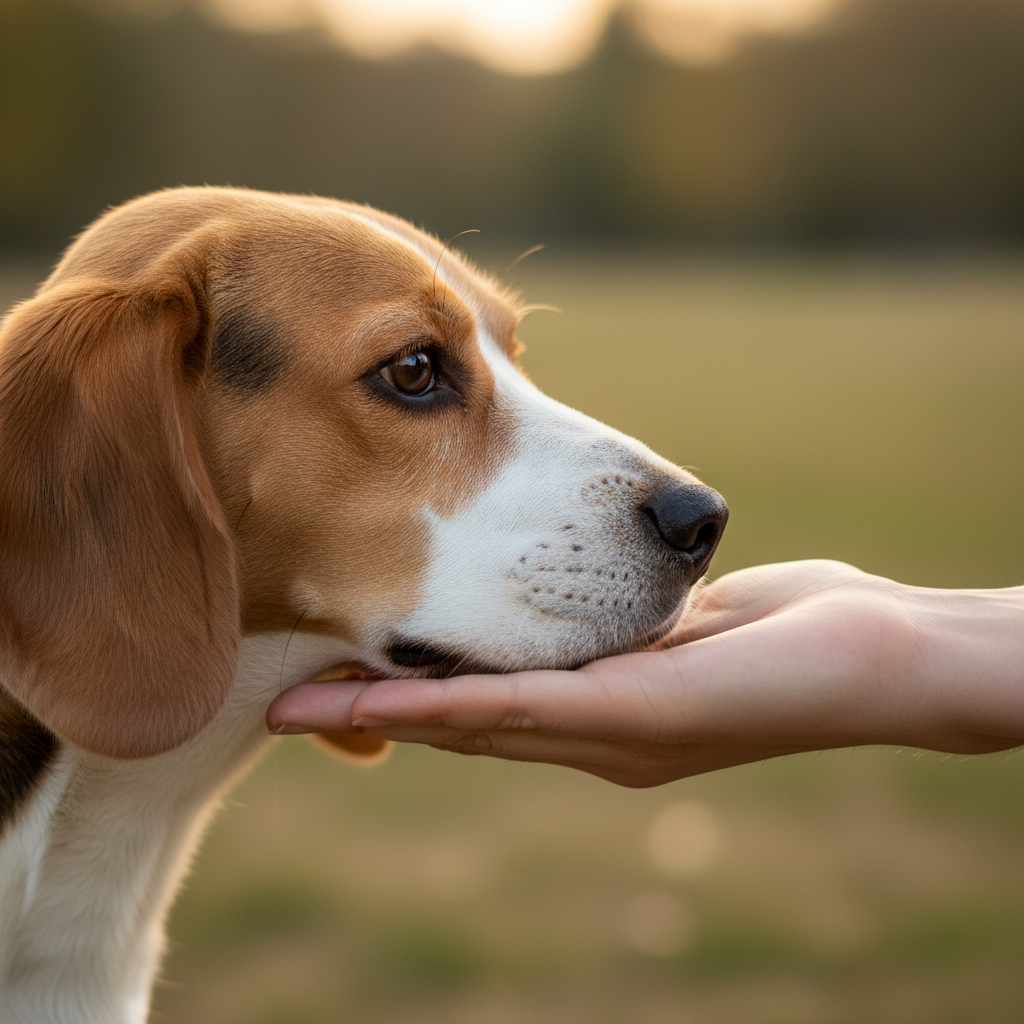
Before we can ask our dog to wipe their mouth on a towel, we first need to teach them a foundational skill: targeting, or the ‘Touch’ command. This simple command teaches your dog to touch their nose to an object on cue. It’s the building block for countless other fun and useful tricks.
How to Teach ‘Touch’:
- Introduce Your Hand: Start by holding your hand out flat, about six inches from your dog’s nose. The moment your dog sniffs or touches your hand with their nose, click your clicker (or say “Yes!”) and immediately give them a treat.
- Repeat, Repeat, Repeat: Pull your hand away and present it again. Repeat this process several times in a short session. Your dog will quickly make the connection: Nose touches hand = Click = Treat!
- Add the Verbal Cue: Once your dog is reliably touching your hand as soon as you present it, you can add the word. As you hold out your hand, say the cue “Touch!” right before they make contact. Click and treat as usual.
- Generalize the Command: Now, start practicing with different objects. Try holding a book, a plastic lid, or a target stick (a stick with a ball on the end). Use your “Touch!” cue and reward them for touching the new object with their nose. This helps them understand that ‘Touch’ means to touch whatever you’re presenting.
Expert Tip: Keep your initial training sessions short—just 2-5 minutes at a time. This prevents your dog from getting bored or frustrated and keeps them excited to learn.
The Main Event: From ‘Touch’ to ‘Wipe’
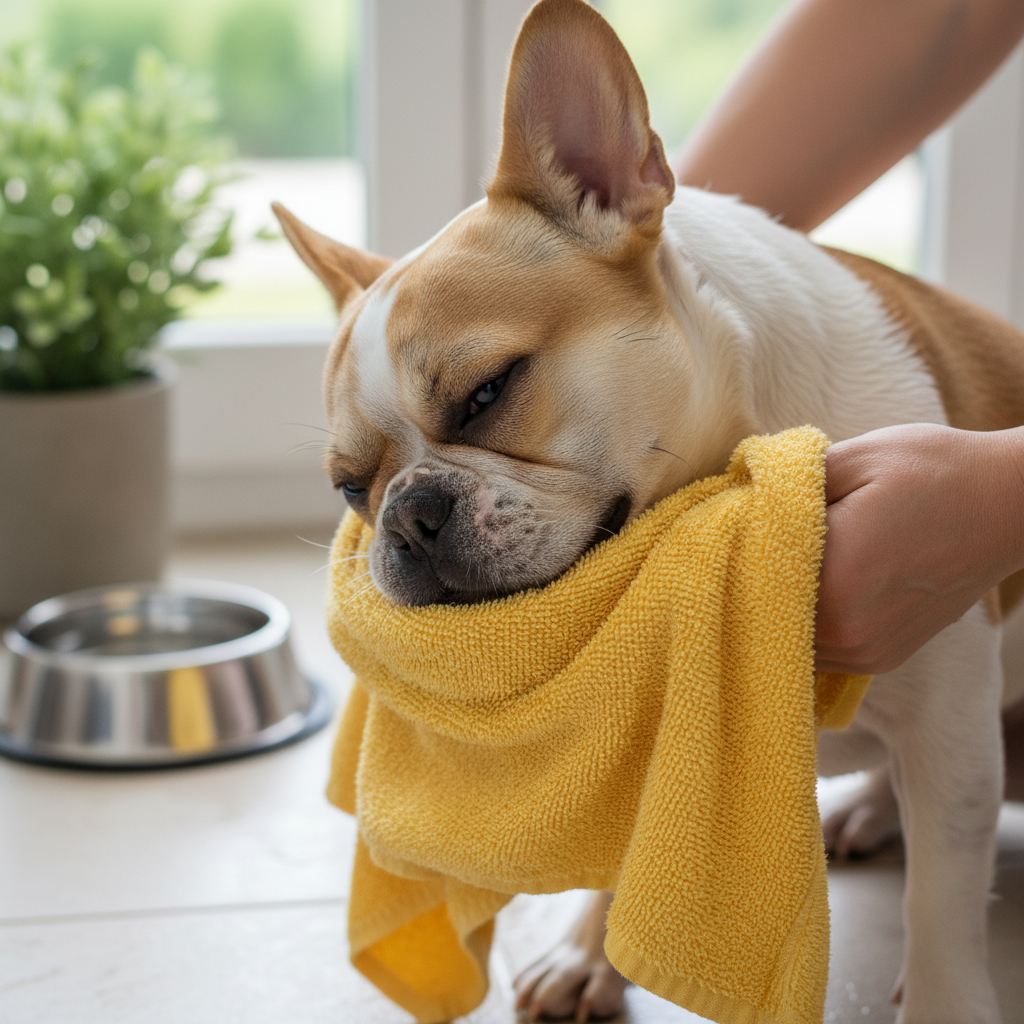
With the ‘Touch’ command mastered, it’s time to transfer that skill to your designated wipe towel and shape it into the wiping motion we want. This is where your patience and positive energy will really shine! Let’s break it down into easy-to-follow steps.
- Introduce the Towel: Hold the towel in your hand, draped over your palm. Give your ‘Touch’ command. When your dog touches their nose to the towel, click and treat. Do this several times until they are comfortable and confidently touching the towel.
- Encourage a Longer Touch: Now, we want to build duration. When your dog touches the towel, wait a split second before you click and treat. This encourages them to hold their nose against the towel for a little longer. Gradually increase this duration.
- Shape the ‘Wipe’ Motion: This is the key step. Hold the towel slightly to the side of your dog’s head, so they have to turn their head to touch it. When they do, their cheek or the side of their muzzle will naturally brush against the towel. The moment this happens, click and give them a jackpot of treats (several treats at once)! This is a breakthrough moment.
- Refine the Motion: Continue presenting the towel at an angle, rewarding any head-turning, rubbing motion. You can gently move the towel as they make contact to encourage a more defined ‘wipe’. Remember to praise them enthusiastically!
- Add the New Verbal Cue: Once your dog is reliably offering a wiping motion, you can start adding your new cue. Just as they are about to perform the action, say “Wipe your mouth!” or simply “Wipe!” in a clear, happy voice. Click and treat.
- Practice at the Water Bowl: The final step is to put it all into practice. After your dog takes a drink, get their attention, give your “Wipe!” cue, and present the towel. When they wipe their damp chin, give them lots of praise and a high-value reward. This contextual practice is crucial for them to understand when and where to perform the trick.
Troubleshooting Common Training Bumps
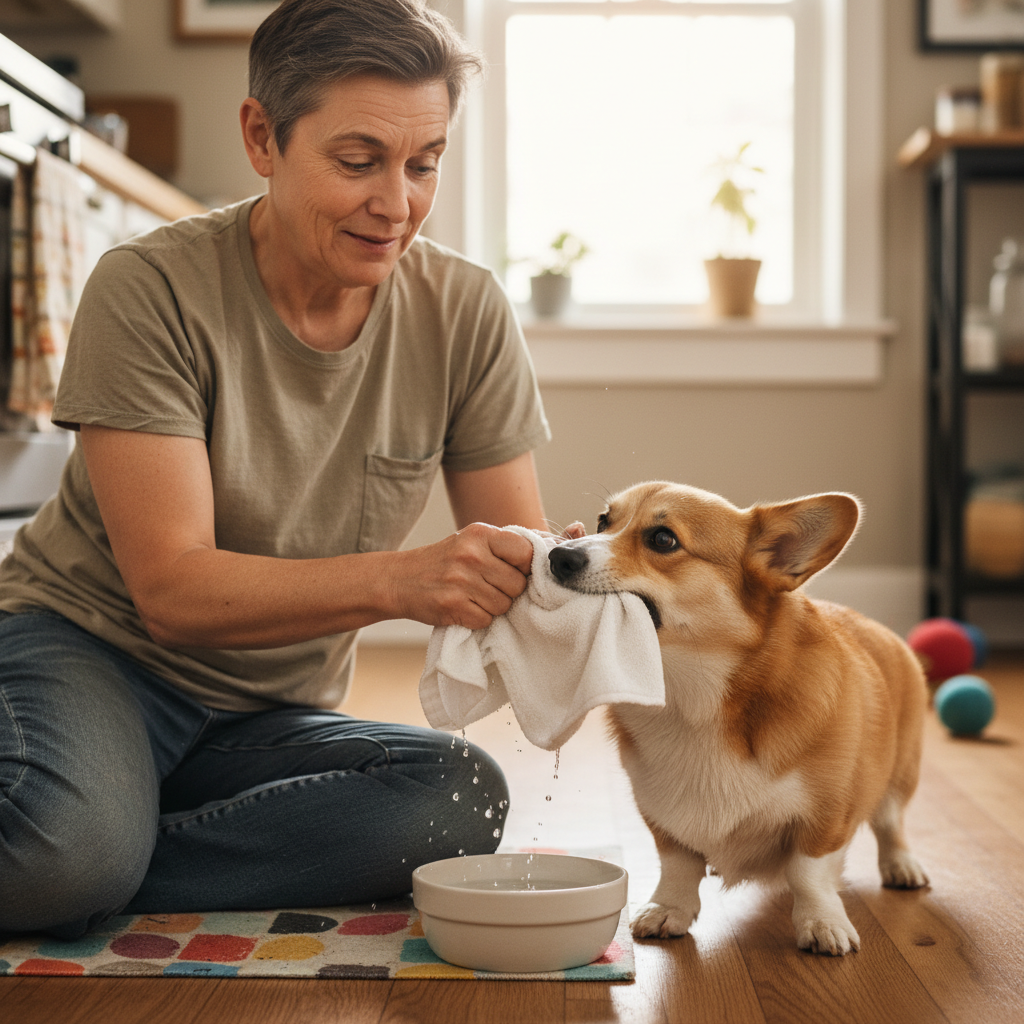
Training is rarely a perfectly straight line. You and your pup might hit a few bumps along the way, and that’s completely normal! Here are some common challenges and how to navigate them with a cool head and a pocketful of treats.
- My dog wants to chew the towel! This is very common, especially with puppies. If your dog starts mouthing or tugging the towel, calmly say “Oops!” and briefly remove the towel. Wait a few seconds, then present it again. Only reward nose touches or wipes. They’ll learn that chewing makes the fun game stop, while a gentle wipe brings the reward.
- My dog just boops the towel instead of wiping. If your dog is just giving a light nose boop, you need to go back to rewarding the head turn. Make sure you’re holding the towel to the side of their face, not directly in front. You can also try adding a tiny bit of peanut butter or cream cheese to the towel to encourage more interaction, which you can then shape into a wipe.
- My dog seems bored or distracted. Are your treats exciting enough? A piece of kibble might not cut it when you’re asking for a new, complex behavior. Up the value of your reward! Also, check your environment. Try training in a quiet room with minimal distractions. And remember to keep sessions short and sweet.
- They’ll do it during training, but not after drinking. This is all about context. After they drink, their mind might be on other things. Be ready! The moment they lift their head from the bowl, get their attention with an excited voice, give the cue, and be prepared with a super tasty treat. It takes repetition for them to build the new habit in that specific situation.
Making It Stick: From Trick to Routine
You’ve done the hard work, and your dog is starting to get the hang of it. Hooray! Now, the goal is to turn this cool new trick into an automatic, everyday habit. Consistency is the name of the game here.
Tips for Building a Solid Routine:
- Be Consistent: For the first few weeks, try to be present every time your dog drinks. Prompt them to wipe their mouth immediately afterward. The more you reinforce the behavior in its proper context, the faster it will become second nature.
- Get the Family Involved: Make sure everyone in the household is on the same page. Teach them the cue and how to reward the dog. Consistency across all family members will solidify the training much faster.
- Phase Out the Lure (If Used): If you used a food lure on the towel to get started, begin to phase it out. Present the clean towel and only reward the wipe. You want the behavior to be in response to the cue, not the scent of a treat.
- Vary the Reward: While treats are essential for initial learning, you can start to vary the reward once the behavior is reliable. Sometimes offer a treat, other times offer enthusiastic praise, a fun game of tug, or a good ear scratch. This is called intermittent reinforcement, and it actually makes the behavior stronger over time.
- Make it Accessible: Keep the towel in the same spot, easily accessible to your dog. A low hook or knob next to the water station is perfect. This visual cue will help remind them what to do.
Before you know it, you’ll hear your dog take a drink and then see them trot over to their towel for a quick wipe, all on their own. It’s an incredibly rewarding moment for both of you and a testament to your excellent teamwork!
Conclusion
Congratulations! You now have all the tools and steps to teach your dog one of the most charming and practical tricks around. Teaching your dog to wipe their mouth is more than just a solution to a messy problem; it’s a wonderful journey in communication, patience, and partnership. Every click, treat, and word of encouragement builds a stronger, more trusting relationship with your best friend.
Remember to be patient, celebrate the small victories, and most importantly, have fun with it. Soon enough, those post-drink puddles will be a thing of the past, replaced by a proud pup showing off their clever new skill. Happy training!