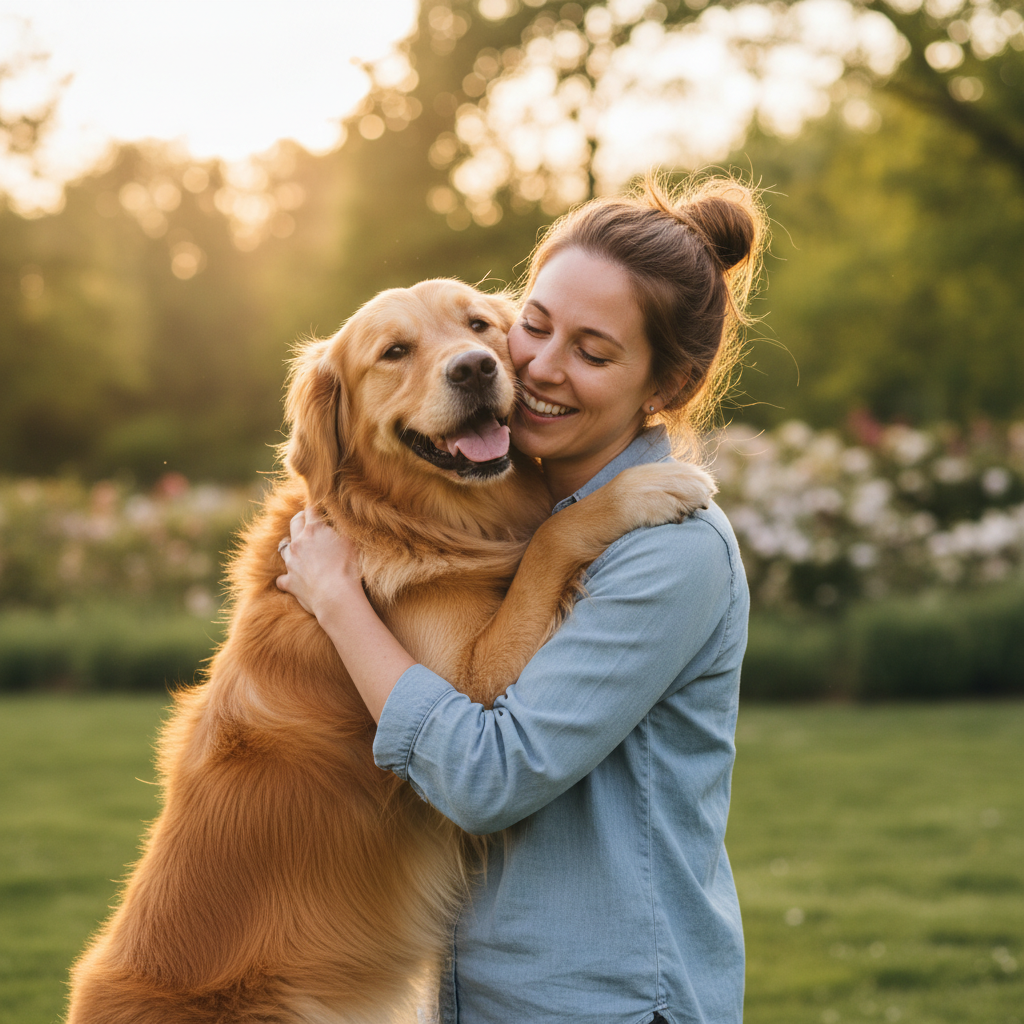
Melt Hearts: The Step-By-Step Guide To Teaching Your Dog To Hug You
There’s nothing quite like the bond we share with our dogs. They’re our confidants, our adventure buddies, and our personal welcoming committees. What if you could take that connection to a new, adorable level? Teaching your dog to hug you isn’t just a cute party trick; it’s a fun and engaging way to deepen your communication and trust. It’s a physical expression of the amazing friendship you have.
But before you picture endless cuddles, it’s important to remember that a ‘hug’ for a dog is a trained behavior, not necessarily an emotional one in the human sense. The key is to teach it in a way that’s positive, fun, and always respectful of your dog’s comfort. Don’t worry, it’s easier than you think! With a pocketful of treats and a little patience, you’ll be on your way to mastering the most heartwarming trick in the book. Let’s get started!
Setting the Stage for a Successful Snuggle
Prepping for the Perfect Hug
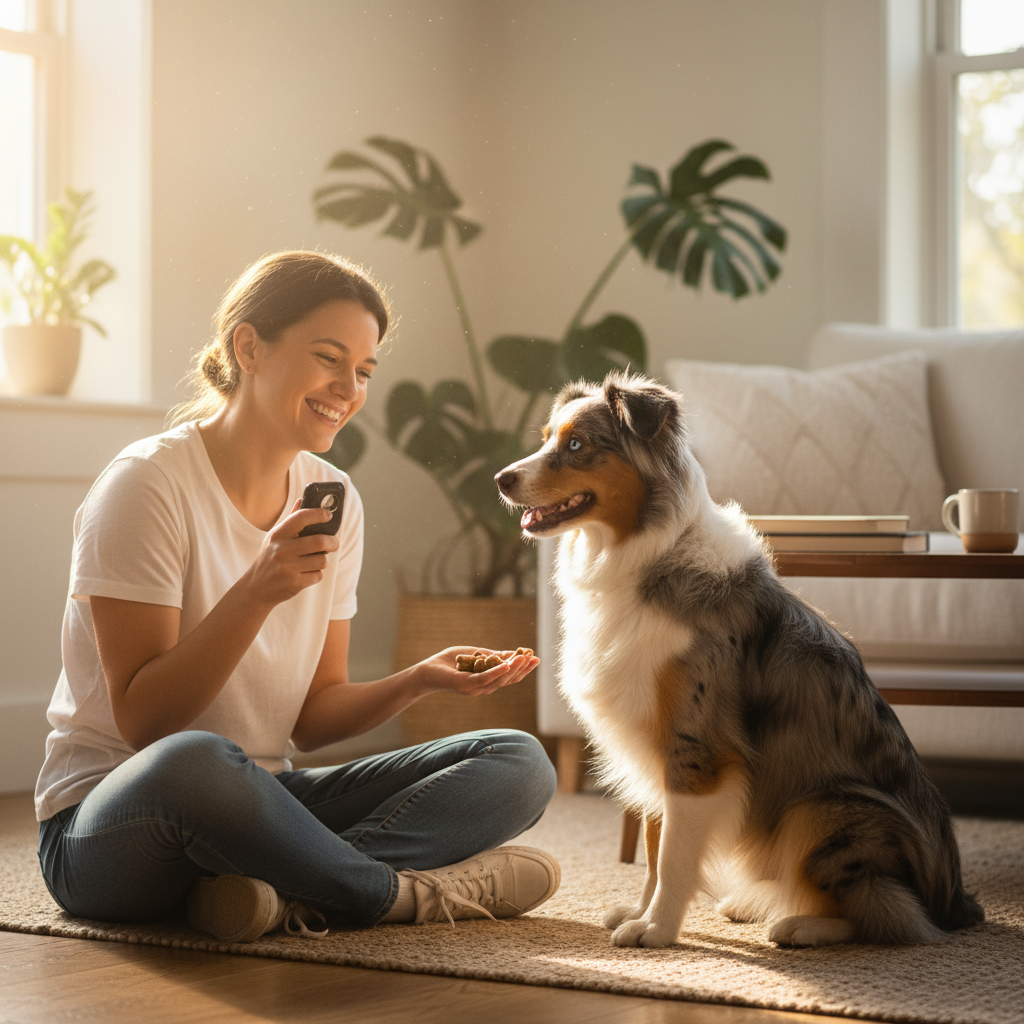
Before you jump into training, a little prep work goes a long way. Think of it as setting the scene for a blockbuster movie—the star (your dog!) needs to feel comfortable and ready for their big moment. Success starts with the right environment and the right mindset.
What You’ll Need:
- High-Value Treats: These are the A-list snacks your dog goes wild for. Think small pieces of chicken, cheese, or their absolute favorite store-bought training treats. The goal is to make the reward so good they can’t wait to work for it.
- A Quiet Space: Choose a familiar room with minimal distractions. Turn off the TV, ask the kids to play elsewhere for a few minutes, and create a calm atmosphere where your dog can focus on you.
- A Positive Attitude: Your dog is an expert at reading your energy. Come into the training session feeling happy, patient, and excited. This should be a fun game, not a chore!
- A Clicker (Optional): If you use a clicker in your training, have it ready! It’s a fantastic tool for marking the exact moment your dog does the right thing. If not, a consistent verbal marker like a sharp “Yes!” works just as well.
Know Your Dog’s Comfort Zone
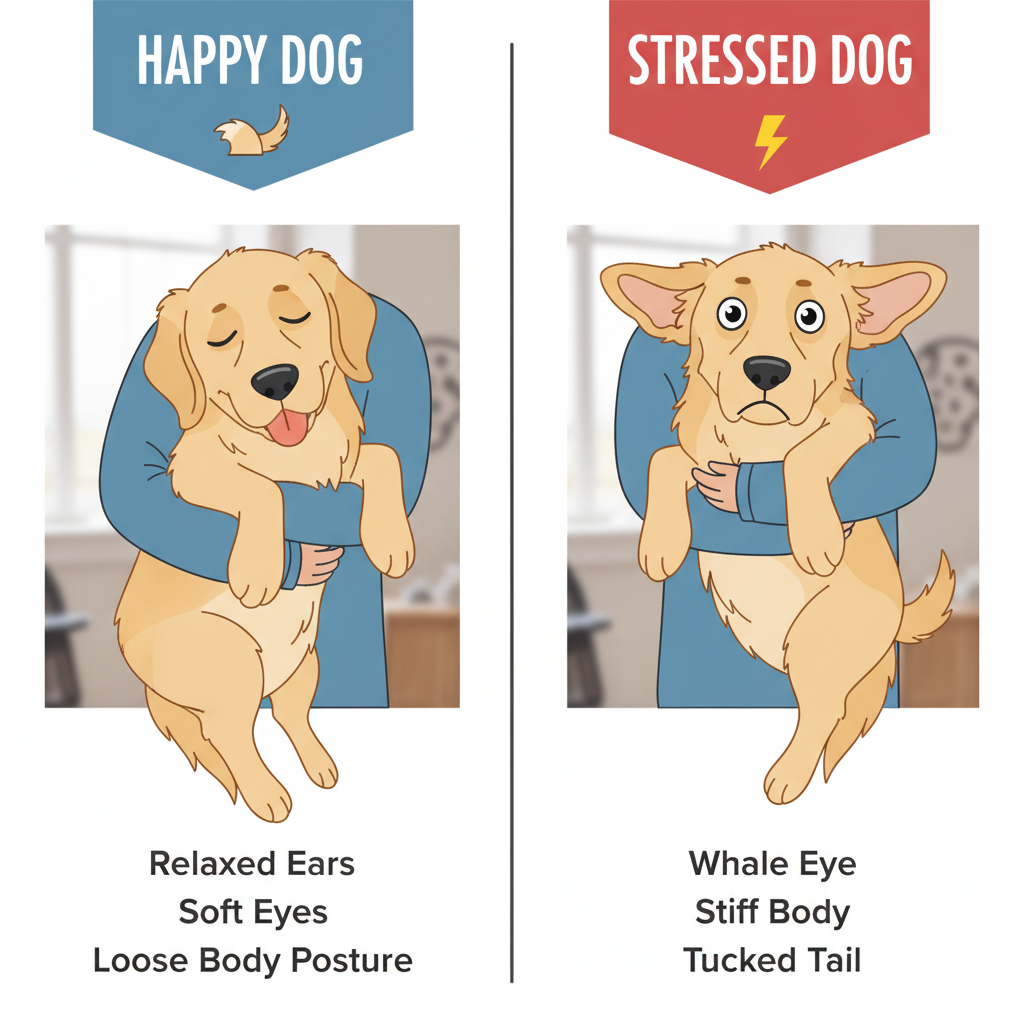
This is the most important rule of hug training: never force it. Some dogs are natural cuddlers, while others feel anxious or threatened by being restrained. Pay close attention to their body language. A happy, willing participant will have a relaxed body, a gently wagging tail, and a soft expression. If you see signs of stress—like lip licking, yawning when not tired, turning their head away, or a stiff body—it’s time to take a break. The goal is a joyful hug, not a tolerated one.
The Step-by-Step Hugging Masterclass
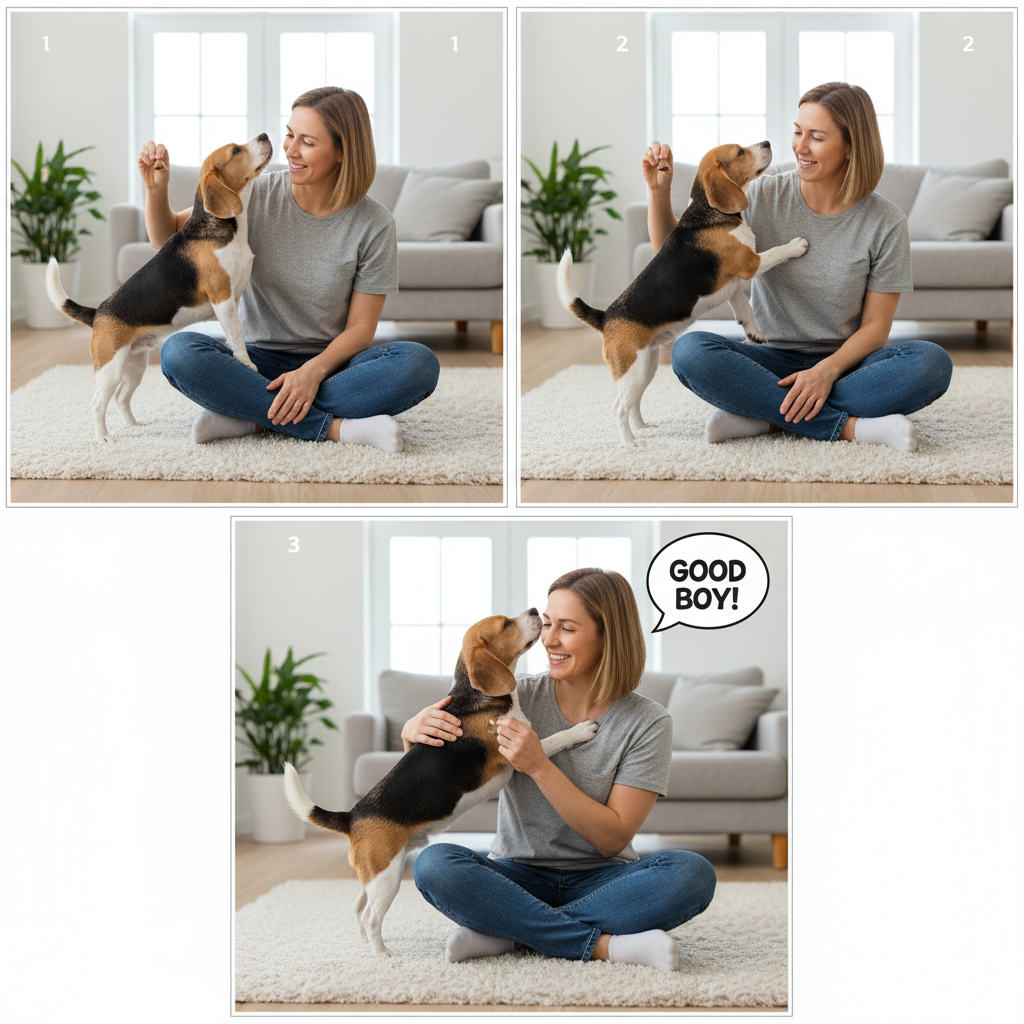
From Paws Up to Full Embrace: The 5 Steps
Alright, the stage is set, and your star is ready! We’re going to break this down into tiny, easy-to-win steps. Remember to keep sessions short and sweet—just 5-10 minutes at a time is perfect. Let’s begin!
- Step 1: Get on Their Level. Sit on the floor or a low stool so you’re at eye level with your dog. This is less intimidating and makes the whole process feel more like playtime. Let them get comfortable with you being close.
- Step 2: Introduce the ‘Paws Up’ Cue. Hold a treat in your hand and place it on your shoulder. As your dog reaches for the treat, they will likely lift a paw to reach it or balance. The moment their paw touches your arm or shoulder, click or say “Yes!” and give them the treat. Repeat this several times, focusing on just one paw to start.
- Step 3: Encourage Both Paws. Once they reliably offer one paw, start encouraging the second. You can do this by holding a treat in each hand on opposite shoulders or by gently tapping your other shoulder to invite the second paw up. When both paws are on you, give them a jackpot of treats and lots of praise! This is a big step!
- Step 4: Add the Verbal Cue. Now that your dog understands the action you want, it’s time to name it. Just before you lure them into the ‘paws up’ position, say your chosen cue word clearly. Popular choices are “Hug,” “Love,” or “Cuddle.” Say the word, lure them into position, and reward. Repetition is key here.
- Step 5: Shape the ‘Hug’ and Fade the Lure. With your dog placing both paws on you, you can now start to ‘shape’ the hug. Gently lean in and give them a quick, light squeeze while they are in position, then release and reward. Over time, you can slowly reduce your reliance on the treat lure. Start by using an empty hand gesture towards your shoulder, and only reward after they complete the action. Eventually, the verbal cue alone should be enough!
Expert Tip: Keep the ‘hug’ very brief at first. You want your dog to learn that this position results in a quick reward and release, which prevents them from feeling trapped.
Is Your Dog a Happy Hugger? Reading the Signs
Understanding Canine Body Language
Teaching a trick is one thing, but ensuring your dog is genuinely enjoying it is everything. Dogs communicate with their entire bodies, and learning to speak their language is crucial for a healthy, trusting relationship. When you ask for a hug, look for these signs to know how they truly feel.
Signs of a Comfortable and Happy Dog:
- Soft, Wiggly Body: Their muscles are relaxed, not tense. They might even do a little full-body wiggle.
- Gentle Tail Wags: A relaxed, sweeping wag is a great sign. (A high, stiff, fast wag can actually be a sign of arousal or stress).
- Soft Eyes and Ears: Their eyes are a normal shape (not wide with the whites showing), and their ears are in a neutral, relaxed position.
- Leaning In: They actively participate and lean their body weight into you.
Signs of a Stressed or Uncomfortable Dog:
- Stiff, Frozen Body: They become rigid and still, as if bracing for something unpleasant.
- ‘Whale Eye’: You can see the whites of their eyes as they turn their head away but keep their eyes on you.
- Lip Licking or Yawning: These are classic calming signals, indicating they are feeling anxious.
- Tucked Tail: Their tail is low or tucked between their legs.
- Trying to Escape: They actively try to pull away or get down immediately.
If you see any of the stress signals, stop immediately. End the session on a positive note with an easy command they know, like ‘sit,’ and reward them. A hug should always be a choice, not a demand.
Troubleshooting Common Hug Hurdles
Navigating the Bumps in the Road
Sometimes, even with the best plan, you run into a little snag. Don’t worry! Every dog learns differently. Here are some common challenges and how to work through them with patience and positivity.
My dog won’t lift their paws.
This is very common, especially for dogs who aren’t used to offering their paws. Go back a step. Reward any small effort, even just lifting their paw an inch off the ground. You can also try holding the treat lower, on your chest, and gradually moving it up to your shoulder as they get more confident. Make it a super fun game of ‘touch the hand’ first, then transfer that to ‘touch the shoulder’.
My dog gets too excited and jumpy!
Enthusiasm is great, but a hug should be gentle. If your pup is getting overly bouncy, your training sessions might be a little too long, or the treats might be too exciting. Try using slightly less exciting (but still good!) treats and keep sessions very short. Also, reward only the calmest attempts. If they jump, simply turn away for a second (this is called ‘negative punishment’—you’re removing the fun), then turn back and try again. They’ll quickly learn that calmness gets the reward.
They put their paws up but won’t hold the position.
The duration of the hug is something you build up over time. At first, reward the instant their paws touch you. As they get the hang of it, wait just one second before you click/treat. Then two seconds. Then three. Build duration very slowly. If they drop their paws before you reward, you waited too long. Simply make it easier on the next try. It’s all about setting them up for success!
Conclusion
Enjoy Your Hard-Earned Hugs!
Congratulations! You now have all the tools you need to teach your dog one of the most endearing tricks around. Remember that the journey is just as important as the destination. Every training session is an opportunity to strengthen your bond, improve your communication, and simply have fun together. Celebrate the small victories, be patient with the process, and always, always listen to what your dog is telling you with their body language.
Now go on, grab those treats, find a comfy spot on the floor, and get ready to melt some hearts. You and your furry best friend are about to create some truly unforgettable moments, one gentle hug at a time.