
Meatless Monday: Quinoa and Black Bean Veggie Burgers for Pups
Hey there, fellow pet parents! Have you ever heard of ‘Meatless Monday’? It’s a fun trend for us humans to explore plant-based eating, but have you ever considered sharing the fun with your furry best friend? While our dogs are primarily carnivores, incorporating safe, plant-based treats into their diet can be a fantastic way to boost their nutrition, add variety, and even help with certain health concerns. It’s not about turning your pup into a vegetarian, but about adding a wholesome, delicious, and special treat to their week.
That’s where these Quinoa and Black Bean Veggie Burgers come in! This recipe is more than just a novelty; it’s a powerhouse of plant-based protein, fiber, and essential nutrients. It’s a wonderful option for dogs with sensitivities to common meat proteins like chicken or beef, and it’s a great low-fat treat for pups watching their waistlines. So, tie on your apron (and maybe a little bandana for your sous-chef), and let’s dive into a recipe that will have your dog’s tail wagging for a meat-free delight!
The Pawsitive Perks of Plant-Based Treats
Why Go Meatless for a Treat?
You might be wondering, ‘Why would I give my dog a veggie burger?’ It’s a great question! While a balanced, meat-based diet is crucial for most dogs, plant-based treats offer a unique set of benefits that can complement their regular meals. Think of it as giving them a nutrient-packed side salad instead of another piece of bacon.
A Boost for Digestive Health
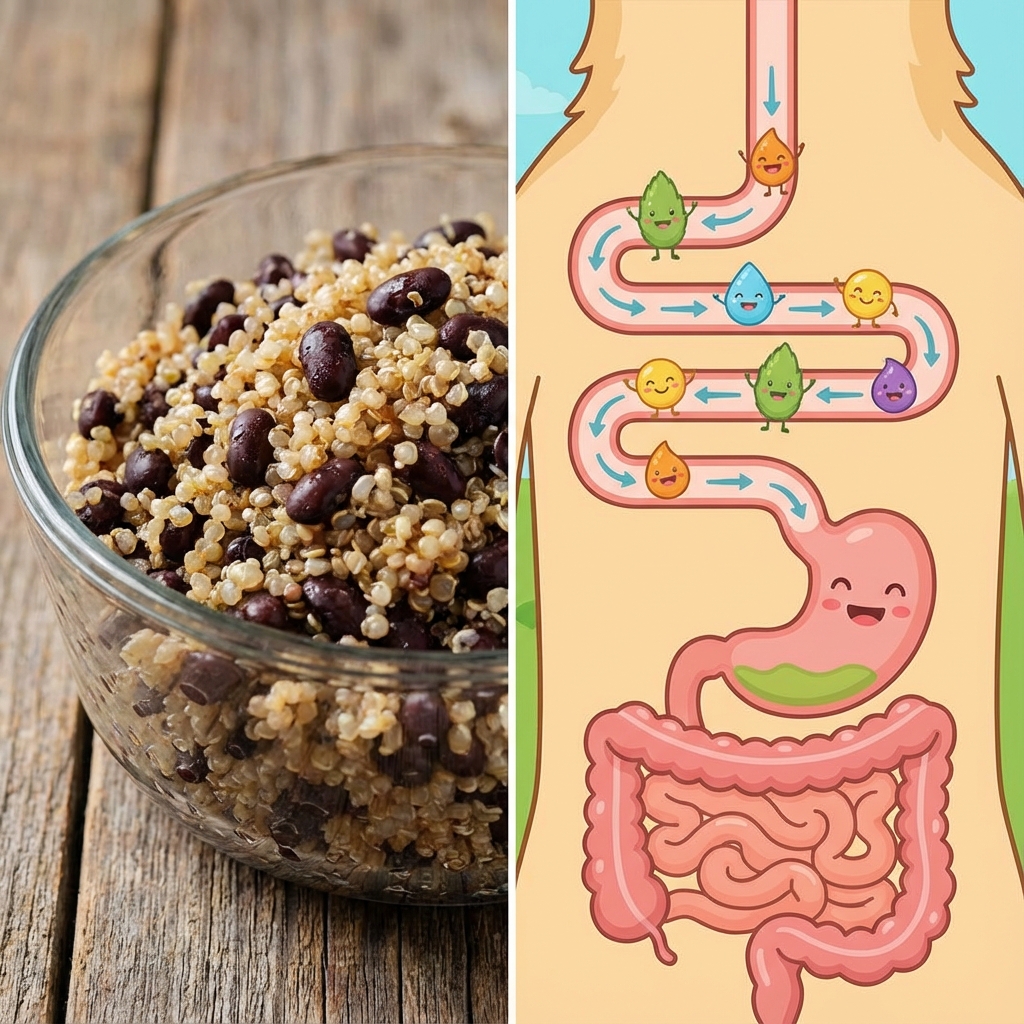
One of the biggest wins for ingredients like quinoa and black beans is their fiber content. Proper fiber intake is essential for a healthy canine gut. It helps keep things moving regularly, can prevent constipation, and feeds the good bacteria in your dog’s digestive system. A happy gut often means a happier, more comfortable dog.
Nutrient Diversity is Key
Just like us, dogs benefit from a variety of vitamins and minerals. Quinoa and black beans bring a different nutritional profile to the table than meat. They’re packed with things like:
- Magnesium: Important for muscle function and energy production.
- Folate: Crucial for red blood cell formation and healthy cell growth.
- Manganese: An antioxidant that helps in bone development and nutrient absorption.
By adding these treats, you’re rounding out their nutritional intake in a tasty way.
A Solution for Sensitive Tummies
Food allergies and sensitivities are increasingly common in dogs, with proteins like chicken, beef, and lamb being frequent culprits. If your pup is itchy or has digestive upset, offering a plant-based treat can be a fantastic way to reward them without triggering their allergies. These veggie burgers are naturally free from the most common meat allergens.
Expert Tip: When introducing any new food, especially one high in fiber, start small! Give your dog a tiny piece of a patty first and monitor them for the next 24 hours to ensure it agrees with their system.
Ingredient Spotlight: A Vet’s Take on Quinoa and Black Beans

Are These Ingredients Actually Safe for My Dog?
Absolutely! But like with any food you share with your pup, the devil is in the details. Preparation is everything. Let’s break down our two-star ingredients to understand why they’re great and how to prepare them safely.
Quinoa: The Super-Seed Powerhouse
Did you know quinoa isn’t technically a grain? It’s a seed! And it’s one of the few plant-based foods that’s considered a complete protein. This means it contains all nine essential amino acids that your dog’s body can’t produce on its own. It’s also naturally gluten-free, making it a gentle choice for dogs with grain sensitivities. The key rule for quinoa: Always cook it plain. No salt, no onions, no garlic, no oils. Just quinoa and water.
Black Beans: The Fiber-Filled Friend
Black beans are another fantastic source of protein and an absolute champion of fiber. They can help your dog feel full and satisfied, which is great for weight management. However, there’s a critical safety rule with beans: they MUST be cooked thoroughly. Raw or undercooked beans contain a compound called phytohaemagglutinin, which is toxic to dogs. If you’re using canned beans, opt for a ‘No Salt Added’ variety and rinse them thoroughly under cool water to wash away excess sodium and preservatives.
Veterinary Advice: Never, ever feed your dog raw beans. If using canned beans, rinsing is not optional—it’s a must-do step to reduce sodium content significantly. Your dog’s kidneys will thank you!
Nutritional Snapshot
Here’s a quick look at what these two ingredients bring to the bowl:
| Nutrient | Quinoa (Cooked) | Black Beans (Cooked) |
|---|---|---|
| Protein | Excellent source of complete protein | High in plant-based protein |
| Fiber | Good source of soluble & insoluble fiber | Excellent source of dietary fiber |
| Key Minerals | Magnesium, Manganese, Phosphorus | Folate, Iron, Magnesium |
| Best For | Energy, muscle health, sensitive stomachs | Digestive regularity, weight management |
Recipe: Mouthwatering Quinoa & Black Bean Pup Patties

Time to Get Cooking!
Alright, it’s the moment you and your furry sous-chef have been waiting for. This recipe is simple, wholesome, and easy to customize with other dog-safe ingredients. Remember to preheat your oven to 375°F (190°C).
Ingredients You’ll Need:
- 1 cup cooked quinoa, cooled
- 1 (15-ounce) can of no-salt-added black beans, rinsed and drained well
- 1/4 cup oat flour (you can make your own by blending rolled oats)
- 1 large egg, lightly beaten
- 1 tablespoon of chopped fresh parsley (optional, for fresh breath!)
- 2 tablespoons of water, if needed
Kitchen Tools:
- Large mixing bowl
- Potato masher or fork
- Baking sheet
- Parchment paper
- Spatula
Step-by-Step Instructions:
- Prep Your Station: Preheat your oven to 375°F (190°C) and line a baking sheet with parchment paper for easy cleanup.
- Mash the Beans: In your large mixing bowl, add the rinsed and drained black beans. Use a potato masher or a fork to mash them up. You don’t need a perfectly smooth paste; some texture is great!
- Combine Ingredients: Add the cooled cooked quinoa, oat flour, beaten egg, and optional parsley to the mashed beans. Mix everything together with a spatula or your hands until it’s well combined. If the mixture seems too dry and crumbly, add a tablespoon or two of water until it holds together when pressed.
- Form the Patties: Take about a tablespoon of the mixture and roll it into a ball, then flatten it into a small patty shape, about 1.5 to 2 inches in diameter. Place the patties on your prepared baking sheet.
- Time to Bake: Bake for 15 minutes, then carefully flip the patties with a spatula. Bake for another 10-15 minutes, or until they are firm to the touch and slightly golden on the outside.
- Cool Completely: This is the most important step for your dog’s safety! Let the patties cool completely on a wire rack before offering one to your eager pup. Hot food can burn their mouth.
Chef’s Tip: Is your mixture not holding together? It might be too wet or too dry. If it’s too wet, add a little more oat flour. If it’s too dry and crumbly, add a splash of water. The goal is a consistency similar to play-doh.
How to Serve: Portion Control and Fun Toppings

Serving Up the Goodness (Responsibly!)
Your beautiful veggie burgers are cooked and cooled. Now what? Serving them correctly is just as important as making them correctly. The golden rule of treats is the 10% rule.
The 10% Rule: Treats, including these healthy patties, should never make up more than 10% of your dog’s total daily caloric intake. The rest should come from their complete and balanced dog food. These are a ‘sometimes food,’ not a meal replacement.
Serving Size Guide
Every dog is different, but here’s a general guideline to help you serve safely. When in doubt, ask your vet!
| Dog Size | Weight Range | Suggested Serving |
|---|---|---|
| Small Breed | Under 20 lbs (e.g., Chihuahua, Yorkie) | 1/2 patty per day |
| Medium Breed | 20-50 lbs (e.g., Beagle, Corgi) | 1 full patty per day |
| Large Breed | Over 50 lbs (e.g., Labrador, German Shepherd) | 1 to 2 patties per day |
Dog-Friendly Topping Ideas!
Want to make treat time extra special? Try adding a small, dog-safe topping:
- A tiny dollop of plain, unsweetened Greek yogurt (great for probiotics!)
- A small smear of xylitol-free peanut butter.
- A sprinkle of finely chopped carrots or blueberries.
- A drizzle of fish oil for some Omega-3 goodness.
Storage Tips
These patties store wonderfully! Keep them in an airtight container in the refrigerator for up to 5 days. For longer storage, you can freeze them. Just place them in a single layer on a baking sheet to freeze individually, then transfer them to a freezer-safe bag. They’ll last for up to 3 months in the freezer.
A Word of Caution: Potential Risks & Red Flags

Playing It Safe: What to Watch Out For
While this recipe is designed to be safe and healthy, every dog is an individual. It’s crucial to be aware of potential issues and know when these treats might not be the best choice for your specific pup.
The Fiber Factor: Too Much of a Good Thing?
For some dogs, especially those not used to high-fiber foods, a sudden introduction of beans and quinoa can lead to some… gassy consequences. You might notice mild bloating or flatulence. This is usually temporary as their system adjusts. However, if you notice significant digestive upset like diarrhea or vomiting, stop giving the treats and consult your vet.
Not for Every Dog
Certain health conditions may require you to avoid these treats. For example:
- Dogs with Kidney Disease: Both quinoa and beans are higher in phosphorus, which may need to be restricted in dogs with kidney issues.
- Dogs with Pancreatitis: While these are low-fat, any new, rich food can be a potential trigger for sensitive dogs. Always consult your vet first.
- Dogs with a History of Bladder Stones: Quinoa contains oxalates, which can contribute to the formation of calcium oxalate stones in susceptible dogs.
The Absolute No-No List
Remember, this recipe is safe because of what it doesn’t include. Never add these toxic ingredients to your dog’s food:
- Onions or onion powder
- Garlic or garlic powder
- Excessive salt or sugar
- Spicy seasonings like chili powder
- Artificial sweeteners like xylitol
The Most Important Rule: Your veterinarian knows your dog’s health best. Before making any significant changes to their diet or introducing a new type of treat, a quick chat with your vet is always the smartest move. They can give you personalized advice based on your dog’s age, breed, and health history.
Conclusion
And there you have it! A simple, healthy, and incredibly tasty way to include your best friend in the Meatless Monday fun. These Quinoa and Black Bean Veggie Burgers are more than just a treat; they’re a way to show your love, add nutritional variety to their diet, and have a great time together in the kitchen. Watching your dog enjoy something you made with your own hands is one of the most rewarding parts of being a pet parent.
Remember to start slow, keep an eye on portion sizes, and always prioritize your dog’s individual health needs. Happy cooking, and here’s to many more happy, healthy, and tail-wagging moments with your furry family member!