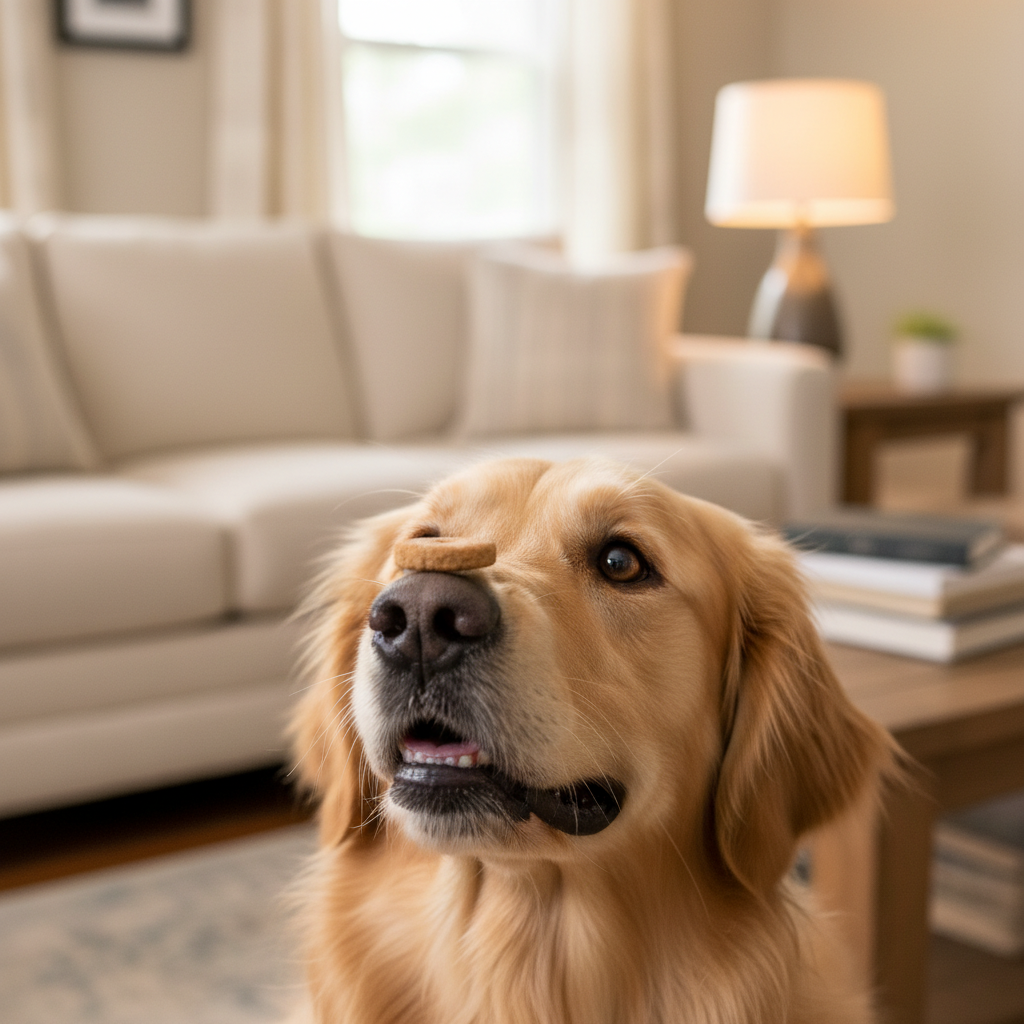
Master the ‘Leave It’: How to Teach Your Dog to Balance Treats on Their Nose
Have you ever seen those adorable videos of dogs patiently balancing a treat on their nose, waiting for the magic word to flip it up and catch it? It looks like an incredible feat of discipline, and let’s be honest, it’s a super impressive party trick! But what if I told you that teaching this trick is not only possible but also an incredibly powerful way to reinforce one of the most important commands your dog can know: ‘Leave It’.
This isn’t just about showing off. It’s about building communication, trust, and your dog’s self-control in a fun, positive way. By turning a vital safety command into an engaging game, you create a stronger bond and a dog who is more attentive and responsive in all situations. So, grab your tastiest treats and a dose of patience. We’re about to embark on a fun training adventure that will leave you with a well-behaved pup and a fantastic new trick to share!
The Foundation: Building a Rock-Solid ‘Leave It’
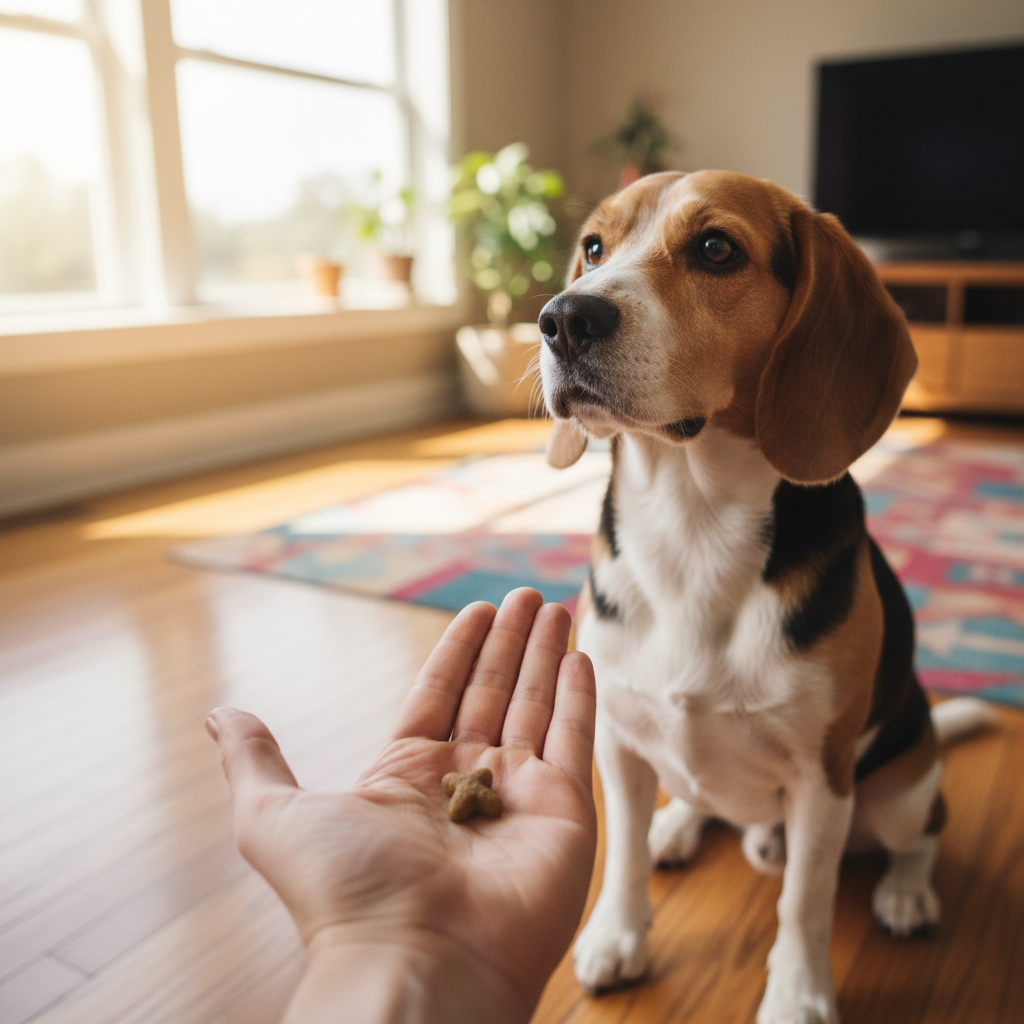
Before we can get to balancing, we need to make sure the foundation is solid. The ‘treat on the nose’ trick is essentially an advanced-level ‘leave it’. If your dog doesn’t have a reliable ‘leave it’ command yet, starting with this trick will be frustrating for both of you. Let’s build that foundation first!
What is ‘Leave It’?
‘Leave It’ means ‘whatever you’re looking at, sniffing, or about to put in your mouth, disengage from it and look at me instead.’ It’s a safety command that can prevent your dog from eating dropped medication, dangerous foods, or something mysterious on your daily walk.
How to Teach It:
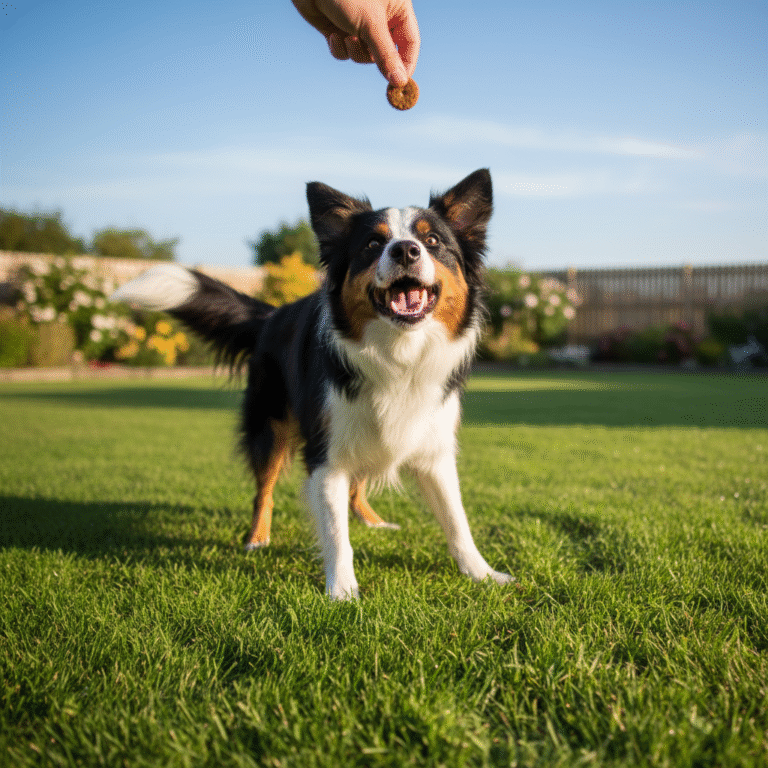
- The Closed Fist Method: Start by placing a low-value treat (like a piece of their regular kibble) in your closed fist. Let your dog sniff and lick your hand. They’ll be persistent! The moment they pull their head away, even for a second, say “Yes!” and give them a different, high-value treat from your other hand. The treat in the ‘leave it’ hand is never the reward.
- The Open Palm Method: Once your dog is consistently backing away from your closed fist, up the difficulty. Place the low-value treat on your open palm. As they go for it, say “Leave It” and close your fist. When they back off, say “Yes!” and reward them with a high-value treat from your other hand. Repeat until you can keep your palm open and they won’t try to snatch the treat.
- The Floor Method: Now, place the low-value treat on the floor, but keep your hand ready to cover it. Say “Leave It.” If they move towards it, cover it with your hand. When they hesitate or look back at you, mark the behavior with “Yes!” and give them a fantastic reward.
Expert Tip: Always reward your dog for a successful ‘leave it’ with something better than what they were asked to leave. This teaches them that ignoring the forbidden item is far more rewarding than taking it.
Practice this in short, fun sessions until your dog automatically looks to you when you say “Leave It,” no matter how tempting the item on the floor is. Once you’ve got this down, you’re ready for the main event!
Step-by-Step Guide: From Paw to Nose
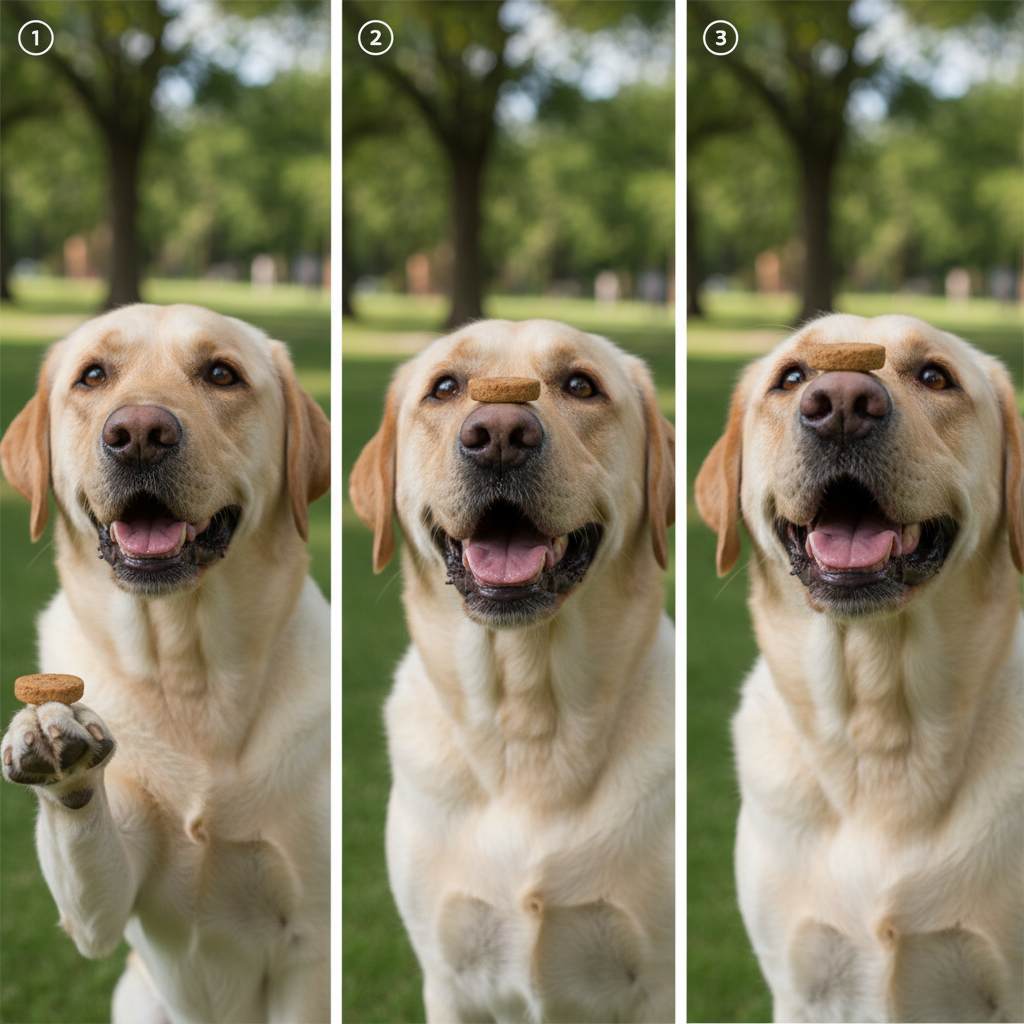
Alright, with a solid ‘leave it’ in your toolkit, it’s time for the fun part! Remember, patience is key. Every dog learns at a different pace. Keep sessions short (5-10 minutes) and always end on a positive note.
Step 1: Introduce the Concept on the Paw
The nose can be a very sensitive area, so we won’t start there. We’ll start with their paw, which is less intimidating. Have your dog lie down in a comfortable ‘down’ position.
- Gently place a treat on one of their front paws.
- Give your ‘leave it’ command in a calm, steady voice.
- Hold your hand nearby, ready to grab the treat if they try to eat it.
- If they leave it for even one second, say your release word (like “Okay!” or “Take it!”) and let them have the treat. Shower them with praise!
- Gradually increase the duration they have to wait before you give the release command. Work your way up to 5-10 seconds.
Step 2: Transitioning to the Muzzle (The Bridge)
This is the bridge to the nose. The goal here is to get them comfortable with a treat being placed on their face. Choose a treat that is flat and not too crumbly or smelly to start—a piece of kibble is perfect.
- With your dog still in a ‘down’ or a steady ‘sit,’ gently hold their muzzle with one hand to keep it still. Don’t grip it tightly; just provide gentle, steady support.
- With your other hand, place the treat on the flat part of their muzzle, right between their eyes.
- Give your ‘leave it’ command.
- Hold it there for just a split second, then say your release word and let them eat it as it tumbles off. Lots of praise!
- The goal is to show them that a treat on their head isn’t scary and leads to a reward. Repeat this several times, gradually lessening the support of your hand on their muzzle.
Step 3: The Grand Finale – Balancing on the Nose!
Now for the moment you’ve been waiting for. Your dog should be comfortable with the treat on their muzzle and understand the ‘leave it’ game.
- Ask your dog to sit and tilt their head up slightly. You can encourage this by holding a high-value treat in your hand above their eye line.
- Gently place the practice treat on the flattest, widest part of their nose. For most dogs, this is just behind the leathery part of the nose itself.
- Say “Leave It” and hold your hand steady for a moment before slowly pulling it away.
- The instant they successfully balance it, even if it falls right off, praise them enthusiastically and give them a reward (not necessarily the one that fell).
- Slowly increase the time. Count to one, then release. Then two, and so on. The key is tiny, successful steps.
Before you know it, your dog will be a balancing pro, eagerly awaiting your release command to flip that treat into the air and snatch it!
Troubleshooting: When the Trick Gets Tricky
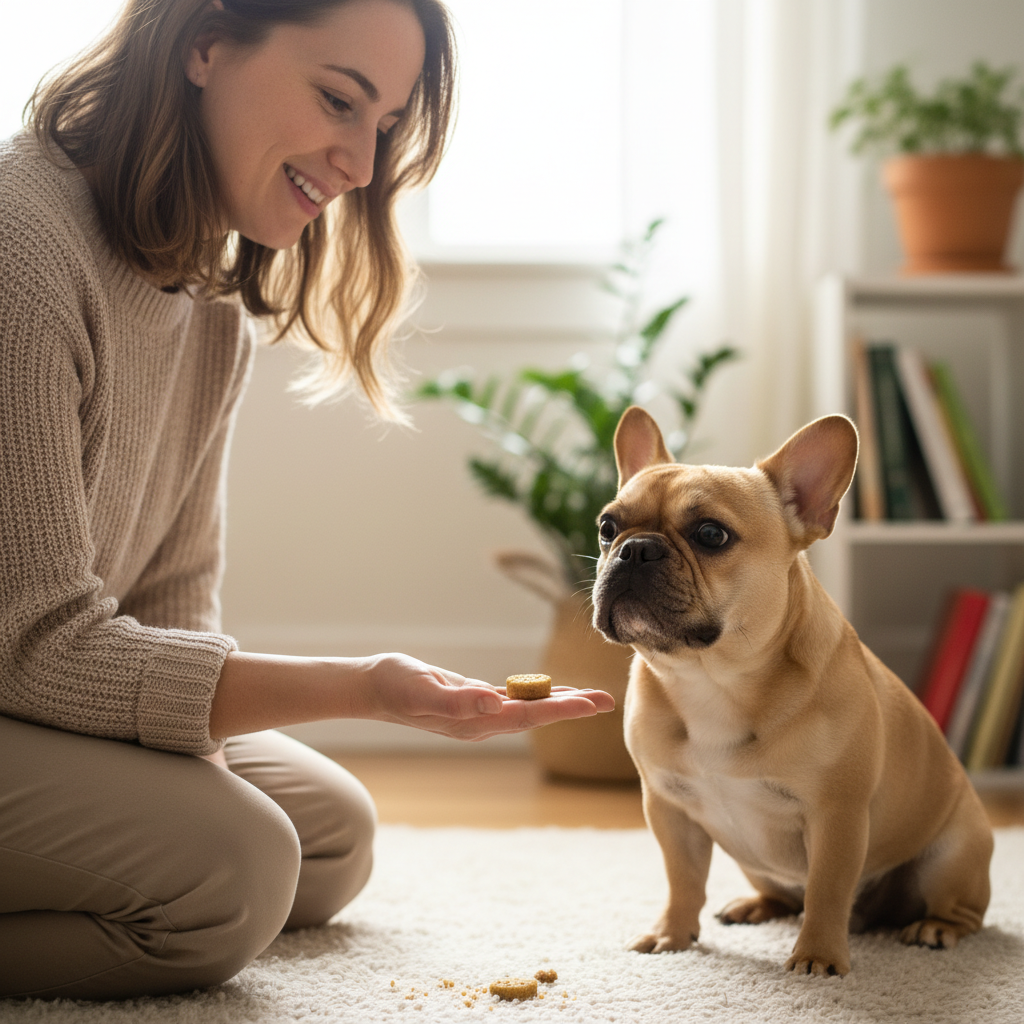
Training is never a straight line, and it’s perfectly normal to hit a few bumps in the road. Don’t get discouraged! Here are some common problems and how to solve them.
Problem: My dog keeps eating the treat immediately.
Solution: This usually means the ‘leave it’ command isn’t strong enough yet, or the treat is just too tempting! Go back to the foundational ‘leave it’ exercises from the first section. Also, try using a lower-value treat for the balancing act itself. Save the super yummy stuff for the reward you give from your hand. This reduces the temptation to snatch the balanced treat.
Problem: My dog shakes their head and the treat falls off.
Solution: This is a common reaction. They’re not used to the sensation! Go back to the ‘muzzle bridge’ step. Gently hold their chin for a few seconds at a time to help them get used to staying still. Reward them for any stillness, even without a treat involved. You can also try different treats. Some are shaped better for balancing than others. A flat, square-ish treat is often easier to balance than a round one.
Problem: My dog seems scared or stressed by it.
Solution: Stop immediately. Training should always be fun. If your dog is showing signs of stress (like yawning, lip licking, or turning their head away), you’re moving too fast. Go back to a step where they were happy and confident. Spend more time just rewarding them for letting you touch their muzzle and head. Make it a positive experience with lots of pets and praise. For some dogs, this trick just might not be their thing, and that’s okay! There are plenty of other fun ways to train.
Remember: The goal is a happy, confident dog. Keep sessions short, upbeat, and full of positive reinforcement. If you’re getting frustrated, your dog will feel it. It’s better to end the session early with a simple success than to push through a frustrating one.
Beyond the Trick: The Real-World Benefits
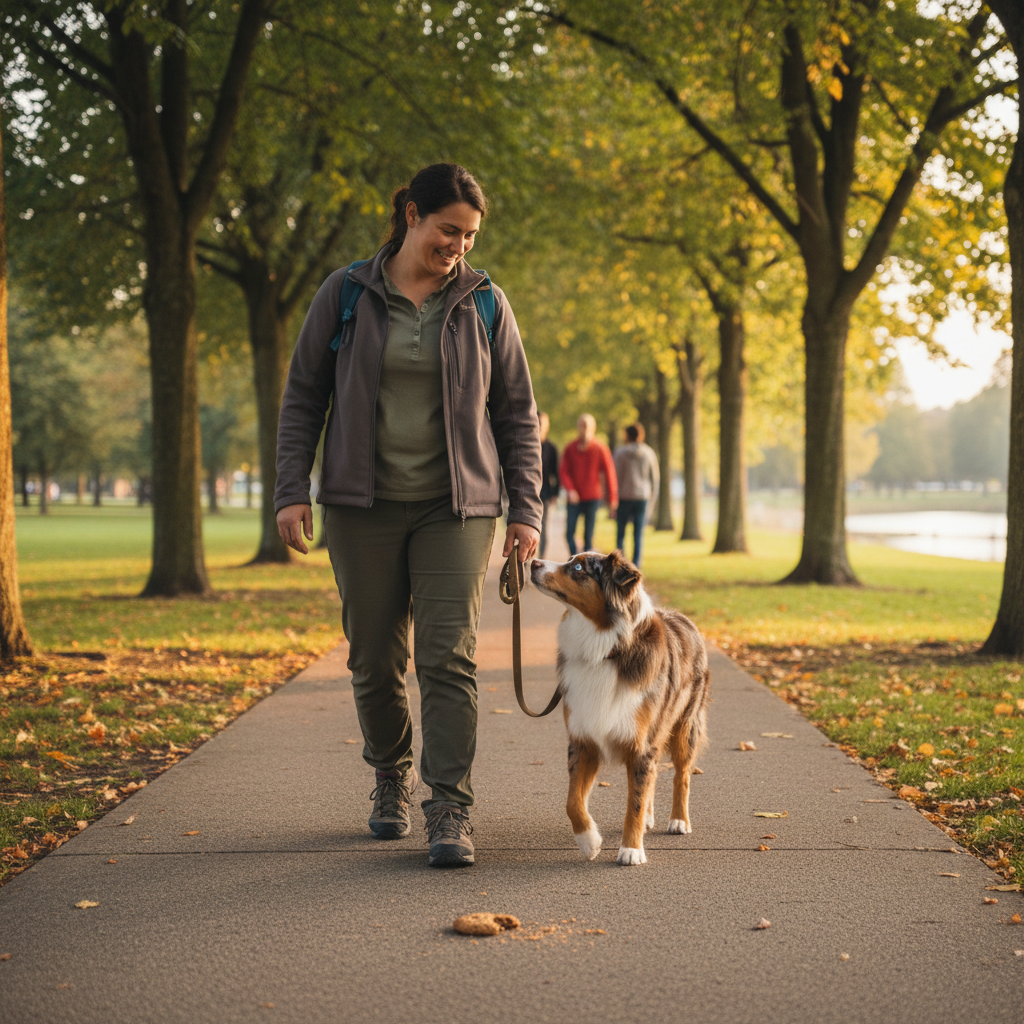
Mastering the ‘treat on the nose’ trick is about so much more than just a cute video for social media. This single exercise is a powerhouse for developing crucial life skills for your dog.
Enhancing Impulse Control
At its core, this trick is an advanced exercise in impulse control. Your dog learns to override their instinct to immediately snatch up food. This skill translates directly to real-world situations. A dog with good impulse control is less likely to bolt out an open door, jump on guests, or grab dangerous items off the sidewalk. You’re teaching them that waiting and looking to you for guidance is the most rewarding choice.
Strengthening the Human-Canine Bond
Every positive training session is like a deposit in your relationship bank. This trick requires clear communication, trust, and teamwork. Your dog learns to trust that you will guide them and reward their patience. You learn to read your dog’s body language and understand their limits. This shared experience deepens your bond and makes all other aspects of your life together easier and more enjoyable.
Building Focus and Calmness
To successfully balance that treat, your dog needs to be calm and focused. They learn to tune out distractions and concentrate on the task at hand. This is a form of canine meditation! Practicing this focus can help an energetic or anxious dog learn how to settle down and find a moment of stillness, a skill that is invaluable both inside the home and out in the busy world.
So while you’re celebrating your dog’s new trick, also celebrate the incredible life skills you’ve built together along the way. You haven’t just taught a trick; you’ve nurtured a more patient, focused, and well-behaved companion.
Conclusion
Congratulations! You’ve gone from the basics of ‘leave it’ to mastering one of the most charming tricks in the book. You’ve not only taught your dog a fun new skill but have also invested valuable time in strengthening their impulse control, focus, and your incredible bond.
Remember that every dog is an individual. Some may pick this up in a day, while others might take weeks. The timeline doesn’t matter. What matters is the patient, positive journey you take together. Keep practicing, keep it fun, and continue to celebrate the small victories. Now go on, show off your pup’s amazing new talent—you’ve both earned it!