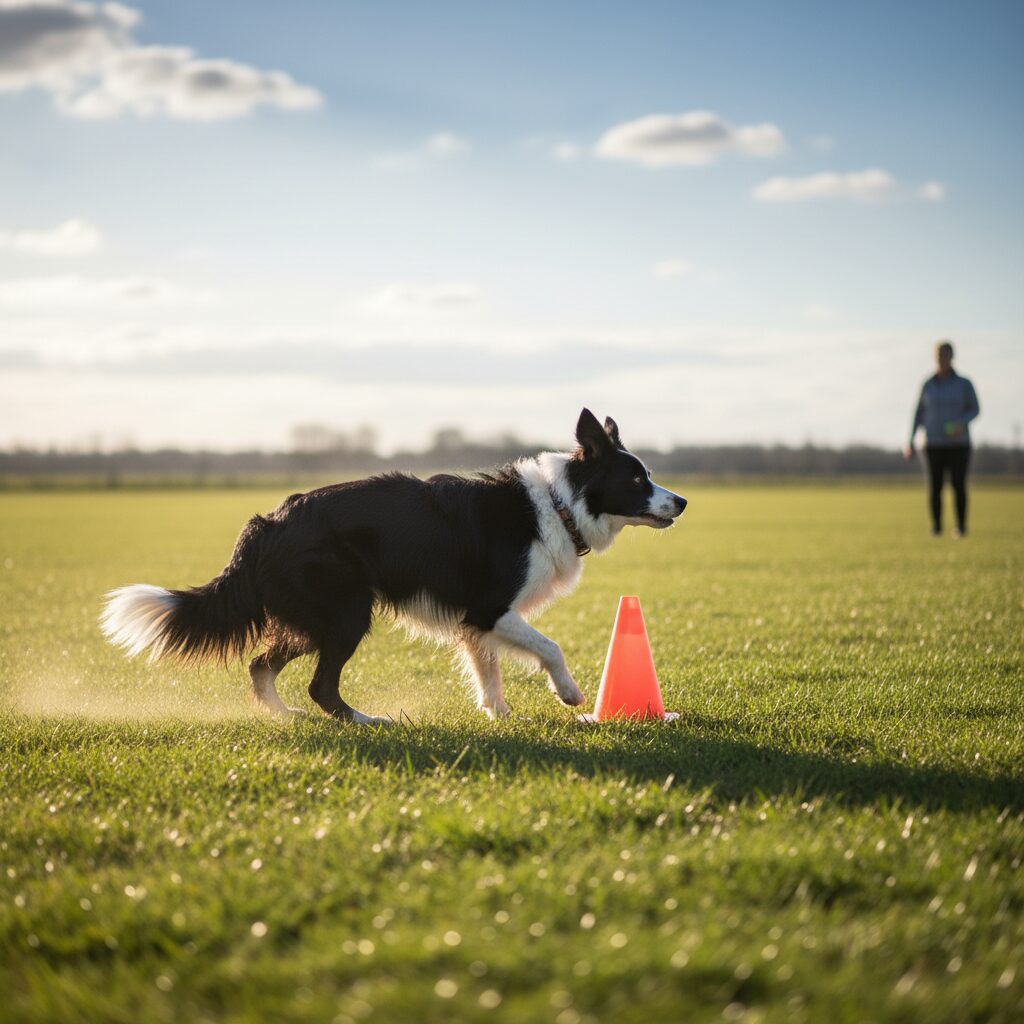
Master Distance Control: Teach Your Dog To ‘Go Around’ Objects
Distance control is one of the hallmarks of a well-trained dog. While basic obedience usually requires the dog to stay close to the handler’s leg, advanced skills—such as agility, herding, or even complex trick training—require the dog to perform tasks away from you. One of the most versatile and mentally stimulating commands to teach is the "Go Around" (often called "Wrap" or "Circle"). This behavior involves sending your dog away from you to circle an object and return.
Teaching your dog to go around objects is not merely a parlor trick; it builds confidence, improves impulse control, and enhances the communication bond between canine and human. Whether you are an aspiring agility competitor needing tight turns around a wing jump, or a pet owner looking for a way to burn mental energy on a rainy day, mastering this skill is invaluable. In this guide, we will break down the training process into manageable steps, ensuring you and your dog can master distance control with precision and enthusiasm.
Prerequisites and Essential Tools
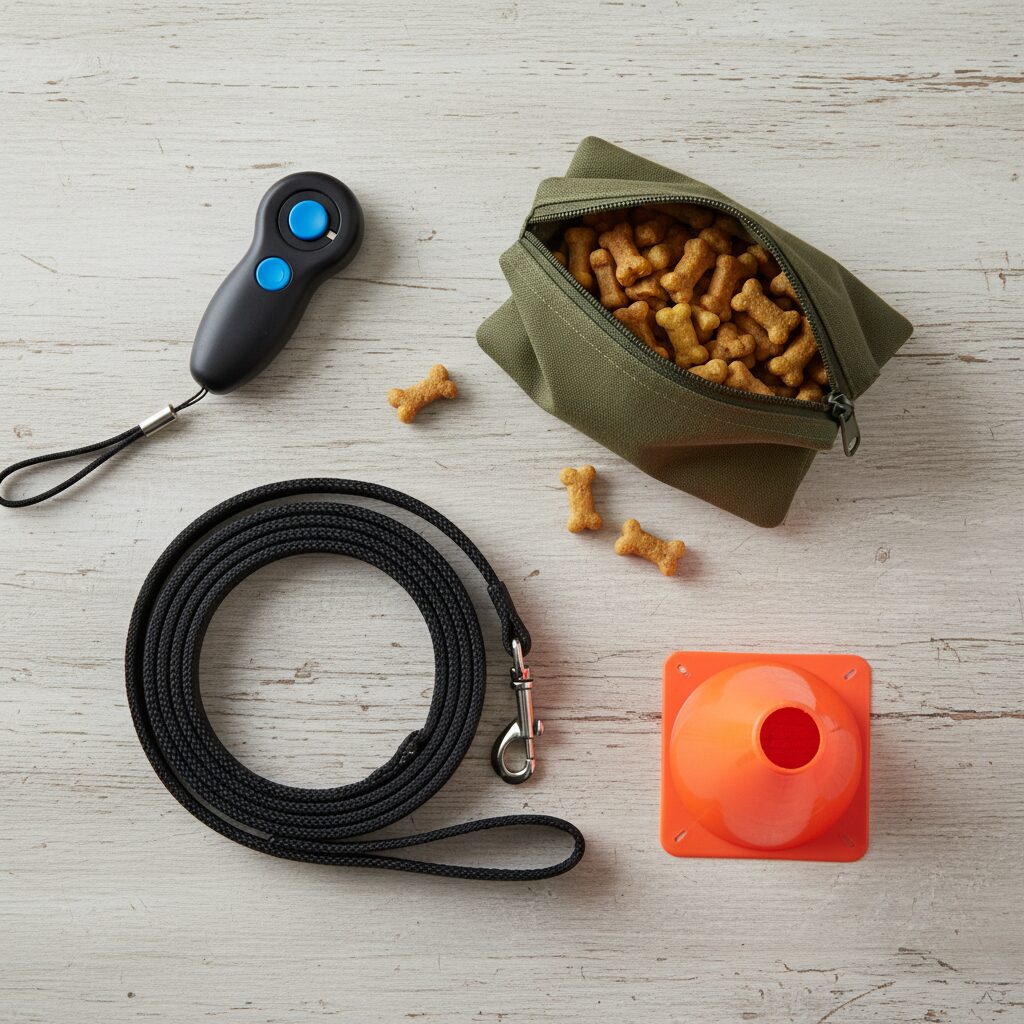
Before initiating the training sessions, it is crucial to gather the necessary equipment and ensure your dog has the foundational focus required for this exercise. The "Go Around" command relies heavily on luring initially, followed by shaping, so preparation is key to preventing frustration.
What You Will Need
- An Upright Object: You need a distinct object for the dog to circle. A traffic cone, a wastebasket, or a specialized agility wing works best. Avoid using objects that are too wide (like a car) or too small (like a cup) initially.
- High-Value Rewards: Use small, soft treats that can be consumed quickly. We want to keep the momentum high.
- A Marker Signal: A clicker or a consistent verbal marker like "Yes!" is essential to pinpoint the exact moment the dog performs the correct action.
- A Non-Slip Surface: If training indoors, ensure you are on carpet or rubber matting. Dogs may hesitate to turn tightly on slippery tile or hardwood.
Your dog should already understand the concept of following a lure (a treat in your hand) and should have a basic understanding of a release word.
Step 1: Establishing the Pattern Close-Up
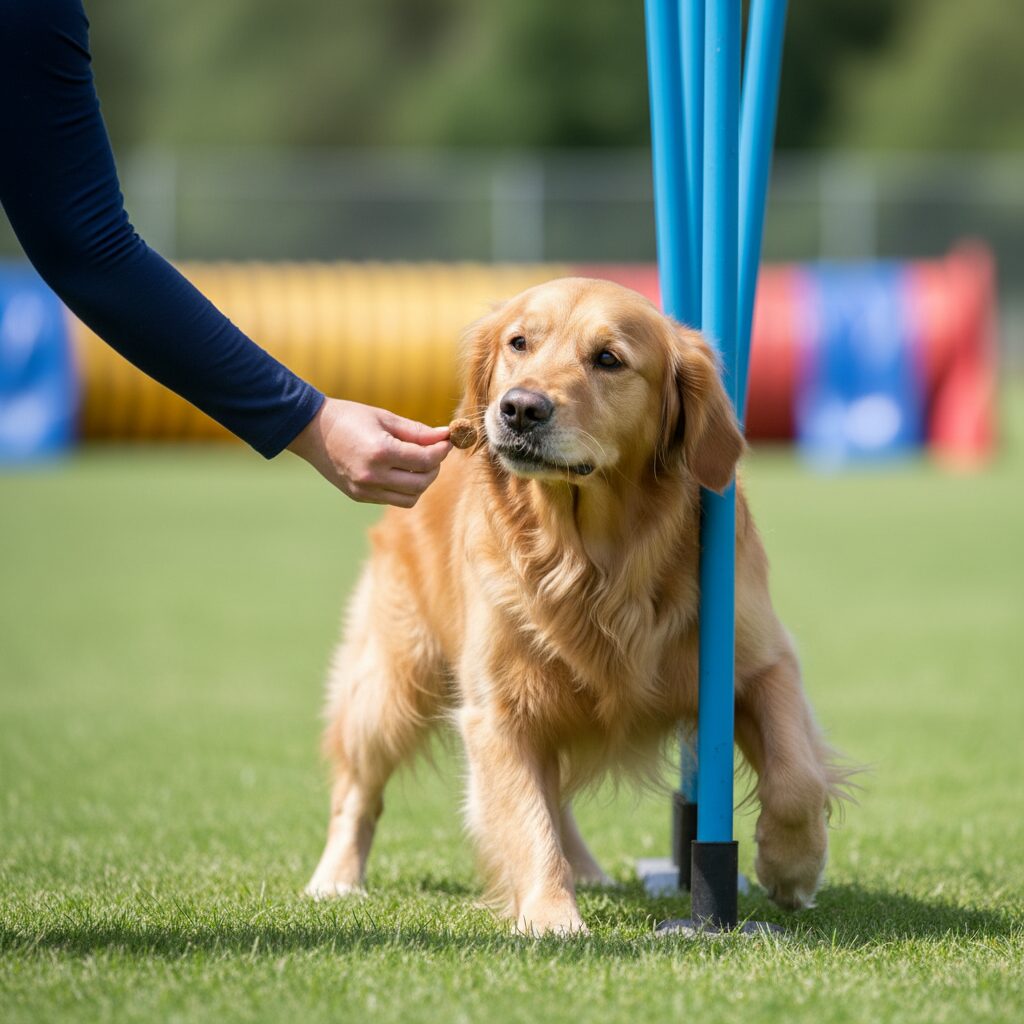
The first stage of training is about mechanical muscle memory. We are not yet adding distance; we are simply teaching the dog the physical motion of wrapping around an object.
The Luring Process
Stand extremely close to your chosen object (e.g., the cone). Have your dog stand in front of you. With a treat in your hand, lure the dog’s nose toward the side of the cone, guide them around the back, and bring them back to the front to complete the circle.
Key Timing: As soon as the dog’s head passes the back of the cone and they begin to turn toward you, mark the behavior (Click or "Yes!") and reward them immediately close to your body. This teaches them that the completion of the loop results in a payout.
Repeat this process in both directions (clockwise and counter-clockwise). You may notice your dog has a "handedness" or a preferred side; this is normal, but aim to balance both sides equally to prevent muscle imbalances.
Step 2: Adding the Verbal Cue and Fading the Lure
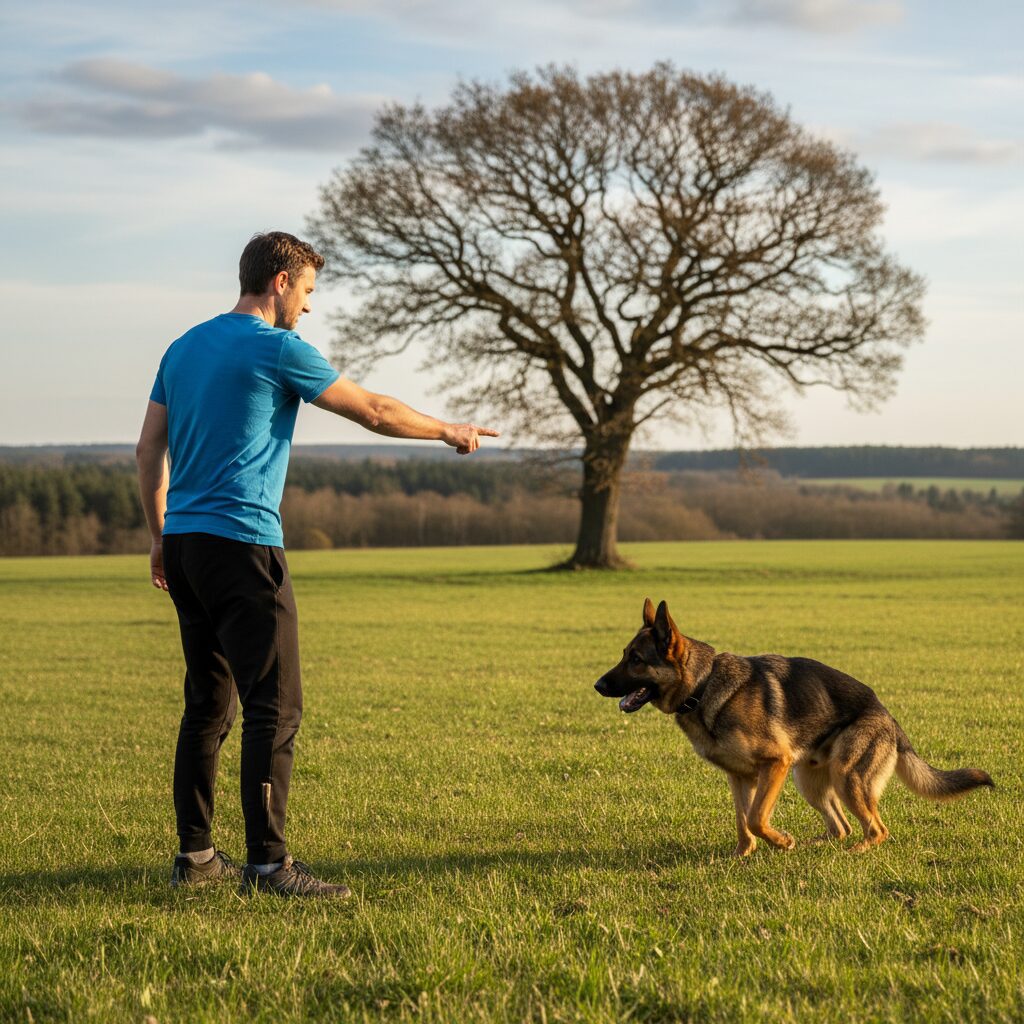
Once your dog is happily following your hand around the cone without hesitation, it is time to introduce the verbal command and reduce your physical assistance.
Introducing the Cue
Just as you are about to send the dog around, say your chosen cue clearly. Common cues include "Around," "Wrap," or "Go." Say the word before you initiate the hand movement. The sequence is: Verbal Cue → Hand Signal → Dog Circles → Mark → Reward.
Fading the Lure
Gradually stop holding a treat in the signaling hand. Use an empty hand to guide the dog, then reward from your pocket or the other hand upon completion. Over several sessions, make your hand signal smaller and less exaggerated. Instead of guiding their nose the entire way around, simply point toward the object. If the dog is confused, go back a step and help them with a clearer lure for a few repetitions.
Step 3: Building Distance and Independence
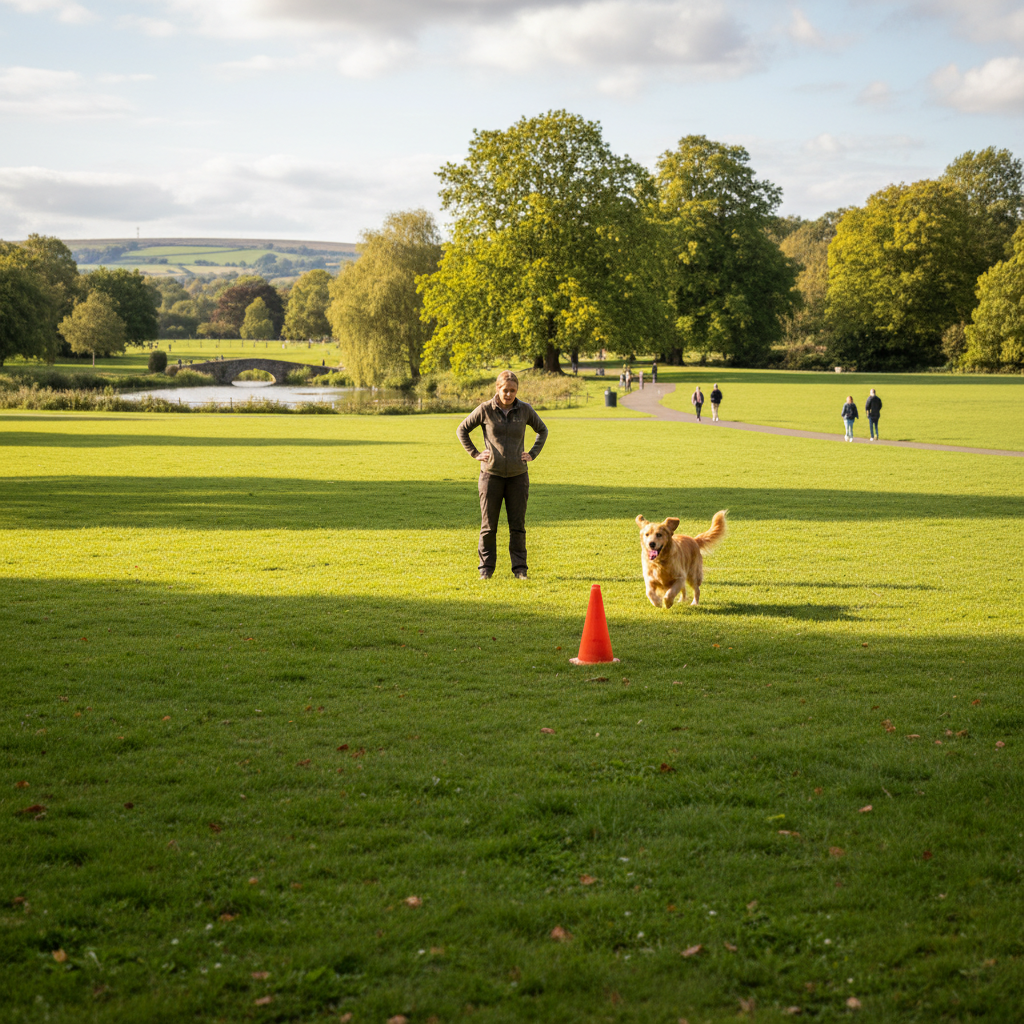
This is the phase where "Distance Control" truly comes into play. The goal is to send the dog around the object while you remain stationary further away.
- Incremental Retreat: Start by taking one small step back from the object. Give your cue and point. If the dog succeeds, mark and toss the treat to the dog or have them return to you.
- The ‘Yo-Yo’ Effect: Be careful not to only reward when the dog returns to your hand, or they may start cutting the circle short to get to you faster. Occasionally toss the reward behind the object or straight ahead to drive them forward through the turn.
- Increasing Difficulty: Gradually increase your distance to 5 feet, then 10 feet, and so on. If the dog fails twice in a row, you have moved too far too fast. Decrease the distance and build their confidence back up.
At this stage, you are teaching the dog that your distance does not signal the end of the exercise; rather, they must work away from you to earn the reward.
Troubleshooting Common Challenges
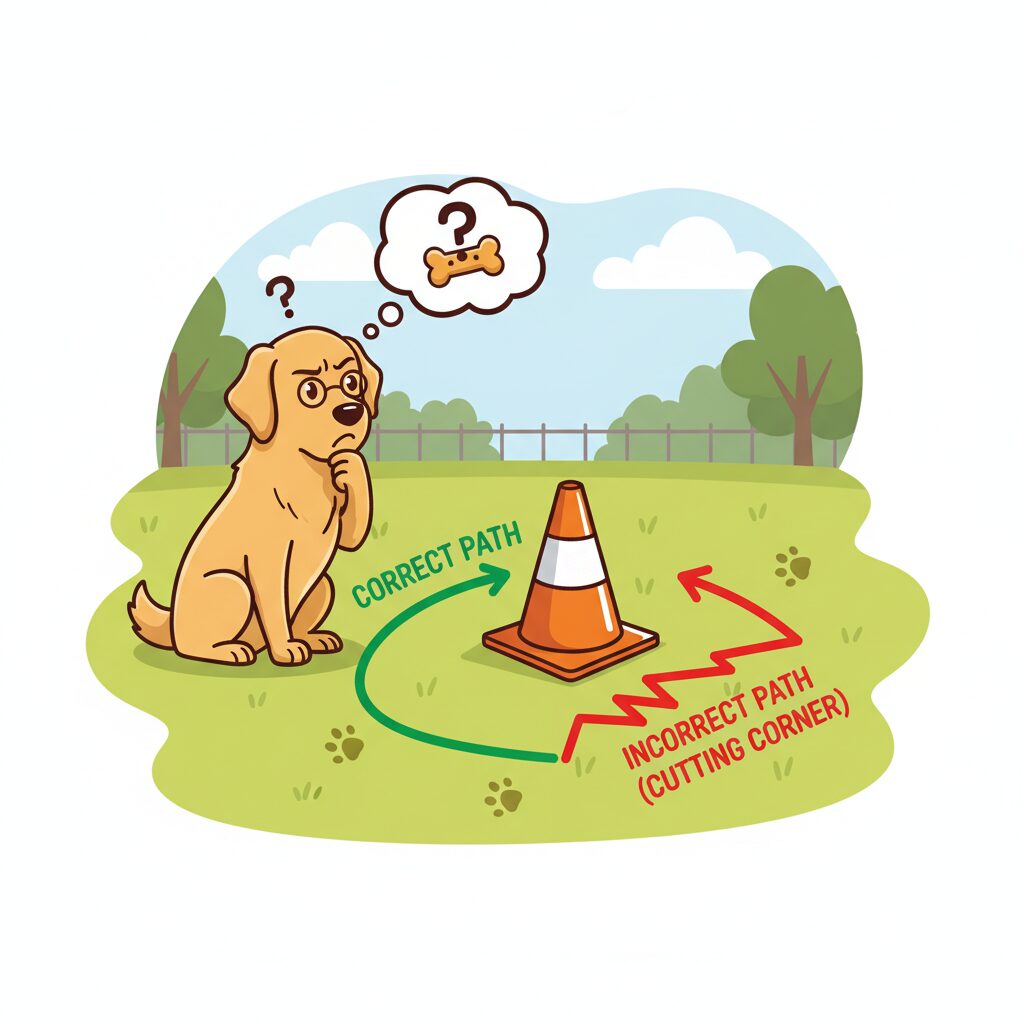
Even intelligent dogs can struggle with distance behaviors. Here are common issues and how to address them professionally:
The Dog Cuts the Corner
If your dog tries to come back to you before fully circling the object, you likely faded the lure too quickly or are standing too far away. Go back to being close to the object and ensure you are marking (clicking) only when they are on the far side of the object, not when they are already returning to you.
The Dog Barks or Spins
Frustration often manifests as barking or spinning. This usually means the criteria are too high. The dog does not understand what you want and is venting frustration. Simplify the task. Ask for a simple "sit" or "touch" to reset their brain, then try the "Go Around" again from a much closer distance.
Refusal to Leave Your Side
This is common in "velcro dogs." To encourage them to move away, use a toy instead of food if they are toy-motivated. You can also place a target (like a treat on a lid) behind the cone to incentivize them to travel the distance. Once they discover the target, they will be more willing to leave your personal space.
Final Thoughts on Distance Work
Mastering the "Go Around" command is a significant milestone in your dog’s training journey. It transitions your relationship from simple proximity-based obedience to advanced distance communication. By practicing consistently, keeping sessions short, and maintaining a high rate of reinforcement, you will build a dog that listens to you whether you are right beside them or fifty feet away.
Remember that patience is the most critical tool in your arsenal. Every dog learns at a different pace. Celebrate the small victories—that first independent turn, the first time they go around a tree at the park—and you will find that distance control opens up a new world of activities for you and your canine companion.