Lure Coursing 101: The Ultimate Sport for High Energy Dogs
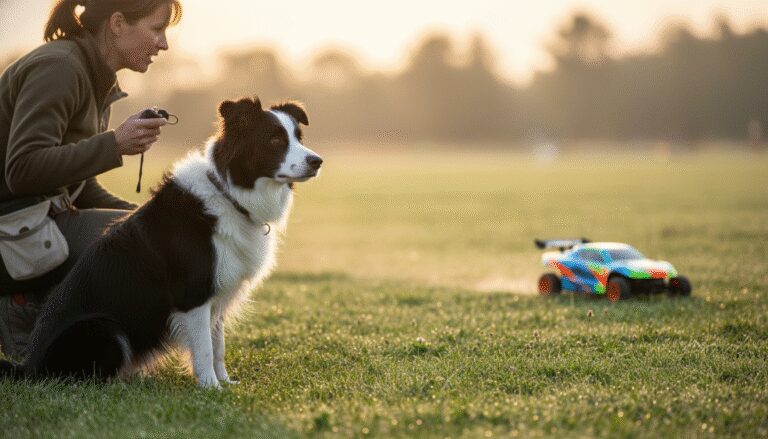
For owners of high-energy dogs, finding an outlet that sufficiently drains both physical stamina and mental energy can be a perpetual challenge. A daily walk around the neighborhood is often insufficient for breeds with an innate desire to run, chase, and work. Enter lure coursing, a performance event that taps directly into a dog’s primal instinct to hunt.
Originally developed for sighthounds to simulate the unpredictability of chasing live game, lure coursing has evolved into a structured sport that offers a safe, controlled environment for dogs to unleash their speed. While traditional competitions were exclusive to specific breeds, modern variations like the Coursing Ability Test (CAT) and Fast CAT have opened the field to virtually all dogs. In this guide, we will explore the mechanics of the sport, the immense behavioral benefits it offers, and how you can get involved in this adrenaline-fueled activity.
What is Lure Coursing?

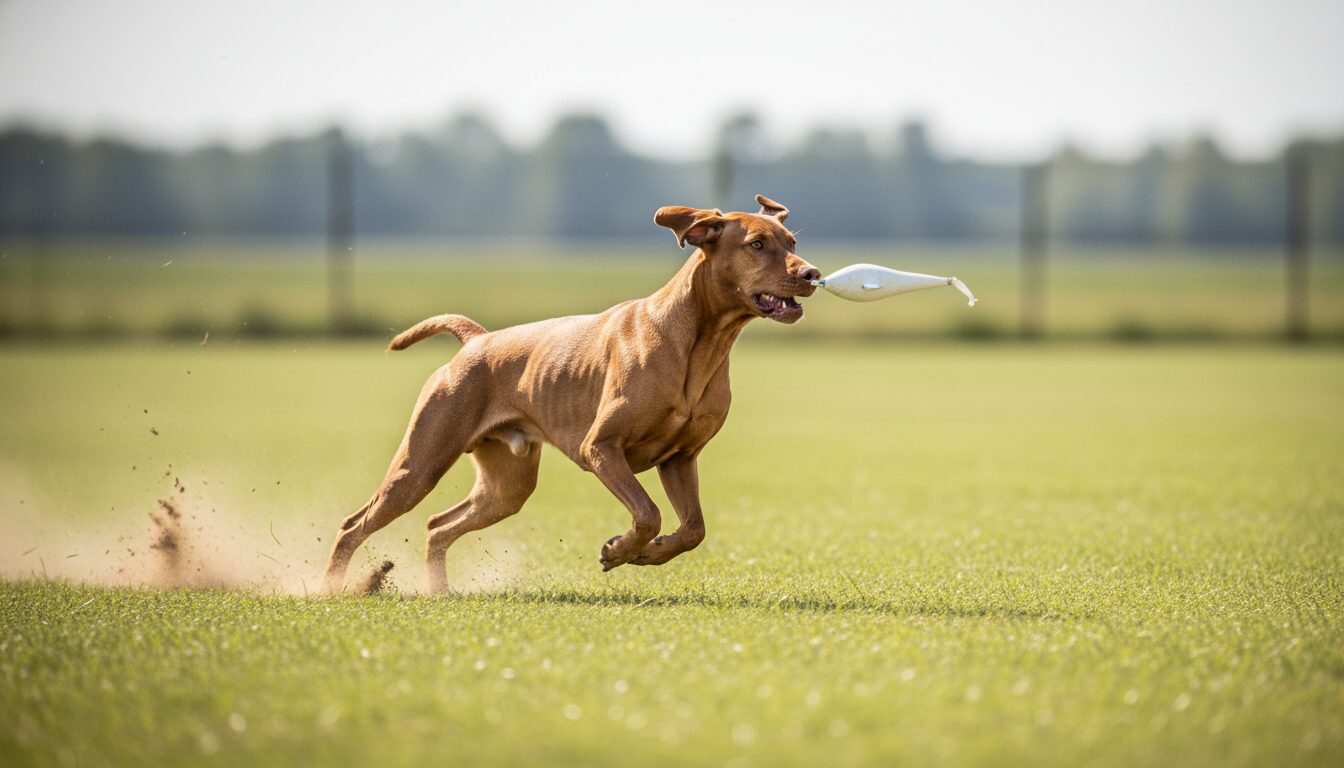
At its core, lure coursing is a system designed to simulate the chase of a jackrabbit or hare. Unlike greyhound racing, which typically occurs on a circular or oval track, a lure coursing field is irregular and unpredictable. A mechanical lure—usually a simple white plastic bag—is attached to a continuous loop of line run through a series of pulleys. An operator controls the speed of the lure, ensuring it stays just ahead of the dog to maintain engagement without being caught too early.
The course design mimics the zig-zag pattern of prey trying to escape a predator. This requires the dog to not only possess raw speed but also agility, focus, and tactical intelligence. The dog must anticipate turns and adjust their stride accordingly. For the dog, it is a game of chase; for the observer, it is a breathtaking display of canine athleticism and instinct.
Eligibility: Sighthounds vs. All-Breed CAT

Historically, lure coursing was the domain of Sighthounds—breeds that hunt primarily by sight and speed rather than scent. This includes breeds such as Greyhounds, Whippets, Salukis, Rhodesian Ridgebacks, and Irish Wolfhounds. In American Kennel Club (AKC) sanctioned Lure Coursing trials, participation is generally restricted to these specific breeds to preserve their functional heritage.
The Coursing Ability Test (CAT)
However, recognizing that the prey drive is not unique to sighthounds, organizations have introduced the Coursing Ability Test (CAT) and Fast CAT. These events allow any dog of at least 12 months of age—including mixed breeds and purebreds not classified as sighthounds—to participate, provided they are physically sound and registered with the organizing body (such as the AKC Canine Partners program). This democratization of the sport means that your high-energy Boxer, Terrier, or Shepherd mix can now enjoy the thrill of the chase formally.
Physical and Behavioral Benefits
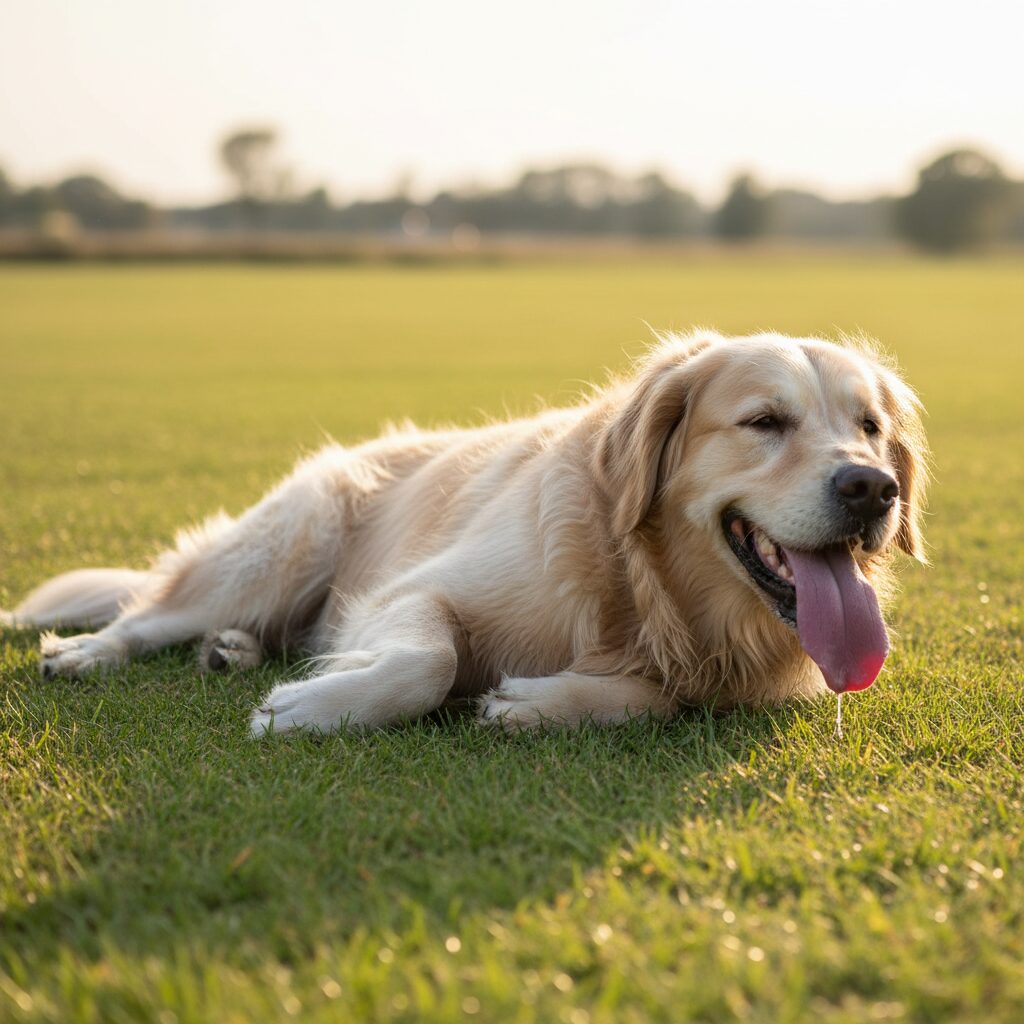
Participating in lure coursing offers profound benefits that extend beyond simple exercise. It provides a constructive outlet for natural drives that might otherwise manifest as behavioral issues, such as chasing cars, squirrels, or neighborhood cats.
- Physical Conditioning: The sport provides high-intensity interval training, building muscle tone, cardiovascular health, and endurance.
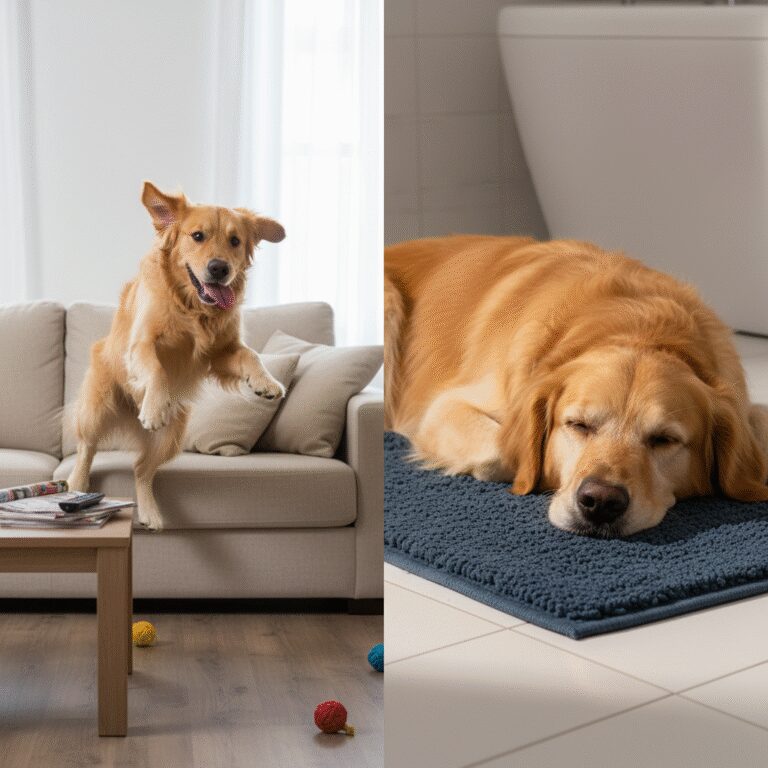
- Mental Stimulation: The intense focus required to track the lure drains mental energy, often resulting in a calmer dog at home.
- Confidence Building: For shy or insecure dogs, the autonomy of the chase and the success of the ‘hunt’ can significantly boost confidence.
Veterinary experts often note that a dog with a ‘job’ is a happier companion. Lure coursing fulfills a biological need, leading to a more balanced temperament.
Safety and Preparation: Before You Run
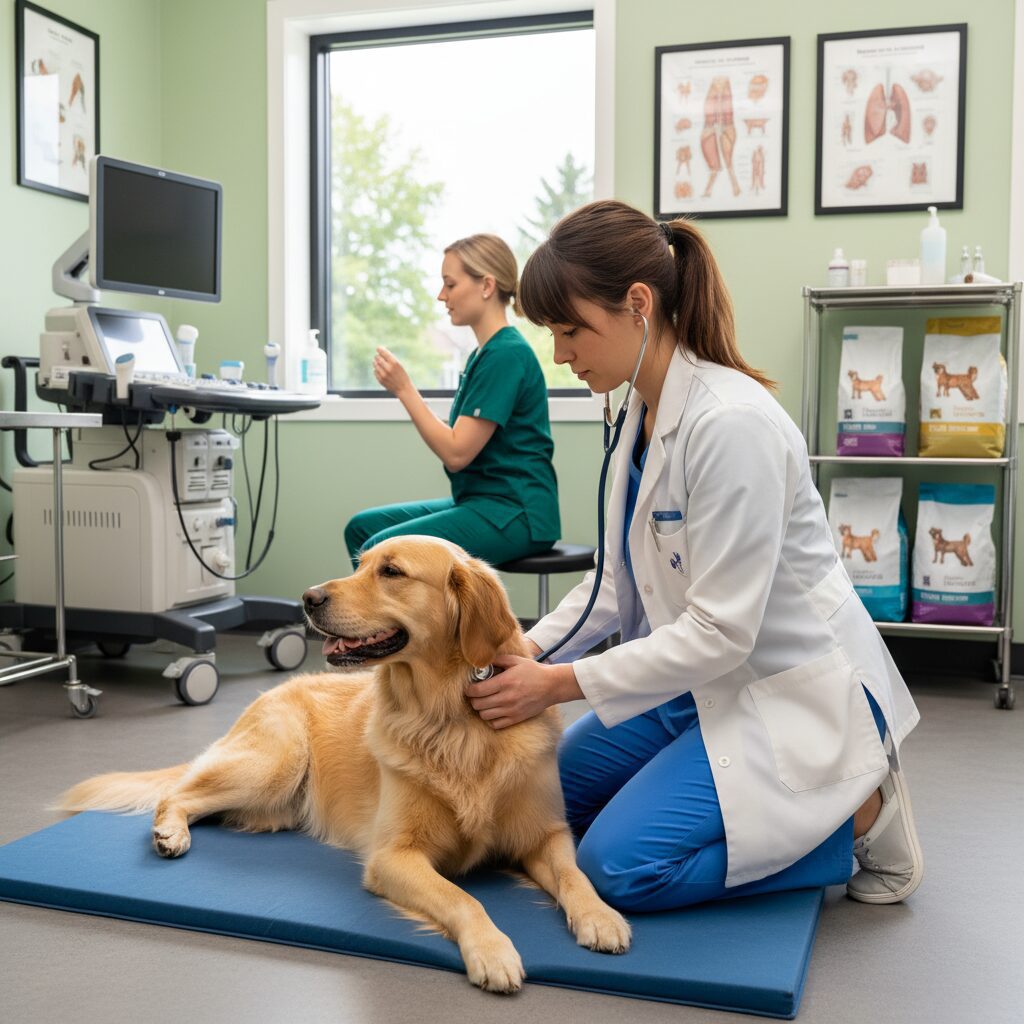
Because lure coursing is a high-impact sport involving sudden turns and maximum acceleration, safety is paramount. Before attempting to run your dog, a full veterinary check-up is essential. The vet should evaluate your dog’s heart, lungs, and orthopedic health to ensure they can withstand the rigors of the course.
Conditioning is Key
Do not take a ‘weekend warrior’ approach. A dog that spends five days a week on the couch cannot safely sprint 600 yards on Saturday. You must build your dog’s fitness gradually through:
- Regular, brisk walks and light jogs.
- Core-strengthening exercises (like walking on uneven surfaces).
- Recall training to ensure you can retrieve your dog at the end of the run.
Furthermore, ensure your dog’s nails are trimmed short to prevent injury for traction, and never feed a full meal immediately before or after a run to reduce the risk of bloat (Gastric Dilatation-Volvulus).
What to Expect at Your First Event

Attending your first event can be exciting but overwhelming. Here is the general flow of a lure coursing or CAT event:
- Inspection: Upon arrival, a designated inspection committee will examine your dog to ensure they are not lame and, for females, not in season.
- The Paddock: You will wait in a holding area. Keep your dog warm and limber up their muscles with a short walk.
- The Start Line: When it is your turn, you will bring your dog to the line using a slip lead (collars that can catch on equipment are usually removed). The Huntmaster will signal the lure operator.
- The Release: On the signal ‘Tally-Ho!’, you release your dog. The lure takes off, and your dog gives chase.
- The Retrieval: Once the course is finished, you must quickly retrieve your dog. High-value treats or a favorite toy are useful here to redirect their attention from the lure back to you.
Remember to bring water, shade (like a crate or tent), and plenty of patience. These events often take all day, but the few minutes of pure joy your dog experiences are worth the wait.
Unleashing the Inner Hunter
Lure Coursing 101: The Ultimate Sport for High Energy Dogs is more than just a title; it is a promise of a better quality of life for active canines. Whether you own a purebred Greyhound or a mixed-breed dynamo, this sport offers a unique opportunity to bond with your pet while allowing them to express their natural instincts in a safe, controlled setting. By prioritizing safety, proper conditioning, and understanding the rules of the game, you can turn a hyperactive pet into a fulfilled canine athlete. Check your local kennel club listings for upcoming tests or practice runs—your dog will thank you for it.