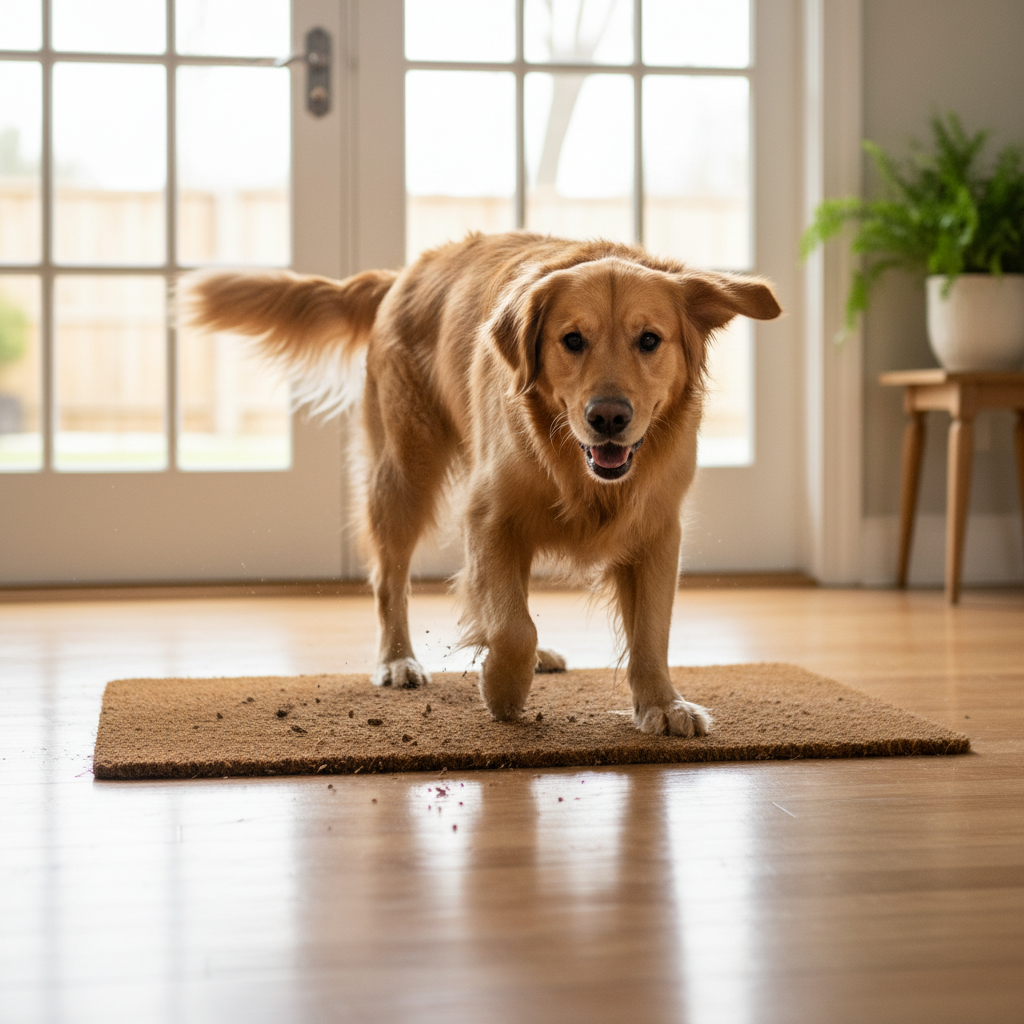
Keep Floors Clean: Teach Your Dog to Wipe Their Own Paws on the Mat
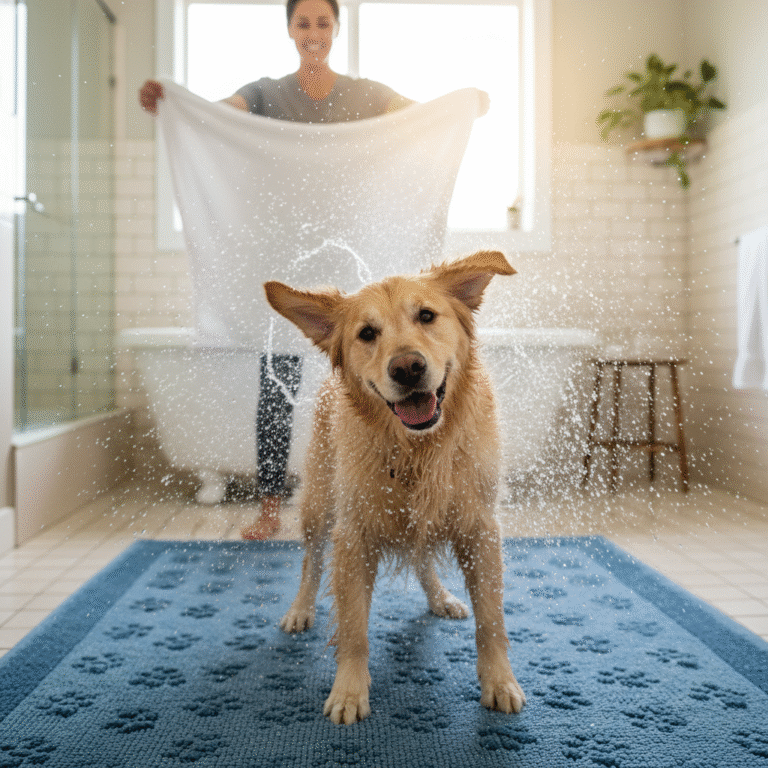
We’ve all been there. You’ve just finished mopping the floors, and they’re gleaming. Then, the back door opens, and in trots your furry best friend, fresh from a romp in the yard, leaving a trail of perfect, muddy paw prints all the way to the sofa. It’s a classic pet-parent struggle! But what if I told you there’s a solution that’s not only effective but also a fantastic bonding experience for you and your pup? You can actually teach your dog to wipe their own paws. It sounds like a trick for a movie dog, but with a little patience and some positive reinforcement, your clever canine can learn to be your partner in cleanliness. Let’s get started on this fun and practical training adventure!
Gearing Up for Success: What You’ll Need
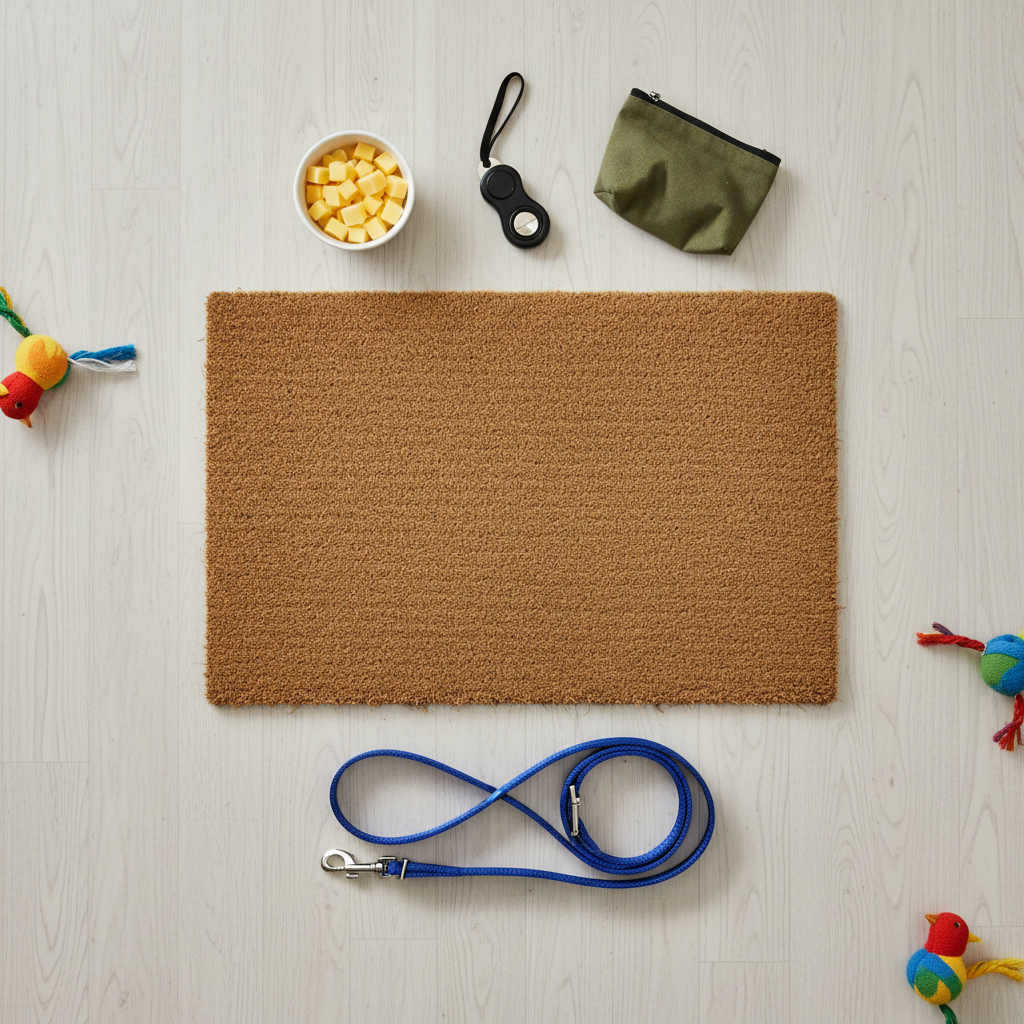
Before you start your first training session, it’s a good idea to gather a few key items. Having everything ready will make the process smoother and more enjoyable for both you and your star pupil. You don’t need a lot of fancy equipment, just a few simple tools to set the stage for success.
- A High-Traction Mat: Choose a doormat with a rough, textured surface that will actually help clean paws. A coir, bristle, or textured rubber mat works wonderfully. Make sure it has a non-slip backing to keep it in place while your dog is ‘wiping’.
- High-Value Treats: These are the special, super-tasty treats that your dog absolutely loves and doesn’t get all the time. Think small pieces of cooked chicken, cheese, or special training treats. The goal is to make the reward so good that your dog is highly motivated to work for it.
- A Clicker (Optional): If you’re familiar with clicker training, this is a great time to use it! A clicker helps you mark the exact moment your dog does the right thing, making your communication crystal clear. If you don’t use a clicker, a consistent marker word like “Yes!” or “Good!” works just as well.
- Patience and a Positive Attitude: This is the most important tool of all! Remember, this is a game. Keep sessions short (5-10 minutes) and always end on a positive note.
The Paw-sitive Steps to a Clean Entrance
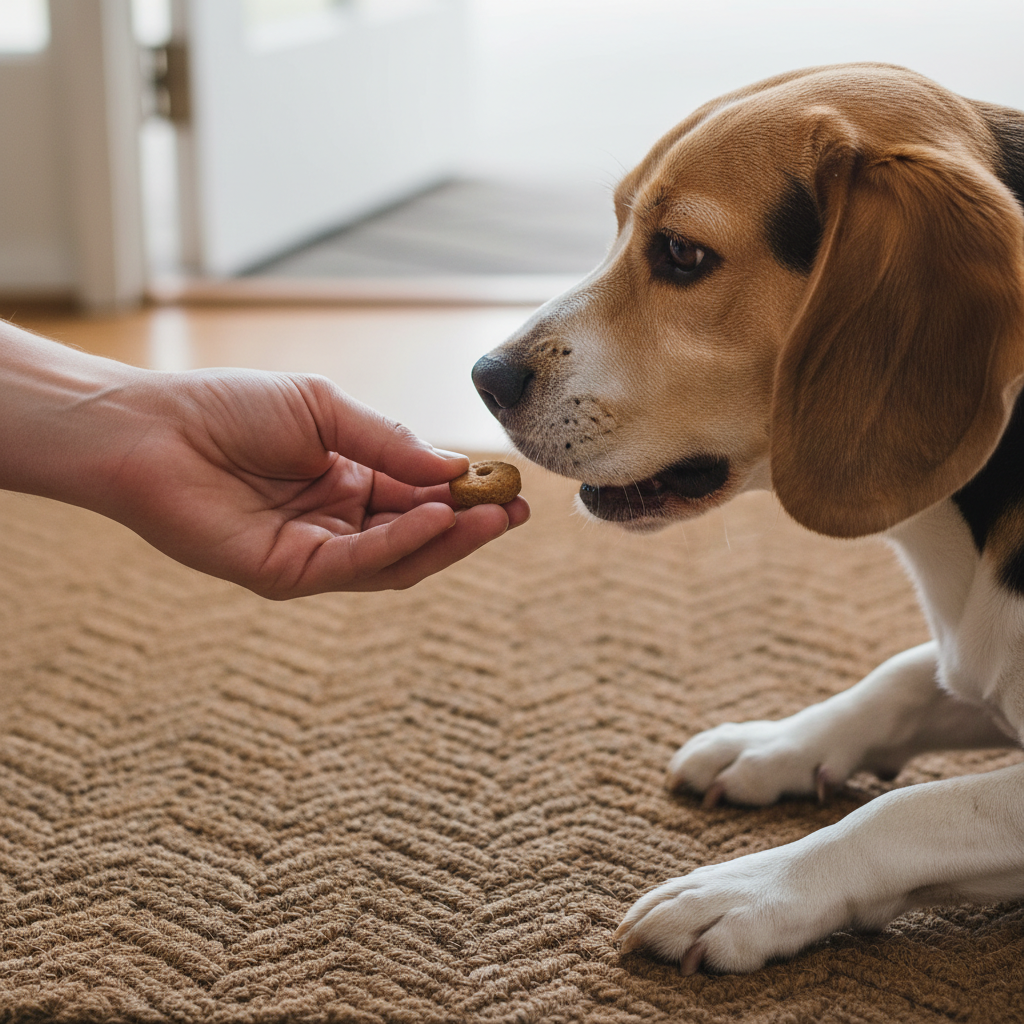
This is where the magic happens! We’re going to break this trick down into tiny, easy-to-learn steps. The key is to reward your dog for each small success along the way. This method is called ‘shaping,’ and it’s a powerful way to teach complex behaviors.
- Step 1: Introduce the Mat. Place the new doormat on the floor and just let your dog investigate it. The moment they sniff, touch, or step on it with even one paw, click (or say “Yes!”) and give them a treat. Repeat this several times until your dog is happily offering to touch the mat.
- Step 2: Encourage Paw Interaction. Now, we want to encourage more specific paw action. Wait for your dog to put a paw on the mat. When they do, reward them. At this stage, you are only rewarding for paw contact, not for just standing on it. You can gently tap the mat to encourage them to touch it.
- Step 3: Shape the Wiping Motion. This is the trickiest part. Once your dog is consistently touching the mat with a paw, delay the reward for a split second. Your dog might get a little creative to earn the treat—they might shift their weight or move their paw. The instant you see any scratching or back-and-forth movement, no matter how small, click and reward! You are now rewarding the ‘wiping’ motion.
- Step 4: Build on the Movement. Gradually ask for more. Wait for two wipes, then reward. Then three. Keep building on this until your dog is performing a solid wiping motion with one paw. Then, you can start encouraging them to use the other paw.
- Step 5: Add the Verbal Cue. Once your dog is reliably wiping their paws when you present the mat, you can add a verbal cue. Just before they start to wipe, say your chosen cue, like “Wipe your feet!” or “Clean paws!” After a few sessions, they will start to associate the words with the action.
Expert Tip: Keep your training sessions short and fun! A couple of 5-minute sessions a day is much more effective than one long, frustrating hour. Always end on a successful repetition so your dog feels like a winner.
Troubleshooting: When Your Pup Puts a Paw Wrong
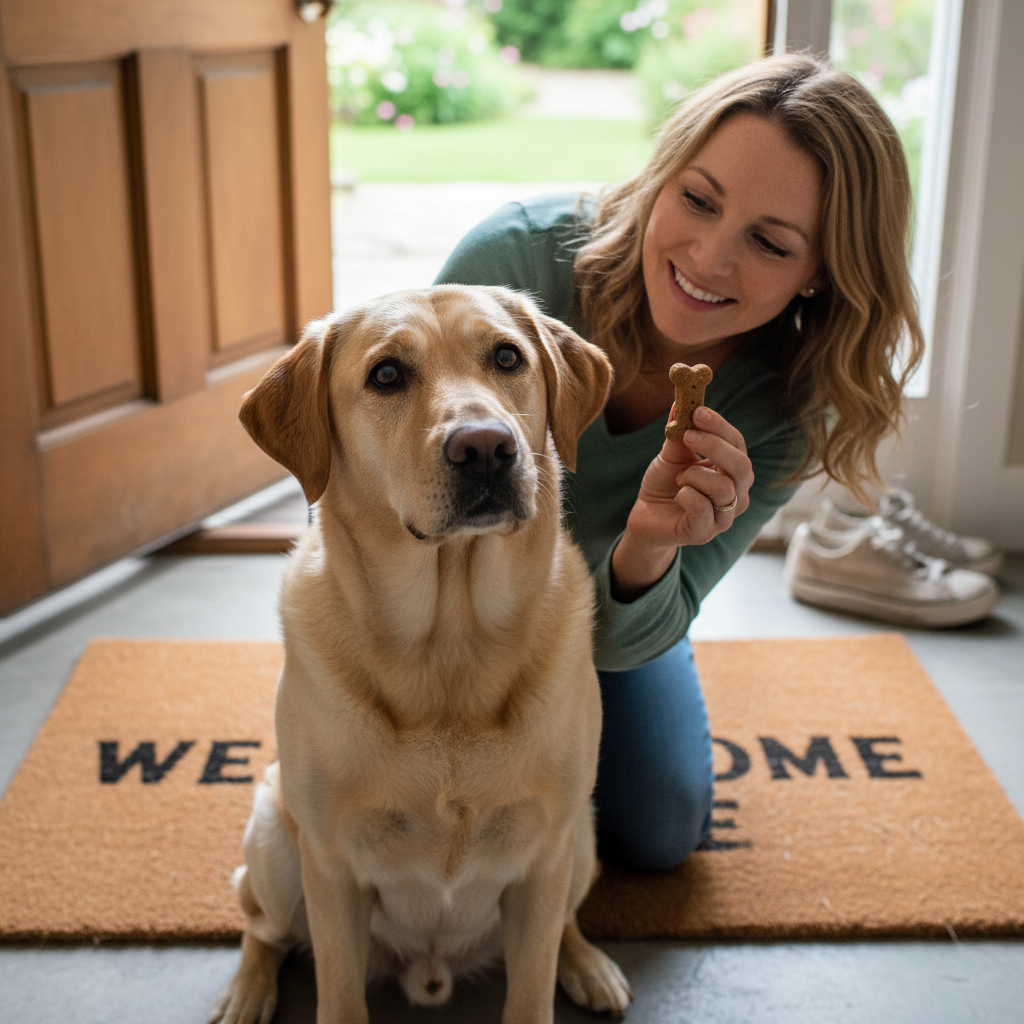
Training is never a straight line, and it’s perfectly normal to hit a few snags. Don’t get discouraged! Most common issues have simple solutions. Here’s how to handle some frequent challenges.
My dog just stands on the mat and does nothing.
This usually means you’ve rewarded them for simply standing on it too many times. Go back a step! Lure them off the mat, then toss a treat near the mat. When they go to get it and step on the mat in the process, reward that movement. You can also try hiding a treat under the edge of the mat to encourage them to dig or scratch at it, which mimics the wiping motion.
My dog tries to eat the mat!
Some dogs, especially puppies, are oral explorers. If your dog starts chewing the mat, calmly redirect them with a firm “Leave it,” and offer a toy instead. End the training session and try again later when they are less fixated on chewing. Ensure the mat is a sturdy material that isn’t easily destroyed.
They only wipe one paw.
That’s a great start! Celebrate that one-paw wipe. To encourage the other paw, you can try placing a treat on the mat slightly to the side of the ‘non-wiping’ paw. This might encourage them to use that foot to investigate. Patience is key here; many dogs will eventually offer the other paw on their own.
From Trick to Habit: Making Paw-Wiping Automatic
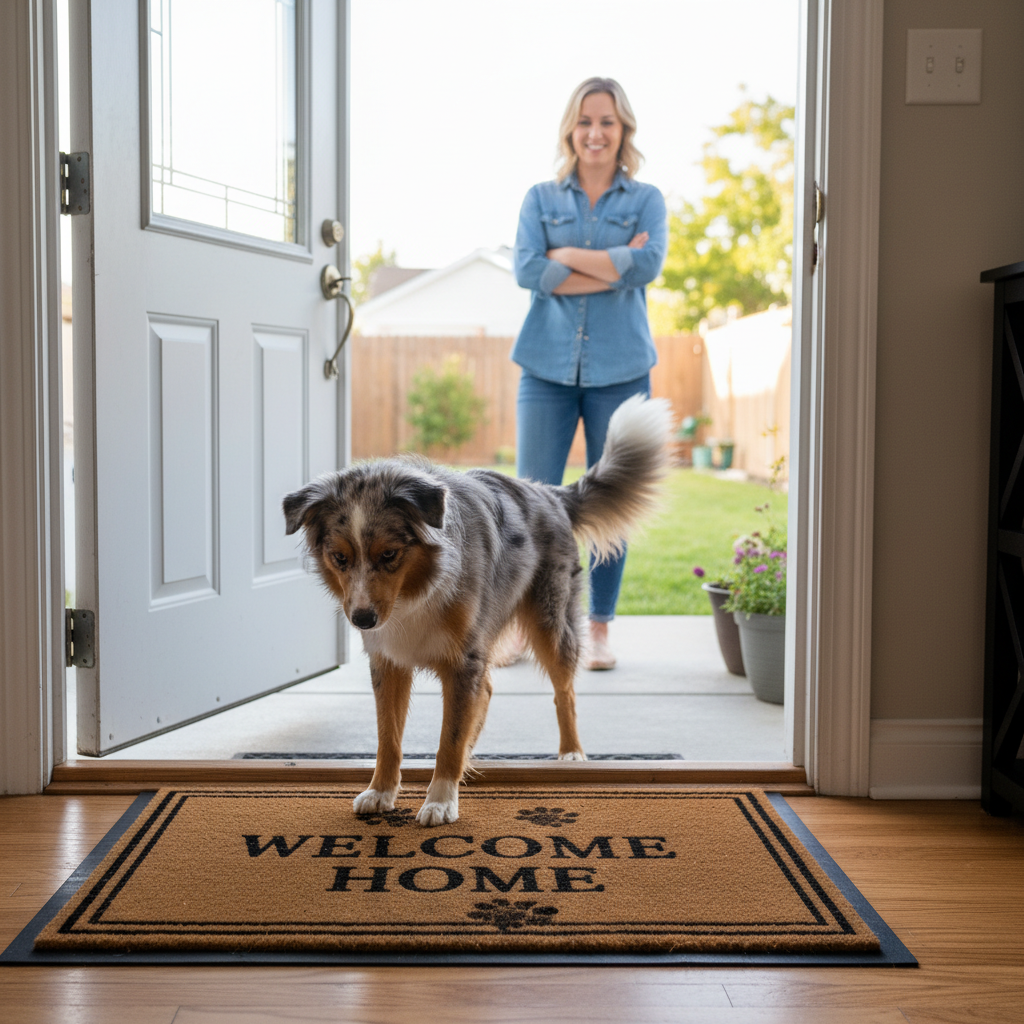
Teaching the trick is one thing; making it a reliable, everyday habit is the ultimate goal. This final phase is all about consistency and integrating the behavior into your daily routine.
- Practice Every Single Time: The most important step is to make this the new normal. Every time your dog comes in from outside—whether their paws are muddy or not—ask them to wipe their feet. Consistency is what turns a trained behavior into an automatic habit.
- Location, Location, Location: Keep the special ‘wiping mat’ right by the door you use most often. This creates a strong environmental cue. Seeing the mat will become part of the trigger for the behavior.
- Gradually Fade the Lures and Treats: Once your dog is a pro, you don’t have to give them a high-value treat every single time. Start mixing in praise, a pat, or a favorite toy as a reward. You can move to an intermittent reward schedule, treating them for a particularly enthusiastic wipe, but always offering verbal praise.
- Make it a ‘Green Light’ Behavior: You can teach your dog that wiping their paws is the ‘key’ to being allowed further into the house. After they wipe, give a release cue like “Okay!” or “Free!” to let them know they can now come all the way inside. This adds another layer of reinforcement to the habit.
Conclusion
Congratulations! You now have all the steps you need to teach your dog one of the most useful—and impressive—tricks around. Teaching your dog to wipe their paws does more than just keep your floors clean; it provides fantastic mental stimulation for your pup, strengthens your bond, and gives you a fun new way to communicate. Remember to be patient, stay positive, and celebrate the small victories along the way. Before you know it, that pitter-patter of muddy paws will be replaced by the satisfying scritch-scratch of a dog who knows how to clean up after themselves. Happy training!